Best Time to Visit Egypt
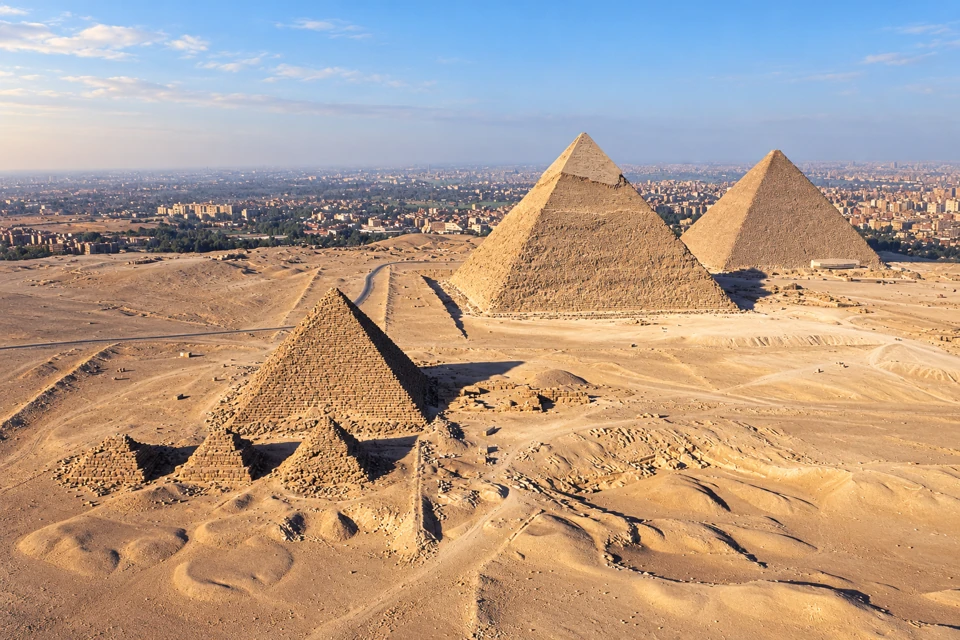
For most travelers planning sightseeing in Egypt, October, November, March, and April are the best months to visit. Daytime highs in Cairo and Upper Egypt (the Nile Valley around Luxor and Aswan) are manageable, and crowds are thinner than in the peak winter weeks. Winter, from November to March, has the most comfortable temperatures for temples and pyramids but the highest prices, especially from Christmas to New Year. Summer, from June to August, is hot inland, with Luxor and Aswan near 41°C during the day. It is also the cheapest time for Nile cruises and hotels, and the Red Sea coast is cooler than the Nile Valley.
The best month depends on your destination. Cairo, Upper Egypt, the Red Sea resorts (Hurghada and Sharm El Sheikh), and Alexandria each have different temperature ranges. Islamic holidays such as Ramadan and Eid move about 11 days earlier each year, which changes opening hours and crowds.
Temperatures by city and month
Typical daytime highs, in °C, from a monthly weather table. Aswan usually runs one or two degrees hotter than Luxor, so the Luxor and Aswan column covers both.
| Month | Cairo | Luxor / Aswan | Red Sea (Hurghada, Sharm) | Alexandria |
|---|---|---|---|---|
| January | 19 | 23 | 22 | 18 |
| February | 21 | 25 | 23 | 19 |
| March | 24 | 29 | 25 | 20 |
| April | 28 | 35 | 28 | 23 |
| May | 32 | 40 | 31 | 26 |
| June | 35 | 41 | 33 | 28 |
| July | 35 | 41 | 34 | 30 |
| August | 35 | 41 | 34 | 31 |
| September | 33 | 39 | 33 | 29 |
| October | 30 | 36 | 30 | 27 |
| November | 25 | 30 | 27 | 23 |
| December | 20 | 25 | 23 | 19 |
These are daytime averages, and nights are much cooler. In winter, Cairo and Luxor can fall to 5–8°C after dark, and the open desert approaches freezing. Monthly average lows show the same pattern: in January the lows are about 10°C in Cairo, 6°C in Luxor, 11°C in Hurghada, and 14°C in Sharm El Sheikh. By July the lows reach 23°C in Cairo, 25°C in Luxor, 27°C in Hurghada, and 28°C in Sharm, so summer nights bring little relief. A winter trip needs a warm layer for early starts and evenings, while a summer trip needs an itinerary built around the heat.
Rain barely matters for planning. Alexandria averages about 193 mm a year, Cairo at about 25 mm, Luxor at about 5 mm, and Aswan at about 1 mm. Cairo’s rain falls mostly in winter, in short spells. The hot, dust-laden khamsin wind from the Sahara arrives mainly in spring, and one early-May khamsin pushed Luxor past 45°C for a day. March dust storms, called khamaseen, are occasional.
Month by month
Winter: December to February
December. Cairo reaches 20°C and Luxor 25°C, with cold nights. This is the busiest and most expensive month of the year, particularly from Christmas to New Year. In the budget price table used for the cost section below, a budget 4-night Nile cruise costs $650–975 per person and a budget hotel night $54. New Year’s Eve brings fireworks and events in resorts and major cities. December suits holiday travelers who accept higher prices and want reliable sunshine.
January. Cairo highs are around 19°C with lows near 10°C, and Luxor reaches about 23°C. January is peak season and popular sites are crowded, with the budget 4-night cruise at $650–975 per person and the budget hotel rate at $59. Coptic Christmas falls on 7 January, with the largest mass at the Cathedral of the Nativity in the New Administrative Capital. Revolution Day on 25 January closes government offices and banks, but tourist sites stay open. The Cairo International Book Fair runs from late January to early February in New Cairo. January suits sightseeing and Nile cruises, and it fits families traveling on school holidays.
February. Cairo reaches about 21°C and Luxor about 25°C, with sunny, pleasant days. Winter crowds persist. The Abu Simbel Sun Festival on 22 February fills Aswan hotels quickly, so book early if you want that date. Ramadan begins around 17–18 February in 2026. Red Sea water does not drop below about 21°C even in February and March, so beach days stay possible.
Spring: March to May
March. Cairo reaches 24°C and Luxor 29°C. Winter crowds thin and shoulder-season prices begin to appear. The budget 4-night cruise is $455 and the budget hotel night $45. In 2026, Ramadan ends around 18–19 March and Eid al-Fitr falls around 20–22 March. Expect shorter site hours during Ramadan and heavy domestic travel in the first days of Eid. Occasional dust storms are the only weather drawback. March is good value for sightseeing, provided the Ramadan and Eid dates fit your plans.
April. Cairo reaches 28°C, the Red Sea 28°C, and Luxor 35°C, so heat is a factor in Upper Egypt from late April onward. April sits in what Visit Egypt describes as the April to May shoulder season, with fewer crowds and lower package rates. Sham el-Nessim falls on 13 April in 2026, the Monday after Coptic Easter, when families eat fesikh (salted fish), herring, green onions, and colored eggs. Parks and Nile banks are crowded that day. Sinai Liberation Day on 25 April commemorates the return of Sinai in 1982, and tourist sites stay open. Weather and crowd levels are well balanced this month, especially in Cairo and on the Red Sea.
May. Cairo reaches 32°C, the Red Sea 31°C, and Luxor and Aswan routinely 40°C. Prices fall from their peak: the budget cruise is $410 and the budget hotel $41. Labour Day on Thursday 7 May closes government offices. Eid al-Adha falls around 26–30 May in 2026, a four-day holiday when many businesses close and sites fill with local visitors. May suits Red Sea beaches. Inland sightseeing needs very early starts.
Summer: June to August
Summer is the cheapest period, and it is the least crowded at major sites such as Karnak and the Valley of the Kings. The cost is heat. Inland temples work only in the early morning and late afternoon, with the middle of the day spent in a hotel, a cruise-ship pool, or an air-conditioned museum.

June. Cairo reaches 35°C, Luxor 41°C, and the Red Sea 33°C. The budget cruise costs $410, the lowest in the monthly table. A budget hotel night is $27. The Islamic New Year, around 17 June, is a public holiday without major festivities, and 30 June is another public holiday. June suits budget travelers and heat-tolerant travelers.
July. Highs are 35°C in Cairo, 41°C in Luxor, 34°C on the Red Sea, and 30°C in Alexandria. The budget cruise is $420 and the budget hotel $52. Revolution Day on 23 July brings military parades and closed public buildings. July is a good month for Red Sea diving and swimming, and for budget Nile cruises.
August. Highs match July, with Alexandria at 31°C. The budget cruise is $430 and the budget hotel $49. The Nile Flood festival (Wafaa el-Nil) on 15 August marks the river’s annual rise, and the symbolism continues since the Aswan Dam ended real flooding. Mawlid al-Nabi, the Prophet’s birthday, falls around 25–27 August in 2026, with Sufi zikr processions at Al-Hussein Mosque in historic Cairo. August suits the Red Sea and travelers interested in cultural events.
Autumn: September to November
September. Cairo reaches 33°C, Luxor 39°C, and the Red Sea 33°C, so the heat is easing but still strong inland. Prices stay low, with the budget cruise at $325 and the budget hotel at $32. No major fixed festivals fall in the month. September suits budget and sea-focused travelers.
October. Cairo reaches 30°C, Luxor 36°C, and the Red Sea 30°C. The Egyptian Meteorological Authority’s six-day bulletin for 14–19 October 2026 shows what a typical mid-October week looks like. On 14 October it forecast Cairo at 32°C maximum and 20°C minimum, southern Upper Egypt at 38/23, and South Sinai and the Red Sea mountains at 34/25. By 16 October Cairo was forecast at 28/19, with light to moderate rain chances on the northern coasts and in Lower Egypt (the Nile Delta). The budget cruise is $380 and the budget hotel $38. Armed Forces Day on 6 October brings parades and some traffic, and the Abu Simbel Sun Festival returns on 22 October. October is the best overall balance of weather, crowds, and price.
November. Cairo reaches 25°C, Luxor 30°C, and the Red Sea 27°C. Mid-November is a sweet spot, with milder heat and lighter crowds than December. The budget cruise is $430 and the budget hotel $43. The Cairo International Film Festival runs 11–20 November at the Opera House. November suits sightseeing before the winter crowds arrive.
Best season by region
Cairo and the Nile Delta
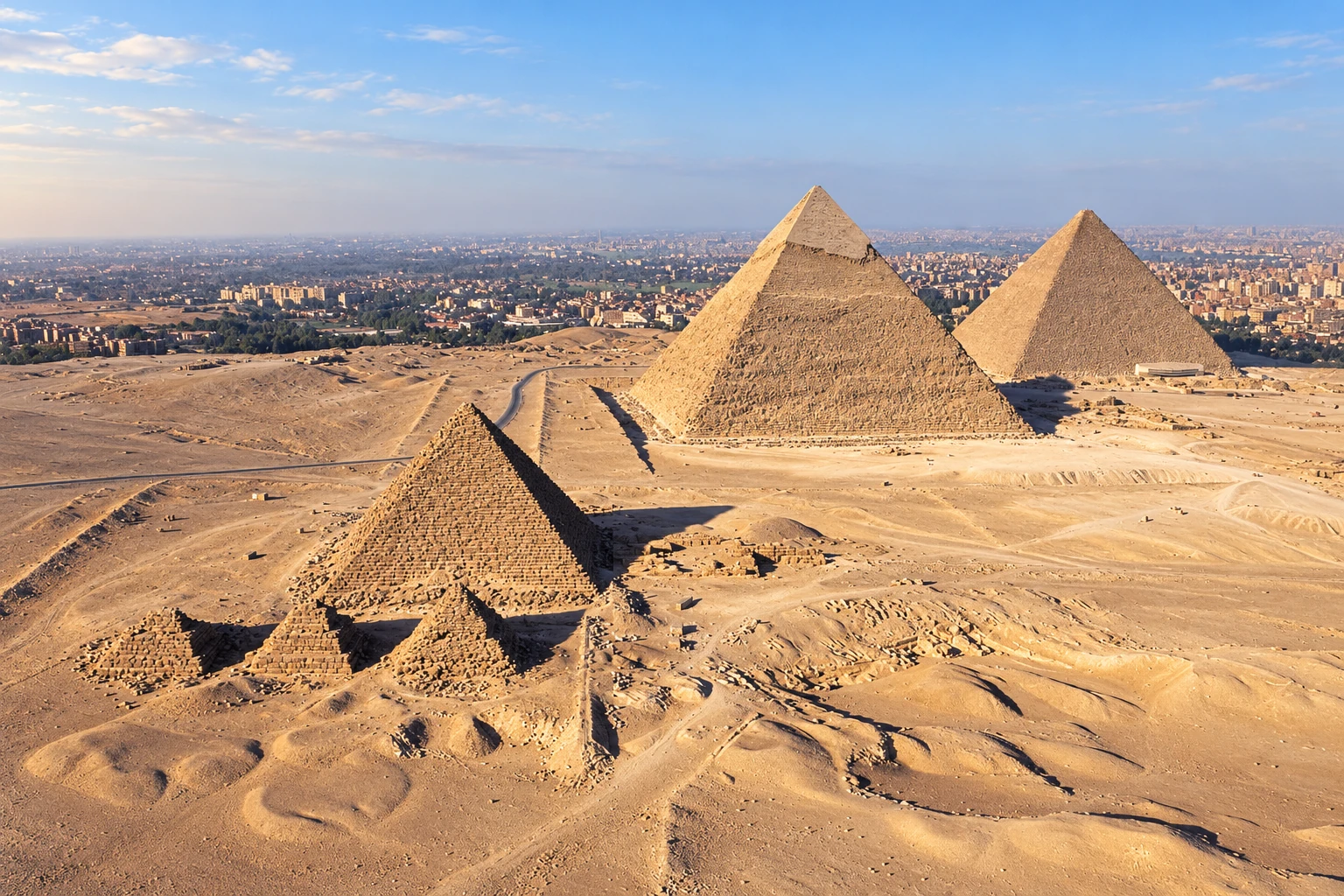
Cairo has the widest seasonal range of the inland destinations, with highs of 35°C or more from June to August and around 20°C in December. Winter brings occasional rain to Cairo and the north, in short spells. Autumn also brings cloud build-up and rain of varying intensity to parts of the north. Cairo’s festival calendar is the richest in the country: Coptic Christmas, Sham el-Nessim, Ramadan evenings, Mawlid, and the Film Festival all happen here, and the Cairo events calendar lists the rest. The pyramids and museums work best from October to April. In summer, go to the Giza plateau early and move indoors by midday.
Luxor and Aswan
Upper Egypt is the hottest region, with daytime highs around 40°C from May to September. The comfortable window for daytime sightseeing is October to April, when highs range from 23°C to 36°C, with sun nearly every day in winter. From May to September, schedule temple visits for early morning and late afternoon. Nile cruises between Luxor and Aswan run all year, and a 4-day sailing includes accommodation, meals, an Egyptologist guide, and most temple fees. Winter nights are cold on deck, so pack for 5–8°C after dark.

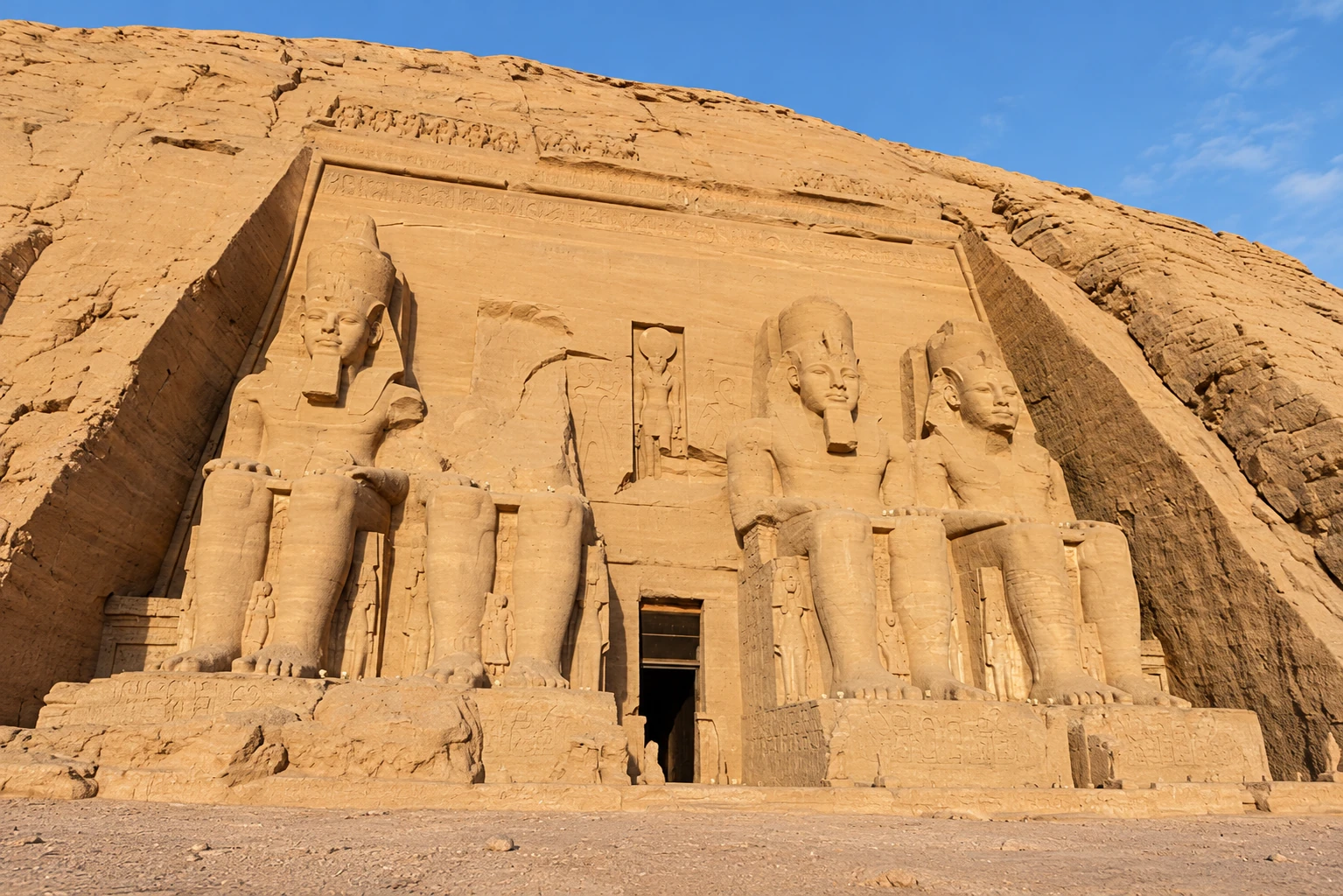
Abu Simbel’s Sun Festival on 22 February and 22 October is the region’s biggest event. On those dates, sunlight reaches the statues at the back of the sanctuary, about 213 feet from the entrance. The alignment has shifted by about a day since the temple was relocated, so many visitors gather on both the 21st and the 22nd. Aswan hotels fill quickly around both dates. In 2026 the February date falls during Ramadan, which means shorter hours and fewer open restaurants in the daytime.
Red Sea resorts
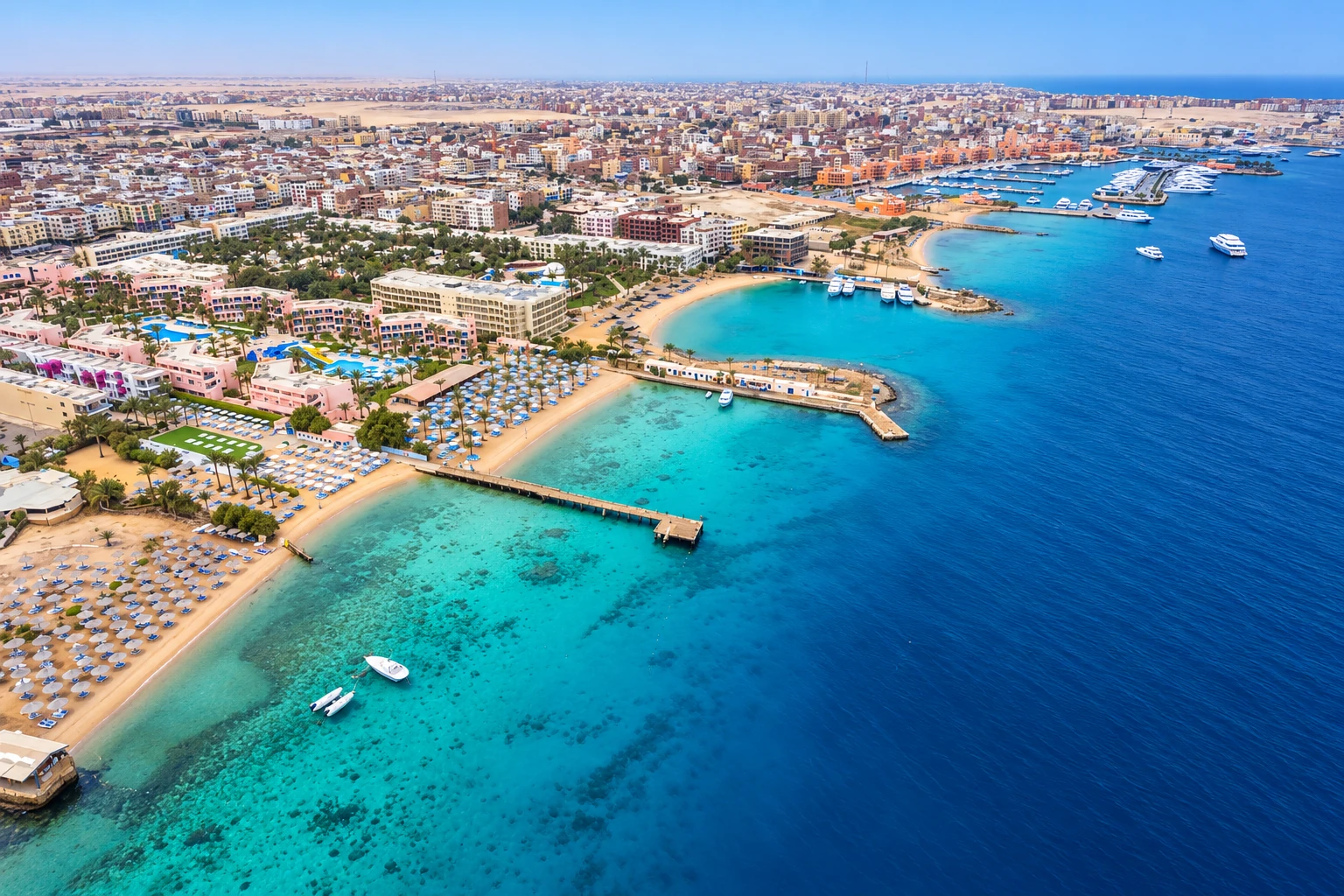
The Red Sea is the most climate-stable region, with highs between 22°C and 34°C across the year. Water temperature stays warm enough for swimming through winter, and July to October has the warmest water. Summer here is hot but milder than the Nile Valley, which makes the coast the practical summer choice. Prices fall sharply: Cairo five-star hotels drop to $65–85 a night from a $160 norm. Winter and Eid are the busiest times for resorts, so book ahead for Christmas and for the Eid weeks. A Nile cruise paired with Hurghada works well in winter or autumn, when Upper Egypt’s temple days are comfortable and the beach adds a rest at the end.
Alexandria and the north coast
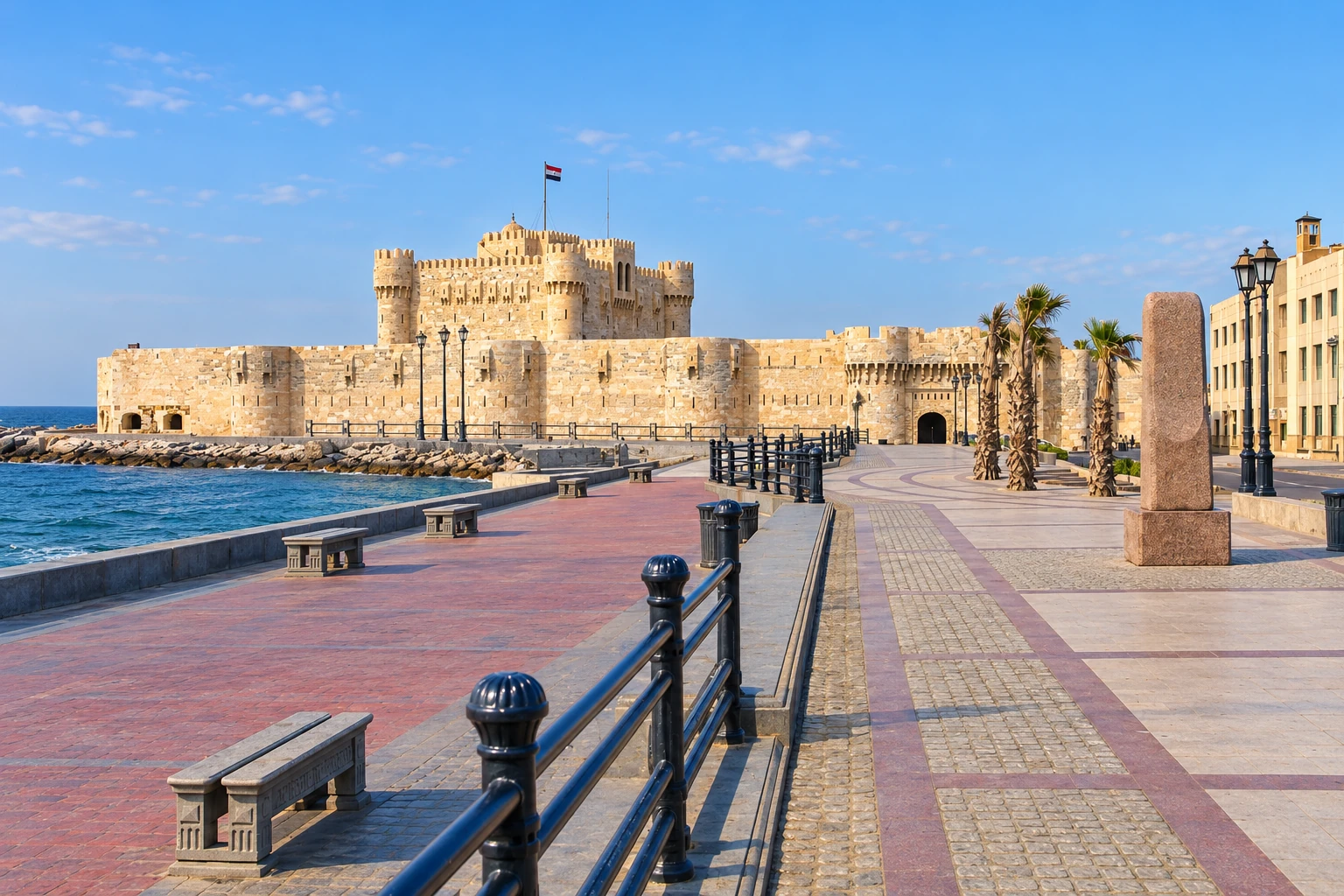
Alexandria is the coastal city most likely to see winter rain. Its summer highs of 28–31°C are cooler than inland, but humidity is higher, so the air feels heavier than the numbers suggest. Spring and autumn, with highs from 20°C to 27°C, suit walking the Corniche and the old city best.
Ramadan and Eid in 2026
Ramadan runs from about 17–18 February to 18–19 March in 2026, and the dates depend on the moon sighting. During the month, many restaurants close in the daytime and tourist sites keep shorter hours. Evenings come alive with iftar, the meal that breaks the fast at sunset, and with lantern-lit streets. Eid al-Fitr runs from Thursday 19 March to Monday 23 March 2026 as an official holiday. Cairenes travel to the coast and to their hometowns, so coastal hotels fill and popular sites get busier. Arafat Day falls on Tuesday 26 May, and Eid al-Adha runs Wednesday 27 May to Sunday 31 May, a five-day holiday with the same pattern.
Islamic dates move about 11 days earlier each year. If your trip falls near Ramadan, Eid, or Mawlid, check the official announcement closer to departure.
Prices by season
Nile cruises
Luxury cruise fares range from about $400 to over $1,500 per night depending on the season. Summer is the lowest and winter, especially Christmas and New Year, the highest. Holiday-period sailings should be booked four to eight months ahead. Budget 4-night cruise packages in 2026 run: January $595, March $455, May $410, June $300, July $420, August $430, September $325, October $380, November $430, and December $520. Summer cruises run 30–40% below high-season rates. A 3- or 4-night low-season cruise costs $300–500 per person versus $700–1,200 in peak winter. A Luxor to Aswan 4-day cruise costs $150–450 per person, including accommodation, meals, an Egyptologist guide, and most temple fees.
Hotels
The budget hotel rates in the same table are: January $59, March $45, May $41, June $27, July $52, August $49, September $32, October $38, November $43, and December $54. June and September are the cheapest months, and December and January the most expensive. On the Red Sea, Hurghada Grand Resort (5-star, all-inclusive) lists at $220–330 a night, Sea World Hotel (4-star) at $110–150, and Hilton Hurghada (3-star) at $80–110. Five-star resorts in Cairo, Sharm El Sheikh, and the Red Sea coast lower their rates by 30–50% from winter high-season levels.
Site tickets
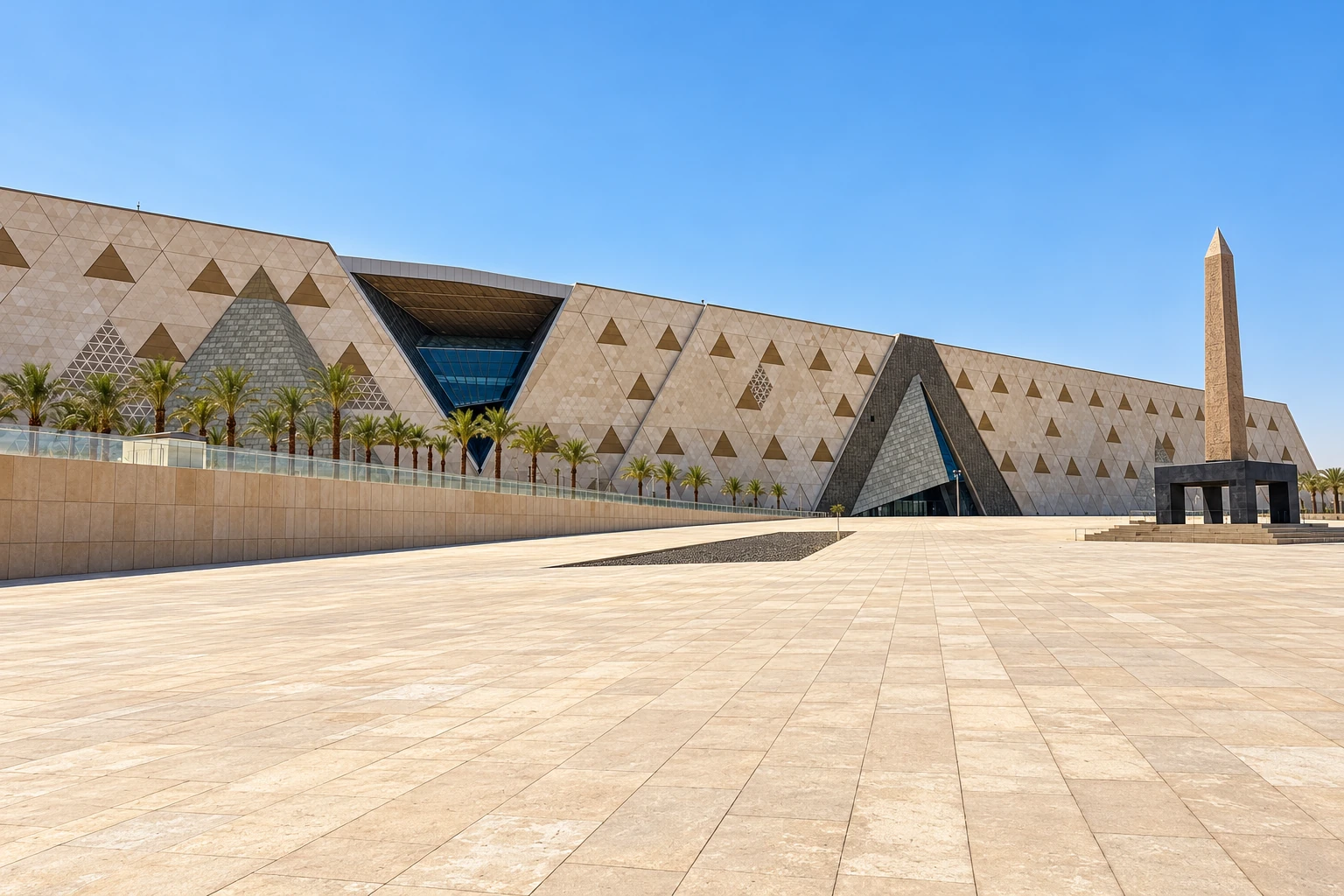
Site tickets cost the same all year. As of the fees that took effect on 1 January 2025, entry to the interior of the Great Pyramid of Giza costs 1,500 EGP for a foreign visitor and 750 EGP for a foreign student. The Grand Egyptian Museum’s full-price adult ticket for foreigners was 1,590 EGP in April 2026, while resident Arabs and foreigners pay 800 EGP for adults. Fees change periodically, so confirm current figures on the Ministry of Tourism and Antiquities site before you go.
Choosing by traveler type
First-time sightseers, Nile cruise travelers, and families on school holidays do best from November to March, accepting higher prices and busier sites, especially in December. For the best balance of weather, crowds, and price, aim for October, November, March, or April. Budget travelers get the lowest cruise and hotel rates from June to September, with the Red Sea as the comfortable base and inland temples limited to early mornings. Swimmers and divers should go from July to October for the warmest water, although the sea stays comfortable in winter.
Festival travelers have clear targets: 22 February or 22 October at Abu Simbel, 7 January for Coptic Christmas in Cairo, and late August for Mawlid in Cairo’s historic districts. Anyone who dislikes heat should stay between October and April, since Upper Egypt highs exceed 35°C from late April onward and May to September is a poor fit for inland temples.
Key Takeaways
- Pick October, November, March, or April for the best overall balance. Inland temperatures are manageable, and crowds are lighter than in December and January.
- Plan winter trips around cold nights and high prices. Days are mild in Cairo and Luxor, but nights drop to 5–8°C. December is the most expensive month.
- Use summer for savings and the Red Sea. Budget cruises fall to $300 in June and hotels to $27, but Luxor and Aswan sit near 41°C, so inland sightseeing needs early starts.
- Check Ramadan and Eid dates before booking. In 2026 Ramadan runs about 17–18 February to 18–19 March, with shorter site hours, and Eid brings crowds to sites and coastal hotels.
- Book Aswan early for Abu Simbel’s sun events. Hotels fill around 22 February and 22 October, and some visitors also come on the 21st.