Europe
Old cities, mountain railways, island ferries and long summer evenings, with practical guides for planning each country.

Travel guides
Europe by topic
When to go
Seasons, weather, festivals and crowds, month by month.
7 guides
Entry and visas
Passports, visas, travel authorizations and border rules.
9 guides
Getting around
Trains, buses, ferries, driving and airport transfers.
24 guides
Money and costs
Daily budgets, cards and cash, tipping and typical prices.
6 guides
Practicalities
Plugs, phones, eSIMs, time zones and what to pack.
4 guides
Food and drink
Dishes to try, how meals work and where to eat.
5 guides
Culture and customs
Etiquette, holidays, traditions and local history.
1 guide
Health and safety
Scams, safe areas, health care and emergencies.
1 guide
Where to stay
Neighborhoods and areas, and how to choose a base.
2 guides
Nature and outdoors
Parks, hikes, beaches, wildlife and the seasons for each.
4 guides
Itineraries
Routes and day-by-day plans for a few days or a few weeks.
7 guides
Things to do
Sights, museums, neighborhoods and day trips worth the time.
24 guides
Country guides
Countries in Europe
All guides
Guides to Europe
France · When to go
Best Time to Visit France
For most travelers, spring (April to June) or early autumn (September to October) is the best time to visit France.
Read guide
Spain · Getting around
Madrid Airport to the City Center
Madrid-Barajas Airport has four passenger terminals: T1, T2, T3, and T4.
Read guide
 Europe · Entry and visas
How the Schengen 90/180-Day Rule Works
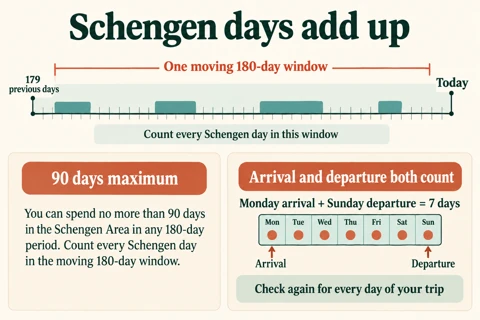
If you are visiting Europe, the Schengen 90/180-day rule limits how long you can stay in the Schengen area, a group of European countries whose shared borders have no passport checks.
Read guide
Europe · Entry and visas
How the Schengen 90/180-Day Rule Works
If you are visiting Europe, the Schengen 90/180-day rule limits how long you can stay in the Schengen area, a group of European countries whose shared borders have no passport checks.
Read guide
 Italy · Getting around
10 Days in Italy by Train
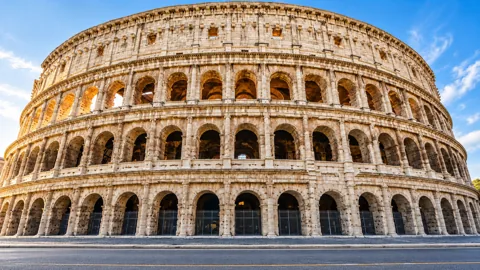
A first trip to Italy fits into ten days if you limit the route to three cities: Rome, Florence, and Venice.
Read guide
Italy · Getting around
10 Days in Italy by Train
A first trip to Italy fits into ten days if you limit the route to three cities: Rome, Florence, and Venice.
Read guide
 Europe · Things to do
How the Interrail Pass Works
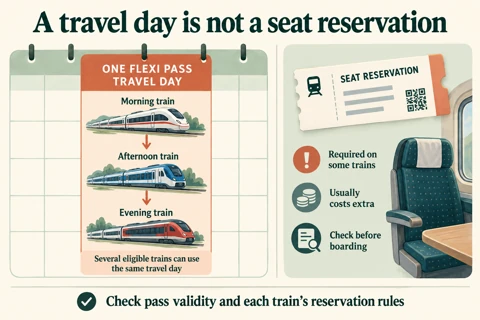
Interrail is a rail pass for train travel in Europe. It covers the fare on trains that accept it, but seat reservations cost a separate fee on many routes.
Read guide
Europe · Entry and visas
The EU Entry/Exit System (EES) for Travelers
The Entry/Exit System (EES) is an automated European Union database that records when non-EU travelers enter and leave the Schengen area, the group of European countries that have removed routine checks at their shared borders.
Read guide
Europe · Entry and visas
ETIAS Travel Authorization for Visitors to Europe
ETIAS, the European Travel Information and Authorisation System, is a pre-travel screening requirement for visitors from countries that do not currently need a visa for short stays in Europe.
Read guide
Andorra · Nature and outdoors
Hiking in Andorra
Andorra is a small mountain country of 468 square kilometers in the eastern Pyrenees, between France and Spain.
Read guide
Andorra · Entry and visas
Customs Limits When Leaving Andorra
Andorra sells tobacco, alcohol, perfume, and electronics without the taxes charged elsewhere in Europe, so many travelers leave with these goods.
Read guide
Europe · Things to do
How the Interrail Pass Works
Interrail is a rail pass for train travel in Europe. It covers the fare on trains that accept it, but seat reservations cost a separate fee on many routes.
Read guide
Europe · Entry and visas
The EU Entry/Exit System (EES) for Travelers
The Entry/Exit System (EES) is an automated European Union database that records when non-EU travelers enter and leave the Schengen area, the group of European countries that have removed routine checks at their shared borders.
Read guide
Europe · Entry and visas
ETIAS Travel Authorization for Visitors to Europe
ETIAS, the European Travel Information and Authorisation System, is a pre-travel screening requirement for visitors from countries that do not currently need a visa for short stays in Europe.
Read guide
Andorra · Nature and outdoors
Hiking in Andorra
Andorra is a small mountain country of 468 square kilometers in the eastern Pyrenees, between France and Spain.
Read guide
Andorra · Entry and visas
Customs Limits When Leaving Andorra
Andorra sells tobacco, alcohol, perfume, and electronics without the taxes charged elsewhere in Europe, so many travelers leave with these goods.
Read guide
 Iceland · Getting around
Driving in Iceland in Winter
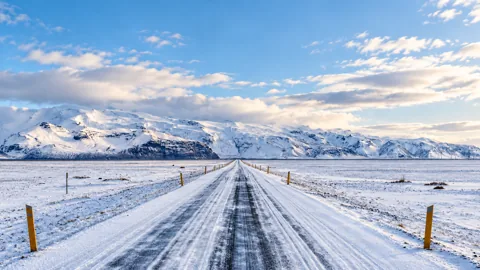
Winter in Iceland means short days, icy roads that look dry, and closures that can start with little notice.
Read guide
Iceland · Getting around
Driving in Iceland in Winter
Winter in Iceland means short days, icy roads that look dry, and closures that can start with little notice.
Read guide
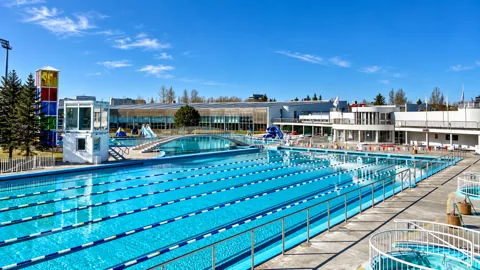 Iceland · Culture and customs
Swimming Pool Etiquette in Iceland
Public pools, hot pots, and geothermal bathing spots are part of daily life in Iceland, and the rules are stricter than most visitors expect.
Read guide
Iceland · Culture and customs
Swimming Pool Etiquette in Iceland
Public pools, hot pots, and geothermal bathing spots are part of daily life in Iceland, and the rules are stricter than most visitors expect.
Read guide
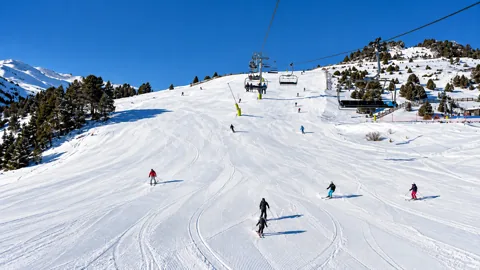 Andorra · Nature and outdoors
Skiing Grandvalira or Pal Arinsal in Andorra
Andorra is a small mountain country between France and Spain.
Read guide
Andorra · Nature and outdoors
Skiing Grandvalira or Pal Arinsal in Andorra
Andorra is a small mountain country between France and Spain.
Read guide
Europe · Entry and visas
How the Schengen 90/180-Day Rule Works
If you are visiting Europe, the Schengen 90/180-day rule limits how long you can stay in the Schengen area, a group of European countries whose shared borders have no passport checks.
Read guide
Italy · Getting around
10 Days in Italy by Train
A first trip to Italy fits into ten days if you limit the route to three cities: Rome, Florence, and Venice.
Read guide
Europe · Things to do
How the Interrail Pass Works
Interrail is a rail pass for train travel in Europe. It covers the fare on trains that accept it, but seat reservations cost a separate fee on many routes.
Read guide
Europe · Entry and visas
The EU Entry/Exit System (EES) for Travelers
The Entry/Exit System (EES) is an automated European Union database that records when non-EU travelers enter and leave the Schengen area, the group of European countries that have removed routine checks at their shared borders.
Read guide
Europe · Entry and visas
ETIAS Travel Authorization for Visitors to Europe
ETIAS, the European Travel Information and Authorisation System, is a pre-travel screening requirement for visitors from countries that do not currently need a visa for short stays in Europe.
Read guide
Andorra · Nature and outdoors
Hiking in Andorra
Andorra is a small mountain country of 468 square kilometers in the eastern Pyrenees, between France and Spain.
Read guide
Andorra · Entry and visas
Customs Limits When Leaving Andorra
Andorra sells tobacco, alcohol, perfume, and electronics without the taxes charged elsewhere in Europe, so many travelers leave with these goods.
Read guide
Iceland · Getting around
Driving in Iceland in Winter
Winter in Iceland means short days, icy roads that look dry, and closures that can start with little notice.
Read guide
Iceland · Culture and customs
Swimming Pool Etiquette in Iceland
Public pools, hot pots, and geothermal bathing spots are part of daily life in Iceland, and the rules are stricter than most visitors expect.
Read guide
Andorra · Nature and outdoors
Skiing Grandvalira or Pal Arinsal in Andorra
Andorra is a small mountain country between France and Spain.
Read guide