Sweden
Practical guides to Sweden: when to go, how to get around, entry rules, costs and what to see.
About Sweden
Sweden is long, and its length shapes every trip. Stockholm to Göteborg takes about 3 hours by the fastest train. Stockholm to Kiruna, in the Arctic north, takes roughly 15 hours by rail or about an hour and a half by air. Summer suits the coast and islands, autumn suits a city break, winter suits a northern lights trip, and late summer suits a mountain hike. The season you travel in determines the best trip.
Visitors from the US, UK, Canada, Japan, Australia and New Zealand need no visa for short stays, but they go through the EU’s new biometric border system on entry.
Sweden’s Regions
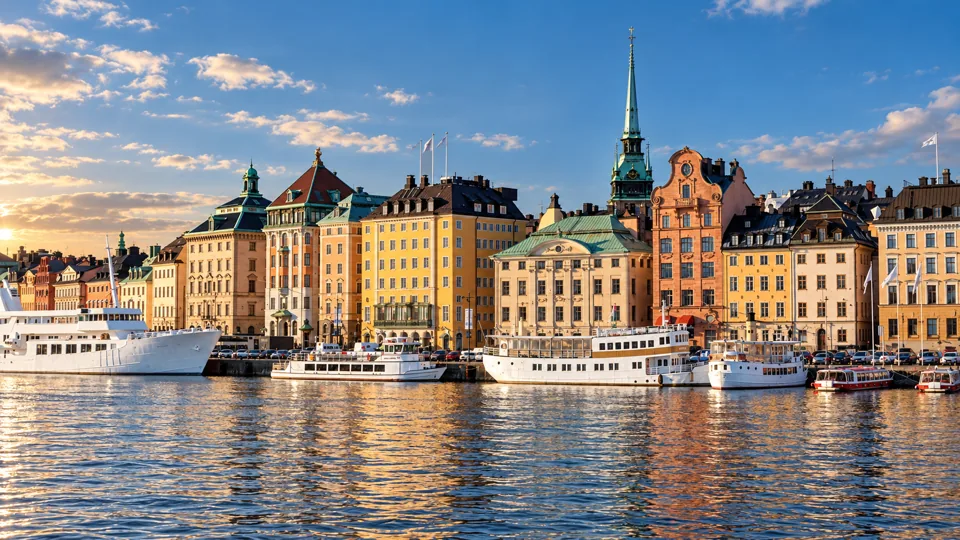
Stockholm and the east coast
Stockholm is the capital and the natural starting point for most itineraries. The archipelagos along the east coast open in stages between May and September, and Resedestinationer describes the Stockholm, Roslagen and Södermanland archipelagos as one summer destination with dense boat traffic and guest harbors. A visit in June to August lets you pair the city with a day or several nights among the islands. Outside that window, much of the archipelago activity is winding down or has not started.

Gotland and Öland
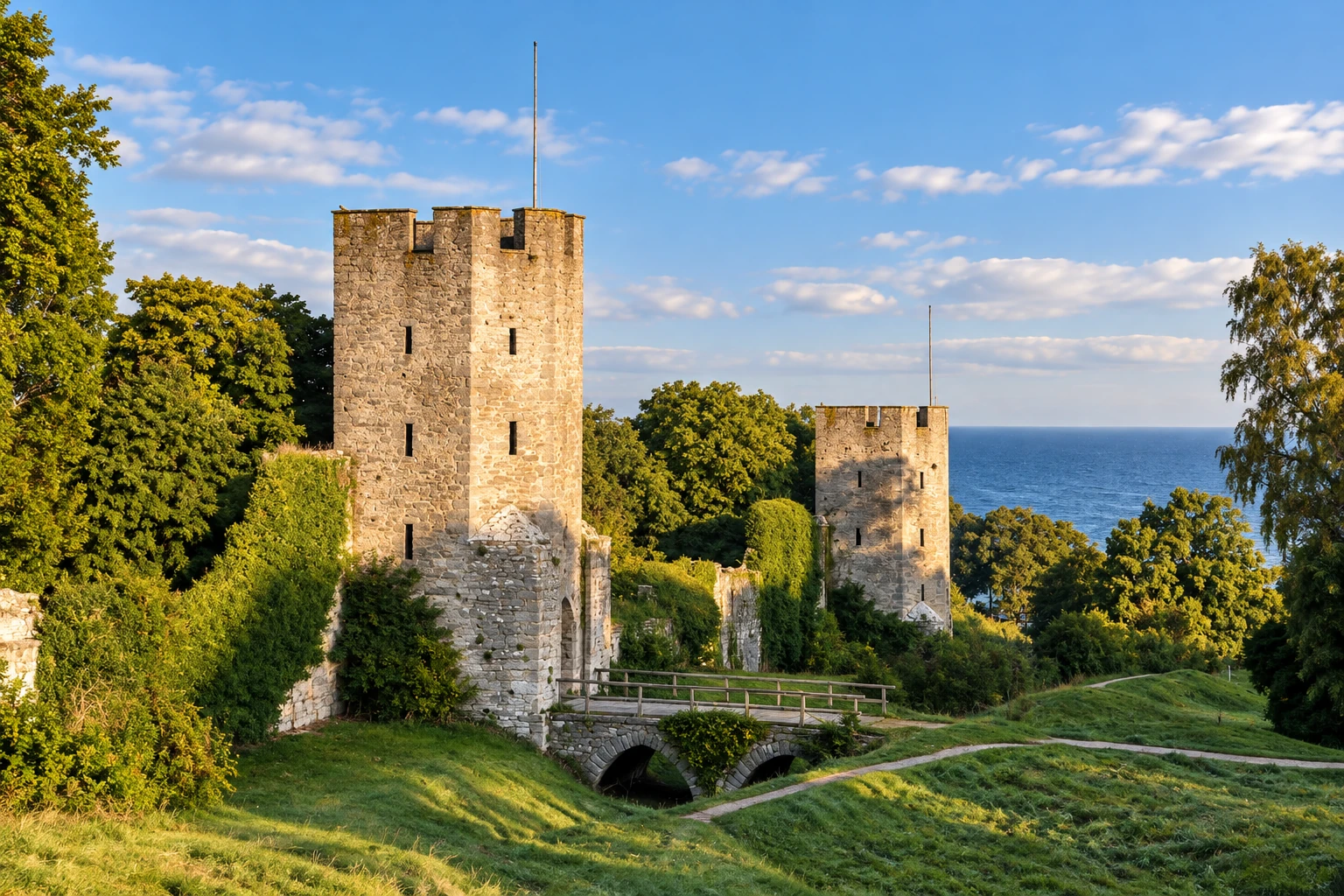
The two big Baltic islands are busiest from mid-June to the end of August. Visby, on Gotland, is a southern highlight in Fredericia’s roundup of Swedish destinations. Because the island season is short, a trip outside midsummer needs checking on what is open before you commit to the crossing.
Göteborg and the west coast
Göteborg is Sweden’s west-coast city and the other end of the country’s best-known rail corridor from Stockholm. North and south of it, the coast faces the Kattegat, and resorts and natural harbors fill up as the water warms in summer. The west coast works well as a second stop after Stockholm because the train takes about 3 hours.

Skåne in the south
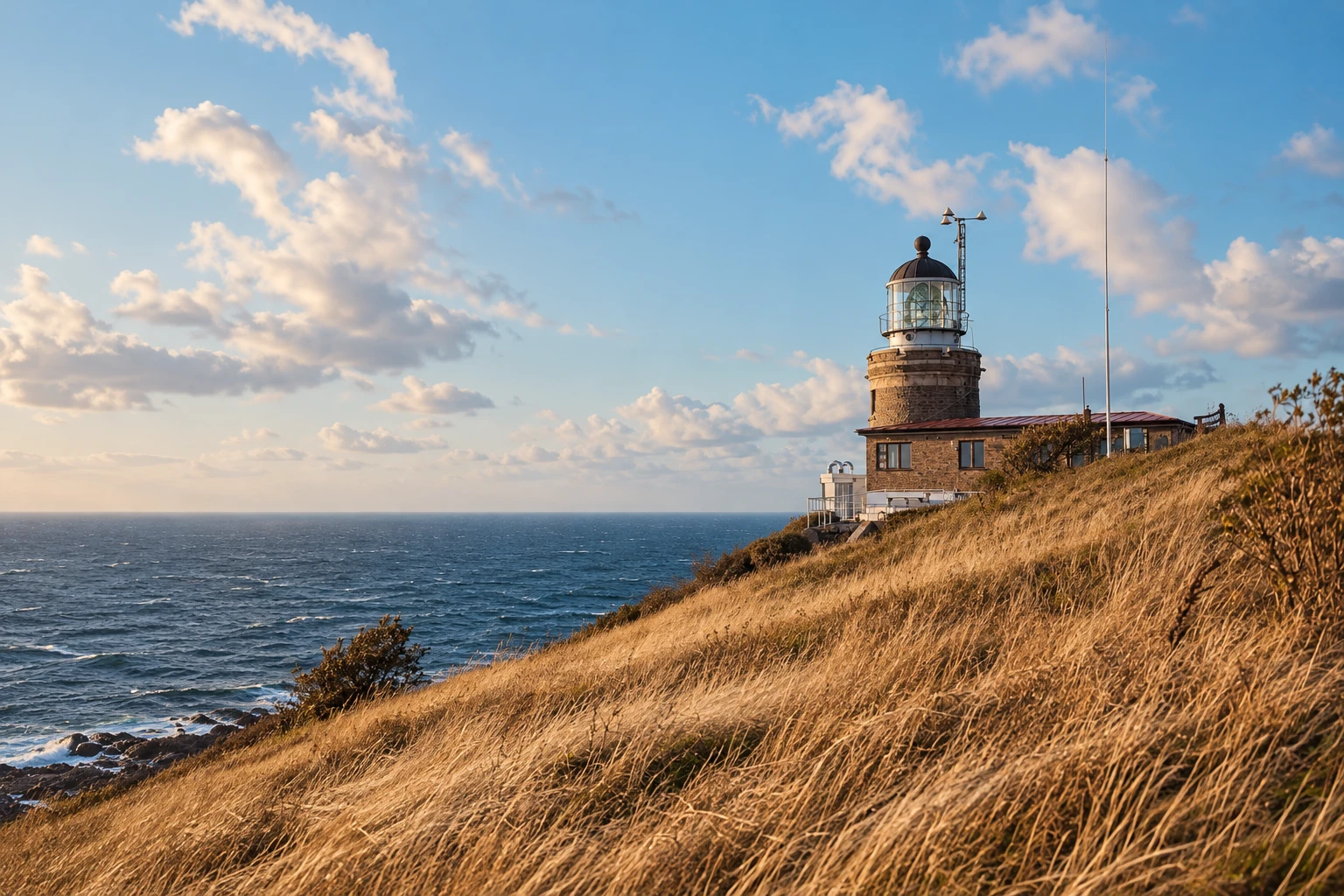
Skåne, at the southern tip, has sandy beaches in the south and southeast and more open sea in the west. The water is usually warmest from late July into August. In spring, Österlen, Söderåsen and Kullaberg are named as places worth visiting in Fredericia’s list, which makes Skåne a good choice when April and May bring milder weather and blooming landscapes. Malmö, the main city here, is also a departure point for the long rail run north.
Norrland and the far north
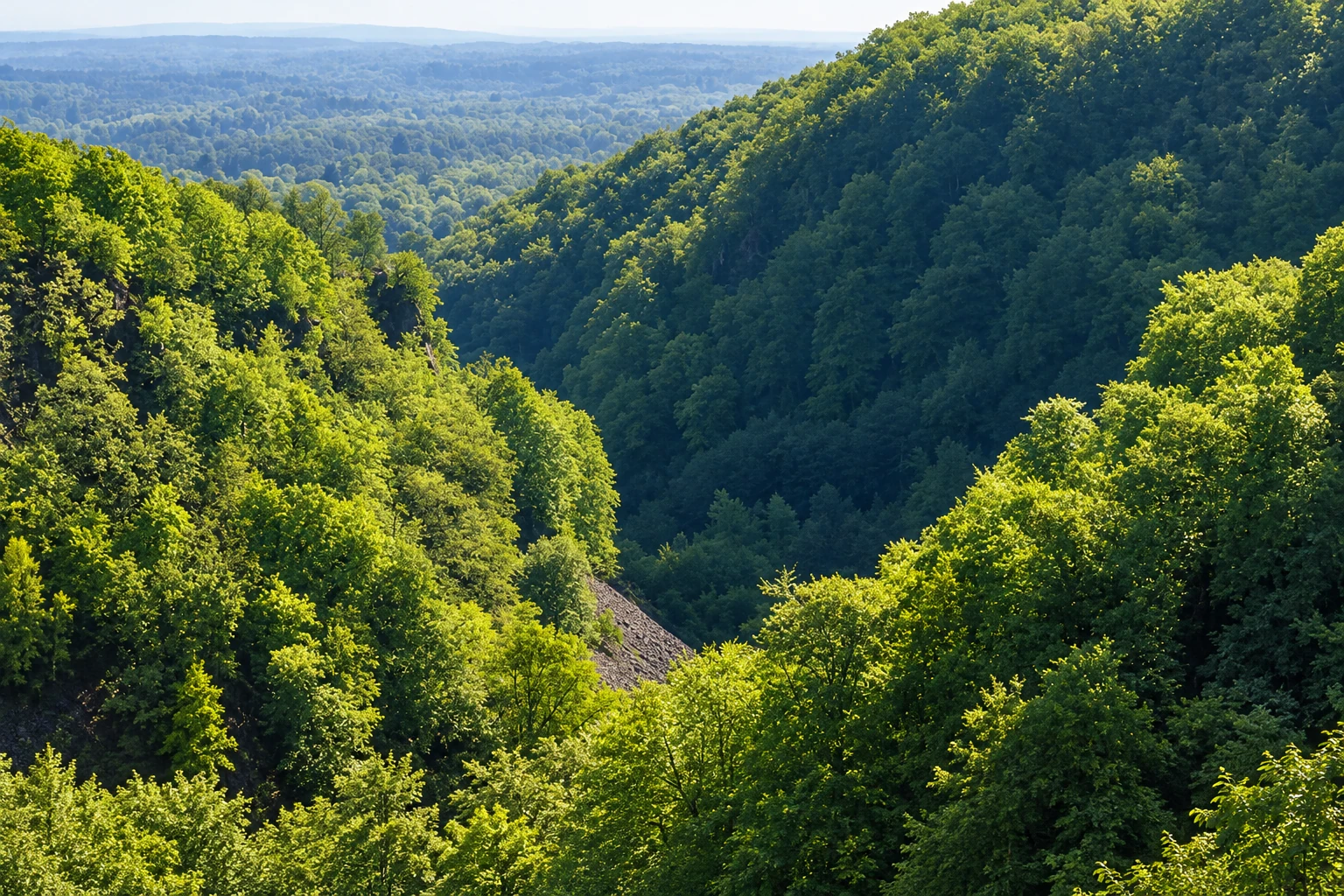
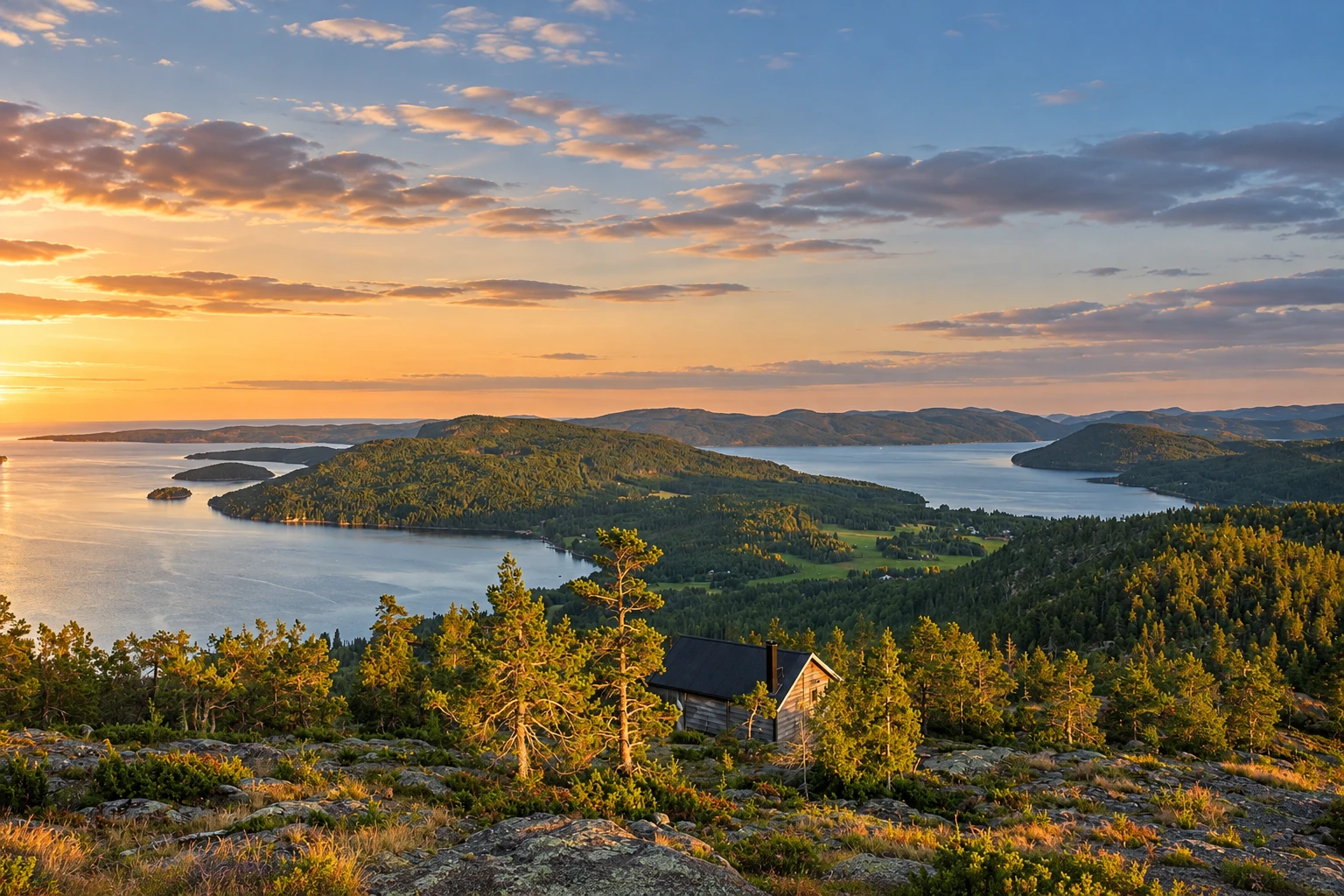
Norrland covers the northern part of the country, with towns such as Sundvall, Gävle and Skellefteå listed on När och Vart. Skiing is associated with Sälen and Åre, and the midnight sun and hiking with Abisko, according to Reseguiden. Fredericia names Sarek, Kebnekaise and the Höga Kusten (High Coast) among the northern highlights.
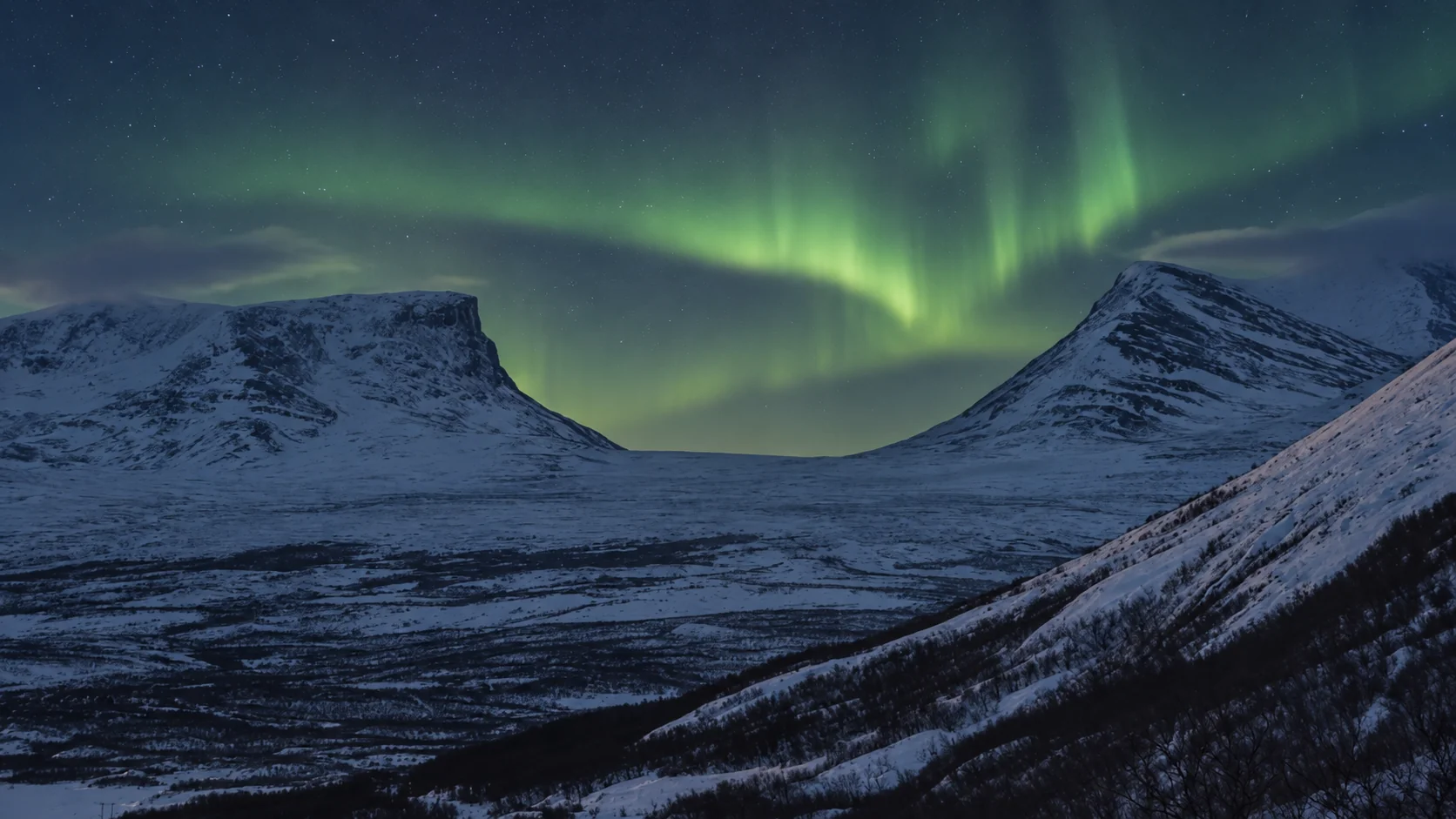
North of the Arctic Circle, Abisko, Kiruna, Jokkmokk and Gällivare are the places Official Swedish Services names as the best for the northern lights. The Swedish Tourist Association (STF) adds that Abisko is noted for frequent clear skies.
When to Go
Summer, June to August
Long days and mild evenings make June to August the high season along most of the coast, according to Resedestinationer. This is the season for archipelagos, Gotland, Öland, west-coast harbors and Skåne’s beaches. In Stockholm, daylight lasts about 18 hours on 1 July, and southern Sweden does not see the midnight sun, per När och Vart.
The midnight sun belongs to the far north. Swedentraveler gives roughly late May to mid-July, with up to 24 hours of daylight. These daylight figures are approximate and do not name a location, so treat them as a rough guide.
Spring and autumn
September and October bring clear autumn colors and fewer visitors, and April and May bring blooming landscapes and milder temperatures in Skåne, as Fredericia notes. These months suit a city-focused trip with fewer crowds. The trade-off is that island and archipelago services are limited, since they open in stages from May to September.
For mountain hiking, late summer is the best time, and Reseguiden suggests starting in the south and ending in the north on a route along the length of the country.
Winter and the northern lights
Northern lights are seen from September to March, with the peak from November to February according to Official Swedish Services. Friluftskompaniet gives a peak of December to February. The coldest, clearest nights give the best viewing, which runs from about 21:00 or 22:00 to 02:00, with activity peaking around midnight.
Tourism in the aurora towns is busiest from December to March, because the nights are darkest and many northern towns offer guided aurora experiences. A northern location is only the start. STF stresses that weather, cloud cover and light pollution matter a great deal. The best conditions are clear skies, darkness and high ground. Friluftskompaniet recommends checking real-time data from scientific observation sites that track solar and geomagnetic activity.
Winter days are short. Swedentraveler gives roughly 0 hours of daylight in the far north and about 6 hours in the south from December to February. In spring and autumn the range is about 10 to 16 hours (March to May) and 7 to 12 hours (September to November).
Skiing
Skiing or dog sledding runs from December to April in central Sweden and from March to early June in the north, per När och Vart. A trip that combines a ski resort with aurora viewing fits best in the December to March overlap.
Sweden follows Central European Time (UTC+1) in winter and Central European Summer Time (UTC+2) in summer.
Getting Around
Stockholm to Göteborg
The fastest trains between Stockholm and Göteborg take about 3 hours, and SJ, VR Sverige and Snälltåget all run the route. The average across all services is longer, about 4 hours 11 to 12 minutes. There are roughly 27 to 29 departures a day, so choose the fast service when you book.
SJ fares start from 245 SEK when booked 30 to 60 days ahead and rise to 895 SEK on the day of departure. Booking a month or more ahead averages about 495 SEK. Fares listed on booking sites average about 591 SEK from Stockholm to Göteborg, and about 675 SEK in the other direction. Fares change daily, so check SJ, VR or Snälltåget directly before planning around any of these figures.
Interrail and Eurail passes are accepted on SJ, VR Sverige and Snälltåget, but a seat reservation is still required.
Rail to the north
The distances to Kiruna are long, and they favor either a night train or a flight. Journey times in the table are averages and vary by service.
| Route | Journey time | Departures per day |
|---|---|---|
| Stockholm to Kiruna | About 15 h 19 min | About 5 |
| Göteborg to Kiruna | About 21 h 5 min | About 3 |
| Malmö to Kiruna | About 20 h 45 min | About 5 |
The Malmö to Kiruna service is run by SJ and Tågkompaniet Norrtåg. Fares on these routes are lowest when booked roughly 84 to 91 days ahead on the Stockholm to Kiruna route, and rise closer to departure. Confirm current fares and any seasonal changes with the operators.
Flights and buses
The flight from Stockholm to Kiruna takes about 1 hour 37 minutes, with an average fare of 1,055 SEK. Going the other way, flights from Kiruna to Stockholm start from 551 SEK, against 655 SEK for the cheapest train. The train takes 15 hours, so if your time is limited, the 1 hour 37 minute flight saves a full day. Buses between Stockholm and Göteborg can start as low as 22 SEK, though cheap fares are limited to a few seats.
Costs and VAT
Sweden has three VAT rates: 25% standard, plus reduced rates of 12% and 6%, according to Kleer. The 6% rate covers books, newspapers, public transport and certain cultural and sports services, per Ekonomifakta.
Hotel rooms, hostels and pensions are taxed at 12%. Breakfast and parking included in the room price follow the room, though parking sold separately carries 25%. Alcohol served in a restaurant is taxed at 25%.
Food rules changed in 2026. Restaurant meals eaten on the premises stay at 12%. From 1 April 2026 to 31 December 2027, VAT on groceries falls from 12% to 6%. Take-away food counts as groceries and also falls to 6%, including packaging and delivery charges. Hotel room service ordered from a restaurant and served with tableware stays at 12%, while a breakfast bag taken away is 6%. Older websites still show 12% on groceries, so check the date on any price guide. Price tags in shops and on menus already include VAT.
For a trip budget, use current hotel and operator pricing for the dates you plan to travel.
Visa and Entry Rules
Whether you need a visa depends on your country of citizenship. Roughly 60 countries are visa-exempt for short stays, and the group includes the USA, UK, Canada, Japan, Australia and New Zealand. The Swedish Police Authority (Polisen) points travelers to its government list, and visa questions go to the Swedish Migration Agency (Migrationsverket) or a Swedish mission abroad. EU, EEA and Swiss citizens need neither ETIAS nor EES.
A Schengen short-stay visa allows only a limited stay within a set period, and visa-exempt visitors are subject to the same short-stay limit. Longer stays need a national visa, up to one year. A visitor visa does not allow work or study. Migrationsverket also lists an EU web service that lets travelers covered by EES check how long they may remain in the Schengen area. A person who needs a visa for a short stay should ask Migrationsverket whether a host’s invitation is required. Typical documents for a tourist visa include a booking confirmation, itinerary, proof of funds and travel insurance.
Polisen’s passport rule requires a passport no more than 10 years old and valid at least 3 months beyond your planned return. Check this before you book. A passport is the safest document at an external border, while a national ID card is accepted for travel within the Schengen area.
The Entry/Exit System (EES) began on 12 October 2025 in Schengen countries, and it applies to non-EU citizens on short stays. At the first crossing you give a facial photo and fingerprints, and the record is kept for 3 years. Later entries within that period typically need a passport check plus a face or fingerprint match. There is no fee. The system records entries, exits and refused entries electronically.
ETIAS, a travel authorization for visa-exempt visitors, is not yet open. Polisen says applications are not possible yet and that the EU has not set a start date. When it starts, the application will be on the EU’s official ETIAS website. It will cost 20 euros (some travelers are exempt) and will be valid up to 3 years or until the passport expires, whichever comes first. A new passport needs a new application. ETIAS will apply in 30 countries and works much like the US ESTA, and the short-stay limit stays in place. Check Polisen and the official EU ETIAS website for the start date before you book.
Nature Access and Camping
Sweden’s right of public access (allemansrätten) lets everyone walk, camp and paddle on much of the country’s land. According to Naturvårdsverket, the Swedish Environmental Protection Agency, the right applies in protected areas too, but it can be limited there. Local rules might ban fires, boating or dogs, restrict cycling and riding to marked trails, or limit berry picking. Check local notices.
On tenting, Naturvårdsverket says tenting for one or two nights at one spot, with two or three tents, falls within the right. Larger groups need the landowner’s permission. In national parks and nature reserves, tenting is generally allowed only at designated sites, some areas ban it entirely, and notice boards show current rules. Keep camps away from houses, farmland and grazing land.
STF is a good starting point for mountain trips, where fire options are limited and a stove is the safer choice. Check fire bans with the county administrative board (länsstyrelsen) before lighting any fire. The right of access covers non-motorized travel, so driving a camper onto natural ground is not permitted. Bathing, kayaking and boating are allowed on lakes, coasts and the sea, but bird and seal protection areas restrict going ashore during part of the year and may restrict being on the water within a set distance from shore. National park fees, if any, are posted by each park.
Planning One to Two Weeks
Pick the season first, then build the route around it. A week works best on one region, and two weeks can add a second.
- A week in summer: Stockholm plus the archipelago, or Stockholm and Göteborg linked by the 3-hour train, with time on the west coast.
- A week in winter: Fly Stockholm to Kiruna, which takes about an hour and a half, then spend the nights in Abisko or Kiruna and go out for the aurora.
- Two weeks in summer: Stockholm, Göteborg and Skåne, or Stockholm with Gotland and a second base on the west coast.
- Two weeks in winter: Stockholm followed by a northern stay for aurora and skiing.
- A long weekend: Stockholm alone, or both cities if you take the fast train.
Treat these routes as starting points. A north-south route should include one flight or an overnight train, because the distance is large. For mountain hiking, plan for late summer. Before booking, confirm your visa need, passport validity and EES enrollment.
Key Takeaways
- Match season to goal. Summer from June to August suits the coast and islands. September to March suits the northern lights, and December to April suits skiing.
- Plan for distance. Stockholm to Göteborg takes about 3 hours by the fastest train, while Stockholm to Kiruna is about 15 hours by rail or about 1.5 hours by air.
- Check entry rules first. Visa-exempt visitors can make only short stays. They need a passport under 10 years old and valid 3 months past the return, and they go through EES. ETIAS is not yet open.
- Date your food prices. Hotels and restaurant meals carry 12% VAT, while groceries fall to 6% from 1 April 2026 to 31 December 2027.
- Follow local camping rules. Tenting is allowed one or two nights at a spot outside parks, and in national parks and nature reserves generally only at designated sites.
Travel guides
Sweden by topic
All guides
Guides to Sweden
 Sweden · Health and safety
Is Sweden Safe for Travelers? Current Advice, Scams, Health Risks and Emergency Numbers
Sweden is a safe country for most visitors. The most likely problems on a first trip are stolen wallets and phones in central Stockholm, a tick bite in summer, or bad weather on the road.
Read guide
Sweden · Money and costs
Sweden Travel Costs: Daily Budgets, Prices and Ways to Save
Sweden really is expensive, but your total depends on where you sleep, how many sit-down dinners you order and how many paid museums you visit.
Read guide
 Sweden · Money and costs
Tipping in Sweden
Tipping in Sweden is voluntary. The local word is dricks, and no law or wage rule requires it.
Read guide
 Sweden · Practicalities
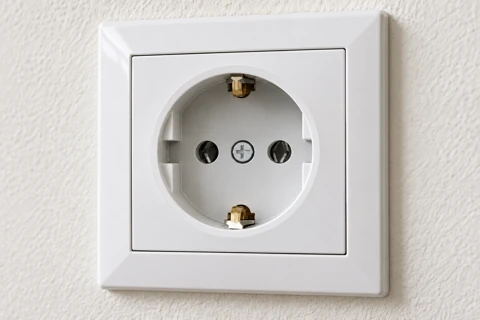
Power Plugs and Voltage in Sweden for US Travelers
Sweden's mains power differs from the US in voltage and runs at 50 hertz.
Read guide
 Sweden · Getting around
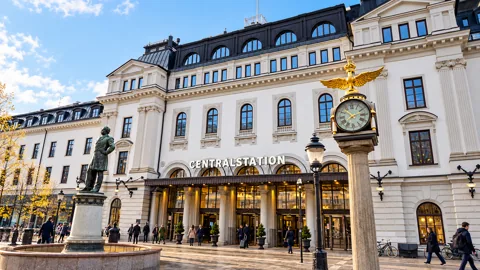
Stockholm to Gothenburg by Train
The train is the most direct way to travel between Stockholm and Gothenburg, about 397 km apart.
Read guide
 Sweden · Getting around
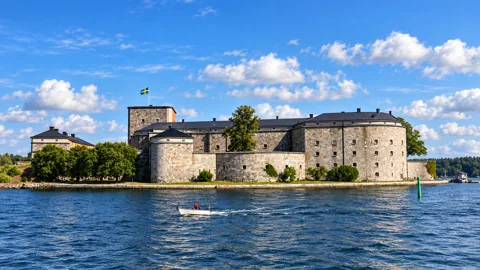
Visiting the Stockholm Archipelago by Ferry
The Stockholm archipelago is a scatter of islands in the Baltic Sea off the capital, and most independent travelers reach them by ferry.
Read guide
 Sweden · Itineraries
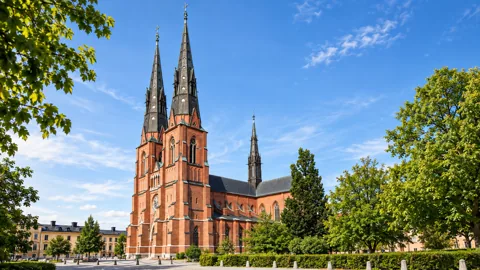
Day Trips from Stockholm to Uppsala, Sigtuna, and Vaxholm
Most day trips from Stockholm leave the city center by train, bus, or boat.
Read guide
 Sweden · Things to do
Buying Alcohol in Sweden
Alcohol in Sweden is sold through two channels with different rules.
Read guide
 Sweden · Things to do
What Fika Means in Sweden
Fika is a scheduled break in Swedish daily life, usually taken with other people over a cup of coffee or tea and something to eat, most often something sweet.
Read guide
 Sweden · Things to do
Seeing the Northern Lights in Sweden
The northern lights, or aurora, are bands of green, pink, or red light in the night sky.
Read guide