Asia
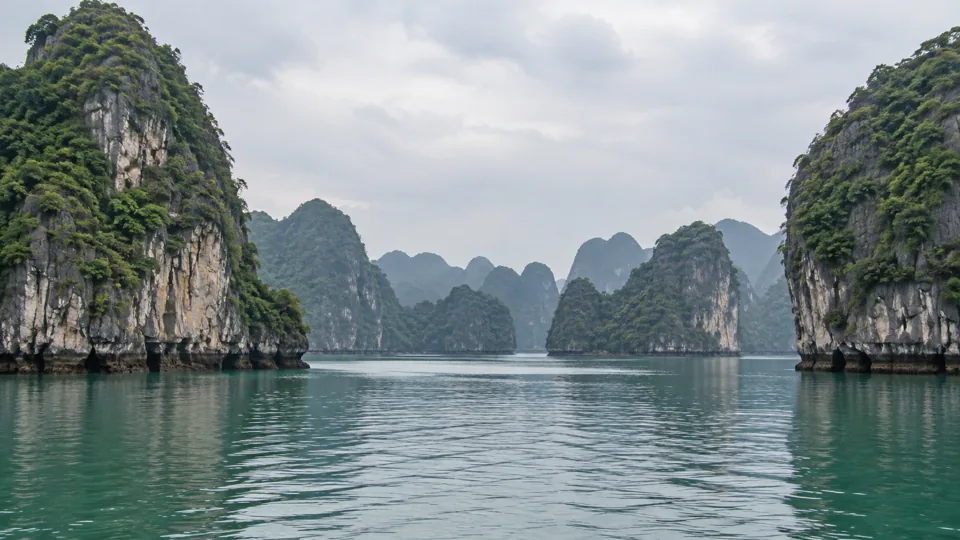
From temple towns and night markets to high mountains and island coasts, with the visas, transport and seasons that shape a trip.
Travel guides
Asia by topic
When to go
Seasons, weather, festivals and crowds, month by month.
12 guides
Entry and visas
Passports, visas, travel authorizations and border rules.
17 guides
Getting around
Trains, buses, ferries, driving and airport transfers.
16 guides
Money and costs
Daily budgets, cards and cash, tipping and typical prices.
43 guides
Practicalities
Plugs, phones, eSIMs, time zones and what to pack.
10 guides
Food and drink
Dishes to try, how meals work and where to eat.
2 guides
Culture and customs
Etiquette, holidays, traditions and local history.
1 guide
Health and safety
Scams, safe areas, health care and emergencies.
7 guides
Where to stay
Neighborhoods and areas, and how to choose a base.
2 guides
Itineraries
Routes and day-by-day plans for a few days or a few weeks.
11 guides
Things to do
Sights, museums, neighborhoods and day trips worth the time.
4 guides
Country guides
Countries in Asia
All guides
Guides to Asia
Thailand · Food and drink
Is Tap Water Safe to Drink in Thailand? A Traveler’s Guide to Water, Ice, and Food
Do not drink tap water in Thailand. The CDC's Yellow Book chapter on Thailand, the travel-health reference written for doctors and updated October 5, 2026, tells travelers to drink only from sealed containers and to avoid ice.
Read guide
Japan · Food and drink
Is Tap Water Safe to Drink in Japan? A City-by-City Guide for Travelers
Tap water in Japan is safe to drink straight from the faucet in most cities that first-time visitors see, including Tokyo, Osaka, Kyoto, Sapporo, and Fukuoka.
Read guide
India · Practicalities
Power Plugs and Voltage in India: What Adapters and Converters to Pack
India's wall sockets and electricity supply differ from those in the United States, and in some cases from those in Europe and the UK.
Read guide
Philippines · Practicalities
Power Plugs and Voltage in the Philippines: What to Pack
Electricity in the Philippines runs at a higher voltage than in the United States and at 60 hertz, and wall outlets take flat-pin or round-pin plugs.
Read guide
Malaysia · Practicalities
Power Plugs and Voltage in Malaysia: Which Adapter to Pack
Malaysia's wall sockets take the British-style Type G plug, which has three rectangular pins arranged in a triangle.
Read guide
Singapore · Practicalities
Power Plugs and Voltage in Singapore: Adapters, Converters, and What to Pack
Singapore's wall sockets are Type G, the same three-pin design used in the United Kingdom, and the electricity runs at 50 hertz and a higher voltage than North America uses.
Read guide
South Korea · Practicalities
Power Plugs and Voltage in South Korea: What to Pack
South Korea supplies household electricity at 220 volts and 60 hertz, and its wall sockets have two round holes.
Read guide
Indonesia · Practicalities
Power Plugs and Voltage in Indonesia: Adapters, Converters, and What to Pack
Indonesia's wall sockets take plugs with two round pins, and the electricity behind them runs at 230 V and 50 hertz.
Read guide
Vietnam · Practicalities
Power Plugs and Voltage in Vietnam: What to Pack
Vietnam delivers household electricity at 220 V and 50 hertz, and its wall sockets take two-pin plugs: flat pins (Type A) or round pins (Type C).
Read guide
Thailand · Practicalities
Power Plugs and Voltage in Thailand: Which Adapter to Pack
Thailand's household electricity runs at 220 V and 50 hertz. Voltage is the strength of the electrical push in the wall socket, and hertz (Hz) measures how many times per second the current alternates.
Read guide
India · Money and costs
SIM Cards and eSIMs in India: Registration, Prices, and Where to Buy
A visitor to India can get mobile data in two ways: a local SIM or eSIM issued by an Indian carrier, or a travel eSIM sold abroad as a data-only plan.
Read guide
Philippines · Money and costs
SIM Cards and eSIMs in the Philippines: Prices, Registration and Roaming Options
Visitors to the Philippines can get mobile data with a physical SIM card (the small chip that holds your phone number), an eSIM (a digital SIM downloaded to the phone instead of inserted), or the roaming service on their home plan.
Read guide