Swimming Pool Etiquette in Iceland
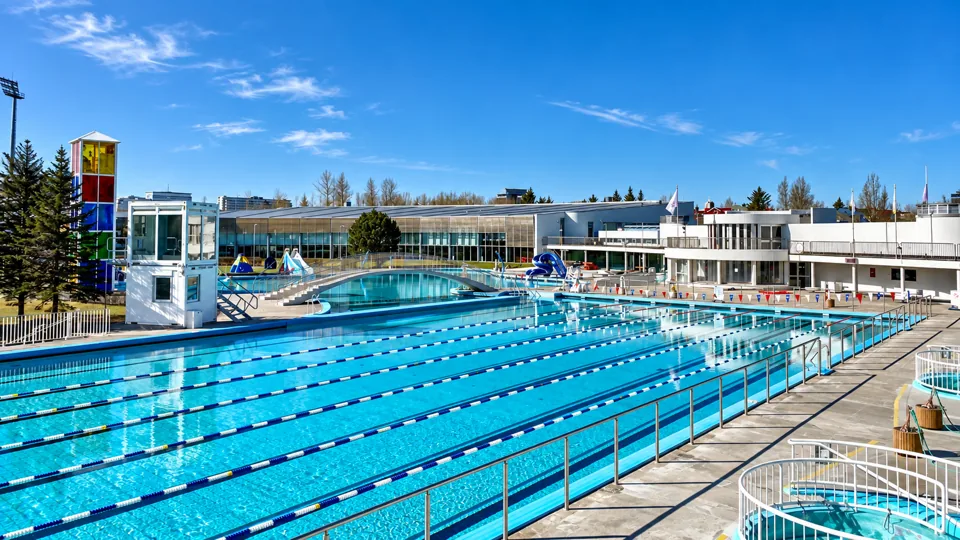
Public pools, hot pots, and geothermal bathing spots are part of daily life in Iceland, and the rules are stricter than most visitors expect. Before you enter any public pool, shower without a swimsuit. A hot pot is an outdoor tub of heated water, and under national rules, hot pots at public facilities stay within a set temperature range. Once you know that, the rest of the etiquette follows: wash first, keep your voice low in the hot pots, and say hello when you step in.
National regulation sets the baseline for most facilities, and each municipality adds its own house rules. The sections below cover washing, water safety, hot pot behavior, what to bring, and 2026 admission prices at the Reykjavík pools.
Washing before you swim
The national pool regulation, Regulation 814/2010, requires guests to wash without swimwear before they enter a pool. Ísafjarðarbær’s pool rules say the same thing and add that swimwear must be clean. The regulation’s pool text does not spell out hot pots, so wash before you step into a hot pot the same way you would before a pool. Showering first is the expected behavior at the pools and hot pots you will visit, and it keeps the water in better condition for everyone else.
Shower without a swimsuit. Wearing one in the shower is not allowed, so put your suit on after you rinse off and carry it to the pool area. Showers are separated by sex. Nudity is normal in showers and locker rooms, and swimwear is for the water.
Soap must be available in the bathing area, but the regulation does not require you to use it. The official handbook on pools and bathing places says that washing thoroughly with soap before entering greatly reduces bound chlorine, the compounds that form when chlorine reacts with substances that swimmers bring into the water. The handbook treats bound chlorine above 1.0 mg/l as undesirable. In practice, use the soap, because that is the step that keeps the water clean.
Privacy depends on the facility. Plan on shared shower space at many pools. Private stalls are more common at spas and larger facilities. Attendants at large pools and lagoons may watch the shower area and remind guests of the washing rule, so the rule is enforced even where no one checks at every shower.
Shower water is capped at 43°C under current rules, and automatic mixers control it. Older rules allowed 55°C, so an older sign or guide may show that higher figure.
How pools keep the water clean
Each type of water has a set temperature range under current regulation. Swimming pools (sundlaugar) stay inside their own set range. Hot pots (setlaugar) stay within their own range. Cold tubs run cool, in a range set separately. In closed-circulation pools, operators heat the water before it goes into the pool, so the pool stays at its set range instead of drifting with the air.
Chlorine levels are low at Icelandic pools, and the washing rule is a large part of why. Operators must measure free chlorine, bound chlorine, and pH. They must also record water temperature and the results of microbial and chemical tests. Regulation also sets how often the water is renewed. The interval depends on the pool’s volume. Water temperature and pool type also count. Low chlorine levels depend on operators testing the water continuously and on guests washing before they swim.
Hot pots carry a specific health risk. Legionella bacteria grow in water between about 20°C and 50°C. They spread through spray from showers and hot tubs, and through ventilation exhaust. Legionella causes Legionnaires’ disease and Pontiac fever. Staphylococcus aureus, another bacterium, can also spread through hot pot and pool water. The handbook for pools and bathing places covers both organisms. Regulators can restrict the number of guests in a cold tub when bacteria counts repeatedly exceed the maximum values, which is one reason the operators test so often.
Hot pots must display their water temperature, depth, diving hazards, and slippery surfaces. A hot pot’s capacity is counted mainly by the number of seats, not by floor space.
Conduct in hot pots
Hot pots are social spaces. Say hello when you get in. The common Icelandic greetings are "hæ," which means hi, and "góðan daginn," which means good day. Talking with strangers is normal, but keep your voice low. A 2021 master’s thesis on swimming pool culture describes the hot pot as a gathering place where people talk, and the same thesis describes how strictly the washing rule was enforced in the past, with a "black book" system that barred repeat violators for a week after three offenses. Staring is considered rude in showers and changing areas.
Enforcement looks looser today. A commentary in Vísir says the washing rule is often ignored today without consequences. The piece is undated, so read it as a view of current attitudes only. Wash before entering anyway. The rule still reflects the norm, and the people around you will expect it.
Take your shoes off at the changing room entrance. Phones are generally restricted in changing rooms and showers, and on the pool deck at many facilities, so check the posted signs before you take your phone past the lockers.
Start in the cooler pots and work up to the hotter ones. The top of the hot pot range is 44°C, and that is a ceiling set by regulation, not a temperature for a first soak. Hot water dehydrates you, so drink water between soaks. If you have a medical condition or are pregnant, ask a doctor before you soak in very hot water.
Wild hot springs
Wild hot springs are natural hot water sources outside managed facilities, and their etiquette rests on custom more than on the pool regulation. The regulation excludes sea baths and natural pools. It is unclear whether a wild hot spring counts as a natural pool, so do not assume the regulation’s rules apply there. The practical norms are clear enough: change discreetly, leave no trace, and put a donation in the collection box if one is posted.
What to bring
Bring a swimsuit and carry it to the shower, since you wear it only in the water. Bring a towel, or rent one at the front desk. In Reykjavík, the City charges 860 ISK for a towel rental, which the price section below covers in full. A refillable water bottle is useful because hot pots dehydrate you. Some lockers require a coin or card deposit, so carry a small amount of cash or a card and ask at the desk when you check in.
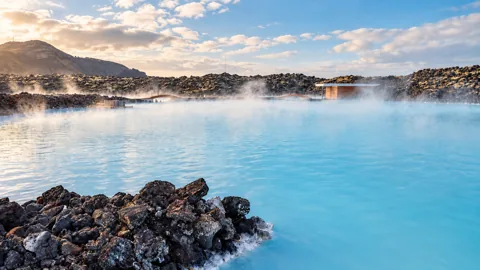
Pools in Reykjavík require a pool access card, and the City’s fee page says you must present it at every visit. Public pools in Iceland usually do not take advance bookings, so you pay at the entrance. The Blue Lagoon is different, and you should book it ahead of your visit.
What Reykjavík pools charge in 2026
The City of Reykjavík approved its 2026 pool fee schedule in April 2026, and it took effect on 5 May 2026. Check the City’s pool pages before you travel, since prices and terms change.
| Item | Price |
|---|---|
| Adult single admission | 1,500 ISK |
| Children 0 to 9, with a guardian | Free |
| Children 10 to 17 | 400 ISK |
| Swimwear rental | 1,270 ISK |
| Towel rental | 860 ISK |
| Package (swim, towel, and swimsuit) | 2,770 ISK |
| Adult 10-visit pass | 7,000 ISK |
| Annual fee for TR disability card holders | 0 ISK |
Confirm the package price with the City before you pay. The 2026 schedule lists seniors only under monthly and annual subscriptions. Do not assume free single admission for seniors. If that affects your trip, ask the City before you arrive.
The Reykjavík city tourist card terms, dated December 2023, cover eight Reykjavík pools, including Laugardalslaug, Sundhöll Reykjavíkur, and Vesturbæjarlaug. Confirm that the current terms still apply before you rely on the card for pool entry.
Rules to follow
- Shower without your swimsuit before every swim: The national pool regulation and municipal rules both require it, and the swimsuit goes on only after you rinse off.
- Use the soap even though it is not mandatory: Soap is available in the bathing area, and the national handbook links thorough soap washing to lower levels of bound chlorine.
- Expect shower water at or below 43°C: Under current rules, automatic mixers cap shower temperature. Older signs may still show the outdated 55°C figure.
- Ease into hot pots from the cooler end of the range: Hot pots run up to 44°C, so start cooler, drink water, and keep your voice low.
- Confirm Reykjavík prices with the City before you go: The 2026 schedule sets the adult admission at 1,500 ISK, and it does not confirm free single admission for seniors.