Getting Around the Philippines

The Philippines is an archipelago, so a single trip often combines several kinds of transport: a bus on Luzon, a ferry across the Visayas, a plane when time matters, and an app-booked ride in the city. Buses cover most overland routes from Manila, and ferries handle long sea crossings. Trains run only a few short regional routes, and the Manila to Bicol service is suspended. Ride-hailing apps fill the remaining gaps in cities.
Costs are in Philippine pesos (?). Fares and schedules change, so check each section’s source before you travel.
Which Mode Fits Which Trip
The table summarizes the routes with the clearest published figures. Details and booking notes follow in each section.
| Trip | Best option | Typical cost | Journey time |
|---|---|---|---|
| Metro Manila to Baguio | Victory Liner or Ceres bus | Regular seats from ?485; First Class ?800 and up | About 5 to 7 hours |
| Manila to Bicol (Naga, Legazpi) | Bus (the Manila to Bicol train is suspended) | Check with the bus company | Check with the bus company |
| Manila to Cebu | 2GO ferry | From ?1,367 | About 22 hours |
| Manila to Tagbilaran, Bohol | 2GO ferry | ?3,450.18 to ?3,880.49 | About 33 hours |
| Cebu to Tagbilaran | Fast ferry (OceanJet or SuperCat) | About ?1,000 to ?1,560 | About 2 hours |
| Naga to Legazpi | PNR commuter train | ?15 to ?155 (January 2024 fares) | Over 3 hours |
| Within a city | Ride-hailing | Fixed pick-up fare plus per-kilometer rate | Depends on traffic |
As a rule of thumb, use buses for road-connected destinations on Luzon, ferries for island hops and for travelers who want to see the sea lanes, and flights when the ferry would take a day or more. Use ride-hailing for short urban trips and for reaching terminals and piers.
Trains on Luzon
The Philippine National Railways (PNR) runs the country’s only intercity rail network, and it is a minor option for most visitors. The services running in 2026 are San Pablo to Lucena and Naga to Lupi Viejo. The same guide lists Manila to Bicol as suspended and Tutuban to Alabang as closed for construction of the North-South Commuter Railway (NSCR). Closed stations include Alabang, Muntinlupa, San Pedro, Biñan, Santa Rosa, Cabuyao, Mamatid and Calamba. Trains serving Baao station in Camarines Sur were suspended on 10 November 2025, so confirm the day’s service at the station before building a Bicol itinerary around rail.
The Bicol commuter line is the one worth knowing about if it is operating when you arrive. In a January 2024 guide, four daily trips ran between Naga City and Legazpi City with 8 PNR stations and 8 flag stops in between. The ride takes over 3 hours one way, and fares ran from ?15 for the shortest leg to ?155 end to end. That price makes it a cheap way to see Bicol’s countryside, but the trip is slow, so it suits travelers with spare time.
PNR announces the morning schedule at 10 pm the previous day and the afternoon and evening schedules at 11 am on the day itself, so you cannot plan a rail day far in advance. PNR’s notice says train schedules may change without prior notice. Passengers must keep their tickets until they leave the destination station, and anyone without a valid ticket is charged the full route fare.
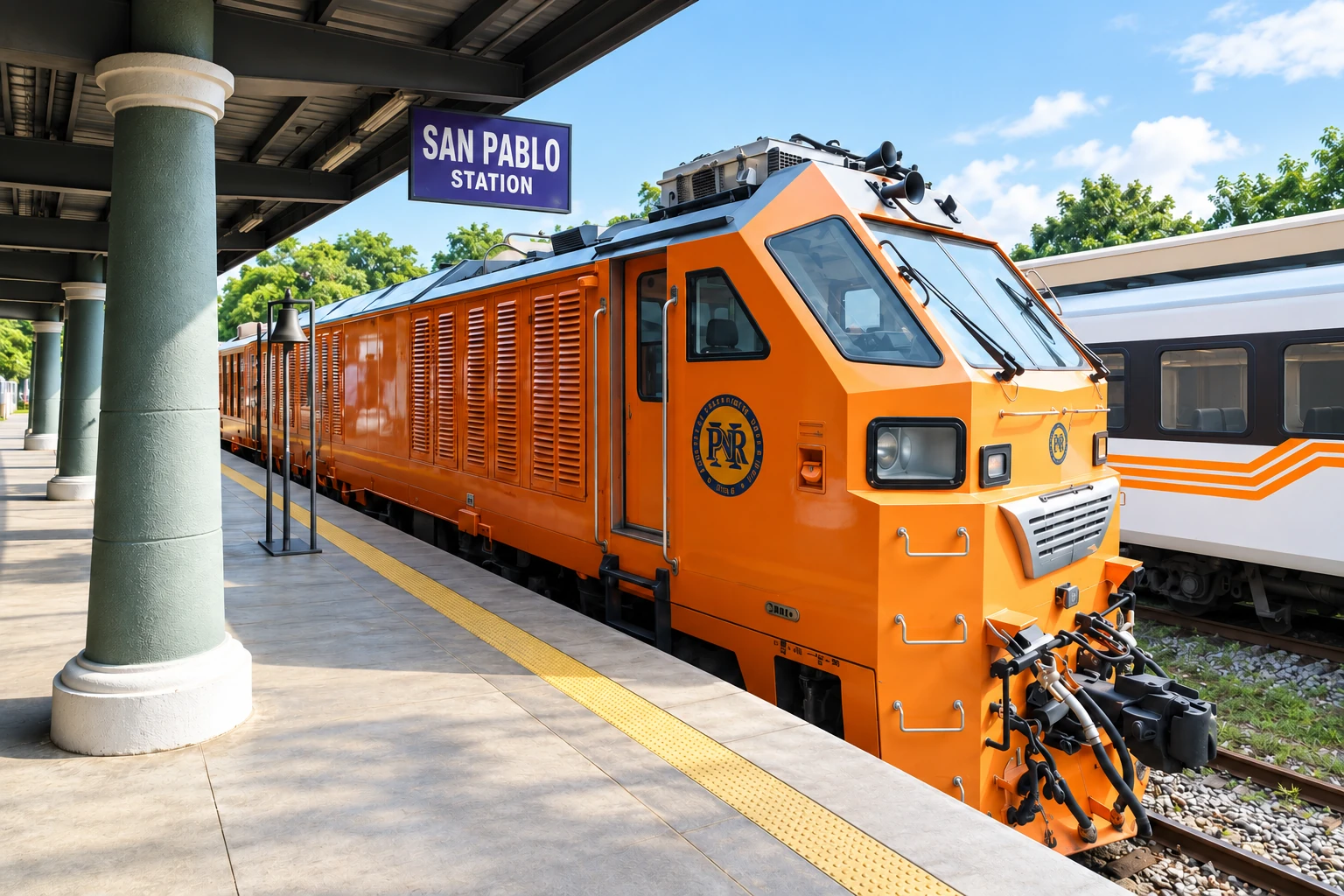
Tickets are sold at station booking offices and through the official Philippines Railways website, according to a train timetable site. The official PNR site, pnr.gov.ph, is active and carries current notices. PNR’s head office is the PNR Executive Building on Mayhaligue St. in Tondo, Manila.
Buses to Baguio and the North
Buses are the workhorse of Luzon travel. Victory Liner, a major operator for northern Luzon, runs daily departures on all its routes and leaves Metro Manila from terminals in Cubao, Pasay, Sampaloc, Kamias, Caloocan and Monumento. The Cubao terminal is at 651 EDSA and the Sampaloc terminal is at 551 M. Earnshaw St.
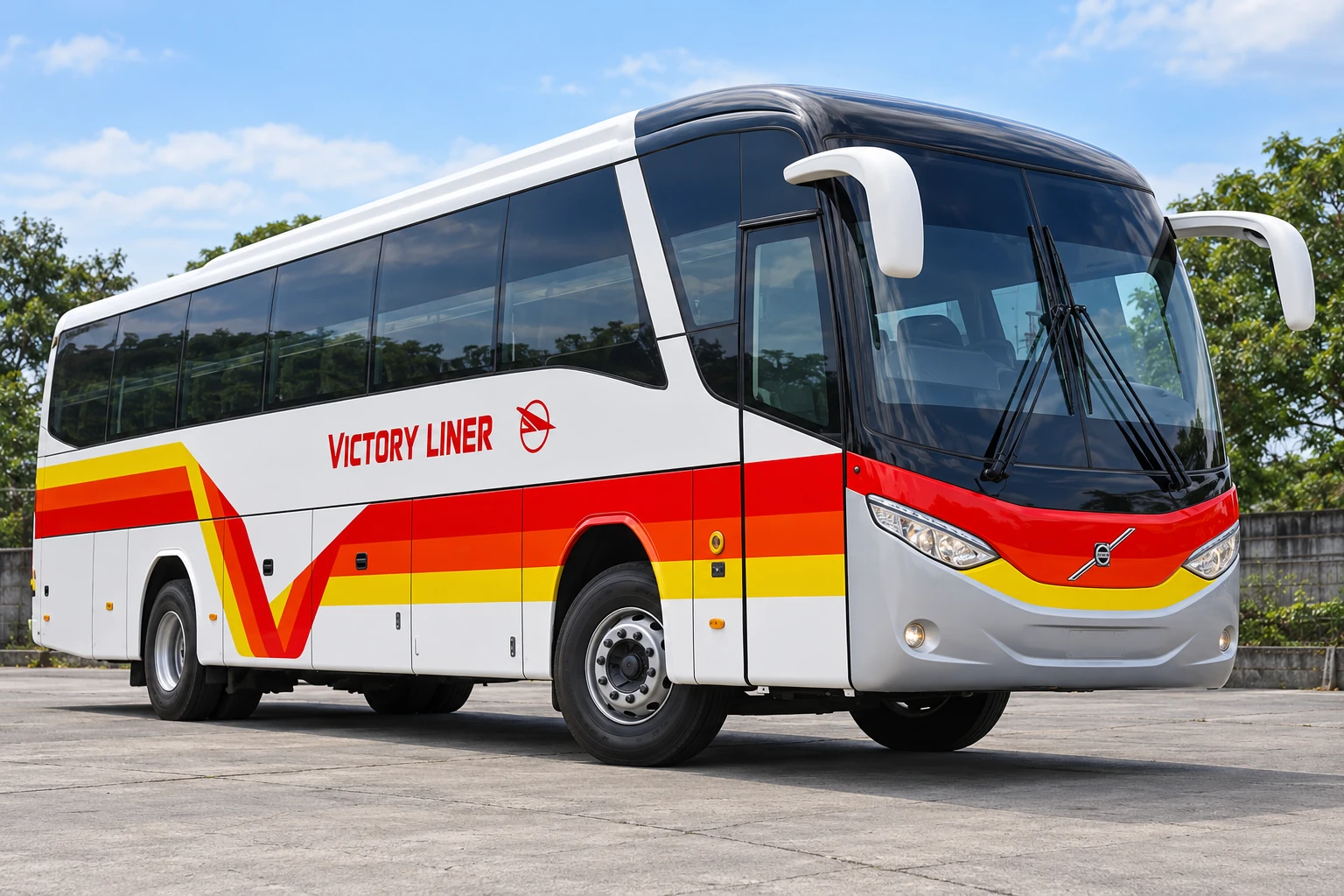
Manila to Baguio is the standard mountain trip, and it takes about 5 to 7 hours. One booking platform lists a trip time of 6 hours 8 minutes, with an earliest departure at 18:00. Pasay to Baguio regular departures are listed at 4:00 AM, 6:00 AM, 8:00 AM, 10:00 AM, 12:00 noon, 3:00 PM, 11:00 PM and 3:00 AM, according to a Victory Liner schedule page. Overnight departures let you arrive in the morning, while daytime departures let you see the route.
Regular air-conditioned seats cost ?485 from Cubao, ?487 from Sampaloc and ?496 from Pasay on that same page, and First Class is ?800 from Cubao and Pasay. A bus fare table lists higher tiers, with regular seats from ?743. It also warns that online booking may include convenience fees. Victory Liner’s Royal Class 180-degree sleeper seats are listed at ?500 to ?1,546 from Manila to Baguio. Fares range widely, so check the live price for your date and class before you choose.
Child, student, senior and PWD (person with disability) discounts of 20% apply only to tickets bought at the bus terminal and not to online bookings, per Victory Liner’s listing. Eligible travelers save money by buying at the counter. Bookings are also available at Victory Liner’s terminal booking page.
Buses to the Visayas and Bicol
Ceres Liner covers Cebu, the Visayas and Mindanao, and its site says booking goes through partner platforms. A listed Manila (Araneta) to Antique trip leaves at 9:00 AM, takes 12 to 14 hours and starts at ?800 or more. Ceres describes a regular air-conditioned bus with 38+1 seats in a 2×2 layout and a TV. Long bus legs like this one include ferry crossings, so a full day on the road is the expectation.

For Bicol, bus companies list service to Naga and Legazpi, and one fare site offers booking for both. With the Manila to Bicol train suspended, the bus is the dependable choice. Check fares and times with the operator or booking platform for your travel date.
Domestic Flights
Flying is the choice when the ferry alternative runs a day or more, such as Manila to Cebu at about 22 hours by sea. Cebu Pacific’s help center sets the rules for domestic travel.
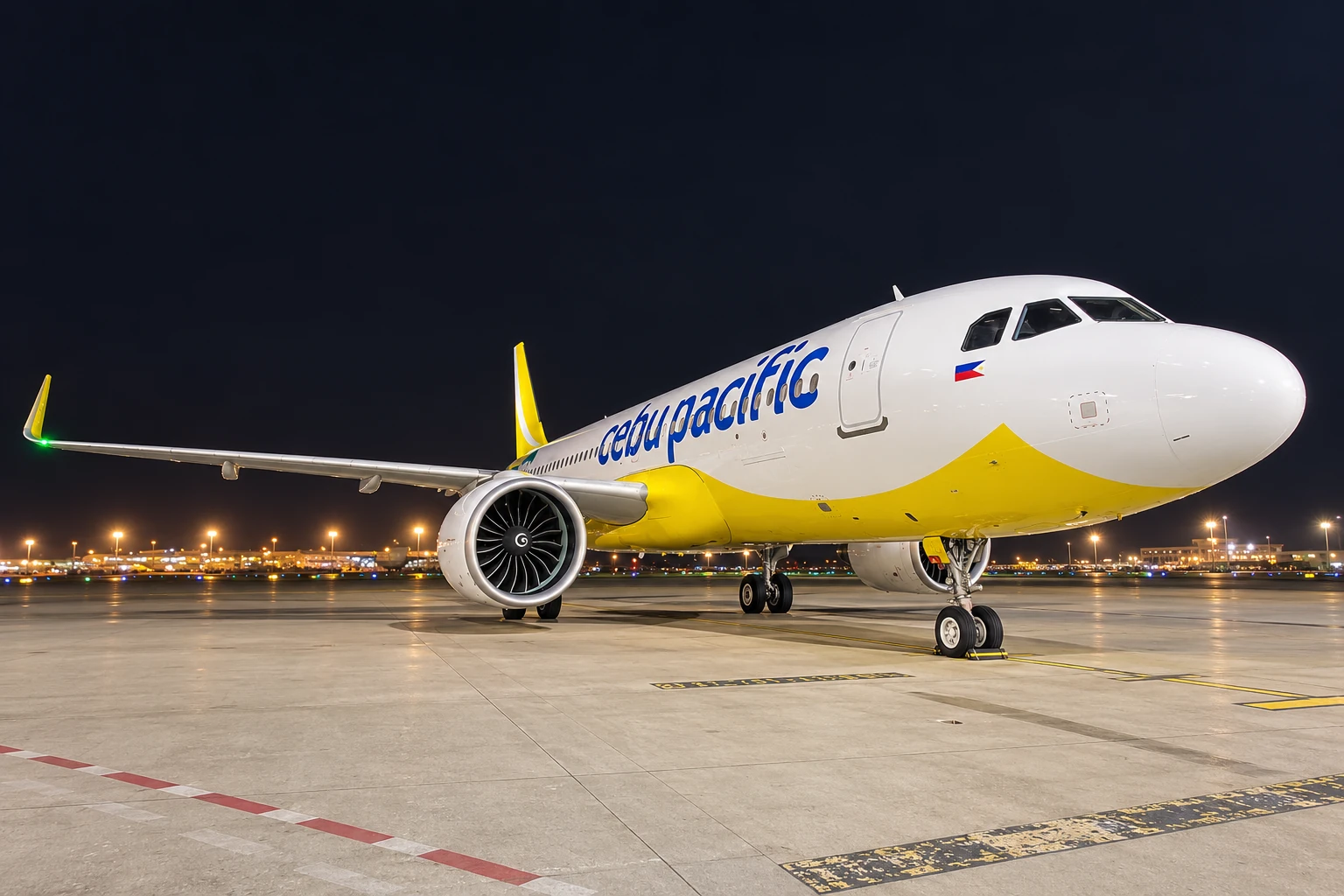
Online check-in is the default, and passengers who cannot check in online can use airport counters. According to Cebu Pacific’s domestic travel guide, counters close 45 minutes before departure for domestic flights. The guide advises arriving three hours early during heavy holiday traffic and at least two hours early for Manila departures. The Cebu Pacific app handles check-in and provides a digital boarding pass.
Documents depend on citizenship. Foreign nationals need a passport valid at least six months from the date of travel, a boarding pass or itinerary receipt, and any required visa. Filipino citizens need a valid ID plus the boarding pass or receipt. Digital IDs are generally not accepted, though the Philippine National ID through the eGovPH app is valid.
Baggage rules decide the real cost of a cheap fare. Cebu Pacific’s baggage guidelines set the hand-carry size at 56 cm × 36 cm × 23 cm and the under-seat personal item at 20 cm × 20 cm × 35 cm. The GO Easy and GO Flexi fares include one 20 kg checked piece, while GO Basic includes no checked bag. A prepaid 20 kg domestic bag costs ?1,000. Prepaid excess is ?700 per 4 kg. CEB Special Baggage is ?2,000 domestic. Bags over 7 kg are checked in, with applicable fees.

You can add or upgrade bags in Manage Booking up to two hours before the flight, and changes are not allowed after that. Up to three extra pieces can be bought through the app or website. Sports equipment and musical instruments require CEB Special Baggage, which is bought in the mobile app. Anyone traveling with more than a carry-on should prepay bags online.
Ferries Between Islands
Ferries link Luzon to the Visayas and Mindanao on multi-day schedules and connect nearby islands in hours. They are the cheapest way to travel long distances with luggage, but schedules are fixed by weekday, so build the itinerary around them.
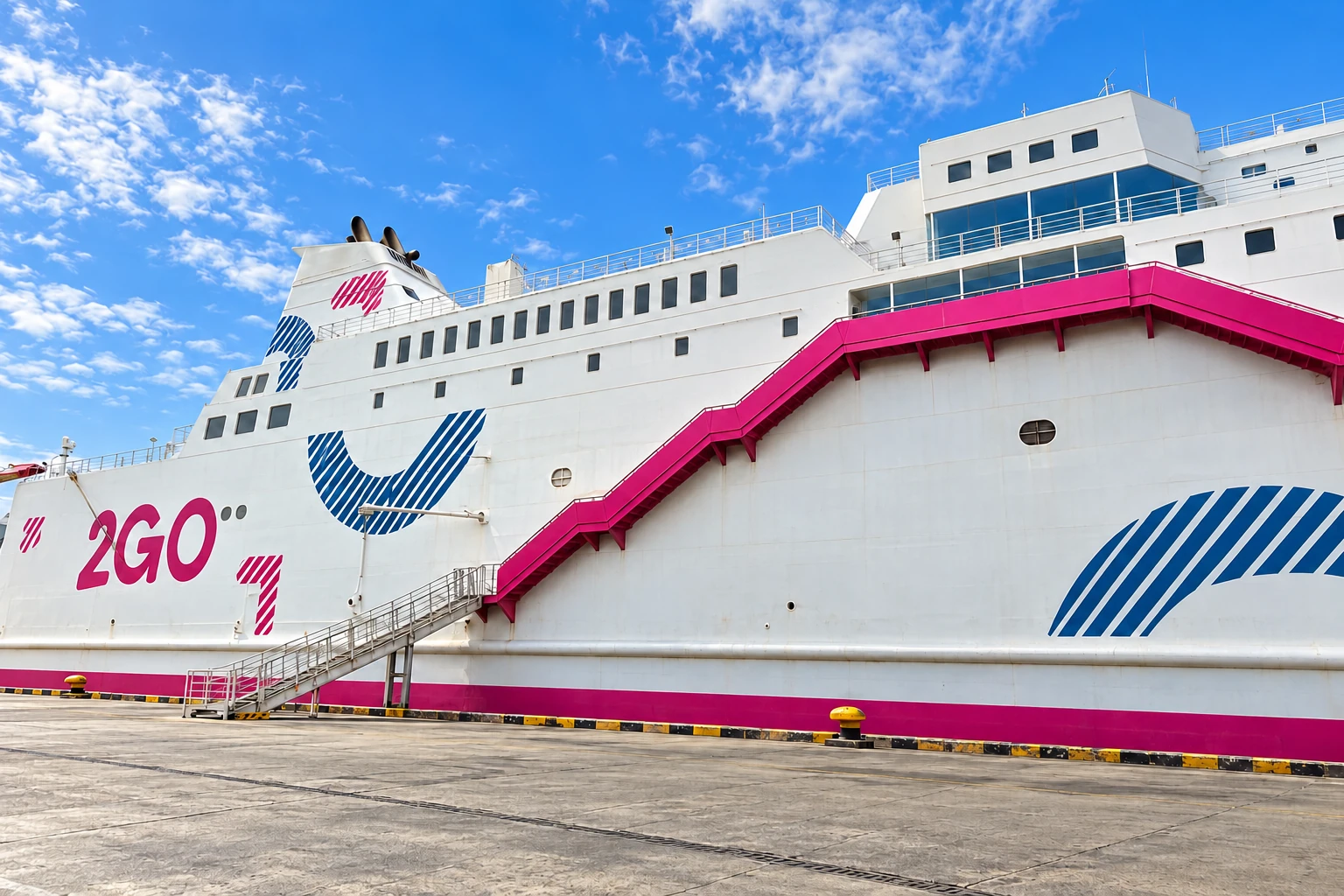
On the Manila to Cebu route, the 2GO ferry takes about 22 hours, with fares from ?1,367 and departures at 19:00 on Monday, Wednesday, Friday and Sunday, per the 2026 schedule.
Manila to Tagbilaran, Bohol. The 2GO sailing takes about 33 hours and runs weekly, leaving Manila on Friday at 4:30 PM. Fares run from ?3,450.18 to ?3,880.49 depending on accommodation. Children, senior citizens and persons with disabilities generally receive a discount.
Cebu to Tagbilaran. Fast craft run by OceanJet or SuperCat leave from Cebu Pier 1 and take about 2 hours. Fares are roughly ?1,000 to ?1,560 (2026), and a tourism guide reports well over a dozen daily departures starting early in the morning. Morning sailings generally have the calmest seas.

For booking, 2GO’s canonical domain is 2goticket.ph, which sells tickets to Cebu, Bacolod, Iloilo, Boracay, Coron and more. 2goonlinebooking.ph is another 2GO booking site. Booking directly with 2GO shows cabin availability more clearly. OceanJet’s own schedule pages are useful for times, though its online checkout is described as less convenient than aggregator sites. Resellers include PH Bus and PHFerry; PHFerry compares fares from more than ten operators. Fares vary by accommodation type and schedules are subject to change without notice, so recheck the departure the day before sailing.
Ride-Hailing and Motorcycle Taxis
Ride-hailing is the easiest way to get around in cities. The Philippine term is TNVS, for transport network vehicle service, meaning app-based car services such as Grab, JoyRide and InDrive. The regulator is the Land Transportation Franchising and Regulatory Board (LTFRB).
The LTFRB revived a fixed pick-up fare under Memorandum Circular 2026-059, reported on 21 July 2026. The fare covers rides within five kilometers of the passenger’s pick-up point. For that distance the reported totals are ?120 for a hatchback and ?130 for a sedan. Premium TNVS is reported at ?289. Per-kilometer rates are ?24 for subcompact hatchbacks, ?26 for sedans, ?29 for AUV/SUV and ?58 for Premium TNVS.
The rules also protect riders from add-on charges. Operators must show the pick-up fare separately before booking confirmation. They must also show the total fare before the ride is accepted. The receipt must list the pick-up fare as a separate line. All pick-up fare proceeds go to the driver, and operators may not charge separate pick-up, booking or convenience fees. They also may not collect service fees or platform surcharges unless the Board approves them. If a receipt shows an extra booking fee, it falls outside these rules. The LTFRB cited slow travel times on major Metro Manila roads and rising driver operating costs as its reasons.
The LTFRB has issued temporary rules for holidays before. A pick-up fare under MC 2025-058 ran from 20 December 2025 to 4 January 2026, and a separate memorandum cut the surge pricing cap by 50% until that same January date. Travelers over Christmas should check the app’s fare display for the current rules.
App-based motorcycle taxis are the other option for short trips. Drivers need a Professional DL Code A license and a Motorcycle Taxi Training Certificate, and the operator needs an LTFRB-issued Certificate of Public Convenience, according to a licensing guide. For riders, the practical point is that the operator must be authorized, so stick to the established apps.
Renting a Car Versus Using Apps
The LTFRB’s own reason for restoring the pick-up fare was slow travel times on major Metro Manila roads, and that same congestion applies to anyone driving a rental car there. Inside Metro Manila, the per-kilometer rates above (?24 to ?29 for most vehicle types) cover a driver and a vehicle without parking or navigation decisions, so apps are the simpler choice. A rental car fits trips outside the city, where you want to stop at your own pace and apps are harder to find.
Before committing to a rental, get a written quote from the rental company covering the daily rate, insurance and any driver requirements, and compare it with the per-kilometer cost of your planned distance. A car with a hired driver is a common alternative to self-driving, and the same quote comparison applies.
Where to Book Each Trip
Book ferries directly with the operator when you can, since booking directly with 2GO shows cabin availability most clearly. For buses, buy at the terminal if you qualify for the 20% discount and online for the convenience of a fixed seat, remembering that online booking may add fees. For flights, prepay baggage in the app rather than paying at the airport.
Check train times the day before and ferry times before heading to the pier. Operators state that schedules may change without notice, and aggregator sites often show different prices than the operator itself.
Quick Summary
- Use buses for Luzon and ferries for long sea routes. Manila to Baguio takes about 5 to 7 hours by bus from ?485, and Manila to Cebu takes about 22 hours by ferry from ?1,367.
- Skip the train for Manila to Bicol. That service is suspended, and only short runs such as Naga to Lupi Viejo and San Pablo to Lucena are listed as operating.
- Prepay baggage for flights. A prepaid 20 kg domestic bag with Cebu Pacific costs ?1,000, and check-in counters close 45 minutes before departure.
- Expect capped ride-hailing fares. Under MC 2026-059, pick-up fares apply within 5 km and operators cannot add booking or convenience fees.
- Recheck every schedule before you go. Train, ferry and bus operators change times without notice, and booking directly gives the most accurate availability.