Philippines Travel Costs: Daily Budgets, Fares and Sight Fees for a First Trip
A trip to the Philippines is fairly affordable if you stay in hostels, eat at local canteens and use public transport in Manila. Mid-range travelers who want a private air-conditioned room and sit-down restaurant meals should budget considerably more, based on the Philippines Tourism cost guide. Prices climb on resort islands such as Boracay and wherever you need a boat. The country has thousands of islands, and many sights need a ferry, a flight or a chartered boat to reach.
Amounts below are in Philippine pesos (?), with US dollar figures where the source gives them. Each figure carries its date where one exists. Fares, airport fees and sight fees have changed in the past two years, so confirm the ones that matter most to your itinerary shortly before you book.
Entry rules and fixed costs before you land
Most first-time visitors pay nothing for a visa. The Philippine consulate in Kuwait lists 157 countries whose citizens can enter without one for tourism. Most of them get 30 days, including the US, UK, Canada, Australia, Japan, Germany, France, South Korea, Singapore, Thailand and Malaysia. Brazil and Israel get 59 days. Hong Kong SAR and Macau SAR passport holders get 14 days, and some Indian nationals who meet specific conditions also get 14. Hong Kong British passport holders and certain Mainland Chinese tourists holding a valid visa from Australia, Japan, Canada, a Schengen country or the US get 7 days. Nationalities missing from the list must apply for a visa before travel.
Three more requirements apply. According to the Philippine consulate in Lisbon, your passport must be valid for six months beyond your departure date, you must hold a return or onward ticket, and you must complete the free eTravel registration at least 72 hours before arrival. The eTravel QR code (a scannable confirmation) is checked before you board your flight. The government’s eVisaPH policy page adds that immigration officers at the port of entry make the final decision on admission, so keep your onward ticket and accommodation details handy.
If you want to stay beyond 30 days, the Lisbon page says visa-free visitors can extend at a Bureau of Immigration office inside the country. Extension fees are not covered here, so confirm them with the Bureau of Immigration before you plan a long stay.
Airport fees are the other fixed cost. Ninoy Aquino International Airport (NAIA) in Manila has been privately run since September 14, 2025, and terminal fees rose to ?950 per international departure, up from ?550, and ?390 per domestic departure, up from ?200. The Civil Aviation Authority of the Philippines (CAAP) set national domestic passenger service charges in a memorandum dated April 4, 2025. According to Gulf News, the charge is ?350 at international airports, ?300 at Principal Class 1 airports, ?200 at Principal Class 2 airports and ?100 at community airports, while the international charge rose from ?700 to ?900. Full-service airlines usually fold these charges into the ticket. Budget carriers may leave them out and add them at booking, and the fee is paid once per departing trip. Look under "Taxes and Fees" on your itinerary before you pay anything at the counter, as Globe’s travel guide advises.
Daily budgets at three comfort levels
The Philippines Tourism guide (2026) gives all-in daily totals by destination. Budget travel costs less in cities like Manila and Cebu City than on resort islands such as Boracay, and a mid-range day costs well above a budget day.
The category figures below come from several different sources so treat the table as the shape of a day rather than an exact total.
| Category | Budget | Mid-range | Comfort |
|---|---|---|---|
| Lodging per night | Hostel dorm bed | Air-conditioned private room | Resort-tier stay |
| Food per day | Canteen and street meals for all meals and snacks | Mains from about ?150, depending on whether the restaurant is local or tourist-oriented | One tasting menu at a Michelin restaurant |
| Local transport | Jeepney, ?14 minimum | Taxi, ?115 flag-down at the airport | Taxis and private transfers |
| Sights | Free National Museum; underground river permit, ?175 to ?250 | Underground river full park fee about ?735 plus boat | Packaged underground river tour, priced per person |
A comfort-level day has no published all-in figure, but the parts add up quickly. A resort room plus a tasting menu pushes the day well past mid-range before transport, drinks or activities. Travelers who want a resort room and good restaurants but not a tasting menu land between mid-range and that level.
What lodging costs in practice
Dorm beds are the cheapest option. HostelHound’s November 2026 snapshot lists starting dorm prices of $5 in Cebu, Manila and Coron, $4 in Panglao, $6 in Puerto Princesa and El Nido, and $7 in Boracay. In Siargao, dorm beds range from $6 to $39 across 72 hostels over the next three months, with about $7 as the cheapest typical date. Those are starting prices for the least expensive dates, so expect more in high season. Travel Around the Philippines lists named hostels at higher rates that include breakfast: Z Hostel Manila from $22, a Mactan 10-bed dorm at Transit Point Hostel for $16, and Red Picnic Hostel in Panglao from $18. The same list puts a Mad Monkey Siargao shared room at about $21, varying by season.
For private rooms, Singastay puts mid-range hotels in Manila from about $29 and places resort-tier stays above the mid-range band. Boracay, El Nido and other resort areas sit toward the top of whatever band you are shopping in.
Food costs and tipping
Food is the easiest part of the budget to control. A carinderia, a local canteen where you point at dishes in trays and get rice with them, charges up to ?150 for rice plus one ulam (a main dish), according to Travel80. Thingstodomanila gives the same ?150 ceiling for carinderia lunches. Street food costs less still. Isaw (grilled chicken intestine) or kwek-kwek (battered quail eggs) go for ?10 to ?20 each, and skewers run from a few pesos to about ?30. In Davao, a night-market meal of three or four skewers plus rice stays cheap, LiveDavao reported in early 2026.

A budget traveler can cover all meals and snacks cheaply, and even more cheaply by living on street food alone, according to Travelstar360. Most travelers spend under $15 a day on food, and three meals from carinderias and street stalls cost far less, says the Philippines Tourism food guide.
Sit-down restaurants cost more. Travel80 lists main courses from about ?300, silog breakfasts (garlic fried rice with egg and a meat) from ?100, halo-halo (shaved ice dessert) at up to ?200, and a San Miguel beer in a bar at ?100 to ?200. Business districts, Boracay and the Palawan resort areas run higher. A Jollibee Chickenjoy meal costs about ?200 or less per the Philippines Tourism guide, which makes fast food a middle step between a canteen and a restaurant. Local restaurant mains cost ?150 to ?350, while tourist-area mains start around ?300.
At the top end, Thingstodomanila lists Metro Manila one- and two-star Michelin restaurants, including one-star tasting menus priced far above any canteen meal. These are splurge meals, not a daily expense.
Many sit-down restaurants add a 10% service charge to the bill, and when that appears, an additional tip is not expected. Carinderias and street stalls do not expect tips either, according to Thingstodomanila and Travel80. Check the bill for the service line before adding anything.
Getting around: jeepneys, taxis, flights and ferries
City transport is cheap, and the cost that surprises people is the island hop. Jeepneys are the standard shared minibuses. The Land Transportation Franchising and Regulatory Board (LTFRB) set new fares, and the Department of Transportation approved them in a memorandum dated September 25, 2026, GMA News reported. Traditional jeepneys now have a ?14 minimum fare, up from ?13, with ?2 for each additional kilometer, up from ?1.80. Modern jeepneys charge ?17 for the first four kilometers, up from ?15, and ?2.40 per additional kilometer, up from ?2.20. The new fares took effect on September 28, 2026 (Bombo Radyo and Abante). Abante also reports an ordinary provincial bus fare of ?12 for the first five kilometers and an airport taxi flag-down of ?115 for the first 500 meters, up from ?75.
That flag-down rate is a useful comparison. A short jeepney ride costs ?14 to ?17, while the first 500 meters in an airport taxi costs ?115, so a traveler who takes jeepneys for routine city trips and saves taxis for luggage-heavy or late-night moves keeps transport spending well below ?200 on most days.
Ferries are priced by fare class. The SuperCat fare matrix, effective July 11, 2026, is published by 2GO Bus and Ferries. Cebu to Ormoc costs ?1,210 regular in economy and ?1,650 in business. Batangas to Calapan costs ?660 regular in economy. Student, senior and disabled-passenger discounts exist on both routes but require valid IDs. Terminal fees, port charges and fuel surcharges are usually added at the counter. The August 25, 2026 schedule shows Cebu to Ormoc departures at 9:00 AM and 12:30 PM each way. Batangas to Calapan departures are at 9:30 AM, 1:30 PM and 5:30 PM. The return trip leaves Calapan at 7:30 AM, 11:30 AM and 3:30 PM. Arrive at least an hour before departure.
Remote destinations add several small payments on top of the main fare. The Puerto Princesa Underground River is the clearest example, covered in the next section: a tricycle (motorized three-wheeler), a jeepney or van, and a pump boat each take a bite before you reach the park. Budget for at least three separate transport payments on any trip to a sight that is not in a city center.
Sights: a free museum and the underground river
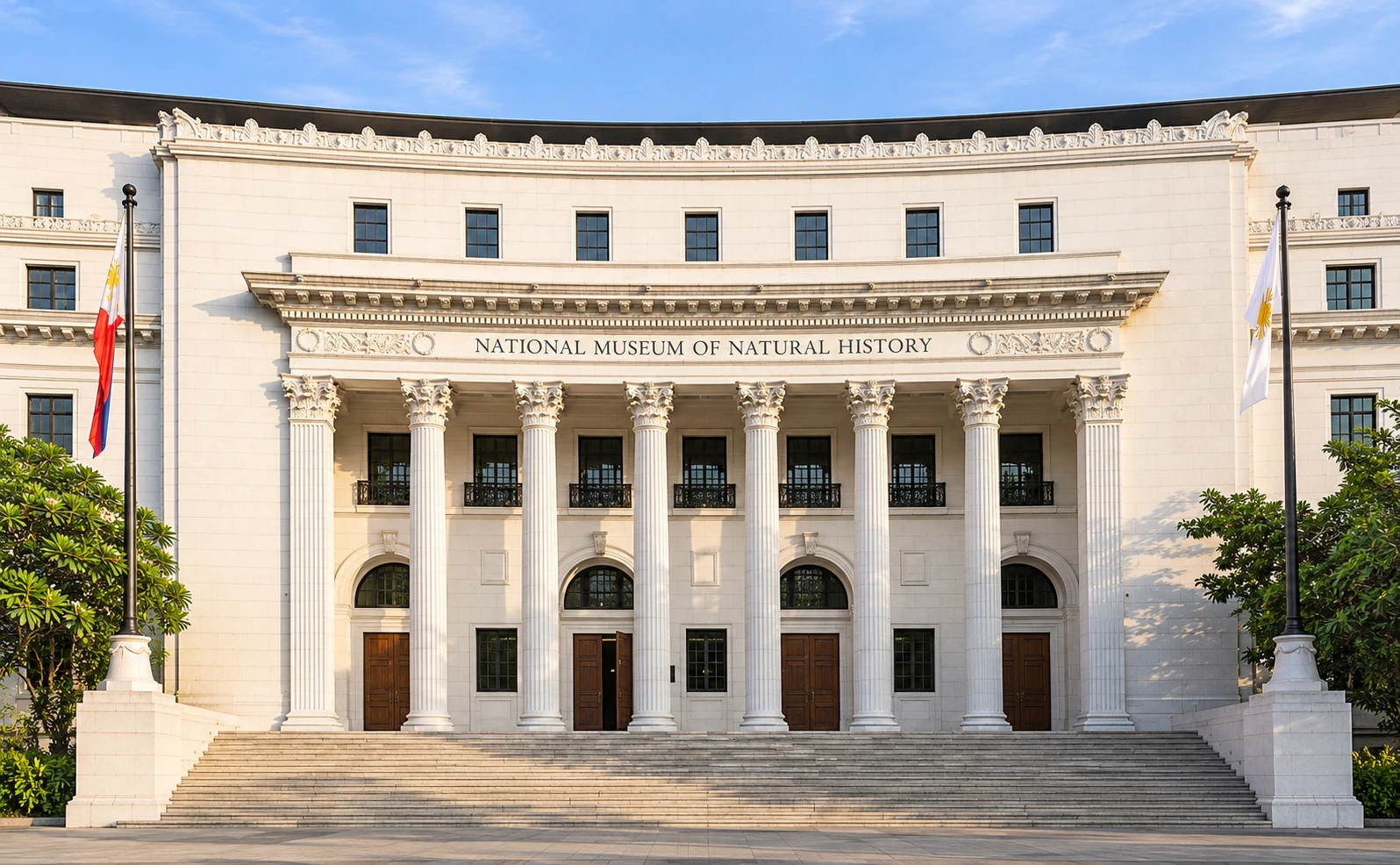
Manila’s National Museum Central Complex, which houses the National Museum of Fine Arts, Anthropology and Natural History, charges no admission and welcomes walk-ins. It is open daily from 9:00 AM to 6:00 PM except on selected religious holidays, and the visitor guidelines ask you to arrive at least 30 minutes before closing. Groups of 20 or more must book through the museum’s website at least three working days ahead, and same-day group bookings are not accepted. Food, beverages, disposable water bottles, umbrellas and tripods go to the baggage counters, and photography without flash is allowed. The Beat Asia reported that daily opening and free admission began in January 2025. With three museums in one complex, it fills half a day at no cost.
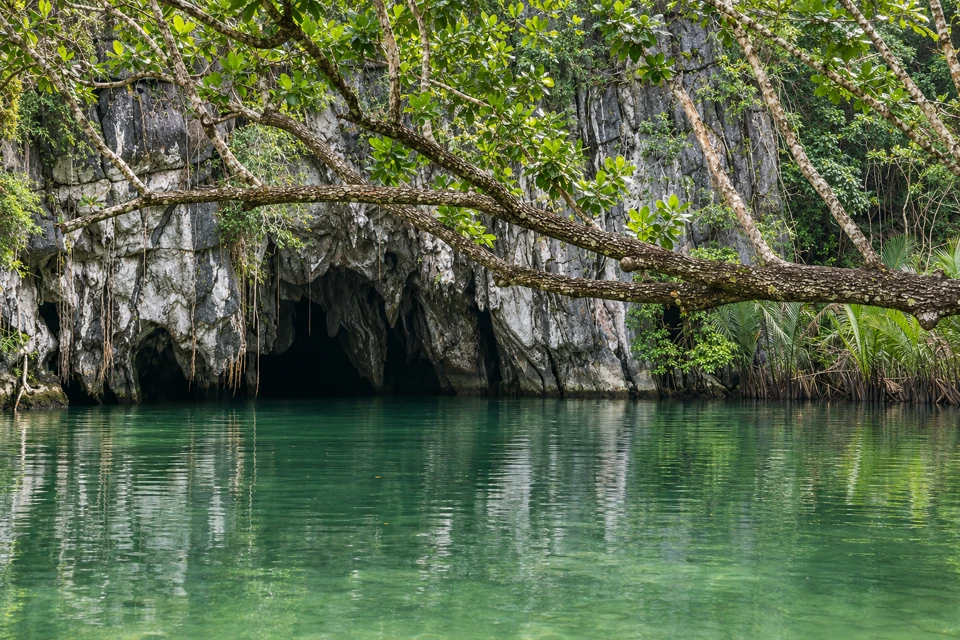
The Puerto Princesa Underground River in Palawan is the most expensive sight most first-time visitors plan around. Its total cost depends on how you put the trip together. The City Tourism office of Puerto Princesa lists entry permits at ?175 to ?250, sold at the booking office on the ground floor of the City Coliseum in Barangay San Pedro. The page states a "No permit no entry policy is strictly implemented." It carries no fee-schedule date, so confirm current rates before you go. An operator’s site lists tickets from ?250 for foreign adults, excluding the audio guide and boat, and gives hours of 8:00 to 17:00 daily.

LakbayPinas, updated in August 2026, breaks the adult park fee into ?500 entrance, ?150 environmental fee and ?85 audio guide, a total of ?735 before the pump boat. The permit price on the city page and the ?735 figure measure different things, so treat ?735 as the planning number for a complete adult visit and the city page as the permit price you pay at the booking office.
The official page also itemizes the trip from the city. A tricycle from the airport to the Irawan terminal costs ?150 or more (three passengers). From Irawan to Sabang, a jeepney (6:00 AM to 2:00 PM) or shuttle van (6:00 AM to 4:00 PM) costs ?150 or more per person. The ride takes one to two hours. A pump boat from Sabang Wharf to the park costs ?700 or more per boat and holds six people. The crossing takes about 20 minutes. Splitting the boat six ways brings it to about ?117 each. If you prefer a single payment, a packaged tour from the city costs more per person but includes transfer and lunch, according to Nasha Planeta. Doing it yourself costs less if you share the tricycle and boat, and the tour saves effort if you are traveling alone.
Ways to save
Food offers the biggest savings: eating at carinderias and street stalls cuts a restaurant-heavy day by several hundred pesos, since a canteen plate costs a fraction of a restaurant main. Location also changes prices. The Philippines Tourism guide describes Bohol’s inland carinderias as having fairer prices than the beach-resort strips, so walking a few blocks inland on any island lowers the bill. LiveDavao reports that Davao runs about 20% below Manila on food prices, citing Numbeo, and says a home-cooked meal there costs even less if your accommodation has a kitchen and you shop at a palengke (public market).
On lodging, dorms and fan rooms (rooms cooled by a fan rather than air conditioning) cost far less than air-conditioned private rooms, and dorms with breakfast included are often close to dorm-only prices. In cities, ride jeepneys instead of taxis, which means paying ?14 to ?17 rather than a ?115 flag-down. Spend one free day at the National Museum. Share pump boats and tricycles wherever the fare is per vehicle, since the underground river boat drops from ?700 or more to about ?117 per person at full capacity.
For flights, check the terminal fee at booking when using a budget airline, because it may appear as an add-on at checkout. Domestic fees range from ?100 at community airports to ?390 at NAIA, so a multi-island itinerary with several domestic hops adds up. Last, buy the underground river permit at the City Coliseum booking office, where the official ?175 to ?250 price applies, and bring cash for the small payments along the route.
Key Takeaways
- Budget travel costs far less than mid-range travel: Boracay, Siargao and other resort islands usually cost more than Manila.
- Budget separately for island transport: The Puerto Princesa Underground River needs a tricycle, a jeepney or van and a pump boat, and a full adult park visit comes to about ?735 before those costs.
- Eat at carinderias and walk inland on islands: A canteen plate costs a fraction of a restaurant main, and a 10% service charge already covers tipping at sit-down places.
- Check entry rules and terminal fees before booking: Visa-free stays are 30 days for most nationalities, but you need a passport valid six months past departure, an onward ticket and eTravel registration 72 hours ahead.
- Use free and shared options: The National Museum Central Complex is free daily, jeepneys cost ?14 to ?17 against a ?115 taxi flag-down, and sharing a boat or tricycle cuts the per-person price sharply.