Best Time to Visit Costa Rica
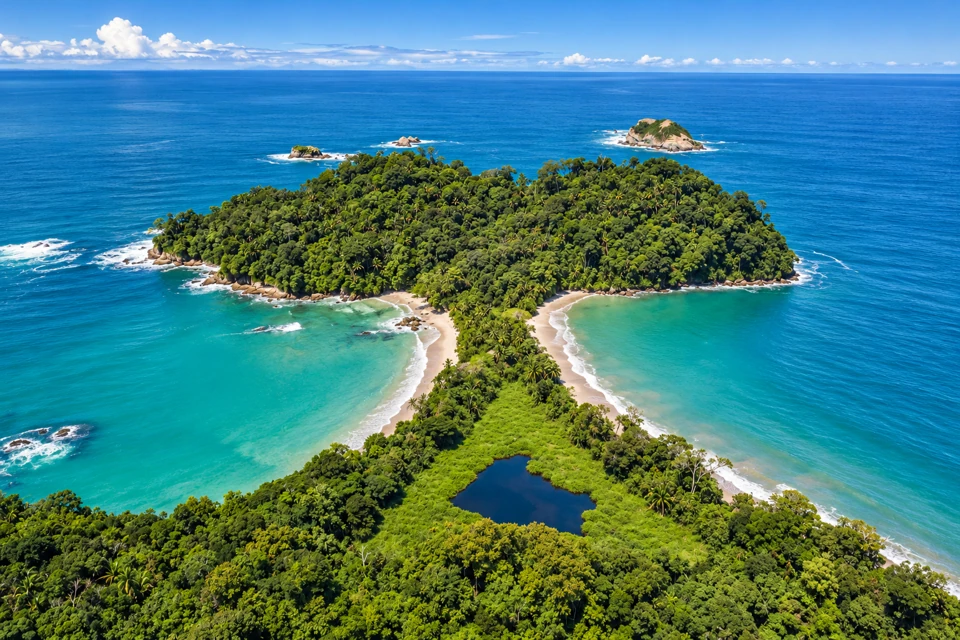
Costa Rica has two seasons, not four, and the season you get depends on which coast you visit. The Pacific side has a clear dry season from December to March, and its wettest months are September and October. The Caribbean side has no true dry season. The Instituto Meteorológico Nacional (IMN) lists its driest stretches as February to March and September to October. For most travelers, December through April brings the most reliable sunshine on the Pacific, along with the highest prices and the biggest crowds. The "green season," from May to November, is the rainy period. It brings lower prices and fewer visitors, with rain mostly in the afternoon.
Compare regions, months, festivals, holidays, park fees, and trip types to match your dates to what you want from the trip.
How Costa Rica’s Seasons Work
The dry season is called verano (summer) and the rainy season invierno (winter). Average annual rainfall is about 100 inches (250 cm), and humidity runs about 70–80%, highest in the rainy season. Temperatures vary more with elevation than with season: the coasts average 80–90°F, the inland areas and Central Valley 75–85°F, and highlands such as Monteverde 65–70°F. Dry-season days reach the mid-to-high 90s°F on the hot lowlands, while rainy-season averages sit at 75–80°F. The country gets about 2,000 hours of sunshine a year, most of it in the dry season.
The trade winds blow from the east or northeast all year and are strongest in the dry season, averaging up to about 30 km/h in February, according to the IMN’s study of the mid-year dry spell. The Pacific slope’s dry season starts first in the northwest and last in the southeast. The rains retreat in the reverse order, so the northwest dries out earliest and stays dry longest.
Tropical cyclone season runs from May to November. Cyclone systems help drive the heavy rain at the end of the Pacific rainy season.
| Region | Drier period | Wetter period | Main pattern |
|---|---|---|---|
| Pacific (Guanacaste, Central Pacific, South Pacific) | December to March (March driest and hottest) | May to October, peaking September and October | Afternoon and early-evening rain |
| Caribbean (Limón, Cahuita, Tortuguero area) | February to March and September to October | November to January (peak in December) and May to August | Rain mostly at night and in the morning |
| Central Valley and highlands | December to April in the valley | Green season | Clear, cool mornings and afternoon showers |
Pacific Coast Weather by Season
The Pacific coast covers Guanacaste in the north, the Central Pacific and the South Pacific. Its dry season runs December to March, with April as a transition month. March is the driest and hottest month. The rainy season runs May to October, with November as a transition month. Rain falls mainly in the afternoon and early evening. Showers usually start in early afternoon and last two to four hours. The Pacific is the driest part of the country, with moderate rain even in the green season and almost no rain from December to April.
Rainfall rises as you move south. The northern Pacific gets about 2,000 mm a year, while the southern Pacific gets about 3,450 mm, with some coastal sites above 5,000 mm (IMN figures based on 1941–1980 records). So Guanacaste suits travelers who want the driest Pacific weather, and the Osa Peninsula and the far south stay very wet in the rainy months. Unpaved mountain roads, including those to Monteverde and the Osa Peninsula, can turn muddy in the green season, and travelers should plan for that.
The July and August veranillo
In July and August the rain eases for a few weeks. Costa Ricans call this the veranillo, or "little summer," and it happens when the trade winds strengthen. The effect is strongest in central Guanacaste and along the Gulf of Nicoya coasts. In the IMN’s 1941–1980 data, a dry five-day stretch there was more likely than not between 12 July and 14 August. The lower Central Valley and the Acosta and Dota areas get a shorter window, only 10 to 14 August. The high Cordillera Central and the South Pacific get a very short or undefined veranillo.
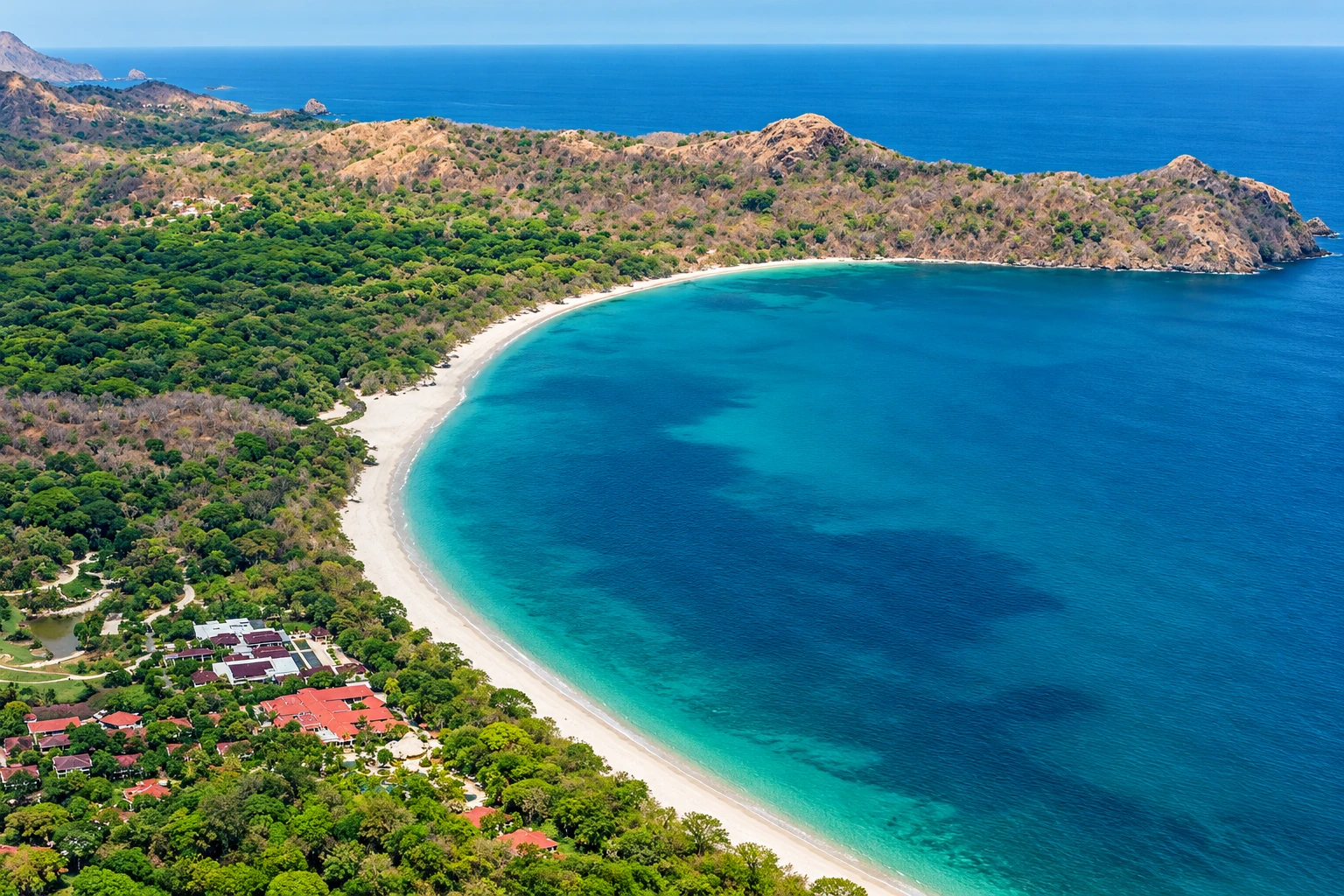
A July trip to Guanacaste includes some of the sunniest days of the green season, while a July trip to the South Pacific does not.
Whale watching
Whale watching around the Osa Peninsula is at its best from August through October. These are also the wettest months on the Pacific, so whale seekers accept heavy rain in exchange for the marine wildlife.
Caribbean Coast Rainfall
The Caribbean side has no dry season. Even its least rainy months record 100–200 mm, according to the IMN’s regional climate document. The two rainy periods run November to January (the maximum) and May to August. The two relatively drier spells run February to March and September to October. December is the wettest month because cold fronts from the Northern Hemisphere push moisture onto the coast. Those fronts affect the area from November to May, most strongly from November to March. Rain tends to fall at night and in the morning, so some days still leave open afternoons.
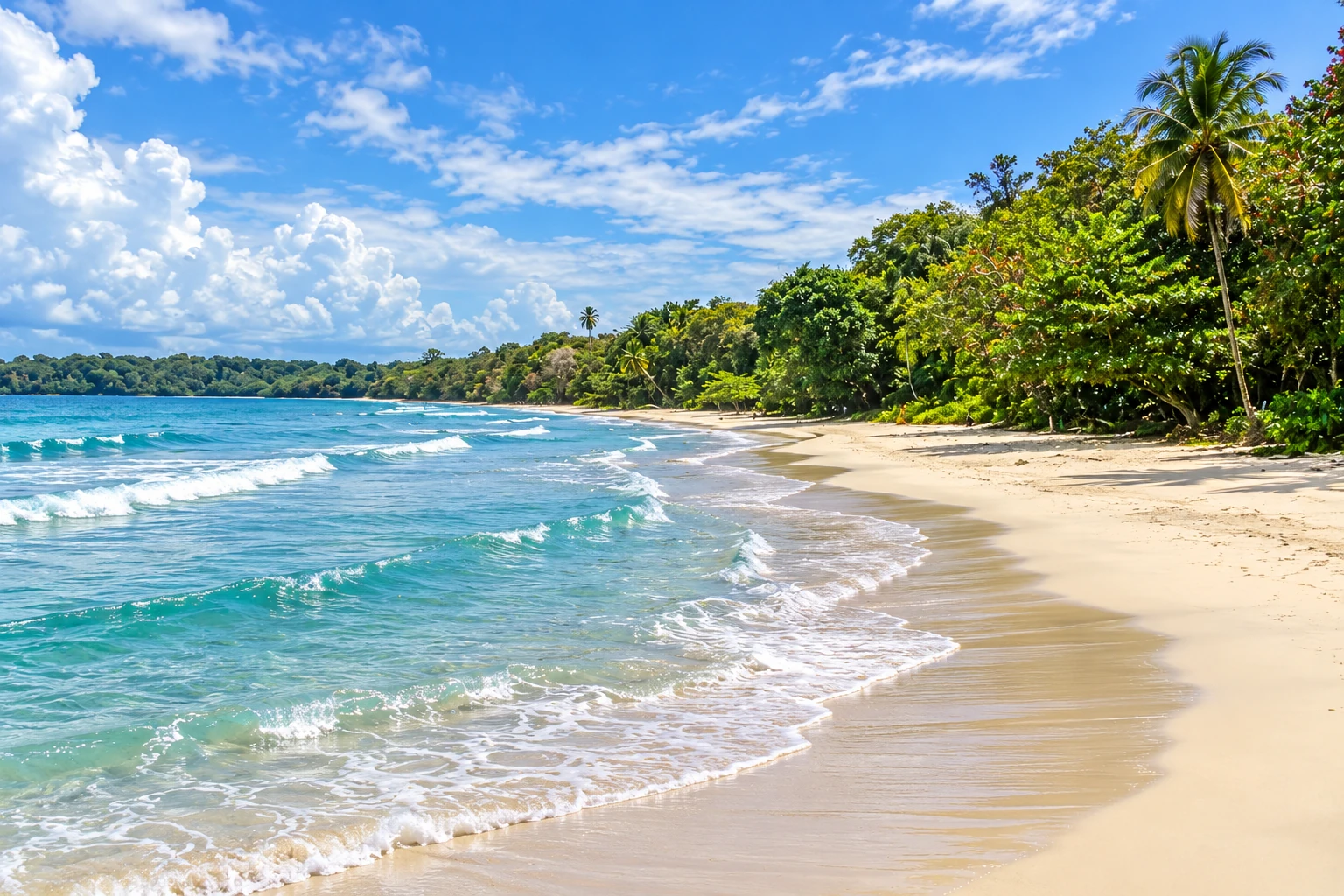
July is the peak of the second rainy period, so the Caribbean stays wet while the Pacific enjoys its veranillo. Anyone choosing the Caribbean should aim for February and March or for September and October. Temperatures run 25–29°C in October and 24–28°C in November. Humidity stays high all year.
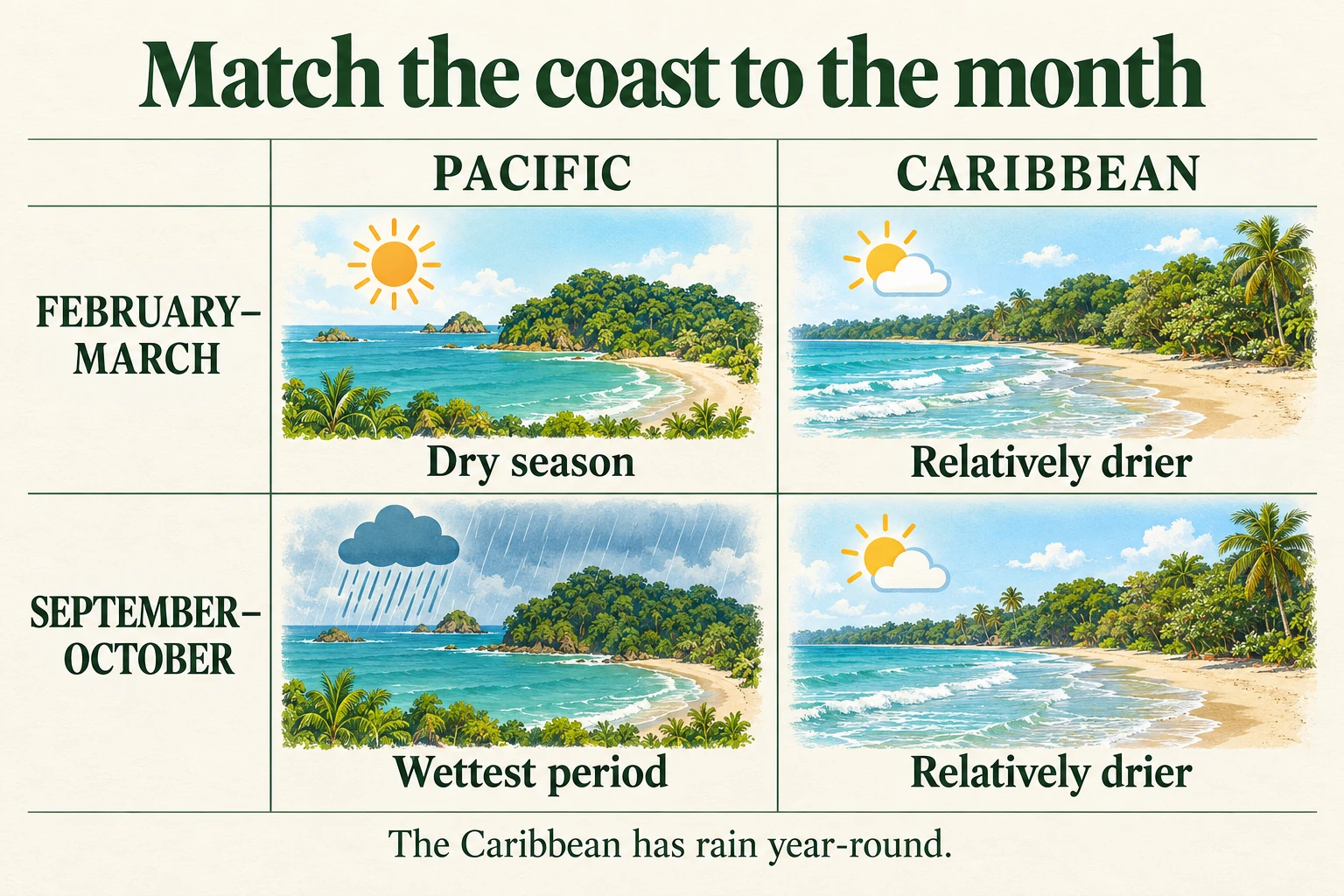
A trip that covers both coasts requires a compromise. In February and March the Pacific is in its dry season and the Caribbean is in a drier spell, so these months suit both coasts. In September and October the Caribbean is drier and the Pacific is at its wettest.
Highlands and Northern Plains
Elevation keeps the Central Valley and highlands mild year-round. Mornings are often clear and cool, and rain usually arrives in the afternoon during the green season. The Central Valley runs 18–24°C in October and 19–26°C in late November, according to the same monthly weather data. The IMN study gives the Valle Central a mean of about 20°C and about 2,400 mm of rain a year, with a dry season from December to April.
The lower Central Valley feels the veranillo. July rainfall at Santa Ana was almost 100 mm lower than June, about 30% less. High-elevation destinations such as Monteverde stay in the 65–70°F range, so pack layers whatever the month.
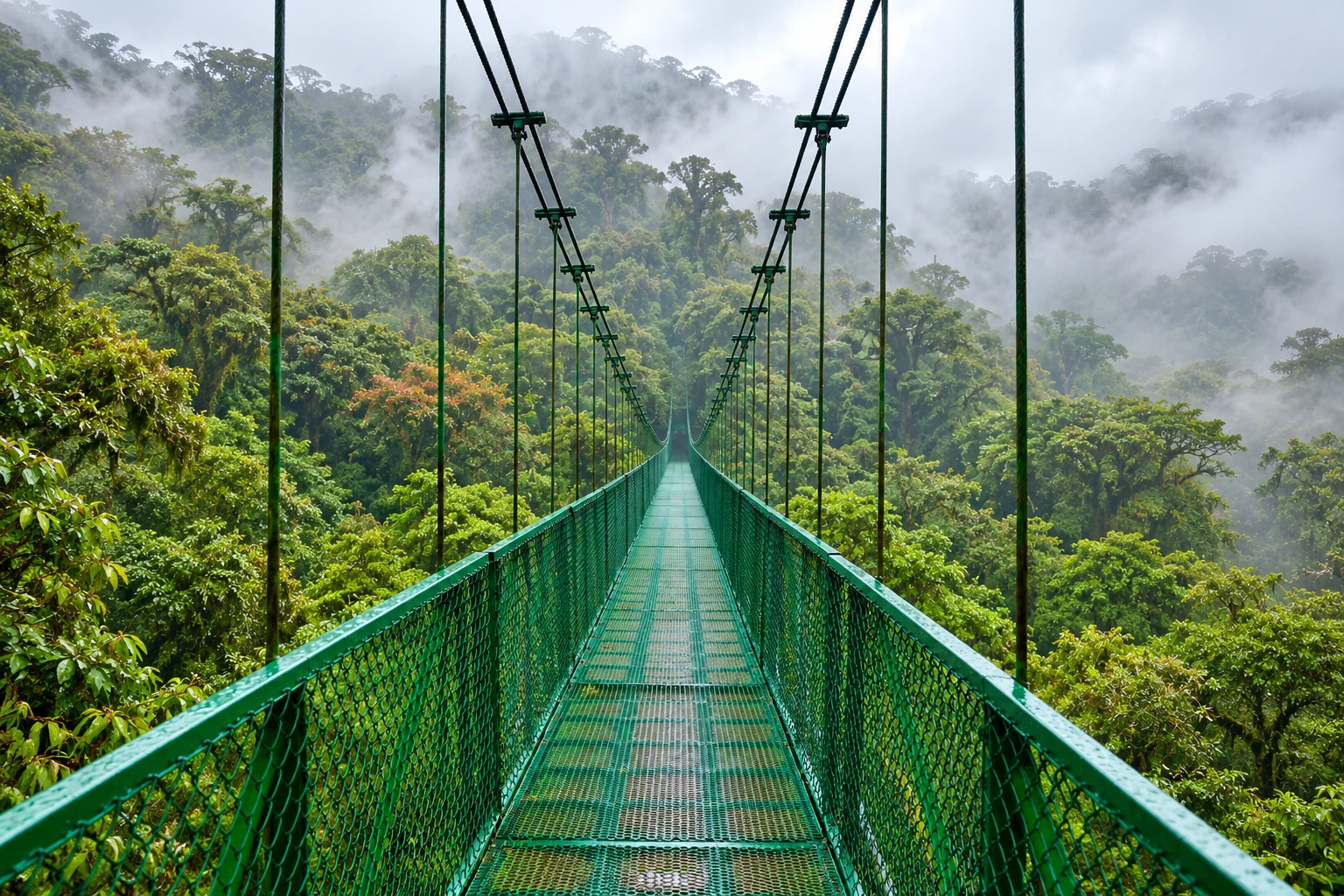
The northern plains (Llanuras del Norte) have a mean temperature of about 22°C and about 4,300 mm of rain a year. Trade winds and Northern Hemisphere cold fronts in winter shape the weather there, so pack rain gear for any month.
Month by Month
January
January is dry, sunny and warm on the Pacific and in the Central Valley, and crowds peak after the Christmas and New Year rush. The Caribbean is still in its November to January rainy maximum. Festivals fill the month: the Palmares Festival runs in the first two weeks of January, and the Santa Cruz festival in Guanacaste honors Santo Cristo de Esquipulas around mid-month. Late January adds the Guanacaste String Festival in Tamarindo and the Liberia Festival. This is a good month for Pacific beaches if you accept the prices.
February
The Pacific dry season is at its best, and February has the best weather of the year, with the strongest trade winds. Crowds stay high. The Caribbean begins its drier spell, so February is the first good Caribbean month after the wet winter. The Monteverde Music Festival begins in the cloud-forest village and continues into March.
March
March is the driest and hottest month on the Pacific, and the Caribbean is still in its drier spell, so both coasts are workable. Crowds are high. Oxcart Driver’s Day (Día de los Boyeros) falls on the second Sunday, when painted oxcarts parade and a priest blesses crops and animals. Holy Week falls in late March or April depending on the year, which can bring Easter crowds into March.
April
April is a transition month on the Pacific. It is still dry but getting hot, and crowds are moderate except during Easter week, which is very busy. In 2025, Maundy Thursday and Good Friday were April 17 and 18 and Easter Sunday was April 20. Juan Santamaría Day on April 11 is a national holiday with parades and marching bands, and Alajuela hosts the main events. Semana U, an open-air arts, sports and concert week at the University of Costa Rica in San José, takes place in the last week of April. April suits travelers who want mostly dry weather with smaller crowds than Christmas, as long as they avoid Holy Week.
May
Rain returns on the Pacific, usually in the afternoon, and the Caribbean enters its second rainy period, which lasts through August. Crowds are low and the landscape turns green. Local events include San Isidro Labor Day on May 15, when villages named after San Isidro hold carnivals and parades. Cañas holds a cowboy-themed festival in early May. May suits value-minded travelers who can plan around afternoon showers by doing outdoor activities in the morning.
June
June has afternoon rain on the Pacific and low crowds. The Pacific is in excellent condition, with vegetation at its lushest. The Caribbean remains in its second rainy period. Folklore places a short dry interlude, the Veranillo de San Juan, near June 23.
July
July brings the veranillo to Guanacaste and the Gulf of Nicoya, with the best odds of dry stretches between 12 July and 14 August. The Caribbean sits at the peak of its second rainy period. Crowds are moderate. Two festivals mark the month: Virgen del Mar in Puntarenas, around July 16, features decorated fishing boats carrying a statue of the Virgin, and Guanacaste Day on July 25 marks the province’s 1824 annexation with parades, marimba music, bullfights and rodeos. Liberia also holds carnivals around that time. July suits travelers who want green landscapes and a good chance of sun in the northwest.
August
August continues the veranillo into its early weeks, with mixed conditions afterward. The Caribbean’s second rainy period continues. Crowds are moderate, and whale watching begins on the southern Pacific. Holidays crowd the calendar: Virgen de los Ángeles on August 2, Mother’s Day on August 15 and the Day of the Black Person and Afro-Costa Rican Culture on August 31. In 2025, August 15 produced a long weekend.
September
September is among the wettest Pacific months, and it is the rainiest month, with some rural roads affected while main routes stay open. Crowds are low and hotel deals are at their best. The Caribbean enters its drier spell. Independence Day on September 15 is a national holiday. September suits budget travelers, Caribbean-focused trips and whale watchers.
October
October is the other wettest Pacific month, with the Caribbean still in its drier spell at 25–29°C. Crowds are low and prices remain among the lowest of the year. Whale watching continues through the month. October pairs well with the Caribbean coast, the Central Valley (18–24°C) and any itinerary that leaves flexible time for rain delays.
November
November is a transition month on the Pacific, with conditions improving and low crowds. On the Caribbean side, the rainy period starts and cold fronts begin to arrive, making it one of the wettest months there. The Central Valley runs 19–26°C in late November. Late November suits Pacific value travel, but the Caribbean is a poor choice.
December
The Pacific dry season begins, with dry, sunny and warm weather, but the Caribbean has its wettest month. Crowds hit their peak, and Christmas and New Year are extremely busy. December packs in celebrations. Army Abolition Day falls on December 1, and the Festival de la Luz in San José takes place on the second Saturday (a night parade of illuminated floats with fireworks). The Boruca festival is on December 8, and carolers sing on December 15. Christmas is December 25, the horse parade along Paseo Colón follows on December 26, and costumed street dancing and a float procession take place on December 27. Zapote, a San José suburb, runs a fairground, fireworks and rodeo in late December. Book accommodation well ahead, and expect Pacific beaches to be full.
Crowds and Prices
High season runs December through April, and the most popular destinations are most crowded during these months, according to a long-running Costa Rica travel guide. Quieter beaches and national parks stay available even then, so crowd avoidance in high season comes down to choosing less famous places. Christmas and Easter are the peak dates, when hotels charge peak-season prices and fill early.
Prices are highest in the dry season, and hotels book up quickly. September and October offer the best deals, and May through November is generally quieter. The cheapest months coincide with the Pacific’s wettest weather, so the saving comes with a weather tradeoff. The compromise windows are May and June, when Pacific conditions are described as excellent and crowds are low, and July, when the veranillo gives Guanacaste drier days at moderate crowd levels.
Festivals and Public Holidays
Festivals cluster in January, April, July and December. In January, the Palmares Festival in Palmares, Alajuela, runs in the first two weeks. It offers concerts, rodeos, fireworks, a fairground and sporting competitions, according to a festival list. The festival draws more than one million visitors, about one-fifth of the national population, so book nearby lodging early. The Santa Cruz fiesta in Guanacaste honors Santo Cristo de Esquipulas, with rodeos, folk dancing, an ox-cart parade and a large feast, and the saint’s day is January 15, with pilgrimages and processions.
The Boruca people hold their Danza de los Diablitos from December 31 to January 2, described on the Danza de los Diablitos page. A separate Boruca festival on December 8 features traditional dress, dancing, and flute and drum music.
Costa Rica’s labor ministry (MTSS) sets the national holiday list each year. The 2025 list had 12 holidays, 9 with mandatory pay and 3 with non-mandatory pay. The holidays fell on January 1, April 11, Holy Thursday and Good Friday, May 1, July 25, August 2, August 15, August 31, September 15, December 1 and December 25. No 2025 holiday was moved to another day. The year’s long weekends were April 11, April 17–18, July 25, August 15 and September 15.
Holiday weekends bring Costa Rican families to beaches and parks, so lodging fills and prices rise even in the green season. Holy Week is the largest. Some public-sector workers took the Monday through Wednesday of Semana Santa as vacation, giving up to 9 days off. Check the current year’s holiday list with the MTSS before locking in dates around Easter, mid-August or mid-September.
Park Hours and Fees
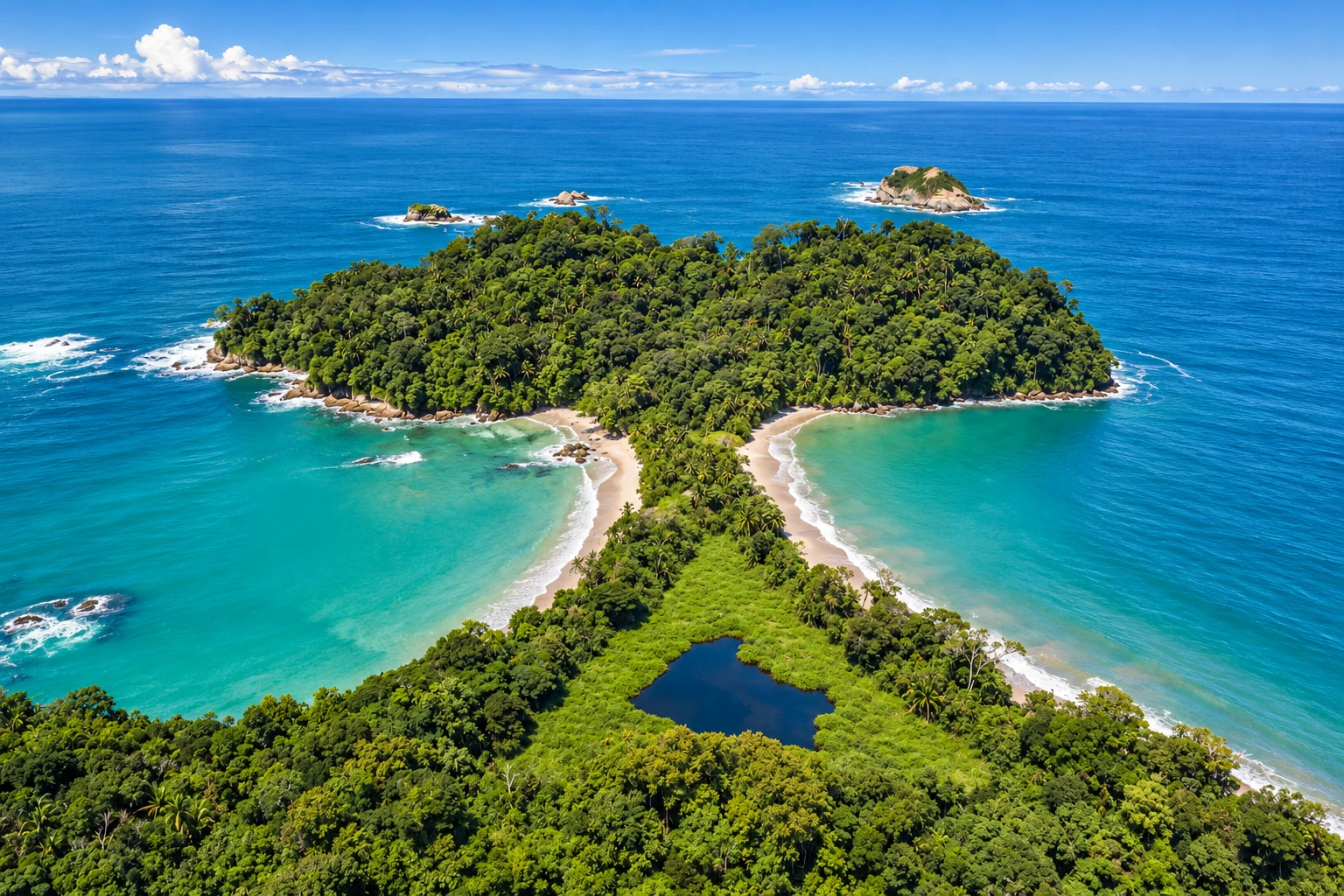
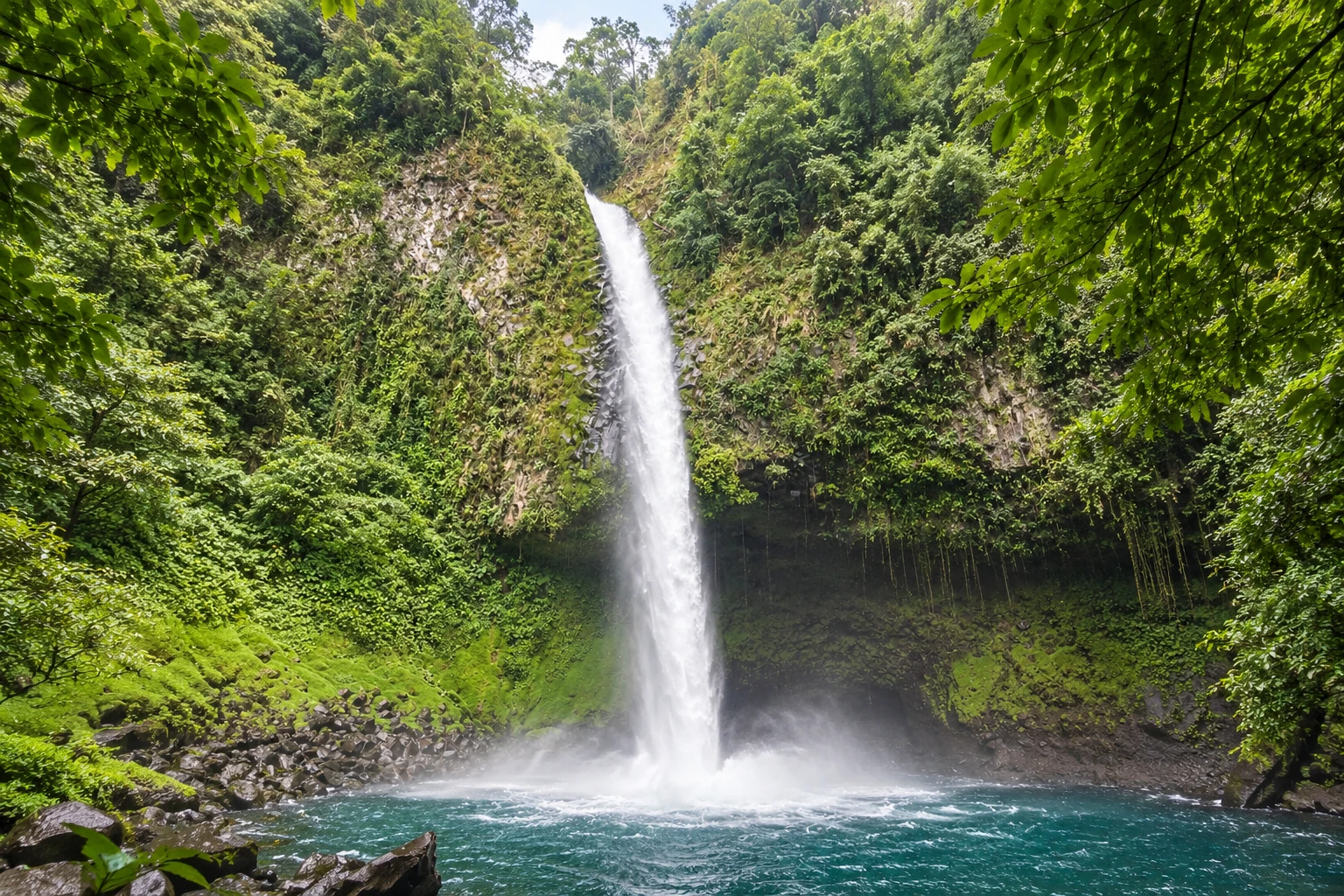
Fees and hours change, so check SINAC (Costa Rica’s national park authority) before you go. The 2025 fees for Manuel Antonio were $18.08 for non-resident adults over 12, tax included, and $5.65 for children aged 2 to 12. Foreign children aged 0 to 2 enter free. Braulio Carrillo charges $13.56 for non-resident visitors over 13. The La Fortuna waterfall charges $18 for international visitors, with children under 8 free.
SINAC’s fee table lists these hours and foreign-visitor prices for other parks:
- Manuel Antonio: 7 am to 3 pm, open Wednesday to Monday and closed Tuesdays year-round.
- Carara: 7 am to 4 pm in the dry season and 8 am to 4 pm from May to November. The foreign price is $10.
- Corcovado: 7 am to 4 pm daily, $15.
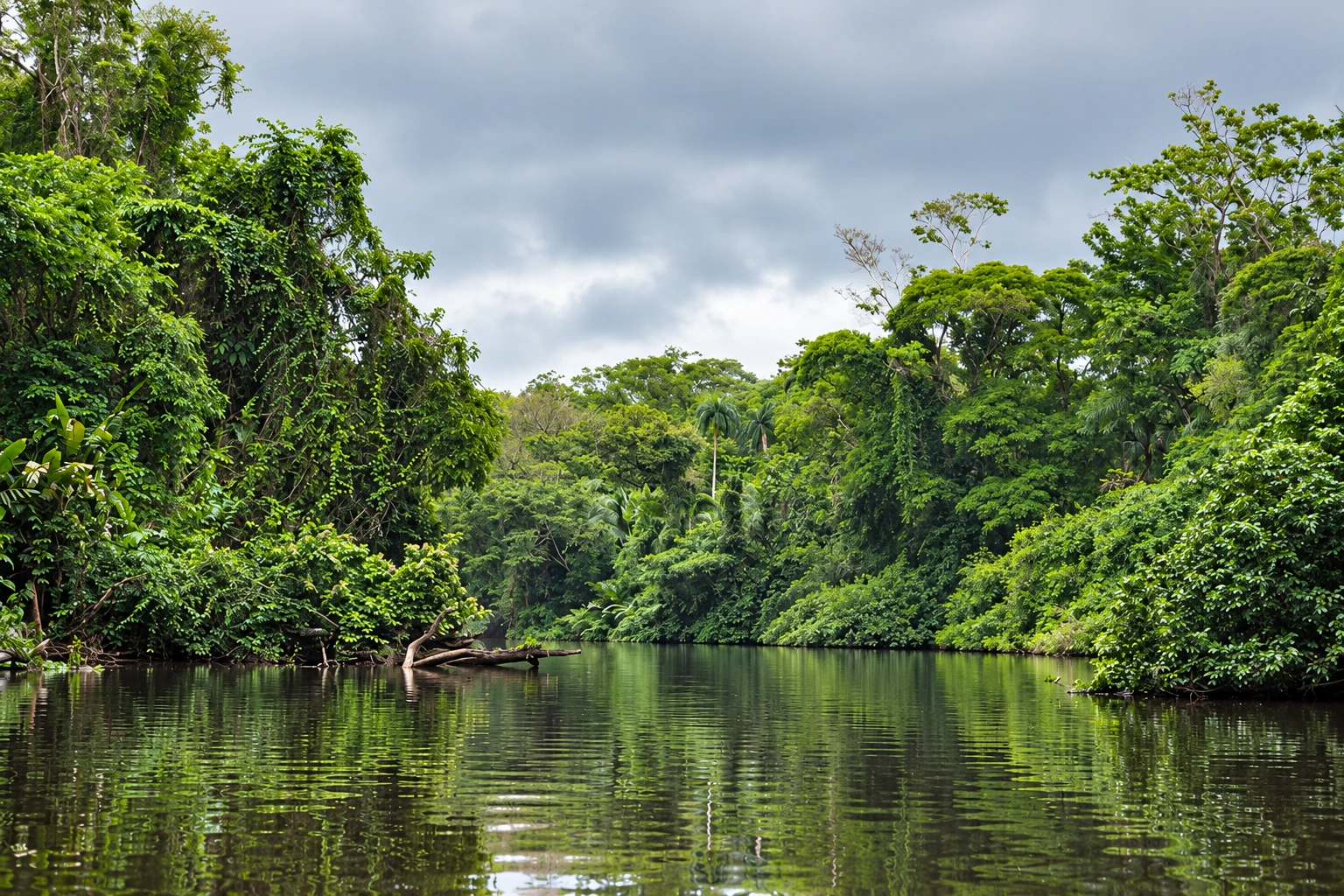
- Tortuguero: 6 am to 4 pm daily, $15.
- Marino Ballena: 7 am to 4 pm daily, $6.
Manuel Antonio’s Tuesday closure matters for planning, since the closure falls in the low season when many travelers visit for the lower prices.
Choosing Dates by Trip Type
Beach trip on the Pacific: Choose January through March for the most reliable sun. March is the driest and hottest month, and February has the best weather. Accept the higher prices, and book Christmas and Easter far ahead.
Mix of coasts: February and March suit both coasts, because the Pacific is dry and the Caribbean is in a drier spell.
Caribbean coast: Aim for February to March or September to October, and avoid November to January, especially December.
Budget travel: September and October offer the best deals, but they are the Pacific’s wettest months. May, June and November give better weather at lower prices. A budget trip focused on the Caribbean coast also benefits from that coast’s drier spell in September and October.
Green landscapes with fewer crowds: May and June combine low crowds with a green Pacific. July adds the veranillo, which suits Guanacaste.
Whale watching: August through October around the Osa Peninsula, which falls in the rainy season.
Festivals: Palmares and Santa Cruz hold theirs in January. April brings Juan Santamaría Day and Holy Week, July has Guanacaste Day, and December has the Christmas events in San José.
Highlands and cloud forest: Temperatures suit any month, and the green season brings clear mornings and afternoon showers. Days at Monteverde run 65–70°F, so bring layers.
Key Takeaways
- Match the coast to the month. The Pacific is driest December to March and the Caribbean is driest February to March and September to October, so February and March suit both.
- Plan around the July veranillo. Guanacaste and the Gulf of Nicoya coasts get drier days between 12 July and 14 August, while the Caribbean is at the peak of its second rainy period.
- Book early for December through April. Christmas, New Year and Easter are the busiest and most expensive dates, and Holy Week extends the rush.
- Save in September and October, but expect heavy Pacific rain. These months have the best deals and the wettest weather on the Pacific, though the Caribbean is drier.
- Verify park fees and hours with SINAC. Manuel Antonio’s non-resident adult fee was $18.08 in 2025, and the park closes Mondays from July to November.