Is Portugal Safe for Travelers? Scams, Wildfires, Health Care and Emergency Numbers
Portugal is a low-risk destination for visitors. The U.S. State Department rates it Level 1, its lowest advisory tier, which means "exercise normal precaution." The problems most visitors run into are petty theft in crowded Lisbon neighborhoods and on public transport, fraudulent vacation rental bookings, and, in summer, wildfire smoke and closures in the countryside. Beach currents and heat add to that list.
The details below were checked in early November 2026. Advisory levels, wildfire ratings and fees change, so check them again close to departure. A first-time visitor can handle nearly every risk with a few habits: keep phones and wallets out of reach, book lodging only through official platforms, read the beach flag before swimming, and carry travel insurance that covers medical care. The number to remember is 112, which reaches police, fire and ambulance across the country.
What the Official Advice Says
The U.S. Embassy in Portugal publishes the current advisory on its alerts page: "Travel Advisory Level 1: Exercise normal precaution in Portugal." The same page posts a worldwide caution notice that asks Americans to exercise increased caution everywhere, separate from the Portugal rating. The State Department’s Portugal advisory page tells travelers to stay alert for petty theft, especially in crowded tourist areas and on public transport. It also notes that medical facilities exist throughout the country, but adequate care is harder to find in rural areas.
Other governments reach similar conclusions. The UK Foreign, Commonwealth & Development Office (FCDO) publishes a Portugal page with a public update timestamp of 11 August 2026. It states that it cannot give tailored advice for individual trips, so readers must review the advice and do their own research. The FCDO also offers email alerts whenever the advice changes. Ireland’s foreign affairs department describes wildfires as common in summer and tells visitors to follow local authority instructions. It adds two practical points: women should not travel alone on remote hikes, including pilgrimage walks, and motorway toll fines are a known trap for drivers.
Protests are the other item in recent news. A report dated 2 November 2026 says the U.S. advisory was not raised in response to housing and cost-of-living protests, and it advises visitors to avoid demonstrations and watch for local disruption. In practice, check the news on the day you plan to visit a major square or government district, and choose a different route if a march is underway.
The sources share one message: low overall risk, with specific problems tied to crowds, roads, weather and online booking. A Level 1 rating describes the country as a whole. It does not mean every street at every hour is equally comfortable, which is why the following sections focus on specific places and situations.
Theft, Scams and Road Fines
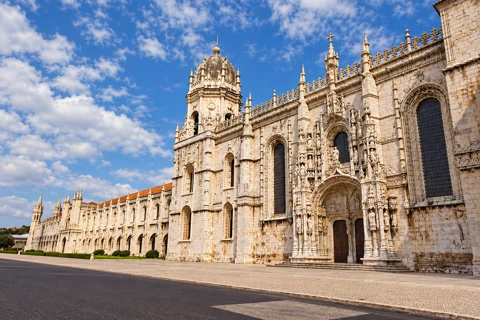
Theft from bags, pockets and phones is the most common crime visitors report, and the numbers are rising. The Portuguese daily Diário de Notícias reported on 14 July 2026 that pickpocket thefts in Lisbon rose 9.5% in the first half of 2026 compared with the same period of 2025. The article names two hotspots: Belém, home to the Jerónimos Monastery and Belém Tower, and the area around Castelo de São Jorge (St. George’s Castle). It describes tourists as among the main targets.
The pattern holds beyond Lisbon. On 30 June 2026 the Public Security Police (PSP, the national urban police force) called summer the high season for pickpockets and focused its advice on public transport, tourist areas and crowded places. The same report counted 1,617 pickpocketing incidents across Portugal in the first quarter of 2026. That is a national figure and cannot be compared directly with the Lisbon half-year numbers. PSP says pickpockets often work in organized groups with rehearsed distractions, and they favor the metro, buses, shopping centers and restaurants. If you feel followed, change direction, stop in a busy place or step into a shop. Restaurants deserve particular care, because a phone left on a terrace table is easy to lift. Keep it in a pocket or bag while you eat, and keep your bag strap on your lap or hooked on the chair.
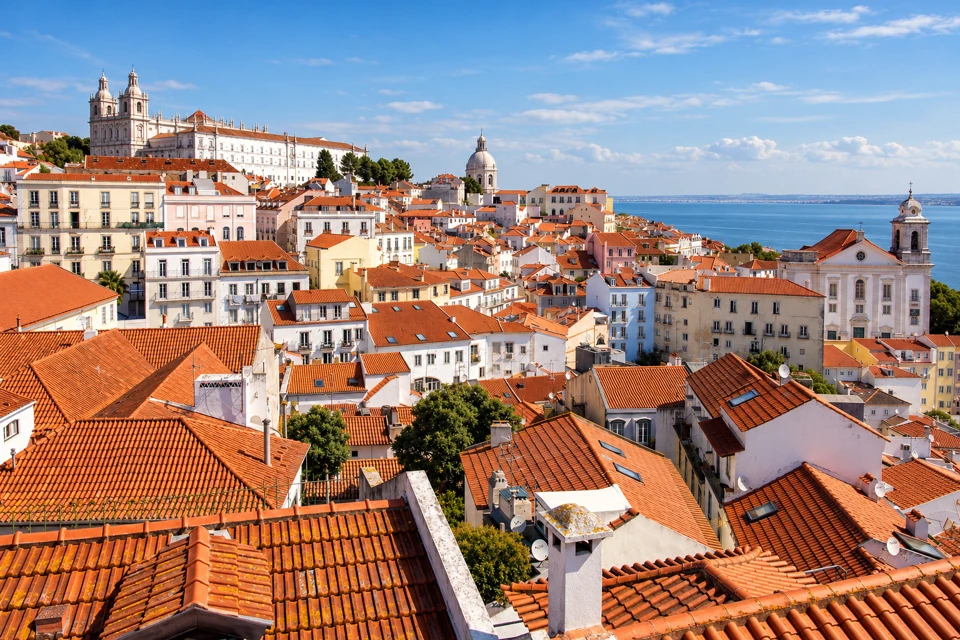
Several Lisbon locations come up often. A Portuguese-language travel site lists Tram 28, Baixa-Chiado, Cais do Sodré, Bairro Alto and Martim Moniz as areas to watch for theft. Tram 28 is the vintage tram that climbs through Alfama and is packed with visitors for most of the day. The other four are busy commercial or nightlife districts. Combined with the PSP’s named hotspots, the map is clear: the risk concentrates where tourists stand still, such as queues, tram stops, viewpoints and ticket lines. None of the advisories reviewed names a neighborhood as off limits. Treat these places as spots that need attention, not places to skip. Carry a single card and a small amount of cash in a front pocket. Leave your passport in the hotel safe if you do not need it that day. On the tram, keep the phone in a zipped inner pocket. If something is stolen, file a report with the PSP, because insurers generally require a police report for a theft claim.
Vacation rental fraud is the second recurring warning. Portuguese press reported joint PSP and Airbnb advice about summer booking fraud: book only through the platform’s official app or website, be wary of prices that look too low, and never pay by direct bank transfer. Keep all communications and report the crime to the PSP promptly. A separate PSP-related warning says fake sites imitate known platforms, and any payment request made outside the official platform is a warning sign. A common version of the scam begins with a genuine listing. The host, or someone posing as one, asks you to continue by email or messaging app and pay by transfer to "avoid fees." Once you leave the platform, its payment protection and complaint process no longer apply. Check the web address before entering card details, and refuse any request to move off the platform, however polite it sounds.
Police in mainland Portugal can issue on-the-spot fines, according to the U.S. State Department’s Overseas Security Advisory Council (OSAC). Ireland’s government separately warns about motorway toll fines. Many Portuguese highway tolls are collected electronically, so ask your rental company how tolls are billed before you drive away, and keep the paperwork for any fine.
Violent crime against visitors is uncommon. The same OSAC country security report states that there are no significant or specific kidnapping threats in the country. The Irish advice on women hiking alone is the one item in the official guidance that addresses personal safety directly, and it applies to isolated routes rather than towns or main walking paths. On pilgrimage routes such as the Camino variants, stay in contact with someone and share your daily plan.
Wildfires, Heat and Ocean Hazards
Wildfire is the main natural hazard, and it shapes summer and early autumn travel more than any other risk. The national weather service IPMA publishes a daily rural fire danger rating for each municipality (concelho) in five levels: reduced, moderate, high, very high and maximum, as explained in this guide to official fire warnings. The rating forecasts danger. It does not order evacuations. Legal restrictions on burning and machinery apply on very high and maximum days. During maximum-risk periods, do not light bonfires or barbecues in the countryside, burn garden waste, run sparking machinery near dry vegetation, or discard cigarette ends, according to IPMA guidance.
The government can go further by declaring a "Situação de Alerta" (state of alert). This is a legally binding measure for a defined area and period, and it can impose temporary bans and suspend existing permits. Its restrictions override the IPMA classes, so a place rated "high" can still fall under a ban during an alert. Euronews reported the 2026 wildfire activity in early July, along with heat alerts in which 13 mainland districts sat under a red, the most severe, warning.
Around 2 July 2026, the interior North and Centre were at maximum risk. On 22 September 2026, more than 80 municipalities in nine mainland districts were at maximum danger with temperatures above 30°C, and the national civil protection authority ANEPC kept its readiness at Level III, with interior regions the most vulnerable. The current map will differ from these snapshots, but they show that danger lasts into late September.
For trip planning, check the IPMA rating for each municipality where you plan to hike or stay before you set out. On maximum days, a travel blog suggests keeping to the coast and cities and avoiding forest and scrubland, which is a sensible rule for hikers. Instructions from firefighters, the GNR (the national gendarmerie), civil protection and local councils take priority over national websites. ANEPC also posts "Avisos à População," public notices that describe the situation, expected effects and what to do. Call 112 if you see a fire or people at risk. The line is for immediate danger and does not provide information on conditions.
OSAC reports that rip currents, which pull swimmers away from shore, are a serious hazard on many waterfronts in mainland Portugal and the Azores. Supervised beaches use a flag system: green means safe to swim, yellow means swim with caution, and red means swimming is forbidden. Swim near the lifeguard tower, and treat a red flag as binding even on a sunny day with small-looking waves. The same OSAC report notes that storms in the islands have caused flash floods with deaths and erosion, so on Madeira and the Azores, check the forecast before driving or hiking near ravines and streambeds.
With red heat warnings in July 2026 across more than a dozen districts, summer sightseeing in the interior, including the Alentejo plains and the Douro valley, calls for early starts, water and sun protection. TravelHealthPro publishes a sun protection factsheet.
Health Care and Insurance
Health risks in Portugal are low, and most of them can be prevented. TravelHealthPro, the UK’s travel health service, recommends seeing a health professional four to six weeks before travel, and earlier for anyone with an existing condition. No vaccination certificates are required under the International Health Regulations. Routine vaccines such as MMR (measles, mumps, rubella) and diphtheria-tetanus-polio should be current.
Tetanus is a specific concern. The bacterium lives in soil and manure and enters through wounds, burns or scratches. Clean every wound thoroughly, and seek medical attention for animal bites, scratches, burns or soil-contaminated wounds. Whether you need a booster depends on when your last dose was, which is easy to check before a hiking trip.
Rabies has not been reported in Portugal, so most travelers face low risk. Bats can carry bat lyssavirus, a rabies-related virus, and bat bites often go unrecognized. Avoid handling bats. If a bat may have bitten or scratched you, clean the wound and get urgent local medical assessment, even when the wound looks minor.
Insect and tick bites call for attention on rural walks. TravelHealthPro notes there are no vaccines or medicines to prevent the diseases they carry, so avoiding bites is the protection. Its insect and tick bite factsheet covers the practical steps. Madeira adds a dengue risk. Mosquitoes there are more common in towns and cities, vaccination is not recommended, and the advice is to avoid mosquito bites, especially in daytime. TravelHealthPro also publishes factsheets on food and water hygiene and personal safety.
The European Health Insurance Card (EHIC) gives EU citizens access to public care for unplanned treatment. Portugal’s official guidance for European visitors says that without an EHIC, visitors may have to pay and seek reimbursement at home, unless they obtained a Provisional Replacement Certificate from their home authority before leaving. American travelers do not hold an EHIC, so travel insurance with medical coverage is the working arrangement. TravelHealthPro notes that even the EHIC or its UK equivalent, the GHIC, is not a substitute for travel insurance. The FCDO adds that in a serious incident you should contact your travel insurer first, because insurers usually require it.
Emergency room fees are modest by U.S. standards. A July 2024 fee guide from the national health administration, based on a regulation in force since 1 April 2016, lists €18.00 for a polyvalent emergency service, €16.00 for a medico-surgical service and €14.00 for a basic service. Test fees during the visit are added, with a total cap of €40.00 per visit, and fees are due at admission. Patients referred by primary care, SNS 24 or INEM, the emergency medical service, are exempt. The same document states that people who are not National Health Service (SNS) beneficiaries pay their own costs. In September 2026 the health inspectorate IGAS was reported to want fees collected at hospital entry along with a check-out system, so expect payment up front. Keep every receipt for your insurer.
Emergency Numbers and Who to Call
Portugal uses 112 for all emergencies, and the call is free from any phone at any hour. The same number handles wildfire reports. For a non-emergency health question, SNS 24 offers screening and advice around the clock. If SNS 24 or INEM refers you to an emergency room, you are exempt from the emergency fee and tests.

| Service | Number | Notes |
|---|---|---|
| Ambulance, fire, police | 112 | Free from any phone, 24 hours |
| SNS 24 health line | 808 24 24 24 | Screening and advice 24/7 |
| Wildfire in immediate danger | 112 | Not an information line |
| FCDO urgent line (UK) | 020 7008 5000 | 24 hours; for friends and relatives in the UK of an affected traveler |
British travelers can find help in an emergency through the British Embassy Lisbon page. U.S. travelers can follow notices from the U.S. Embassy on its alerts page, and should save the embassy’s contact details before departure. If you lose a passport or are the victim of a serious crime, call 112 if someone is in immediate danger, then contact your embassy and your insurer.
Before you leave, sign up for the alerts your government offers. Buy insurance that covers medical care and cancellations, and book lodging only through official platforms. In Lisbon’s tourist areas, on the metro and buses and in restaurants, keep valuables close. Check beach flags before swimming and IPMA municipal ratings before a hike. If a bat or an unfamiliar animal bites or scratches you, get medical care promptly.
Key Takeaways
- Guard against pickpockets first: Lisbon pickpocket thefts rose 9.5% in the first half of 2026, with Belém, the castle area, Tram 28 and the metro as the main spots. Keep phones and wallets in zipped front pockets.
- Book lodging only on official platforms: Fake sites imitate known platforms, and a request to pay by bank transfer is the warning sign. Report fraud to the PSP and keep all messages.
- Check IPMA fire ratings before hiking or driving inland: Maximum-risk days bring legal restrictions, and more than 80 municipalities hit that level on 22 September 2026. Stick to the coast and cities when the rating is maximum.
- Read the beach flag before swimming: Rip currents are a serious hazard on many Atlantic beaches, and red means swimming is forbidden.
- Carry medical insurance and save 112: Americans have no EHIC, so insurance is the working coverage. The emergency line is free and covers police, fire and ambulance, and SNS 24 (808 24 24 24) handles health advice.