Best Time to Visit the United Arab Emirates
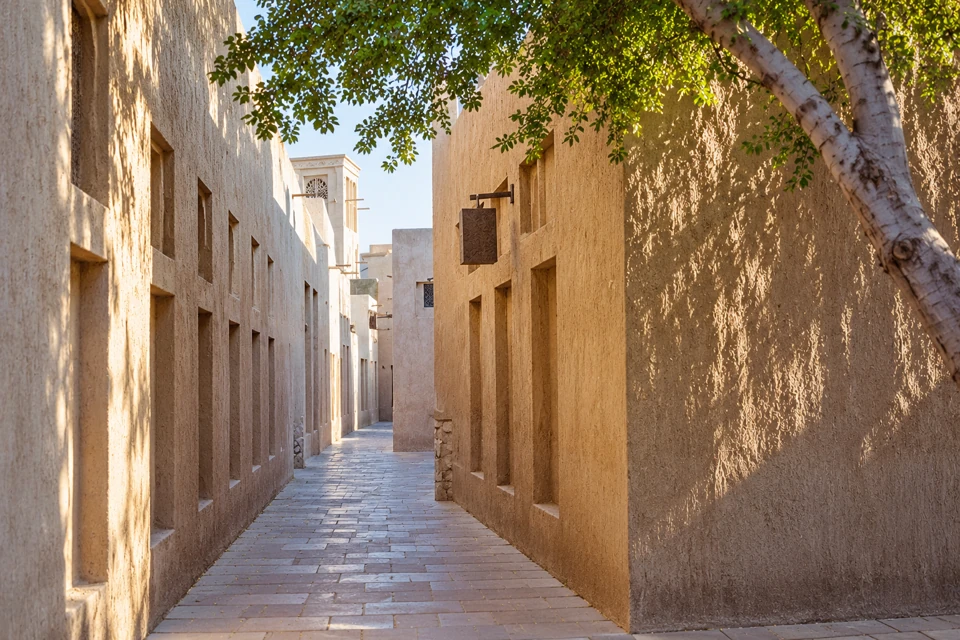
The best months to visit the United Arab Emirates (UAE) for outdoor sightseeing, beaches, and desert trips are November through March. In Dubai, average daytime highs run from the low 30s °C in November to the mid 20s °C in winter. From June through August, average highs exceed 40 °C and hotel demand is lowest. Travelers spend their days in air-conditioned malls, attractions, and pools.
"Mean max" is the average of each day’s highest temperature over a month. Most figures come from Dubai, which has the most complete climate and tourism records, with Abu Dhabi and the northern emirates included where data exists. The weather that makes travel easiest also fills hotels and raises prices. December through March brings the most visitors, the biggest events, and the highest rates. November and the spring months offer a middle ground: comfortable days without peak-season crowds.
Dubai weather and crowds by month
The table shows Dubai’s 1991 to 2020 climate normals, measured at Dubai International Airport, next to Dubai hotel occupancy estimates for 2018 and 2019 from a hotel seasonality study. Occupancy is the share of hotel rooms filled, which is a rough guide to how busy and expensive a month feels.
| Month | Mean max (°C) | Mean min (°C) | Rain (mm) | Occupancy 2018 / 2019 |
|---|---|---|---|---|
| Jan | 24.4 | 15.3 | 20.8 | 87% / 76% |
| Feb | 26.1 | 16.4 | 9.9 | 86% / 90% |
| Mar | 28.9 | 18.6 | 21.7 | 90% / 87% |
| Apr | 33.7 | 22.3 | 3.3 | 85% / 99% |
| May | 38.2 | 26.1 | 0.1 | 84% / 83% |
| Jun | 40.3 | 28.6 | 0.02 | 57% / 84% |
| Jul | 41.5 | 31.2 | 1.1 | 67% / 61% |
| Aug | 41.9 | 31.5 | 0.003 | 65% / 69% |
| Sep | 39.5 | 28.9 | 0.04 | 79% / 65% |
| Oct | 35.9 | 25.4 | 1.5 | 82% / 83% |
| Nov | 30.7 | 21.1 | 5.9 | 86% / 81% |
| Dec | 26.5 | 17.3 | 14.8 | 90% / 90% |
Event dates below are the ones listed for the 2026 and 2027 calendars. Annual events shift from year to year, so confirm dates with the organizer before booking flights.
January
January is Dubai’s coolest month, with a mean max of 24.4 °C and a mean min of 15.3 °C. Pack a jacket for evenings, especially in the desert and on rooftop terraces. The sea sits at about 23 °C according to climate records for Dubai, so beach days work but the water is far cooler than in summer. Rainfall averages 20.8 mm over 2.8 rain days.
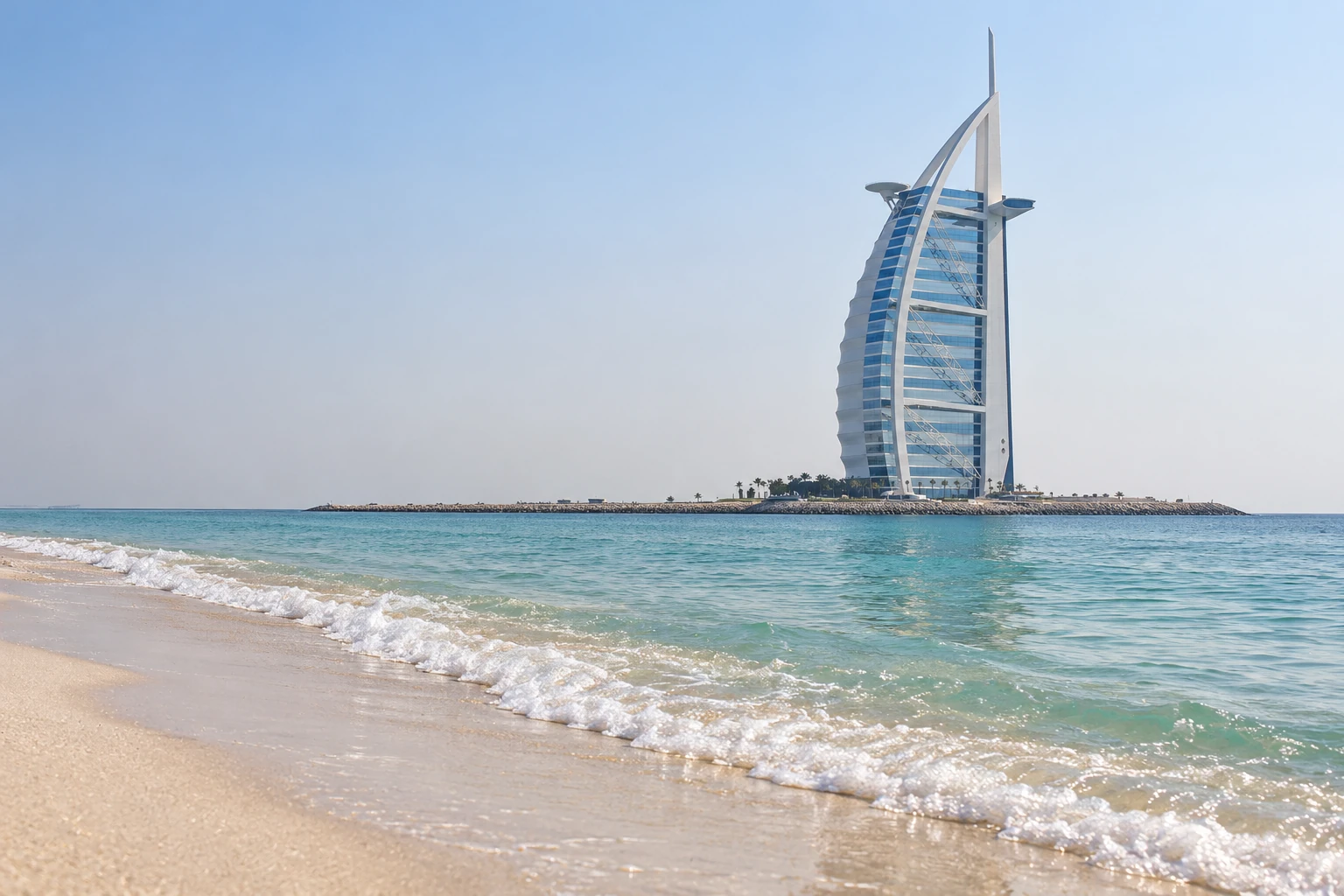
Demand is high. Crowds and room rates peak in January. January 2025 set a monthly record of 1.94 million international overnight visitors, a mark December 2025 later broke. The Dubai Shopping Festival runs through 17 January 2027. Other listings include Intersec at the Dubai World Trade Centre (12 to 14 January), the Al Wathba Date Festival in Abu Dhabi (15 to 24 January), the Hero Dubai Desert Classic golf tournament at Emirates Golf Club, and Emirates LitFest at Festival City. January suits outdoor sightseeing, beach time by day, desert trips, and outdoor events.
February
February warms slightly to a mean max of 26.1 °C and a mean min of 16.4 °C. It is the driest winter month, with 9.9 mm of rain over 2.4 rain days. Crowds and rates are again at their peak, and occupancy estimates of 86% in 2018 and 90% in 2019 match.
The month fills with events: the Dubai Marathon (1 February), Taste of Dubai at Media City (6 to 8 February), Animenia at Manarat Al Saadiyat in Abu Dhabi (11 to 15 February), Chinese New Year events across the city, and the Dubai Duty Free Tennis Championships at the Aviation Club (15 to 28 February). It is a strong month for festivals, markets, and outdoor sport.
March
March reaches a mean max of 28.9 °C and a mean min of 18.6 °C. It is also the wettest month in the normals at 21.7 mm over 3.4 rain days. Dubai’s highest daily rainfall in the 1991 to 2020 window, 90.5 mm, fell on 12 March 1996. Rain is rare, but when it comes it arrives in volume.
Occupancy estimates were 90% in 2018 and 87% in 2019, among the highest of the year. March is the last comfortable month for long daytime activities. The Abu Dhabi Festival runs each March and April. The Dubai World Cup horse race at Meydan is set for March 2027, on the Saturday after Gulfood week.
April
April’s mean max jumps to 33.7 °C, with a mean min of 22.3 °C and only 3.3 mm of rain. Heat is building, so schedule outdoor sightseeing for mornings and evenings and use midday for museums, malls, or the pool. Occupancy estimates were 85% in 2018 and 99% in 2019, so spring can be as busy as winter.
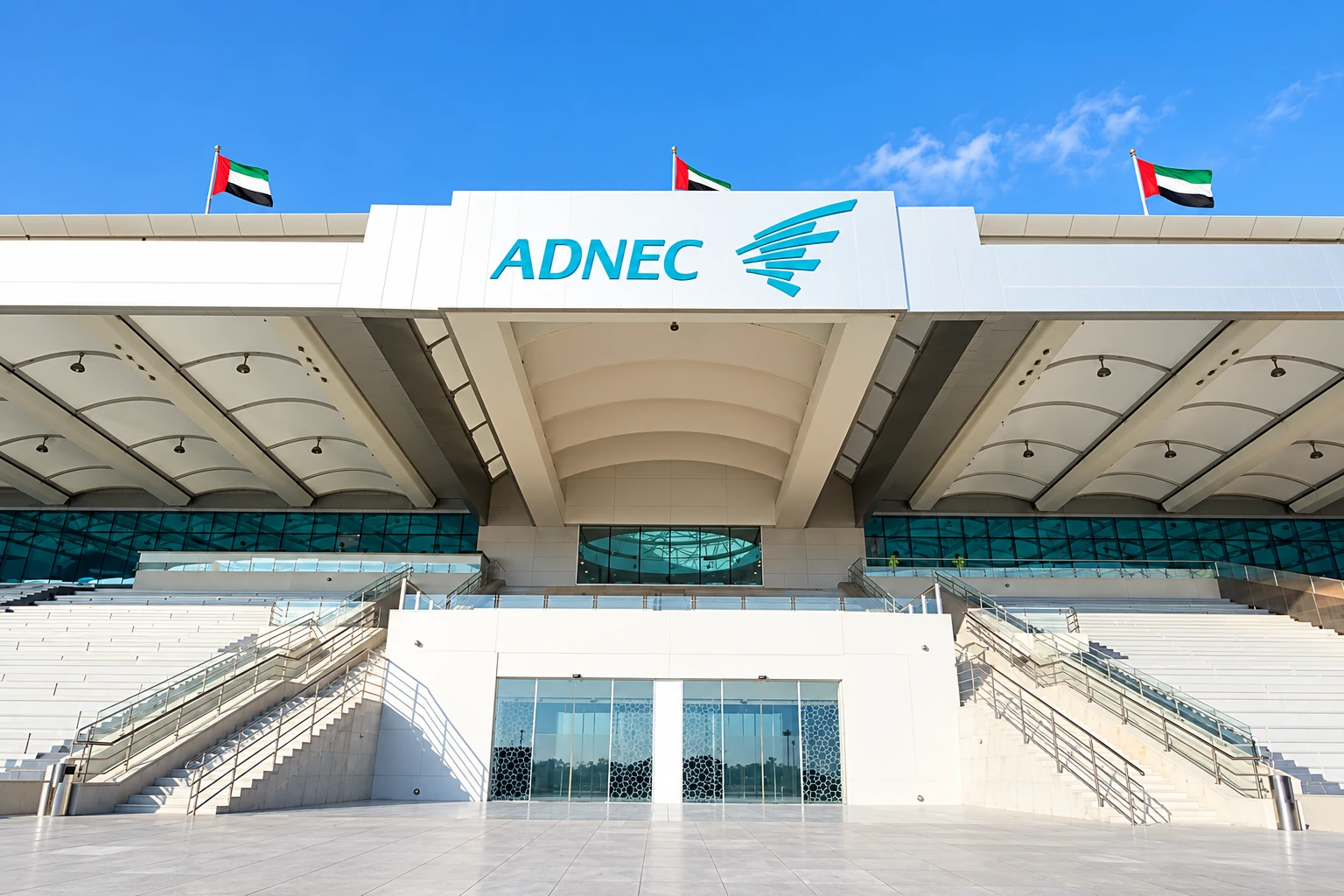
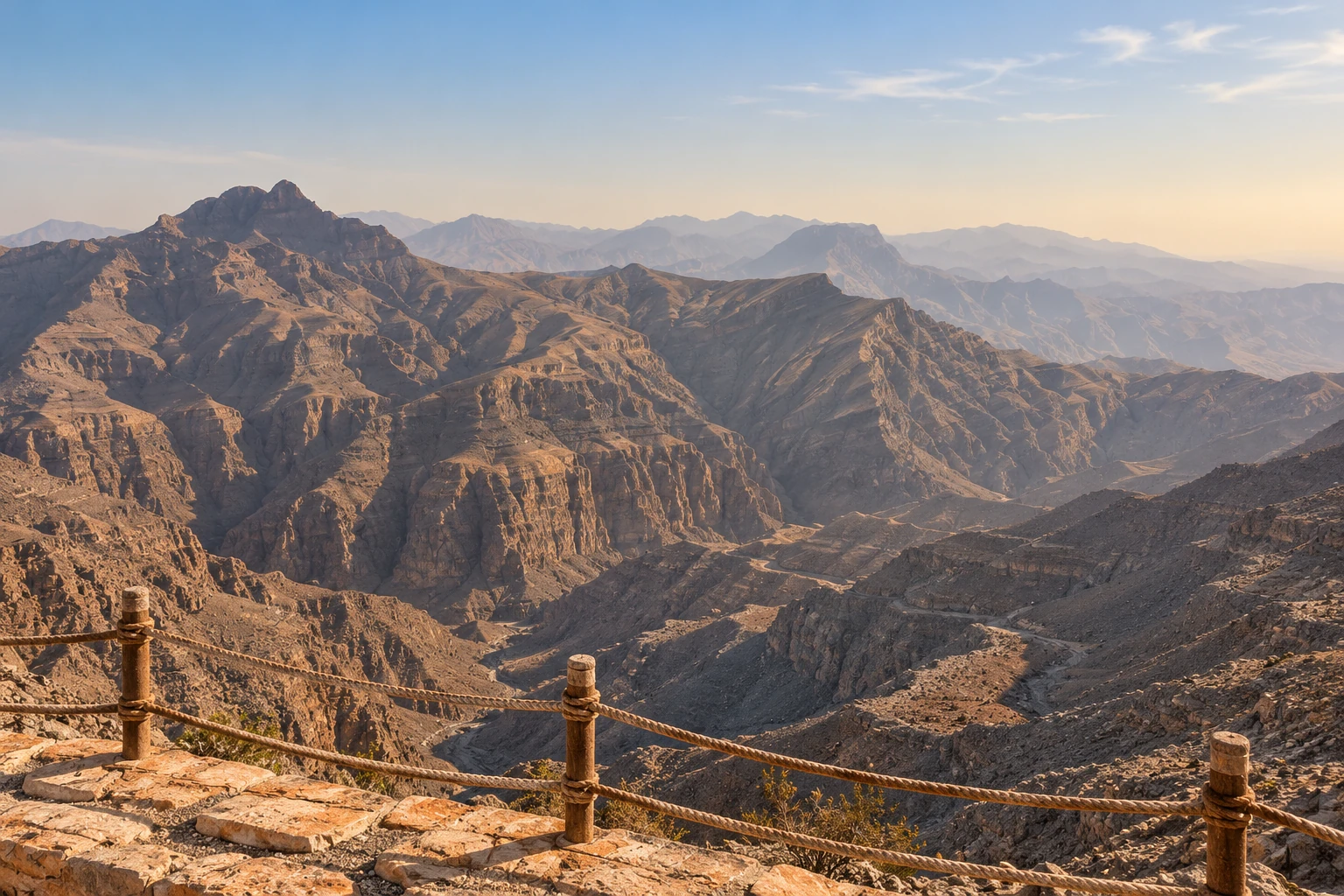
The Abu Dhabi Book Fair ran from 11 to 20 April 2026 at the ADNEC Centre in Al Rawdah, with free admission. In the northern emirates, an April climate post from the National Center of Meteorology (NCM) recorded a low of 20.1 °C at Jais Mountain in Ras Al Khaimah at 01:30. Dubai’s April mean minimum is 22.3 °C, so the mountain nights are a little cooler, which makes the Jais area a useful option when the coast turns warm.
May
May’s mean max is 38.2 °C and the mean min is 26.1 °C, with almost no rain (0.1 mm). Humidity is rising. Occupancy estimates, 84% in 2018 and 83% in 2019, remain well above the summer figures, though few major events are listed. Plan around indoor and air-conditioned attractions, with outdoor time limited to early morning or after sunset.
June
June brings a mean max of 40.3 °C and a mean min of 28.6 °C, with effectively no rain. The sea has warmed to about 31.5 °C. The two years of occupancy estimates differ widely, 57% in 2018 and 84% in 2019, so June rates are lower on average but vary by year. The midday outdoor-work break starts on 15 June (see the section on summer heat rules below). June suits travelers focused on swimming, pools, and indoor attractions.
July
July’s mean max is 41.5 °C and the mean min is 31.2 °C. Nights stay above 31 °C on average, so the evening offers little relief. Occupancy estimates were 67% in 2018 and 61% in 2019, which puts July in the low season. Dubai Summer Surprises, the city’s summer retail and entertainment program, ran from 2 July to 30 August in 2026, its 29th edition. Keep outdoor time to short early-morning outings and spend the afternoons indoors.
August
August is the warmest month on average, with a mean max of 41.9 °C, a mean min of 31.5 °C, and almost no rain. The highest daily maximum in the 1991 to 2020 window, 48.8 °C, was recorded on 3 August 2016. The sea is about 32.5 °C. Occupancy estimates were 65% in 2018 and 69% in 2019. August works for indoor and air-conditioned destinations and for events built for summer, such as the final weeks of Summer Surprises, which ended on 30 August in 2026.
September
September is still hot, with a mean max of 39.5 °C and a mean min of 28.9 °C. The midday outdoor-work break ends on 15 September. Occupancy estimates were 79% in 2018 and 65% in 2019. Few major events are listed, and conditions ease only gradually toward October. September rewards flexible travelers who want low demand and accept a day built around the pool and indoor activities.
October
October’s mean max is 35.9 °C and the mean min is 25.4 °C, with 1.5 mm of rain. The sea is still warm at about 30.5 °C. The NCM’s October 2026 outlook, reported in the press, forecast above-normal temperatures with a national mean of 29.7 °C, rainfall slightly above normal at a national average of about 5.2 mm, and a mean maximum relative humidity of about 78%. The same outlook cited October extremes: a high of 46.3 °C at Mazyarah in 2017, a low of 6.4 °C at Rakna in 2020, and 139.0 mm of rain at Al Shuwaib in 2016.
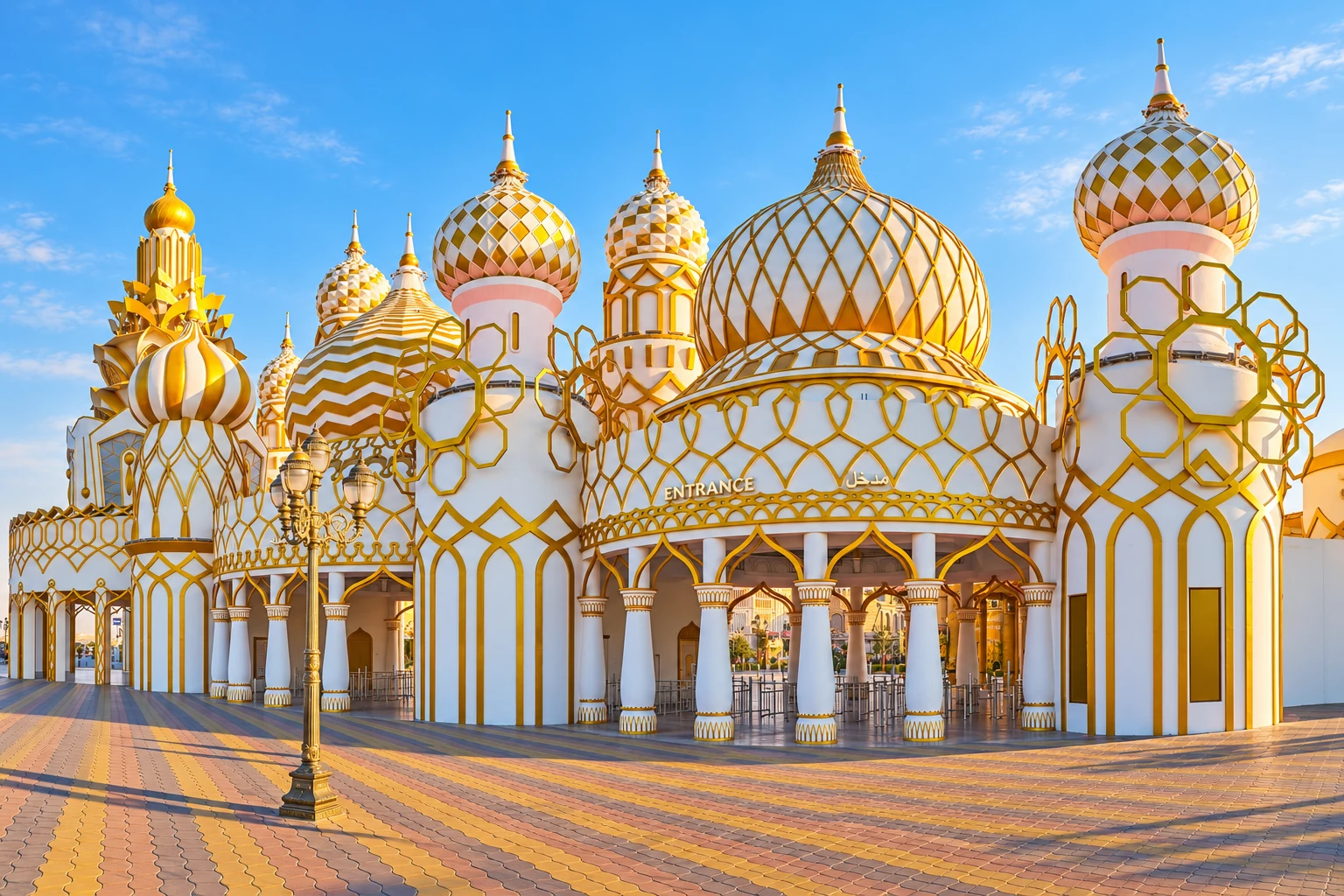
Occupancy estimates were 82% in 2018 and 83% in 2019, so demand is rising. Seasonal attractions return this month: Dubai Miracle Garden opens on 8 October 2026, Dubai Safari Park reopens on 12 October, and Global Village Season 31 runs from 14 October 2026 to May 2027. October is a shoulder month, hot but easing, and a good choice if you want attractions reopening before the crowds arrive.

November
November delivers comfortable outdoor weather, with a mean max of 30.7 °C, a mean min of 21.1 °C, and 5.9 mm of rain. Occupancy estimates, 86% in 2018 and 81% in 2019, sit below December through March. The month is busy with events, and outdoor events run from November to April.
The 2026 calendar included ADIPEC (2 to 8 November), which transfer providers list among the hardest weeks for getting around Dubai. The Festival of Lights at Meena Bazaar in Bur Dubai ran from 2 to 12 November, and Dubai Design Week from 3 to 8 November. Big 5 Global at the Dubai World Trade Centre ran from 23 to 29 November, and the Emirates Dubai 7s rugby tournament from 27 to 29 November. Abu Dhabi Culinary Season is also listed for November. If your dates are flexible, November gives the best ratio of weather to crowds.
December
December’s mean max is 26.5 °C and the mean min is 17.3 °C, with 14.8 mm of rain over 3.4 rain days. December is the peak month. December 2025 was the first month to pass 2 million international overnight visitors in Dubai, at 2.04 million, according to Dubai’s Department of Economy and Tourism (DET). Occupancy estimates were 90% in both 2018 and 2019.
The Dubai Shopping Festival runs from 4 December 2026 to 17 January 2027, according to Visit Dubai. The Abu Dhabi Grand Prix takes place on Yas Island from 4 to 6 December, with the race on Sunday 6 December. It sells out Yas Island hotels, and Dubai absorbs the overflow, so transfers between the cities become a real expense. GITEX Global follows from 7 to 11 December, with the Summit on 7 December at the Dubai World Trade Centre and the expo from 8 to 11 December at the Dubai Exhibition Centre in Expo City. Book hotels and transport early, and expect the highest rates of the year around these dates.

Weather by region
Dubai has the most complete record, shown in the table above. Winter days stay between 24.4 and 28.9 °C on average from January to March, and the summer peak is a mean max of 41.9 °C in August. The annual normals are a mean max of 34.0 °C, a mean min of 23.6 °C, and 79.2 mm of rain over 21.4 days with at least 1 mm.
Abu Dhabi follows the same seasonal shape. Climate records show a January mean of 19.4 °C, with a daytime max of 23.4 °C and a min of 15 °C, according to Abu Dhabi climate data. July’s mean is 34.9 °C with a max of 40 °C, and August is the highest mean at about 35.3 °C. Annual figures are an average of 27.9 °C and 42 mm of rain. Rainfall peaks in March at 11 mm and drops to zero in May. A second climate record puts July’s average high at 40.3 °C and low at 32.8 °C. Humidity is lowest in May, in the 43% to 49% range, and is higher in winter. The practical advice is the same as for Dubai: Abu Dhabi’s Grand Prix weekend, book fair, and festival season all fall in the cooler months.
The northern emirates and eastern mountains run cooler at night than the coast. The Jais Mountain reading of 20.1 °C in April is the clearest example. For Sharjah, Ras Al Khaimah, Fujairah, and Al Ain, check the forecast on the NCM website before choosing hiking or beach days, since the coastal summer heat applies there as well.
Crowds and hotel prices
Dubai’s hotel market shows the seasons clearly. In 2025 the city had 19.59 million international overnight visitors, up 5% from 18.72 million in 2024, with average occupancy of 80.7% (up from 78.2%) and an average daily rate of AED 579 (up 8% from AED 538). Hotels held 44.85 million occupied room nights, guests stayed an average of 3.7 nights, and the city had 154,264 rooms across 827 establishments at the end of December 2025. Western Europe was the largest source market at 4.1 million visitors (21%), and the GCC and MENA regions together made up 26%.
From January to August 2026, Dubai recorded 6.97 million international visitors and 21.61 million hotel nights, with an average daily rate of AED 470 and average revenue per room of AED 283. That period includes the summer months, so the average rate cannot be compared directly with the 2025 full-year figure of AED 579.
In the occupancy table, December through April run at or near the high end, summer drops sharply, and October and November climb back. Rates follow demand, so the same room costs the most around the Dubai Shopping Festival and the Grand Prix and the least from June through August.
Summer midday outdoor work ban
The UAE’s Ministry of Human Resources and Emiratisation (MoHRE) bans outdoor work in direct sunlight from 12:30 pm to 3:00 pm each day from 15 June to 15 September 2026, for another consecutive year, according to state news reports. The same window is reported by Gulf News and Khaleej Times. The rule governs employers and workers rather than visitors. Some essential work is exempt, but those employers must still provide shade, and MoHRE reports compliance above 99% in recent years. For a traveler, the effect is that construction and delivery schedules shift during those hours, and the rule itself signals how intense the afternoon heat is.
Choosing dates by trip type
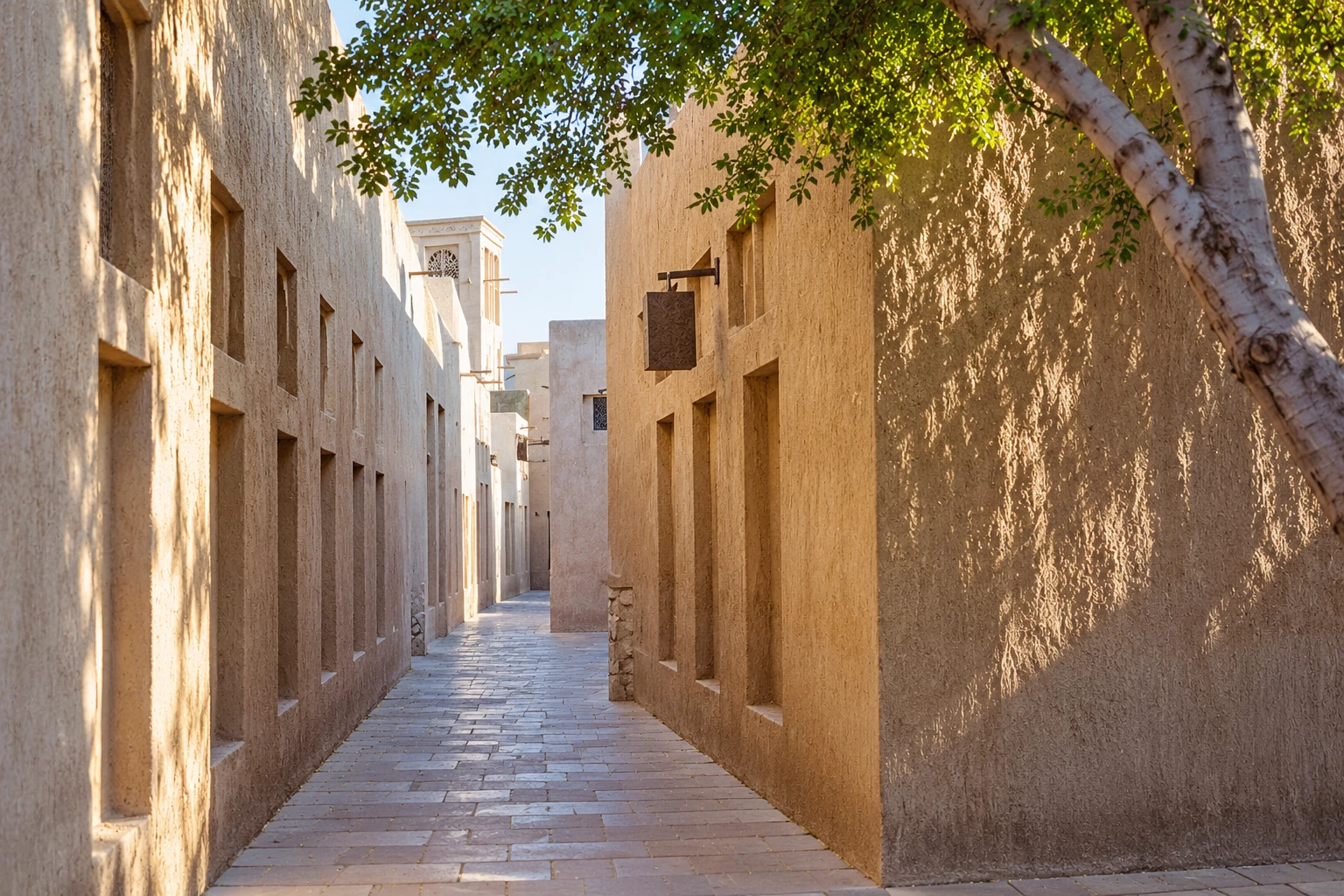
For desert safaris, beach days, and walking through old districts like Bur Dubai, aim for December through March, with January and February the coolest. For a first trip where comfort matters more than saving money, February is the driest month, and February and March pair mild days with a full event calendar, though you pay peak rates.
For a better ratio of weather to price, choose November. Daytime highs average 30.7 °C, events like Dubai Design Week and the Festival of Lights are running, and occupancy sits below the December peak. Late October is a second option if you want attractions like Global Village and Miracle Garden open while the crowds are still building.
For major events, book early. The Abu Dhabi Grand Prix, Dubai Shopping Festival, and GITEX all cluster in December, and the Dubai World Cup and Abu Dhabi Festival sit in March.
For the lowest prices, travel from June through August and plan the day around pools, malls, aquariums, and indoor attractions, with outdoor time kept to early morning and after dark. Summer Surprises adds retail promotions and entertainment in July and August. April and September are transition months. April can still be busy and expensive, while September stays hot and quiet.
Quick summary by season
- Choose November through March for outdoor travel: Dubai’s mean max is 30.7 °C in November and 24.4 to 28.9 °C from January to March, with little rain.
- Pick November for the best balance: Weather is comfortable, the event calendar is full, and occupancy estimates sit below those for December through March.
- Book early for December: The Dubai Shopping Festival, Abu Dhabi Grand Prix (race day 6 December 2026), and GITEX bring record visitor numbers and the year’s highest rates.
- Expect low prices and strong heat from June through August: Mean maxes run from 40.3 to 41.9 °C. Mean minimums pass 31 °C in July and August, and occupancy is at its lowest.
- Treat April, May, September, and October as shoulder months: Plan around mornings and evenings in April and around indoor attractions in May and September. In October, plan around seasonal reopenings.