Entering Czechia as a US Traveler

US citizens can enter Czechia without a visa for short stays. Czechia is one of the countries in the Schengen area, a group of European countries that share a common border-free travel zone, and the visa-free allowance covers the whole group. You can stay up to 90 days in any 180-day period, but that time must be unpaid. Your passport must remain valid for at least three months after you leave the Schengen area, and a 90-day trip calls for at least six months of validity.
Two newer systems affect the trip. The EU Entry/Exit System (EES) now records your fingerprints, photo, and entry and exit dates at the border. The planned EU Travel Information and Authorization System (ETIAS), a pre-travel online screening, is not yet in use. Border officers can also ask you to show money, medical insurance, and sometimes where you will stay and how you will leave.
How Long You Can Stay Without a Visa
The Czech Consulate General in Los Angeles states that a stay of up to 90 days in any 180-day period requires no visa, and that the stay must not be profitable, meaning no paid work. The Czech Embassy in Washington states the same rule for short-term, non-profit stays and was last updated on 7 June 2023.
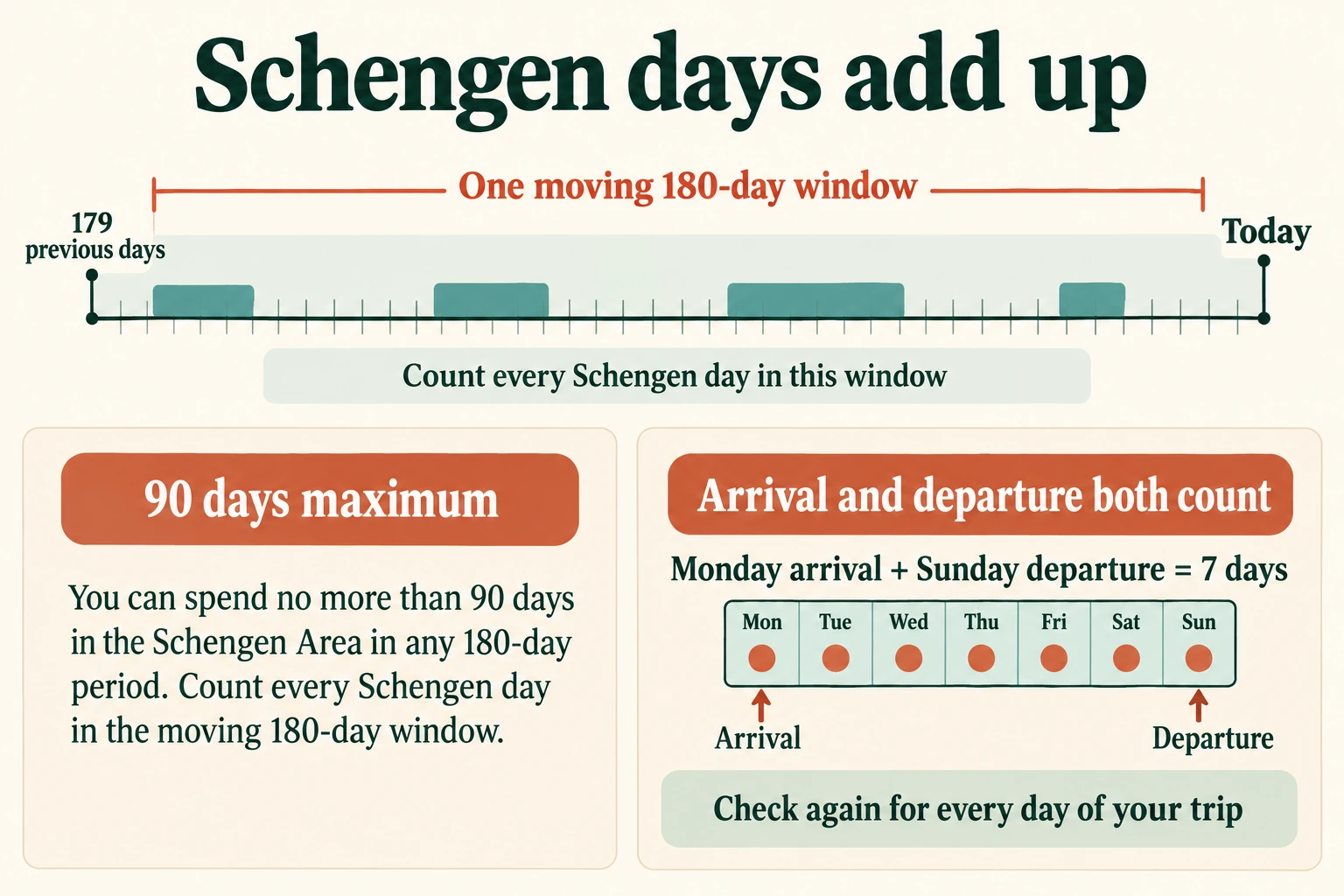
The 180-day window is a rolling count. Every day you spend in any Schengen country, Czechia included, counts toward the 90. The 90 days cannot be extended for tourism and do not reset when you leave the Schengen area, except in cases of hospitalization. Plan a week or ten days in Prague and a few days in another Schengen country, and count each day against the same allowance.
Passport Validity Rules
The Czech Embassy in Washington says your passport should be valid for at least three months after your planned departure from the Schengen area. For a full 90-day stay, the embassy recommends at least six months of remaining validity. The embassy page was last updated on 7 June 2023, so check the embassy’s travel document page before you book.
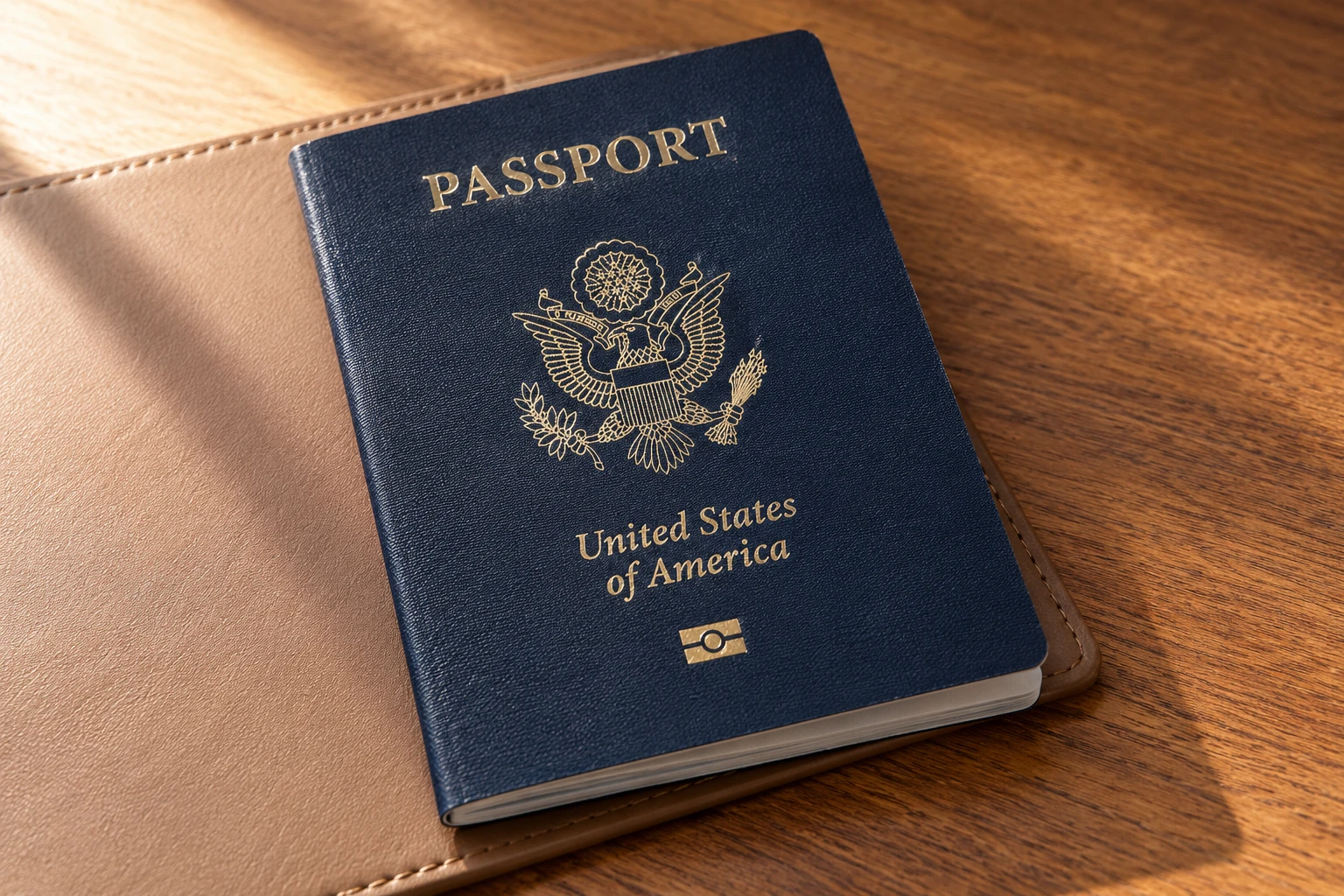
Renew your passport well before your trip if it expires within six months of the date you plan to leave the Schengen area. Border officers can refuse entry to travelers whose passports do not meet the validity requirement.
ETIAS Authorization and Timing
ETIAS is a travel authorization you apply for online before you arrive. US citizens are among the visa-exempt travelers who must hold one once the system launches. The European Union (EU) travel portal’s ETIAS frequently asked questions lists an application fee of EUR 20 when you apply through the official website. Applicants under 18 or over 70 are exempt from the fee, and certain family members of EU nationals are exempt if they meet the family-member conditions.
No start date has been set. The European External Action Service (EEAS) page places the ETIAS launch in 2027 under a revised timeline and says the exact date will be announced at least six months before operations begin. The launch is expected in 2027. The EUR 7 fee and the 2024 start date that appear in older material are no longer current. The EEAS page also says an approved authorization lasts three years or until the passport expires, whichever comes first.
ETIAS does not change the 90-day allowance. It adds a screening step before the trip, so once it launches, you will need an approved authorization in addition to the same length-of-stay limit.
How EES Changes Border Checks
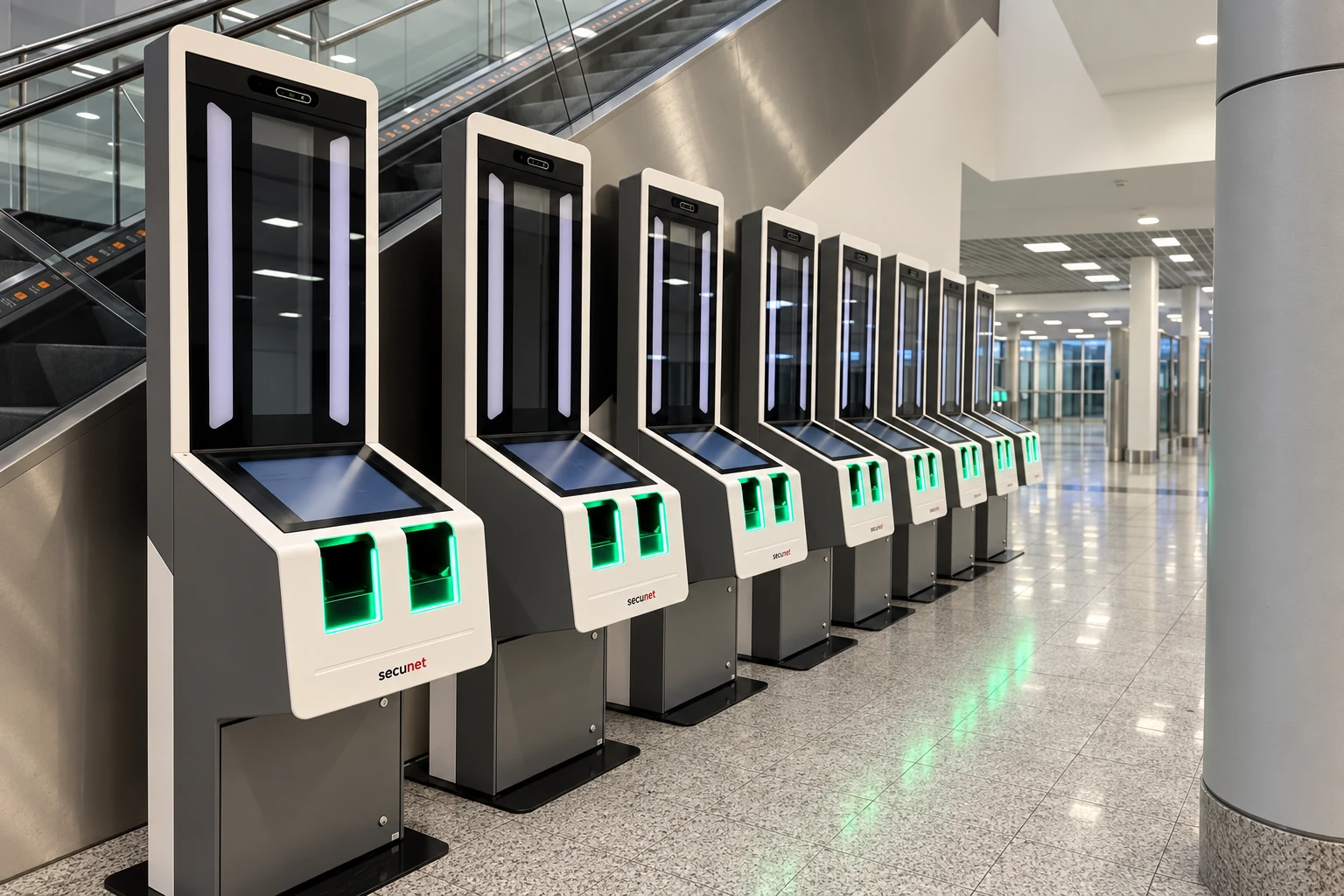
The EU Entry/Exit System replaces passport stamping with electronic records. The Czech Embassy in Oslo’s EES page, updated 19 October 2026, lists the rollout dates. The progressive rollout began on 12 October 2025. Full implementation at all external border crossing points took effect on 9 April 2026, and on 10 April 2026 electronic records replaced passport stamps. A six-month transition period followed, during which stamping continues and procedures can vary by crossing point.
The system stores your name, date of birth. It also keeps your travel document data, along with the dates and places of your entry and exit. The Los Angeles consulate’s EES page lists the rest. That includes your facial image and fingerprints, plus any refusal of entry. The data falls under Regulation (EU) 2017/2226. The system covers non-EU nationals on short stays of up to 90 days in any 180-day period, whether or not they need a visa. The system also excludes EU citizens, residence-permit holders, long-stay visa holders, and nationals of Andorra, Monaco, San Marino, and Vatican City.
The Oslo page also notes the official "Travel to Europe" app, which lets you pre-register your personal data before arrival. Pre-registration can shorten the line at the border, and the data you enter is the same data the officer checks at the counter.
At your first entry, an officer takes your facial image and fingerprints. On later entries, the system checks your identity against the stored record. Keep your passport with you at every crossing, because the record links to the document.
Questions Officers May Ask
The Los Angeles consulate states that Czech immigration authorities may ask you to prove you have enough money for the trip. You must also carry proof of valid travel medical insurance that covers hospitalization and treatment in Czechia. Bring the policy document, not only a card or an app screenshot, and check that the coverage period matches your entire stay.
Officers may also ask for proof of accommodation and evidence of onward or return travel, though not at every crossing. Bring a hotel confirmation for the first night and a copy of your return or onward ticket. Answer questions about your purpose of travel as tourism, and be ready to say how long you plan to stay and where you will go after Czechia.

Customs Limits for Tobacco, Alcohol, and Cash
The Czech customs administration’s traveler page lists duty-, excise-, and VAT-free amounts for tobacco brought in by air passengers from outside the EU. The allowances are 200 cigarettes, 100 cigarillos of up to 3 g each, 50 cigars, or 250 g of smoking tobacco. The same page also lists 100 g each for heated-tobacco refills and other tobacco products. The limit for e-liquid is 20 ml, and for nicotine pouches it is 100 g. The EU’s Your Europe portal places Czechia in the higher tobacco tier, so the higher limits do not apply.
The current alcohol limits are as follows. Spirits above 22% ABV are limited to 1 litre, sparkling or fortified wine to 2 litres, and still wine to 4 litres. You must be at least 17 to bring alcohol under these allowances. Keep a proof of purchase for personal-use goods. Without one, excise duty may be charged at the destination, or the goods may be lost.
Anyone entering or leaving the EU with EUR 10,000 or more in cash, or the equivalent in another currency, must declare it to customs. The same threshold appears in Czech-language guidance.

Medication and VAT Refunds
Carry prescription medication in its original packaging with a copy of the doctor’s prescription. Bring a quantity that matches the length of your stay, and declare the medication to a customs officer if asked. The Los Angeles consulate page lays out this guidance.

Foreign tourists can claim VAT refunds on goods they take out of the country. Czech citizens and residents cannot. The consulate page covers the rule, and the Czech tourism site explains the refund process in more detail. Ask the shop for a tax-free form at the time of purchase, and have the goods available for inspection at the airport or border.
How Other Passports Differ
The 90-in-180-day rule applies to visa-exempt nationals, and about 60 countries share that status according to the Schengen Area overview. Visa-required nationals need a Schengen visa, which allows travel across all member states. Check with the embassy or consulate of the Schengen country you will enter first to confirm which category applies to your passport.
Passport ranking lists count visa-free destinations in different ways, so totals for the Czech passport range from 118 to 189 depending on how each site defines "visa-free." For a comparison of how different passports are treated, use the visa-exempt or visa-required category and the length-of-stay rules, not the ranking totals. EU citizens fall outside the EES and do not face these entry rules at all.
Key Takeaways
- Stay within the 90-day limit: Count every day spent in any Schengen country against the 90 days in any 180-day period, and keep the stay unpaid.
- Renew early: Carry a passport valid for at least three months after you leave the Schengen area, and at least six months for a full 90-day stay.
- Watch the ETIAS date: Apply once the EU publishes a launch date, paying EUR 20 through the official website, and do not rely on the older EUR 7 figure.
- Prepare for the EES check: Expect fingerprints and a photo at your first entry. Carry proof of funds, medical insurance that covers hospitalization, and a hotel booking.
- Declare cash of EUR 10,000 or more: Keep proof of purchase for alcohol and tobacco, and remember that the age minimum for alcohol allowances is 17.