Day Trips from Tokyo to Nikko, Kamakura, and Hakone
Tokyo has several day-trip destinations, and three draw most independent travelers. Nikko is a mountain town known for its shrines and takes the longest to reach. Kamakura is a coastal city with temples and a giant bronze Buddha, and it is the shortest of the three trips. Hakone is a hot-spring resort area with views of Mount Fuji. A multi-day pass that covers its trains, cable cars, and buses works best there.
Two terms appear throughout. A "limited express" is a faster train that requires a reserved seat and an extra fare on top of the base ticket. A "free pass" allows unlimited rides on a defined set of lines or transport modes for a set number of days. Each price and rule below comes from the operator or an official tourism site and is dated, so you can check for changes.
Getting to Hakone
The fastest direct train is the Romancecar, a limited express operated by Odakyu from Shinjuku Station to Hakone-Yumoto Station. The official Hakone pass information describes a trip of about 80 minutes with about two trains per hour. The Romancecar requires a reserved-seat surcharge of ¥1,200 for adults and ¥600 for children when you board at Shinjuku. Some timetables list 85 minutes for the same run, so allow some extra time.
If you prefer to skip the surcharge, take a regular Odakyu train from Shinjuku and change at Odawara. The whole trip takes about two hours. Highway buses take longer. A transport comparison gives 100 to 130 minutes. The Shinkansen to Odawara followed by the Hakone Tozan train costs ¥3,740 or more, and it adds a transfer, so it suits travelers who are already on the bullet train.
Confirm the last return train before you plan an evening. The Odakyu FAQ cites a last Romancecar leaving Hakone-Yumoto at 7:50 p.m., but that time changes with the timetable, so check the Odakyu FAQ and the timetable on the day you travel.
Hakone Free Pass prices and rules
Most visitors get the best value from the Hakone Free Pass. Hakone Navi lists the following prices, effective October 1, 2025, on its discount pass page:
| Starting point | Validity | Adult | Child |
|---|---|---|---|
| Shinjuku | 2 days | ¥7,100 | ¥1,600 |
| Shinjuku | 3 days | ¥7,500 | ¥1,850 |
| Odawara (Hakone area only) | 2 days | ¥6,000 | ¥1,500 |
| Odawara (Hakone area only) | 3 days | ¥6,400 | ¥1,750 |
The pass is valid for two or three consecutive days, not for a fixed number of hours. The first day starts at first use, and the pass runs until the last train of the final day. Odakyu’s FAQ says the pass is more cost-effective than single tickets even on a trip that covers only part of one day, which makes it a reasonable choice for a long day in Hakone. A Shinjuku round trip on the Odakyu Line is included in the pass.
The pass covers the Hakone Tozan train, the cable car, the ropeway, the Lake Ashi sightseeing boat, and local buses. Hakone Navi also says the pass works on some Seibu and Sotetsu lines and on the Odakyu Highway Bus between Shinjuku and Gotemba for ¥1,000. Because bus routes differ, confirm with the driver before you board, since some destinations require an extra fare. The pass also gives discounts at about 70 partner facilities, and you can buy it up to one month before departure.
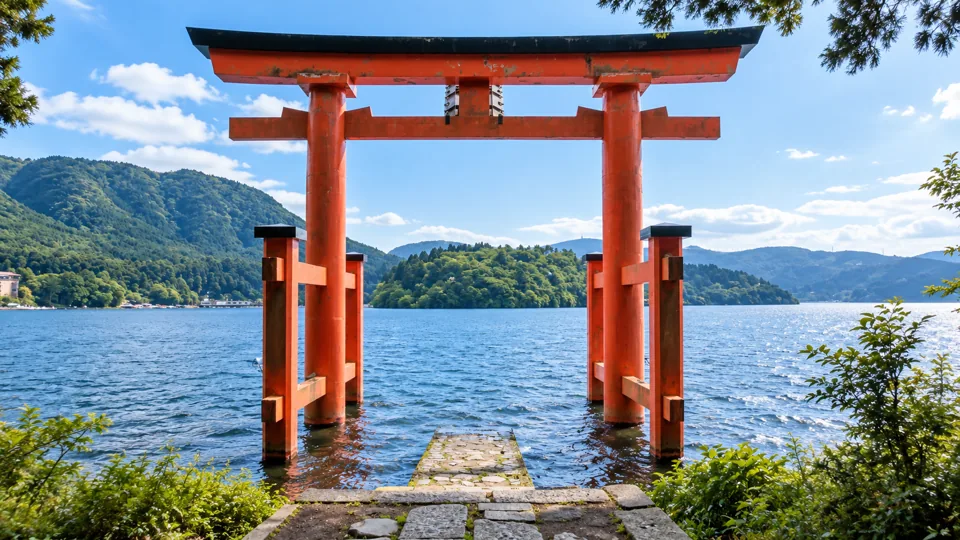
Things to see in Hakone
Most visitors follow a loop: a train up the mountain, a cable car and ropeway across the slopes, a boat on Lake Ashi, and a bus back to the station. Moto-Hakone Port on Lake Ashi is the usual boat stop, and a sample Odakyu itinerary shows a Hakone Tozan bus departing Hakone-Yumoto at 9:45 a.m. and arriving at Moto-Hakone Port at 10:17 a.m. Plan the loop in the order that suits your return train.
The main loop takes a full day. Allow 6 to 10 hours for the main loop, depending on how long you spend at each stop. The shorter version works for travelers who skip the hot springs. Reserve seats in advance on weekends, when the Romancecar and popular train runs fill.
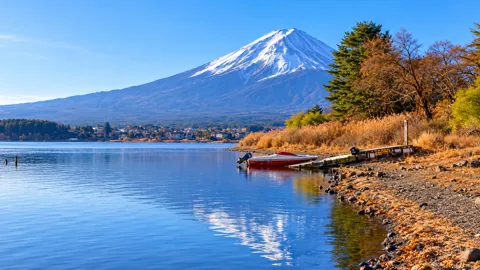
Hakone’s views of Mount Fuji depend on weather. Clear mornings give the best chance of a clean view, and cloud can cover the peak all day, so keep a second day in mind if the forecast looks poor. Hot springs, called onsen, are the other reason to stay longer, and the pass does not cover bathing fees.
Getting to Nikko
Nikko is the longest of the three day trips. The most direct option is the Tobu limited express from Asakusa Station. The ride takes about 1 hour 50 minutes on the SPACIA X, SPACIA, or Revaty trains. The Visit Nikko tourism site gives "about two hours" from both Asakusa and Shinjuku.
The local train from Asakusa is slower, taking about 2 hours 43 minutes to roughly three hours. Local and express trips often require one to three transfers, and some connections change at Shimo-Imaichi. If you plan to use a limited express, check whether your train runs directly to Tobu-Nikko or requires a change.
Limited express from Shinjuku is a second option. The limited express from Shinjuku takes about two hours, costs ¥4,140, and runs only one or two trains a day, jointly operated by JR and Tobu. Confirm the current schedule with Tobu or JR East before you plan a Shinjuku departure.
Nikko fares and the NIKKO PASS
The Asakusa base fare to Tobu-Nikko is ¥1,400 one way, or ¥2,800 round trip. The limited express surcharge comes on top and varies by train and season. A Spacia X ticket with standard seating starts at ¥3,140. Check the exact surcharge on Tobu’s official site before you buy, since it changes the total noticeably. Children pay half the limited express charge, rounded up to the next ¥10.
Visit Nikko’s official NIKKO PASS information describes two passes. The World Heritage Area Pass costs ¥3,000 for adults and ¥1,500 for children and is valid for two consecutive days. It includes one round trip from Asakusa, the World Heritage shrines and temples, and Kinugawa Onsen. The All Area Pass costs ¥8,000 for adults and ¥4,000 for children and is valid for four consecutive days. It adds unlimited travel around the Nikko area, including Lake Chuzenji, Okunikko, and Kinugawa Onsen.
The World Heritage Area Pass makes sense for a one-day trip if you would otherwise buy a plain round trip. A plain return ticket costs ¥2,800, which makes the pass ¥200 more. The pass adds local Tobu trains and buses from the station to the shrines, so it is worth more to visitors who plan to ride those local services. Neither pass includes the limited express, so you must buy that ticket separately.
Using a JR Pass for Nikko
JR East passes cover some Tobu trains to Nikko, but the rules are narrow. Reserved seats in ordinary cars are covered on specified through-running express trains to Nikko, Kinugawa, and SPACIA Kinugawa. Regular and rapid trains are covered between Shimo-Imaichi and Tobu-Nikko or Kinugawa-Onsen. Between Kurihashi and Shimo-Imaichi, only limited express trains that run through to Tobu are covered. Limited expresses that start and end at Tobu stations are not covered, and on limited expresses from some stations, one end of the trip must be a JR station.
The rules do not clearly cover a ride that starts at Shinjuku. The official JR East pages do not list Shinjuku departures, so confirm coverage with JR East before you rely on that route. If your trip begins in Asakusa, the NIKKO PASS is the simpler choice.
What to see in Nikko
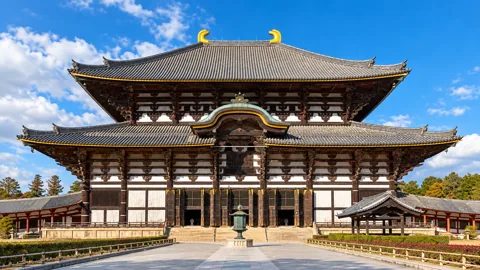
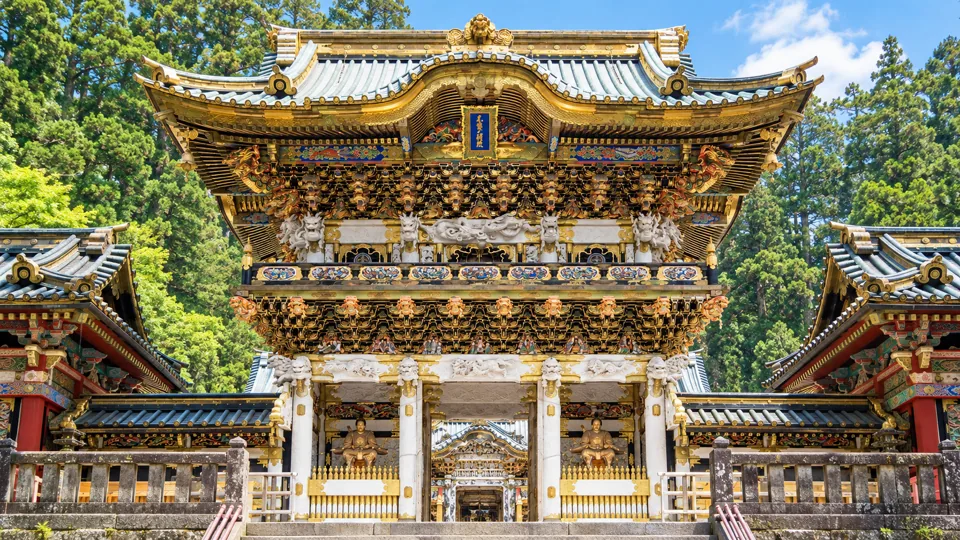
Toshogu Shrine is the central attraction, and the shrine complex and Kegon Falls are the usual highlights. The Visit Nikko pass descriptions name Lake Chuzenji, Okunikko, and Kinugawa Onsen as additional stops, and those places sit farther from the shrines, so they require extra time. A Nikko guide suggests a shrine complex and Kegon Falls visit takes six to eight hours, which fills a full day on its own.
Tobu runs steam-locomotive rides between Shimo-Imaichi and Kinugawa Onsen on Saturdays and public holidays, according to the Asakusa Station guide to the Spacia Kegon. Confirm the operating days with Tobu before you plan around it. Check each shrine’s own website for entrance fees and opening hours before you go.
A one-day Nikko trip is possible but tight. If you want Lake Chuzenji or Kinugawa Onsen, plan two days and use the All Area Pass or the World Heritage Area Pass.
Getting to Kamakura
Kamakura is the easiest of the three. The JR Yokosuka Line runs from Tokyo Station, and the JR Shonan-Shinjuku Line runs from Shinjuku. The Yokosuka Line takes about 56 minutes to one hour. The Shonan-Shinjuku Line takes about 53 minutes to one hour from Shinjuku. Check the JR East timetable for the day you travel, since times vary by train.
The listed one-way fare is ¥1,040. JR fares changed in March 2026, so confirm the current fare on the JR East site. Check with JR East whether a JR Pass covers the Yokosuka Line before you rely on one.
Kamakura and Enoshima sights
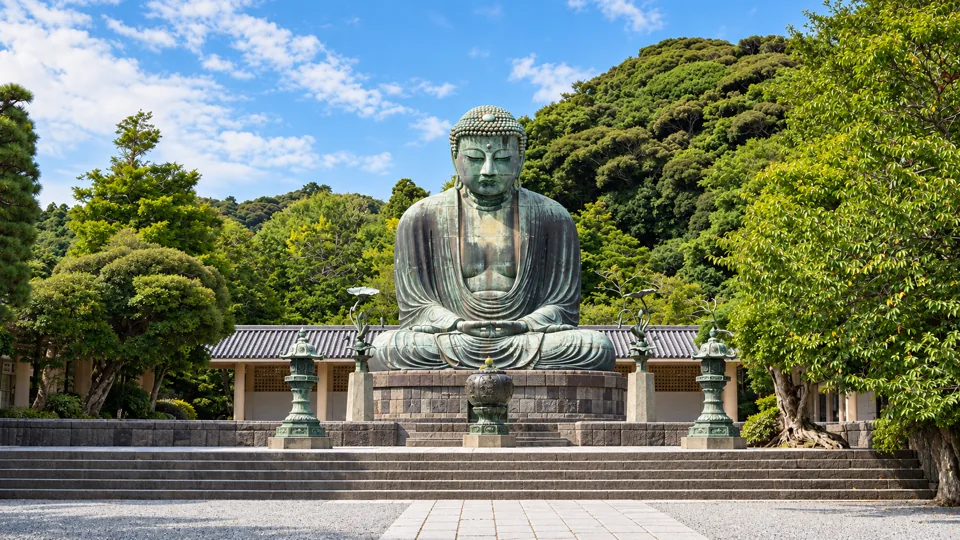
The Great Buddha at Kotoku-in is the most visited attraction in Kamakura. Entry costs about ¥300. Hase-dera, a hillside temple with views over the sea, costs about ¥400. Hokokuji, a temple known for its bamboo grove, sits in the same part of town. Tsurugaoka Hachimangu is about a 10-minute walk from Kamakura Station along a shopping street, and it makes a good first stop because it sits close to the station.
The sights cluster around three stations: Kamakura, Kita-Kamakura, and Hase. Walking between them takes time, and buses cover some gaps. Temples and shops close early, so plan the day for roughly 8:00 a.m. to 5:00 p.m. Five to eight hours covers the core sights.
Enoshima is a short ride away on the Enoden, the local tram line. The ride from Kamakura takes about 25 minutes, and from Hase about 20 minutes. Kamakura to Hase is about five minutes and ¥200. The Enoden runs about every 15 minutes, but check the current frequency before you go. Enoshima has an island shrine, sea caves, and an observation tower. On clear days, Mount Fuji is visible. Allow two to three hours there if you combine it with Kamakura in one day.
Enoshima-Kamakura Free Pass
The Enoshima-Kamakura Free Pass covers a one-day trip on the Odakyu Enoshima Line from Fujisawa to Katase-Enoshima, the full Enoden line, and a round trip on Odakyu from your departure station to Fujisawa. The operator’s official site, which lists the fare for each station, gives these adult and child prices for trips starting at selected stations:
- Shinjuku: ¥1,640 for adults, ¥430 for children
- Yoyogi-Uehara: ¥1,640 for adults, ¥430 for children
- Shimokitazawa: ¥1,570 for adults, ¥430 for children
- Odakyu Tama Center: ¥1,490 for adults, ¥430 for children
- Shin-Yurigaoka: ¥1,330 for adults, ¥430 for children
- Noborito: ¥1,400 for adults, ¥430 for children
- Machida: ¥1,180 for adults, ¥430 for children
- Yamato: ¥1,040 for adults, ¥430 for children
Across the listed stations, adult fares run from ¥1,040 to ¥1,640 and child fares are ¥430. The listed stations are examples, so check the full station list on the official site. Express trains require a separate ticket.
The pass is sold through the EMot online service, at Odakyu ticket machines and staffed windows, and at Odakyu Travel offices. Confirm the sales window with the operator before you buy.
The Enoden also sells a one-day ticket. The operator’s official figure is ¥800 for adults and ¥400 for children, which covers unlimited rides on the full line. A smartphone-only version is listed at ¥1,200, so confirm the current product before you buy. JR East’s Kamakura-Enoshima Free Ticket and Kamakura-Enoshima Pass ended sales on March 31, 2020, so do not plan around them.
Kawaguchiko, Yokohama, Kawagoe, and Atami
Kawaguchiko, on the Mount Fuji side of the Fuji Five Lakes, is about two hours from Tokyo, with a listed price from ¥2,000. Yokohama is about 30 minutes away, Kawagoe about 45 minutes, and Atami about 45 minutes. Check the rail operator’s timetable for each route before you commit a day. Kawaguchiko depends heavily on weather, and fall weekends bring crowds that need advance booking.
Choosing a trip for your schedule
If you have one day and want a relaxed route, choose Kamakura and Enoshima. The trip requires no reservations, the trains run frequently, and the Enoshima-Kamakura Free Pass covers the local transit. If you have a full day and want mountain scenery and hot springs, choose Hakone and buy the Hakone Free Pass, which pays for itself on a loop that includes the cable car, ropeway, and boat. If you have two days, Nikko works well, because the shrines take most of a day and the surrounding areas take the rest.
The rail pass question depends on your starting point. A JR Pass covers JR-operated lines, and Hakone’s main trains run on Odakyu and Hakone Tozan, so the Hakone Free Pass is the pass to compare for that area. For Nikko, the NIKKO PASS usually costs less than buying the round trip and extra local tickets separately, and the JR East pass rules apply only on certain trains.
Before you book
- Buy the Hakone Free Pass for a loop trip: The Shinjuku two-day pass costs ¥7,100 for adults and ¥1,600 for children, effective October 1, 2025, and covers the Hakone trains, cable car, ropeway, and Lake Ashi boat.
- Confirm Nikko surcharges before you book: The Asakusa base fare is ¥1,400 one way, but the limited express surcharge ranges widely across published guides, so check Tobu’s official fare before you pay.
- Pick Kamakura for a short day: JR trains from Tokyo Station or Shinjuku take about one hour, and the Enoshima-Kamakura Free Pass adds the Enoden tram.
- Plan two days for Nikko: The shrines fill most of a day, and Lake Chuzenji and Kinugawa Onsen need time on top of that.
- Verify JR coverage for Tobu: JR East rules cover only certain trains to Nikko, and the official pages do not list Shinjuku departures.