Austria Travel Costs: Daily Budgets, Prices and Ways to Save
A first trip to Austria costs about €120–190 per day for a budget traveler, €210–340 per day at mid-range, and considerably more per day at the luxury end. These ranges are for one person in Vienna, Austria’s capital and its most visited city. The most current published figures cover Vienna, so the lodging, transit and sightseeing numbers below all refer to it. This guide does not cover prices in smaller cities or mountain towns, where prices can differ.
Each daily total adds up one night in a double room, three meals, a day of public transit and one major sight. A traveler sharing the room cuts the lodging share roughly in half. Lodging is the biggest line in every budget, and the main difference between the three levels is where you sleep and how you eat dinner.
Prices were last checked on 31 October 2026, and several of them changed during 2026. Vienna’s transit fares and ticket types were reorganized on 1 January 2026, and one Belvedere museum raised its admission in September 2026. Check the operator’s page before you book. All amounts are in euros unless a dollar sign appears.
Daily Budgets at Three Comfort Levels
The table adds up the component prices covered in the sections that follow. Each total is the sum of the low ends and the sum of the high ends, so real days land anywhere between them.
| Component | Budget | Mid-range | Luxury |
|---|---|---|---|
| Lodging (double room, per night) | €70–110 (2–3 star) | €130–220 (3–4 star) | Highest rates (5 star) |
| Food (per day) | €26–43, or €15–25 if self-catering | €39–73 | Varies widely |
| Transport (per day) | €9.70 (24-hour ticket) or €3.00 per single ride | €9.70 | €9.70 |
| One major sight | €12–23 | €32–38 | €44–81 |
| Daily total | ? €118–186 | ? €211–341 | Well above mid-range |
The budget traveler sleeps in a 2–3 star pension or chain hotel, eats a bakery breakfast, a sausage or lunch special at midday and an inexpensive dinner, and visits either Belvedere 21 (a contemporary art museum) or the Upper Belvedere. The mid-range traveler has a 3–4 star room, a café breakfast, a lunch special, a two-course dinner with a drink, and a combined Belvedere ticket or the Schönbrunn palace. The luxury traveler stays in a five-star hotel, eats a traditional restaurant dinner or a tasting menu, and buys one of the larger Schönbrunn passes.
Transport barely changes across the three levels because Vienna’s public transit is the same for everyone. A 24-hour ticket at €9.70 covers the day at any comfort level, and a taxi or private transfer is the only extra a luxury traveler adds. Since transit costs the same at every level, the three totals differ mainly because of lodging and dining.
Two items sit outside the table. Day trips by train out of Vienna are priced by distance, and the section on trains below covers how to cut those. Souvenirs, evening drinks and tips are not included either. Add a cushion for them to keep the plan realistic. The cushion is your own allowance, and no price list sets it.
Lodging in Vienna
Lodging is the largest cost. Room rates depend more on star rating and month than on neighborhood.
Budget rooms
A 2026 Vienna trip-cost guide lists double rooms at 2–3 star properties for €70–110 per night, with Pension Sacher, Hotel Drei Kronen and ibis Wien Hauptbahnhof as named examples. Budgetyourtrip, which averages 371 budget hotels, reports a $73 average and a $73 median, with high-season averages near $135. The gap between $73 and $135 shows how much the month matters at this level.
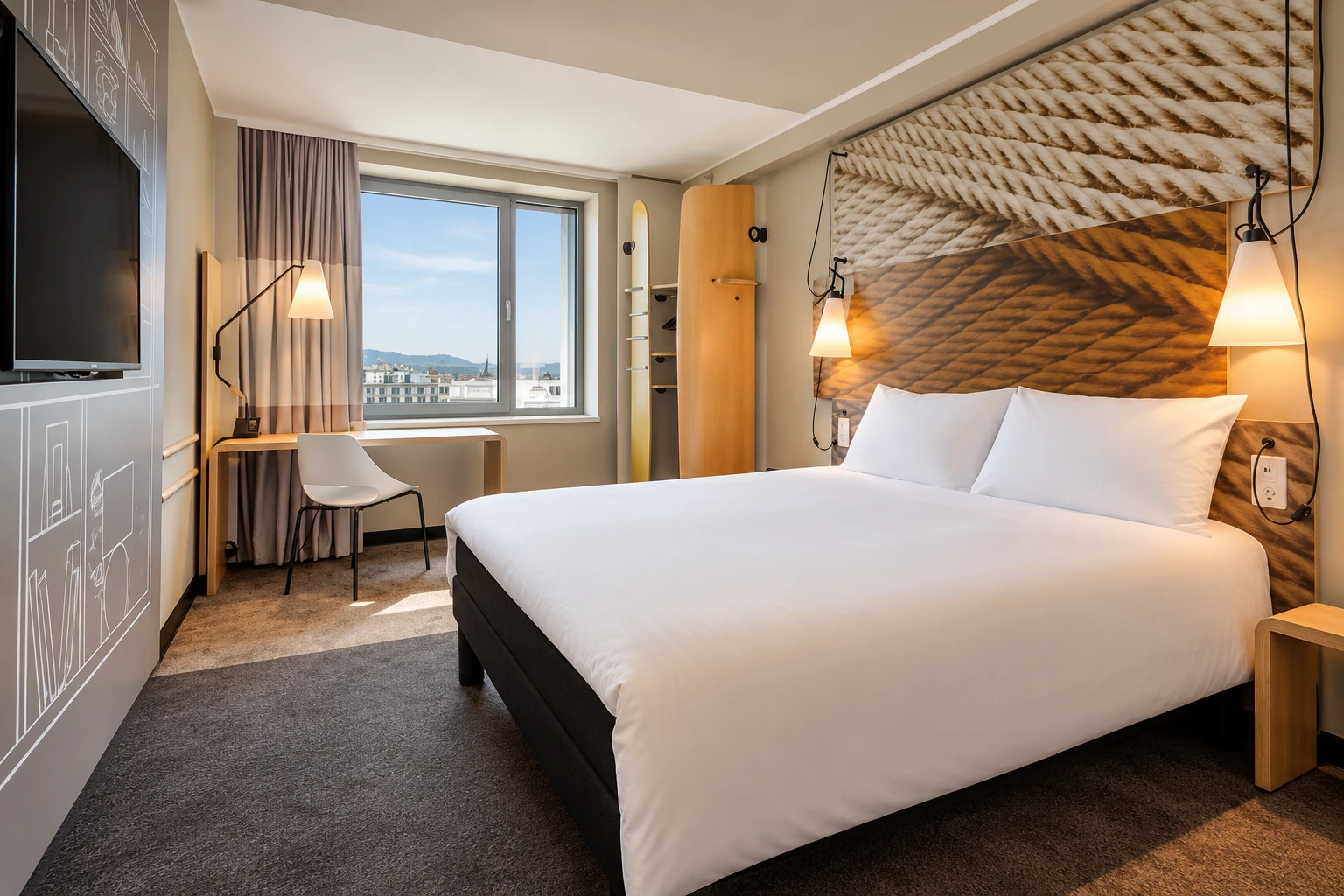
HotelsCombined’s budget hotel page identifies June as the cheapest month for budget hotels and May as the most expensive. Averages from different booking sites vary widely. HotelsCombined’s own budget average of about $299 is far above the other figures, so this guide leaves it out of the estimates because it looks like an outlier.
Mid-range rooms
The Vienna guide puts 3–4 star rooms at €130–220 per night. A separate mid-range hotel guide describes 4-star properties at €120–220 in shoulder season (the months between peak and low season) and higher rates in peak season, which it lists as May, September and December. Radical Storage gives a slightly lower €110–200 range. If your dates fall in a peak month, expect the upper half of any mid-range figure, and plan for the top of the range for a 4-star room.
Luxury rooms
Four-star rooms run €200–330 and five-star rooms cost considerably more, according to the same Vienna guide. Examples include Hotel Sacher, Park Hyatt, Bristol and Imperial. A five-star room is the main driver of the luxury total, which also reflects the most expensive meals and sight pass. HotelsCombined’s luxury hotel page advises booking at least 7 days ahead to get the best rates.
Choosing where to put the money
Room rates rise with star rating, so the easiest way to save is to book one star level lower if you will be out most of the day. Vienna’s transit makes a room near a U-Bahn or Schnellbahn stop (the metro and the commuter rail network) as practical as a central one, and the 24-hour ticket covers every ride. A traveler who books a budget pension near the Hauptbahnhof, Vienna’s main train station, spends the savings on a good Mittagsmenu lunch and a combined Belvedere ticket and still ends up well under the mid-range total.
Food and Drink
A Mittagsmenu is a fixed-price lunch special that many Viennese restaurants serve on weekdays. It is the best food value in the city: the Vienna guide puts these lunches at €9–15 for a complete meal that would cost €20–30 at dinner. Treating lunch as the main meal lowers the food budget more than any other change.
Casual and budget eating
The same guide prices a Würstel (a sausage sold with bread and mustard at stands) at €4–6, and a bakery breakfast of coffee and pastry at €5–8. Its cheap eats guide lists full meals at Naschmarkt restaurant stalls for €8–12 and a weekday lunch at Café Hawelka for €10–13. Naschmarkt is Vienna’s best-known food market. BudgetTraveller lists Trzesniewski’s open-faced sandwiches at €1.80 each, with the main branch at Dorotheergasse 1, and also lists lunch deals at its cited restaurants.
An inexpensive restaurant meal outside lunch hours is about €12–20, according to Travelpander’s food cost guide. The same guide puts coffee or beer in cafés at about €3–5. Adding those figures gives the €26–43 per day budget total: a bakery breakfast, a lunch special or Würstel, and an inexpensive dinner.
Sit-down meals and traditional restaurants
A mid-range dinner of two courses with one drink costs €25–50 per person, according to the Vienna guide. Travelpander quotes the same €25–50 range for three courses without a drink. The famous schnitzel houses, Figlmüller and Plachutta, run €30–55 per person. A Heuriger (a wine tavern serving the producer’s own wine, usually with a buffet) charges €18–30 for the buffet plus €3–5 per glass.
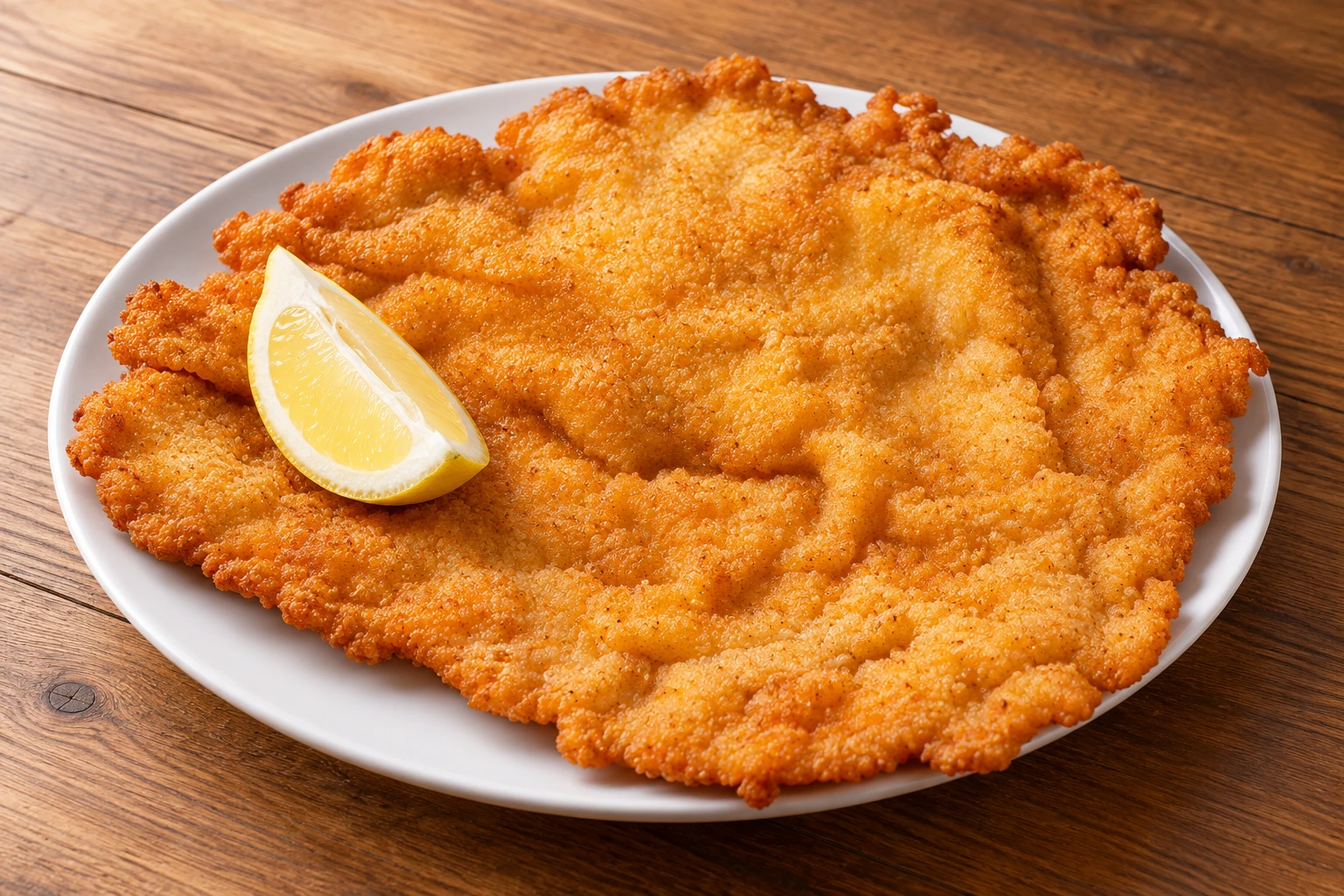
At the top, fine dining with one or two Michelin stars runs €80–160 per person for a tasting menu. A luxury day that pairs a lunch with a traditional dinner costs more, and a day built around a tasting menu costs more still.
Self-catering
Apartment stays cut food costs further. Daily groceries for two people at Spar, Billa or Hofer (Austrian supermarket chains) come to €30–50, per the Vienna guide, which works out to €15–25 per person. Travelpander estimates monthly groceries for one person at €200–350, which is a resident’s figure and mainly shows how cheap supermarket food is next to restaurants. A practical mix for a visitor is supermarket breakfast and a picnic, a Mittagsmenu lunch as the one hot meal, and a single dinner out.
Getting Around: Vienna Transit and Austrian Trains
Vienna public transport
Vienna’s transit operator, Wiener Linien, changed its fares on 1 January 2026. According to its tariff factsheet, a digital single ride is €3.00, with a reduced fare of €1.50. The 24-hour ticket costs €9.70 online and runs for 24 hours from the start time you choose. It covers unlimited trips on public transport in the Kernzone Wien, the core fare zone that covers the city. This includes the ÖBB Schnellbahn (the national railway’s commuter trains) and the Wiener Lokalbahnen as far as Vösendorf-Siebenhirten.
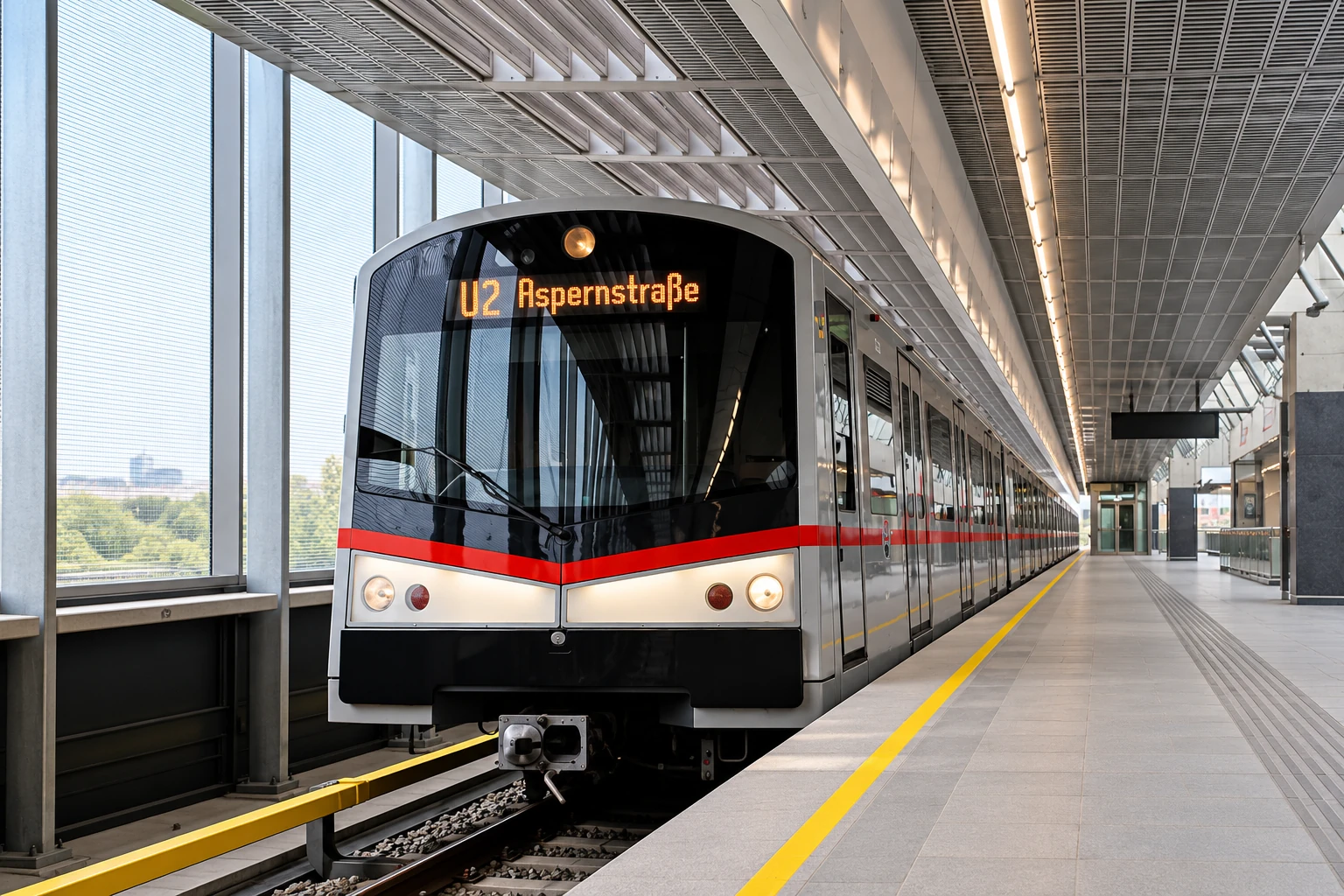
Longer tickets are cheaper per day. The 7-day ticket costs €25.20 online and runs for 7 days from the date you choose. The 31-day ticket is €65.20 online. Three separate 24-hour tickets cost more than one 7-day ticket, so the 7-day ticket wins from the third day. A traveler staying a week with several rides a day saves money by buying the 7-day ticket at the start.
Single rides cost less than the 24-hour ticket only on light days: three single rides cost slightly less than the €9.70 ticket, but a fourth ride costs more. Anyone planning a museum in the morning, a market at lunch and a return to the hotel after dinner should buy the day ticket.
The 48-hour and 72-hour tickets were discontinued on 1 January 2026, and Wiener Linien now recommends the 24-hour or 7-day ticket. Guidebooks and blog posts written before 2026 still list the older options, so check the date on any transit advice you read.
ÖBB trains
For travel beyond Vienna, the national railway ÖBB sells a discount card and advance fares. The Vorteilscard Classic costs €73 for one year and gives 50 percent off standard ÖBB tickets within Austria. It is sold at shop.oebbtickets.at, in the ÖBB app, at ticket desks and at travel agencies, and requires photo ID. Because it halves fares, the card pays for itself once the full-price tickets you would otherwise buy add up to twice its price. The Vorteilscard Senior is open to travelers aged 65 and over.

The same page lists a Vorteilscard Family at €21 for one year, open to anyone aged 15 and over. Children up to age 6 ride free within Austria, and up to four children travel free with each Sparschiene ticket.
Sparschiene is ÖBB’s advance-purchase fare. According to ÖBB’s fare information, prices start at €19.90 in 2nd class and €29.90 in 1st class, or from €9.90 in 2nd class with a Vorteilscard. Tickets are released exactly 180 days before travel, and the lowest fares are most available on release day. The cheapest fares tie you to one train, because Sparschiene tickets cannot be exchanged or refunded.
Regional trains in the Vienna area are priced by distance. The KlimaTicket Österreich is valid on all services of the Vienna-region transport network, VOR. The annual Österreichcard costs €1,889 for Classic and €2,024 for Family, according to Trainline, and only suits extended, heavy rail travel. A first-time visitor on a one- or two-week trip is better off with a Vorteilscard or Sparschiene fares.
Sightseeing Costs
Palace tickets are the largest sightseeing cost. Combined tickets cost less per site when you visit more than one.
Schönbrunn Palace
Schönbrunn is the former imperial summer residence. According to the official website as quoted by BerichtJournal, a palace ticket starts at €38 for adults. The Classic Pass, which adds four gardens, costs €49 for adults and €36 for children. The Classic Pass Plus, which adds the zoo and six gardens, costs €81 for adults and €58 for children. Children under 6 enter free.
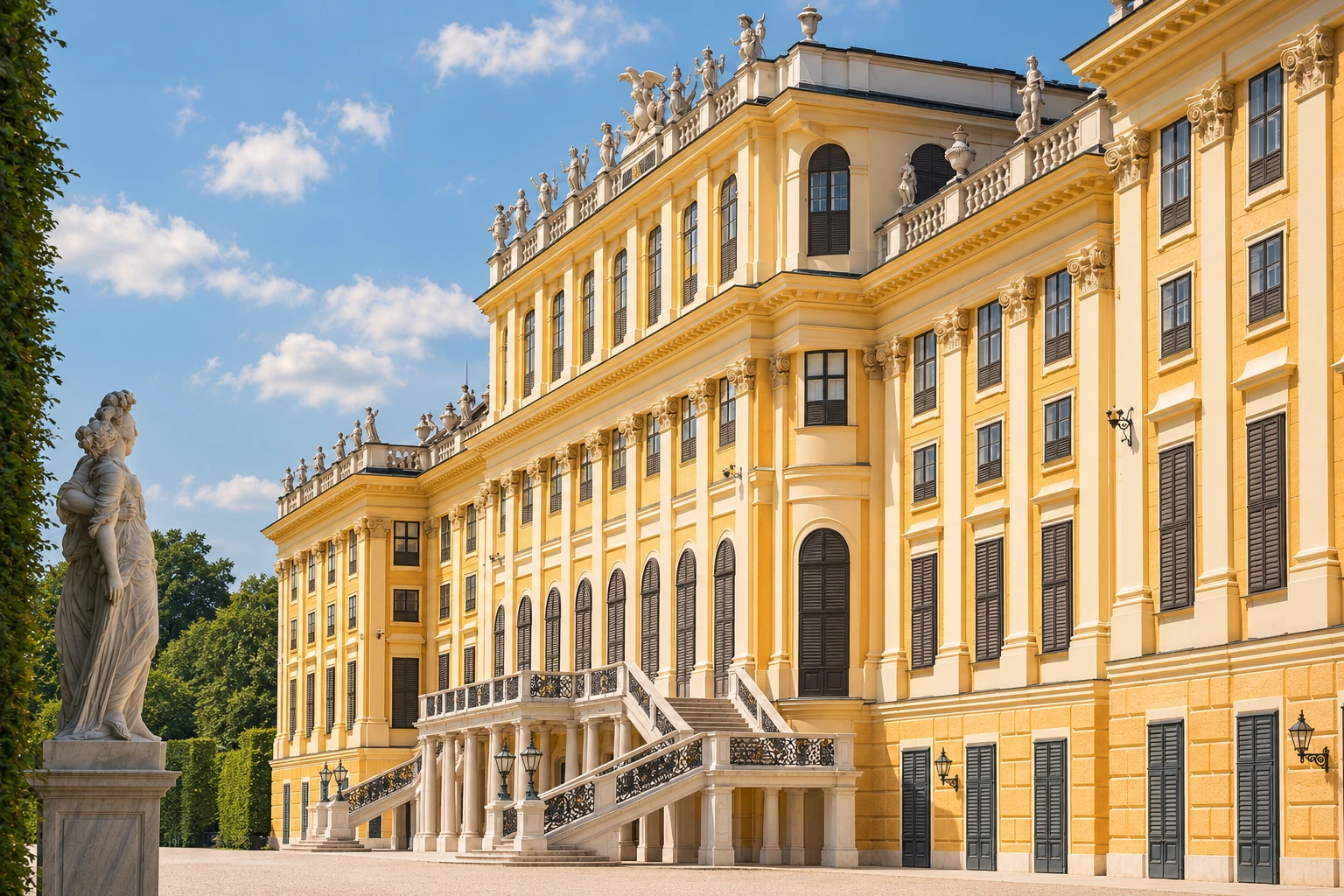
Entry is by fixed time slot, and online booking is recommended to avoid queues. The palace grounds, the Schlosspark, are free all year and open daily from 6:30. A traveler on a tight budget can walk the grounds for nothing and skip the interior, or pay the €38 palace ticket and still stay inside the mid-range total.
Belvedere
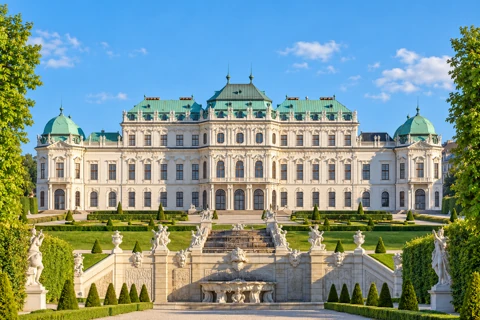
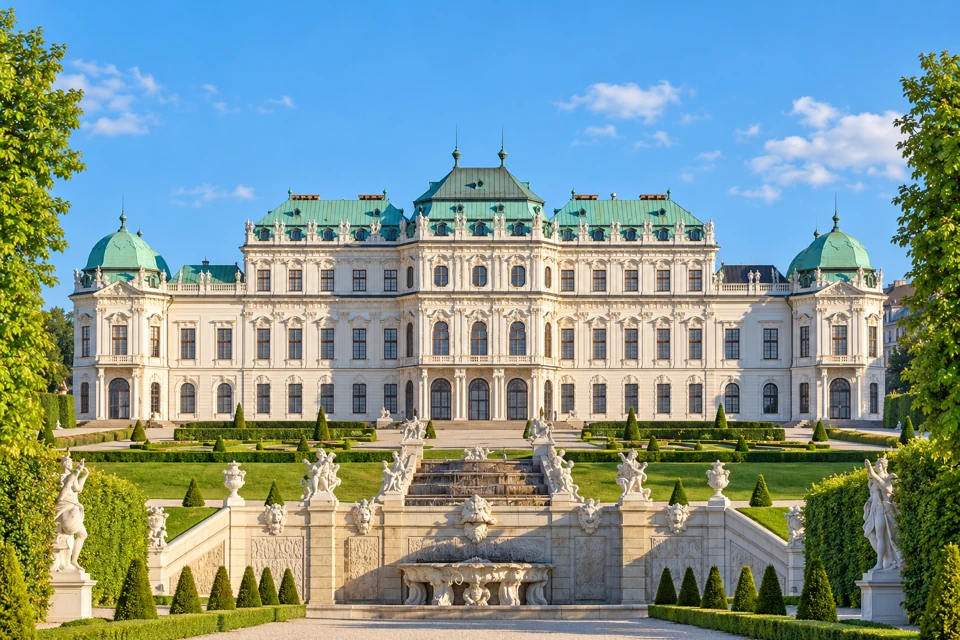
The Belvedere has three venues: the Upper Belvedere, the Lower Belvedere and Belvedere 21. According to the museum’s July 2026 price page, the Upper Belvedere costs €23 for adults, €19 reduced and €8 with a disability card. Under-19s and companions of disability-card holders enter free. Belvedere 21 costs €12 for adults and €8 reduced.
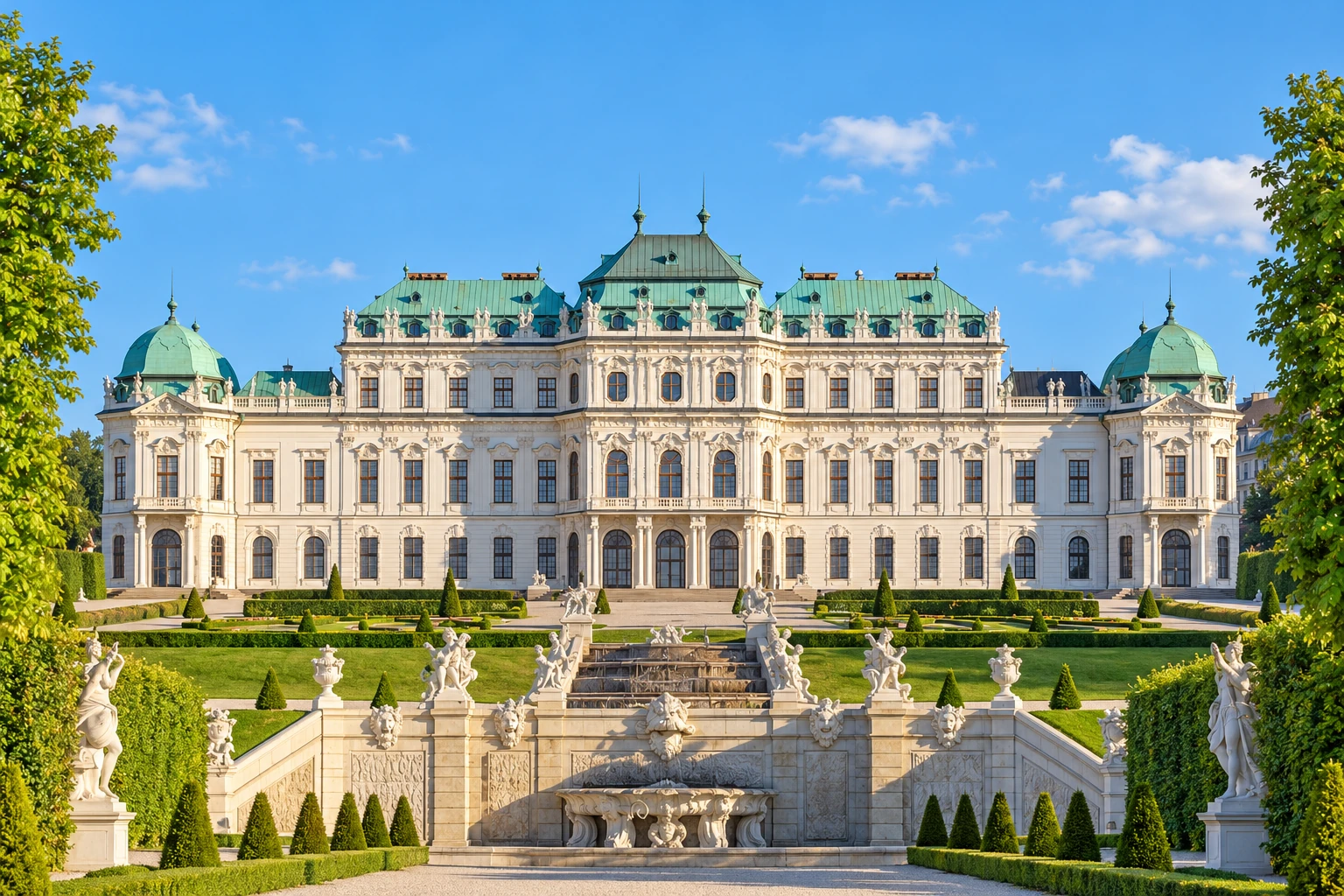
The Lower Belvedere raised its adult price on 18 September 2026. Ticketlens lists €20 from that date, €16 reduced, where adults paid €17 through 17 September. The reduced rate applies to visitors aged 65 and over and to students under 26.
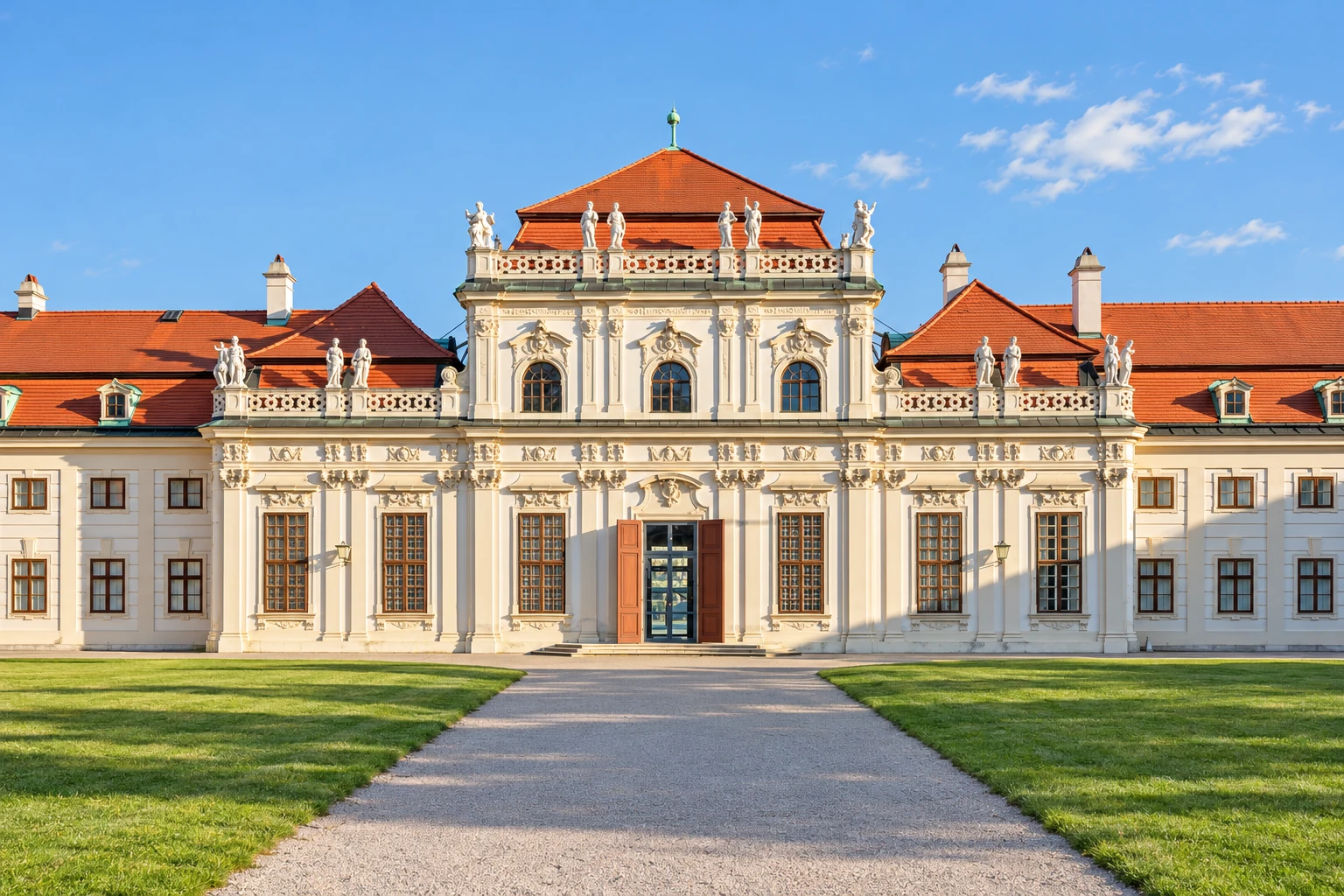
The combined tickets save the most. Upper plus Lower costs €32 (€25 for seniors and students) which is cheaper than buying them separately. All three venues cost €34 (€27 for seniors and students), also cheaper than buying separately, so Belvedere 21 adds only a little over the Upper plus Lower ticket. Upper and Lower use timed entry, and on a combined ticket the Upper slot sets the time of your visit, so book that slot first.
Kunsthistorisches Museum
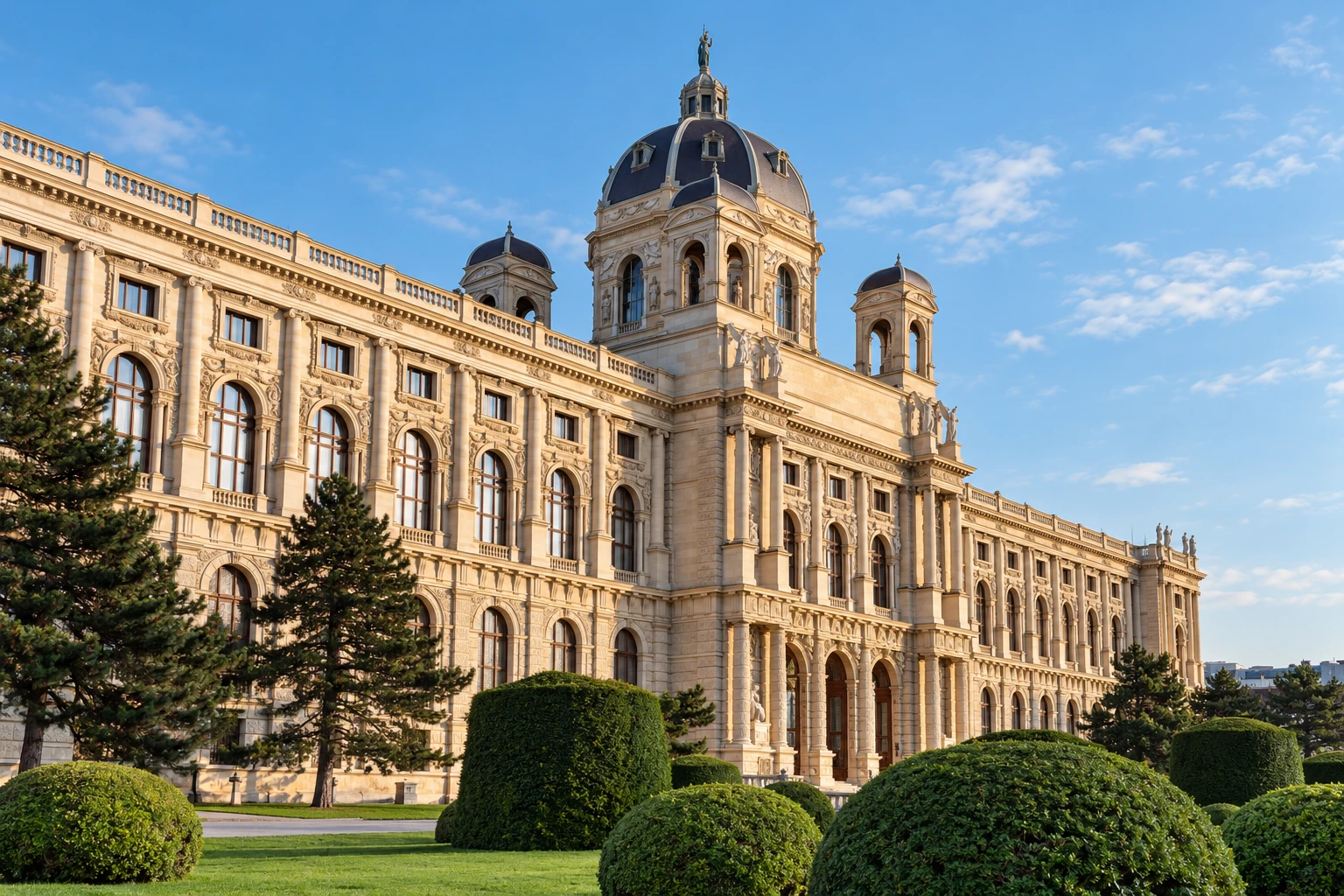
The Kunsthistorisches Museum (KHM) is Vienna’s main art history museum. The ticket marketplace Tiqets lists KHM skip-the-line tickets from about $24.73 and a KHM plus Upper Belvedere combination from $50.57, discounted to $48.05. Those are marketplace prices in US dollars. Check the museum’s own site for its admission fee before booking.
How sights fit each budget
A budget day spends €12–23 on one site, which means Belvedere 21 or the Upper Belvedere alone. A mid-range day spends €32–38, which buys the Upper plus Lower Belvedere ticket or the Schönbrunn palace. A luxury day spends €44–81 on a Schönbrunn Classic Pass or Classic Pass Plus. Most visitors do not need a major paid sight every day. Pairing a paid morning visit with a free afternoon in the Schönbrunn grounds, the Naschmarkt or the old town brings the weekly average well below the daily figures in the table.
Ways to Save
The largest saving is the Mittagsmenu. A €9–15 lunch special replaces a dinner that would cost €20–30, so eating the main meal at lunch saves money every day. Pair that with supermarket breakfasts from Spar, Billa or Hofer, or with produce from the Naschmarkt or Brunnenmarkt, and the budget food total drops toward the €15–25 self-catering range.

For transit, buy a 24-hour ticket on days with four or more rides and the 7-day ticket for a stay of three days or longer. Skip any advice that mentions 48-hour or 72-hour passes, because those no longer exist.
On sights, choose the combination ticket that matches your plans. Upper plus Lower at €32 beats buying the two palaces separately, and the all-three ticket at €34 costs only a little more. Book Schönbrunn on the official site to lock in a time slot and avoid the queue. Use the free entries: the Schlosspark costs nothing, children under 6 enter Schönbrunn free, and under-19s enter Belvedere free. Seniors aged 65 and over and students under 26 get reduced Belvedere rates, so carry ID and ask about reductions elsewhere.
For rail travel outside Vienna, the Vorteilscard Classic at €73 pays off once your full-price tickets add up to twice its price. Families with children can use the €21 Vorteilscard Family, and children up to age 6 ride free. Sparschiene fares go on sale 180 days ahead and the cheapest ones sell out, so decide on your dates early and book on release day. Accept that those tickets cannot be changed.
For lodging, travel in June if your dates are flexible, since it is the cheapest month for budget hotels, and avoid May, September and December, when mid-range 4-star rooms cost more. Book luxury hotels at least 7 days ahead. Share a double room to halve the lodging cost per person, which at mid-range cuts each traveler’s share of a €130–220 room.
Key Takeaways
- Plan on €120–190 (budget), €210–340 (mid-range) or considerably more at the luxury level, per person per day in Vienna. Lodging drives the totals. Rooms run €70–110 at 2–3 star and €130–220 at 3–4 star, and cost far more at five-star.
- Buy a 24-hour (€9.70) or 7-day (€25.20) Vienna transit ticket. The 48-hour and 72-hour tickets were discontinued on 1 January 2026, and the 7-day ticket beats three 24-hour tickets.
- Make lunch your main meal. A Mittagsmenu costs €9–15 for a meal that runs €20–30 at dinner.
- Choose Belvedere combinations over single tickets. Upper plus Lower is €32 and all three venues are €34, both cheaper than buying separately.
- Use the free options. The Schönbrunn grounds are free all year, children under 6 enter Schönbrunn free, and under-19s enter Belvedere free.
- Book trains and rooms early. Sparschiene fares open 180 days before travel and cannot be refunded. A Vorteilscard Classic (€73) halves standard fares, and June is the cheapest month for budget hotels.