Getting Around Austria
Austria is landlocked, so travelers get around by train, bus, plane, or car, and the best choice depends on the route. Between the main cities, the train is the default. ÖBB, the national railway, sells advance Sparschiene fares for €9.90 in 2nd class and €19.90 in 1st class. Buses cost less on some cross-border routes and reach villages without rail service. A flight saves time only on the longest domestic trip, Vienna to Innsbruck.
Driving requires a motorway vignette, a toll pass for Austrian motorways, which goes fully digital on 1 December 2026. Taxis and ride-hailing apps cost almost the same in Vienna.
Which Mode Suits Which Trip
The table pairs common trips with the mode that usually fits them, using the fares and times detailed in the sections below.
| Trip | Best fit | Typical cost | Typical time |
|---|---|---|---|
| Vienna to Salzburg, Linz or Graz | Train | Sparschiene from €9.90 (Vienna to Graz, 2nd class) | Salzburg 2h22m, Linz 1h15m, Graz 2h35m |
| Vienna to Innsbruck, time-critical | Flight | Fares from €119 | About 55 minutes in the air; train 4h15m |
| Vienna to Klagenfurt | Train or flight | Flights from €119 | Flight about 40 to 45 minutes; train 4h |
| Munich to Salzburg on a budget | Bus | €8 to €13 one way | About 2h to 2h20m |
| Overnight between major cities | Nightjet | Seats from €24.90 | Bregenz to Vienna about nine hours |
| Motorway driving | Car with vignette | €9.60 for one day to €106.80 for the year | Varies |
| City hops and airport runs | Taxi or ride-hail | About €9 to €14 for 3 to 5 km | Varies |
Pick the train for city-to-city trips unless the destination is Innsbruck and the clock matters. Pick the bus when a rail fare is high or no train serves the town. Pick a car when the itinerary includes valleys and villages that run on infrequent public transport.
Trains and Sparschiene Fares
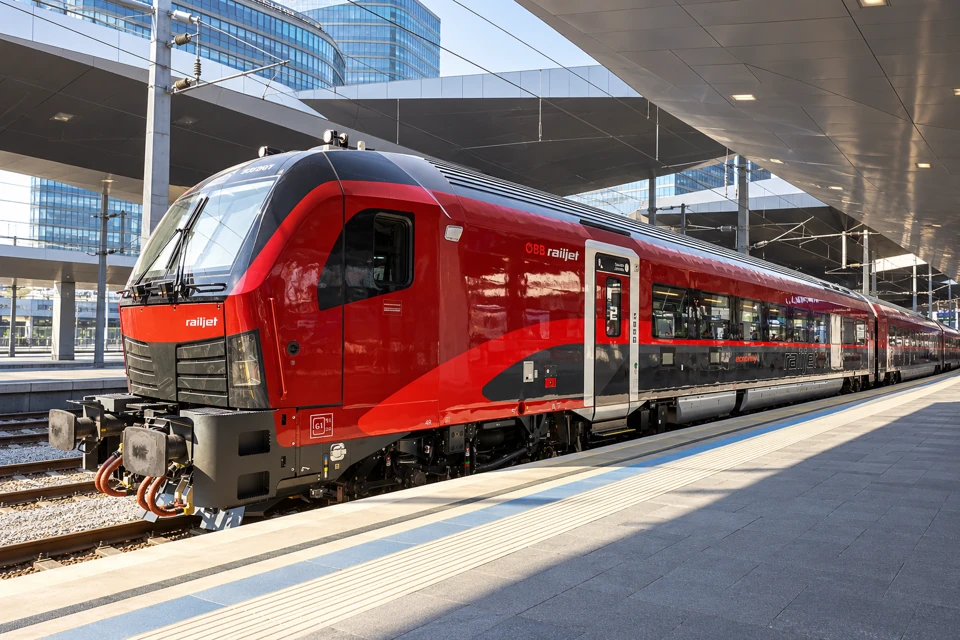
The main intercity services are Railjets, which run up to 230 km/h. Vienna to Linz takes 1h15m, Vienna to Salzburg 2h22m, Vienna to Graz 2h35m, Vienna to Klagenfurt 4h and Vienna to Innsbruck 4h15m. Seat reservations are optional in 2nd class and recommended in 1st class. Between Vienna and Salzburg, Railjets leave roughly every half hour, which makes the train competitive with flying once airport processing time is counted.

Sparschiene is ÖBB’s advance fare. Prices start at €9.90 in 2nd class and €19.90 in 1st class. The cheapest seats go first, and prices rise as departure approaches. The ticket is valid for one specific train, one day and one direction. Allocation is limited, the basic Sparschiene ticket cannot be exchanged or refunded, while Sparschiene Komfort includes cancellation and refund options, free until 15 days before departure and subject to a fee after that, and the Vorteilscard discount (ÖBB’s discount card) cannot be combined with it. The ticket is therefore a poor fit for a day when the schedule is uncertain. Each adult may bring up to four children under 15 free, and car transport and couchette or sleeper beds cost extra.
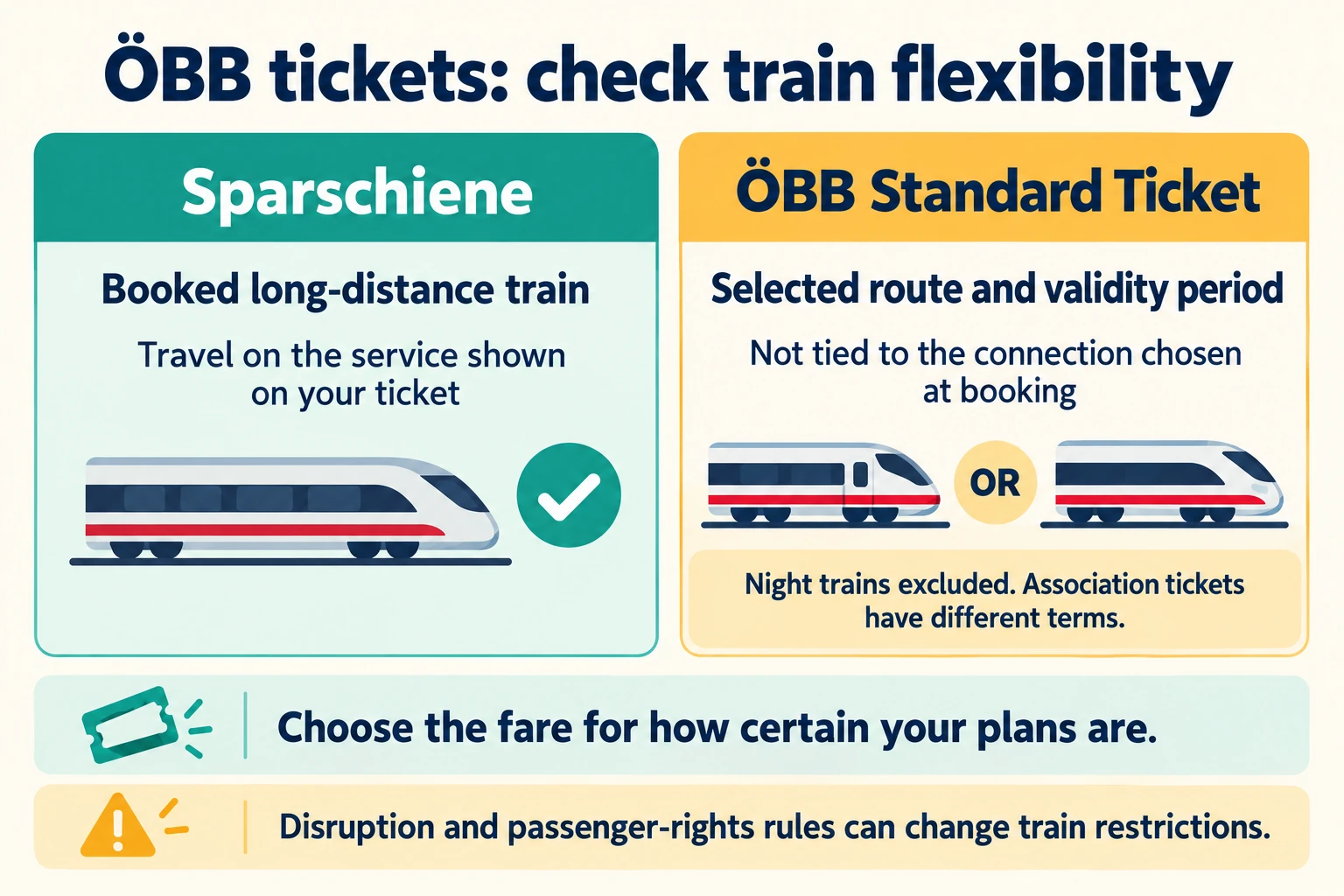
ÖBB will raise standard tickets and Vorteilscards by an average of 3.5% on 13 December 2026 while leaving Sparschiene starting prices unchanged. In the report’s example, a Vienna to St Veit an der Glan standard online ticket on the day of departure goes to €64.50 from €62.30, or €60.70 when booked 15 days ahead. On a long route the gap between a flexible fare and an advance fare is large, so booking early matters most on those trips.
For travel from 12 October to 26 November 2026, ÖBB offers a larger allocation of Sparschiene tickets on trains departing between 19:00 and 03:00 the next day under the Nachtschwärmer offer, listed on the ÖBB Sparschiene page.
Trains from Munich
Munich to Vienna takes about 4 hours on the fastest train, and slower trains take longer. Advance fares start around €19.99. For international Sparschiene Europe tickets, the seat reservation costs €3 in the ticket shop and €3.50 at ÖBB counters on day trains. Interrail and Eurail pass holders reserve Nightjet seats at nightjet.com and pay the reservation fee separately.
How to Book ÖBB Tickets
Sparschiene Austria tickets go on sale up to 180 days (six months) before departure, online and in the ÖBB app only. ÖBB sells other tickets through the ÖBB Ticketshop, the app, ticket counters, ticket machines and sales partners. Travelers who want the lowest fare should open the app on the first day the date they need is bookable, because the lowest fares sell out first.
Night Trains on Nightjet
Nightjet is ÖBB’s overnight network. Sparschiene tickets on it start at €24.90 for a seat car, and the seat needs only a reservation fee. Couchettes (shared bunk compartments) and sleeper cabins cost extra and depend on availability. A Nightjet from Bregenz leaves at 21:40 and arrives in Vienna around 07:00, stopping at Innsbruck, Salzburg and Linz. An overnight run replaces a hotel night and a daytime journey, which makes it useful for crossing the country from west to east.

Nightjet tickets can be bought up to 360 days ahead. As of September 2026, the window applies to direct ÖBB Nightjet services, with EuroNight and feeder services due to follow in autumn 2026. Trains and times for 2027 can still change, so check the Nightjet timetable before fixing plans. Booking channels are the Nightjet website, the ÖBB Ticketshop and app, ÖBB counters and station travel agencies.
Buses for Cross-Border and Rural Trips
Two operators matter. Postbus, a subsidiary of ÖBB, is Austria’s largest bus company. It serves more than 1,600 municipalities daily, including rural areas with no other public transport. Flixbus covers more than 30 destinations inside Austria, from Vienna, Salzburg and Graz to smaller towns such as Bregenz, Steyr and Amstetten. Flixbus also cooperates with the private rail operator Westbahn, and Flixbus connections to Munich from Salzburg Hbf can be booked together with Westbahn trains.
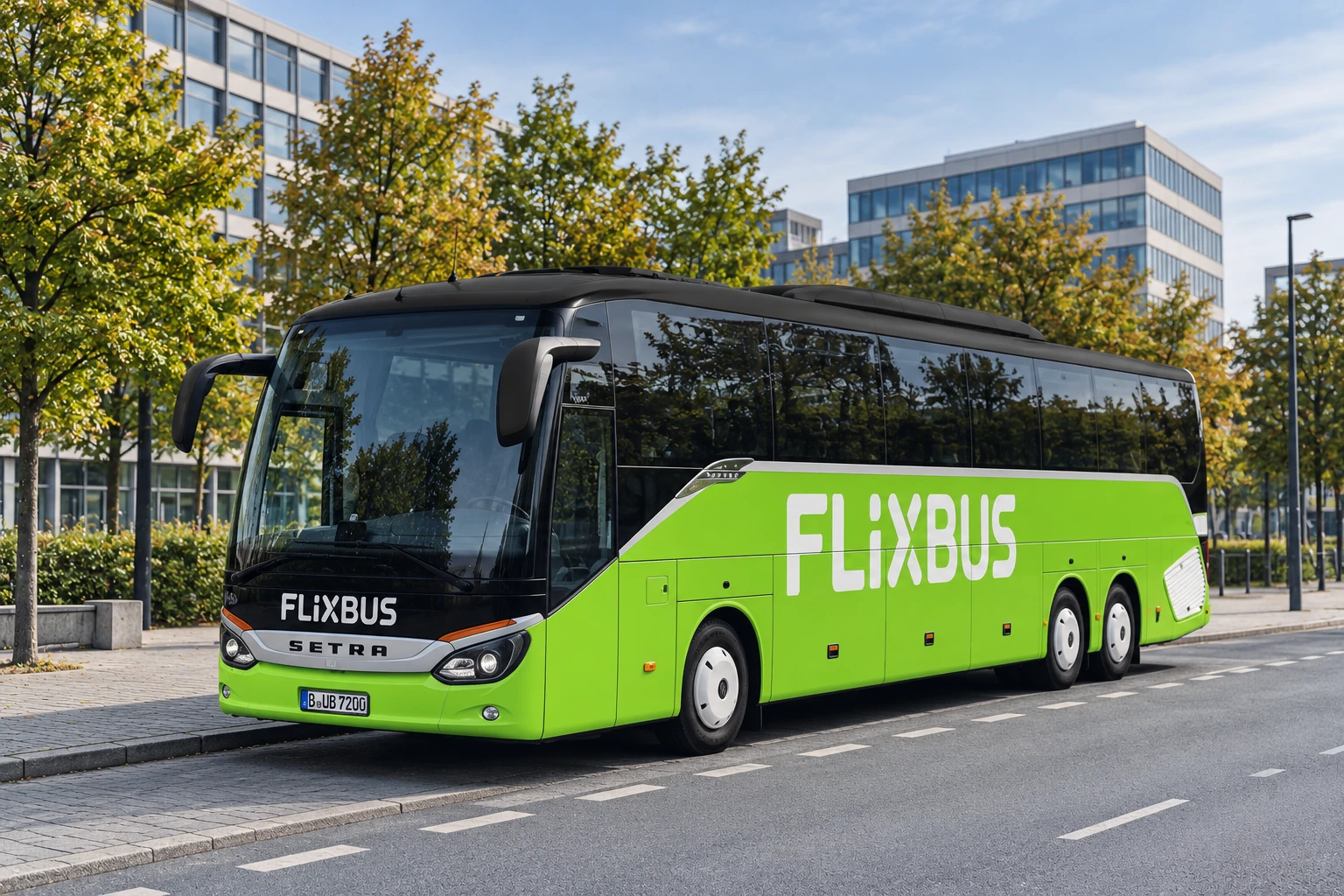
Buses are slower than trains on the main corridors. Vienna to Graz is about 200 km and roughly 2 hours by bus, with service almost hourly during the day, and direct daily links also run to Klagenfurt and Linz. The bus pays off on cross-border routes. Munich to Salzburg runs about 2h to 2h20m, with FlixBus fares of €8 to €13 one way and another operator from €11. Other indicative starting fares from Austria are Leoben from €9, Bregenz from €18, Amstetten from €26, Villach from €31, Dornbirn from €35 and St. Pölten from €39.99. These are starting prices. International examples include Vienna to Prague, Dresden or Berlin from about €30, and Innsbruck to Verona in about 3h45m from €18.
Timetables for Postbus are in the SCOTTY journey planner, which covers all Postbus connections in Austria and most ÖBB rail connections. Inside a regional transport association (Verkehrsverbund), fares are uniform and Postbus trips there usually use association tickets. In the Vienna region (VOR), tickets are sold online, through the AnachB app, at counters, at machines, or by the driver on regional buses. There are no turnstiles, and inspectors check proof of payment. The KlimaTicket Österreich is valid on all VOR services.
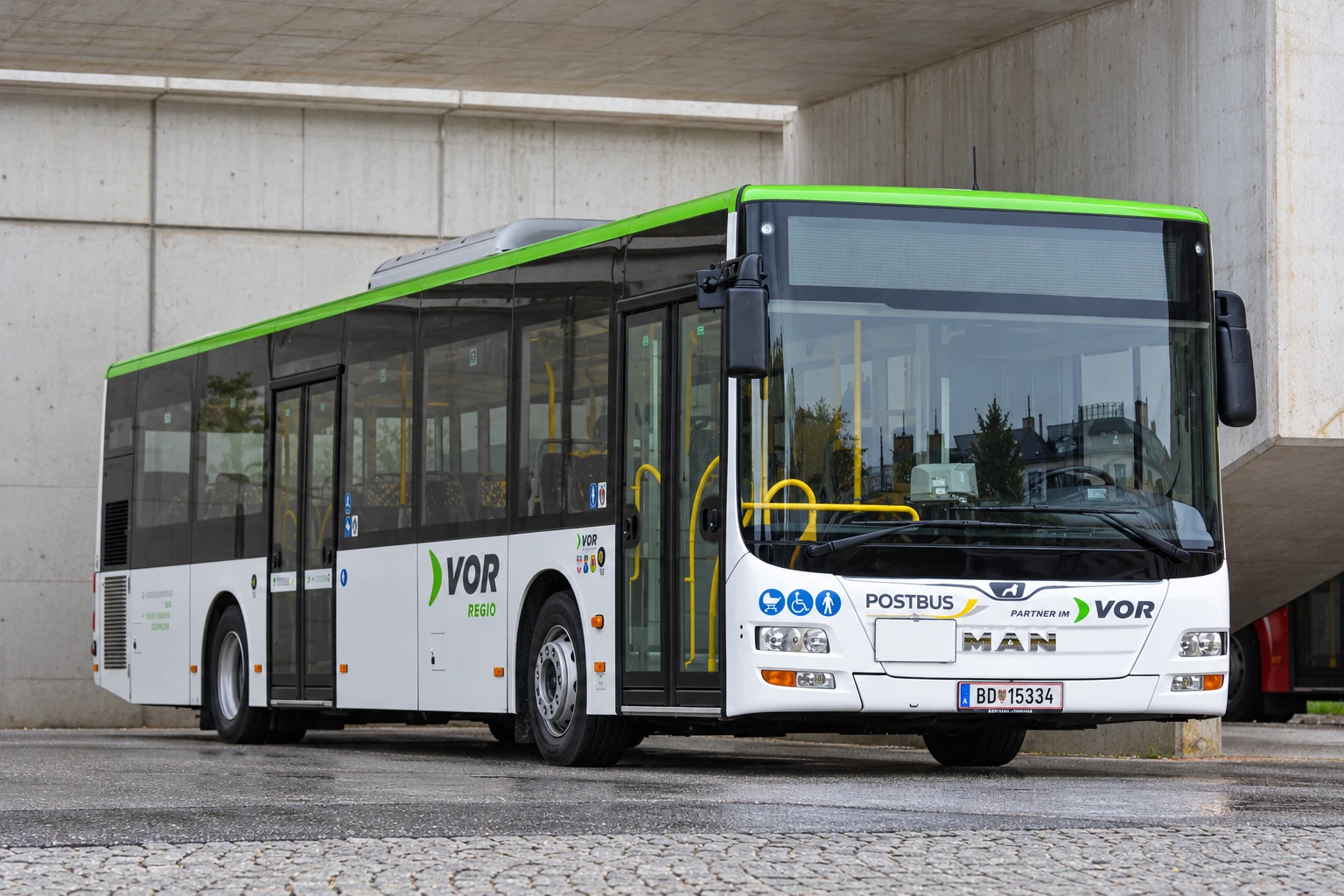
On long-distance routes, tickets can be bought online, at counters, by phone, through travel agencies, or from the driver shortly before departure. Driver sales usually cost more because of a surcharge, so buy ahead.
Domestic Flights Worth Taking
Austrian Airlines lists Vienna to Innsbruck, Vienna to Klagenfurt and Vienna to Graz. The one with a clear time advantage is Vienna to Innsbruck. The nonstop flight takes about 55 minutes with fares from €119, against 4h15m by train. During ski season, especially in winter on this route, advance booking is advised.
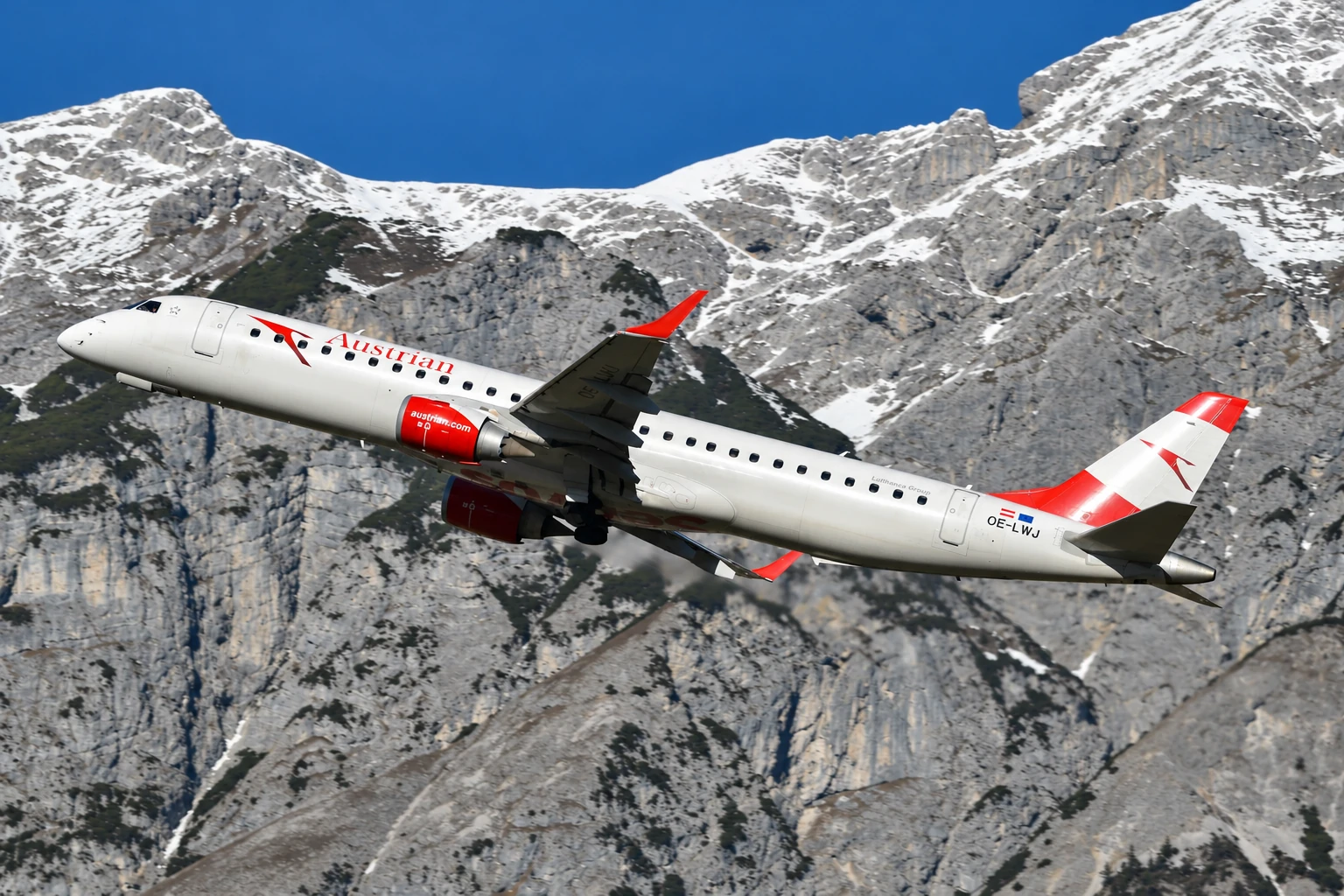
Austrian’s Rail&Fly offer links a train from the passenger’s nearest station to the flight with synchronized schedules and guaranteed connections, and it rebooks onto the next flight if the train is delayed. Rail&Fly is booked as part of the flight, and Miles & More members earn miles from the first train segment. Online check-in opens 47 hours before departure.
Vienna to Klagenfurt lists fares from €119, and some flights take about 40 to 45 minutes. The train takes about 4 hours. Rail planners project about 3h10m once the Koralm Railway opens, and about 2h40m with the Semmering Base Tunnel and an upgraded Pottendorfer Line. Vienna to Graz has fares from €73 and a nonstop flight of about 35 to 40 minutes, with an average of 39 minutes. A train at 2h35m with Sparschiene fares from €9.90 usually beats that once airport time is added, so the Graz flight is mostly for people connecting to another flight.
Book flights at austrian.com, which offers round-trip, one-way and multi-city searches.
Driving and the Motorway Vignette
A vignette is required on Austrian motorways and expressways for all vehicles up to 3.5 t gross weight. Trailers and caravan trailers for cars, and sidecars for motorcycles, are exempt. The change that matters for 2026 trips is that the 2026 vignette is the last adhesive sticker. From 2027 onwards all vignette types (1-day, 10-day, 2-month and annual) are sold digitally only, and the digital-only 2027 vignette is valid from 1 December 2026. A 2026 sticker annual vignette stays valid until 31 January 2027. The digital vignette is tied to the registration plate, so one vignette covers vehicles with interchangeable plates.
The 2026 prices for passenger cars are €9.60 for one day, €12.80 for 10 days, €32.00 for two months and €106.80 for the annual vignette. The annual 2026 vignette runs 14 months, from 1 December 2025 to 31 January 2027. ASFINAG, the state motorway operator, sets the rates. Validity runs on consecutive days from the first day, so a 10-day vignette cannot be spread over ten separate single days.
Where you buy affects when the vignette starts. A digital vignette bought at an ÖAMTC branch (the Austrian automobile club) is valid immediately, and ÖAMTC branches and border stations sell vignettes. Online purchases through the ASFINAG webshop or app carry an 18-day consumer-protection waiting period for private buyers, but only for 2-month and annual digital vignettes; 1-day and 10-day vignettes are exempt and valid immediately. A traveler who buys online the day before driving would not be covered, so buy at a branch, border station or petrol station, or buy online well ahead.

Checks are carried out by ASFINAG staff, and cameras verify a valid vignette. A missing or incorrectly affixed sticker brings a replacement toll of €200, or a fine of at least €300 if not paid immediately, within a penalty range of €300 to €3,000.
A few stretches need no vignette: the A12 Inntalautobahn from the Kufstein border to the Kufstein-Süd junction, the A1 Westautobahn from the Walserberg border to Salzburg-Nord, and the A14 from the Hörbranz border to the Hohenems junction, according to an older guide. Some routes also carry separate tolls on top of the vignette. Check current rules with ASFINAG before relying on the toll-free stretches.
Rental cars
A rental car needs its own vignette tied to its plate, and the plate-based digital system makes this simpler after 1 December 2026, since nothing has to be stuck to the glass. A car suits itineraries with valleys, lakes and villages where buses run infrequently. In cities such as Vienna, Salzburg and Graz, trains, trams and taxis cover the trips a visitor makes, and a car adds parking costs without saving time.
Taxis and Ride-Hailing in Vienna
Vienna regulates taxis and ride-hailing under one tariff system. According to Vienna Tourism, rides booked through Uber, Bolt and FREE NOW by app or phone must be priced within 20% above or below the official taxi tariff. A metered taxi charges a base fare of €3.80, about €1.70 to €2.00 per km, and about €0.40 per minute while stationary. A typical 3 to 5 km inner-city ride costs about €9 to €14 on the meter and about €9 to €13 as an app estimate, which changes with demand. Bolt is often €1 to €3 cheaper than Uber on the same inner-city route.
The apps differ in what they do. Uber offers UberX (standard), UberXL (larger groups) and UberBlack (premium, at a higher rate). FREE NOW, formerly mytaxi, connects riders to traditional taxis, and the fare shown after the ride comes from the meter. Taxi stands are at Stephansplatz, Karlsplatz, the Opera, Rathausplatz and outside the major train stations. Dispatch numbers are 31300, 40100 and 60160.
Airport transfers
Airport rides vary the most. Uber’s Vienna airport page gives illustrative averages for trips to or from VIE (Vienna Airport) and states that they do not represent fixed or guaranteed prices. Uber Reserve books up to 90 days ahead and can lock a price to avoid surge charges at high demand. Reserved rides cancel free until one hour before pickup, and Uber tracks flight data to adjust pickups for delays.
For a fixed price, the transfer firm ATAV advertises €44 per vehicle from the airport to central districts, with €48 to €52 for outer districts. A fixed airport fare runs about €37 to €42. ATAV estimates Uber or Bolt at €25 to €40 off-peak, with higher prices at surge and rank taxis often at €45 to €55 according to its price guide. A traveler arriving at peak hours or with a fixed budget is better off with a pre-agreed price than with a live app quote. The train from the airport costs less, and a taxi mainly pays off with luggage or late arrivals.
Key Takeaways
- Default to the train for city pairs: Sparschiene advance fares start at €9.90 in 2nd class, but each ticket is tied to one train and is non-refundable. Book at the ÖBB Ticketshop or app, up to 180 days ahead.
- Fly only to Innsbruck: Vienna to Innsbruck takes about 55 minutes in the air against 4h15m by rail, with fares from €119. Graz and Klagenfurt flights save little once airport time is counted.
- Buy a vignette before driving: The 2026 vignette costs €9.60 for one day and €106.80 for the year, and all vignettes are digital from 1 December 2026. Buy at an ÖAMTC branch for immediate validity, because online buying carries an 18-day waiting period.
- Use buses for cross-border and rural trips: Munich to Salzburg costs €8 to €13 one way by FlixBus, and Postbus reaches villages with no other service. Buy before boarding, because driver sales carry a surcharge.
- Pre-book the Vienna airport transfer: Fixed quotes vary by provider and district, and app fares move with demand and carry no guarantee. Inner-city taxi and app fares stay within 20% of the official tariff.