What Greece Travel Costs Per Day

Greek trip costs fall into two groups. Admission tickets, Athens transit fares, and ferry fares are published prices you can plan around. Hotels and restaurants set their own room rates and meal prices, so official sources only describe them as trends. Greece also adds a per-night climate-resilience fee to short-term stays, and your hotel will add it to your bill. The guide below lists published prices for sights, transport, and the fee, shows what each comfort level costs before room and food, and explains how to lower the total.
Acropolis and other ticketed sites
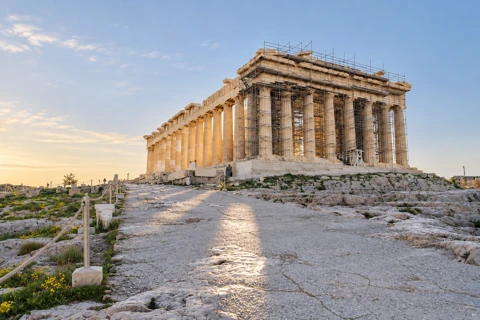
The full admission ticket to the Acropolis of Athens costs €30, and the reduced ticket costs €15, according to the Ministry of Culture page for the Acropolis. The ministry says tickets are sold at on-site offices and online. Buy online at the official ticket platform for Greek heritage sites, which lists the €30 full price. Some resellers still quote the older €20 price, and some charge more than the official price.

Eligibility for the reduced €15 fare is set out in the ministry’s admission document, which covers reduced and free entry categories. Check that document before you buy if you expect to qualify.
The Acropolis is free on these days: 6 March, 18 April, 18 May, the last weekend of September, and 28 October. Those days draw large crowds, so the savings come with a longer wait to get in.
Opening hours run from 08:00 to 17:00 in winter, with last entry at 16:30, and from 08:00 to 20:00 in summer, with last entry at 19:30. The site closes on Easter Sunday and May Day. Good Friday hours are 12:00 to 17:00, and Holy Saturday hours are 08:30 to 15:30. Food, drink, smoking and pets (except assistance dogs) are not allowed on the site.
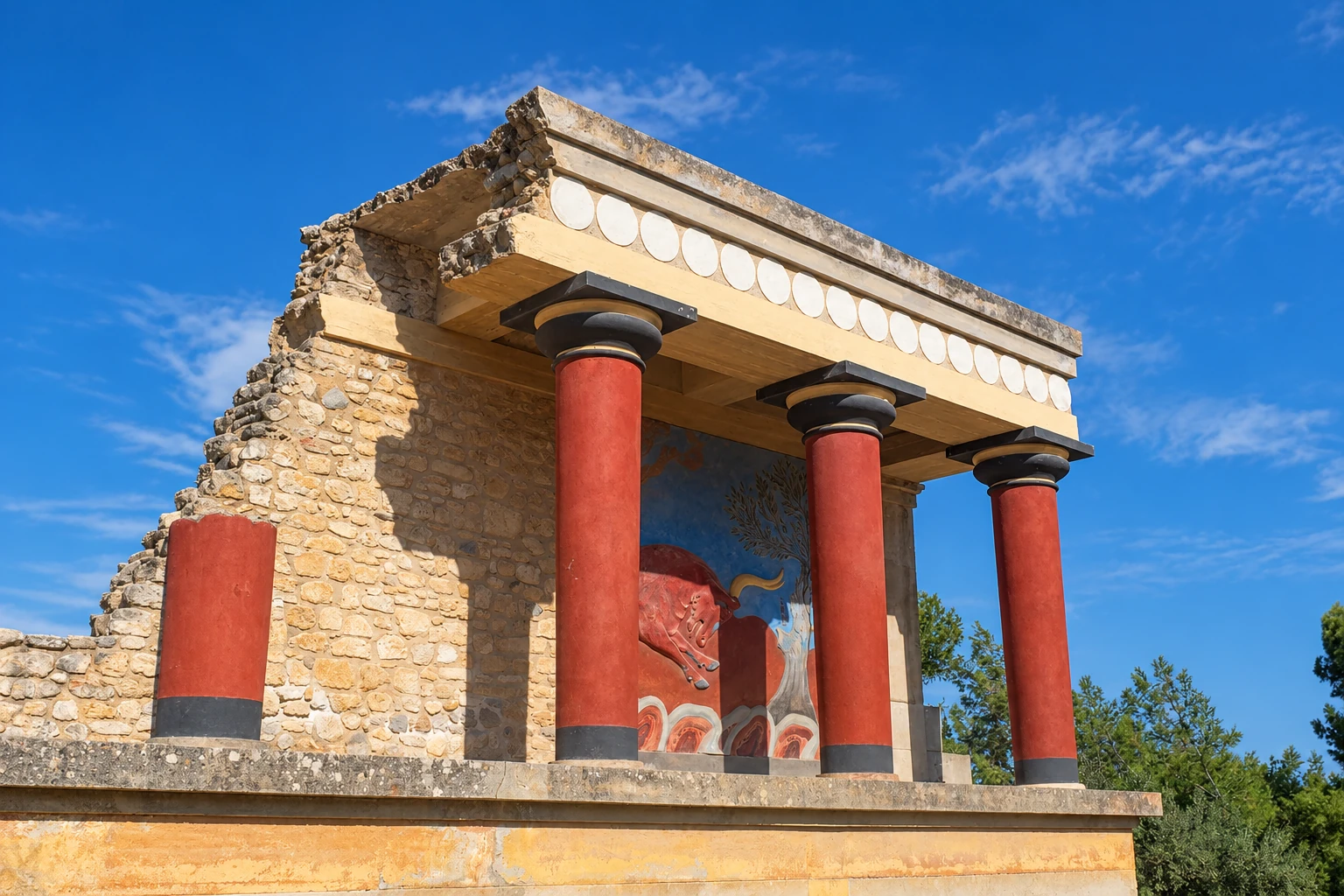
Other sites on the Hellenic Heritage listings carry lower prices. Mystras, Spinalonga, Knossos and Palamidi Castle cost €20 each. The Rotunda in Thessaloniki and the Old Fortress of Corfu cost €10 each, and Chlemoutsi Castle costs €5. The multi-site Athens combo ticket, which covered about seven sites, ended in April 2025, so you buy each site ticket separately. A guide to the ticketing change gives an example: the Acropolis, the Temple of Olympian Zeus, Knossos and Epidaurus total €90 when bought one at a time.
Accommodation and the climate fee
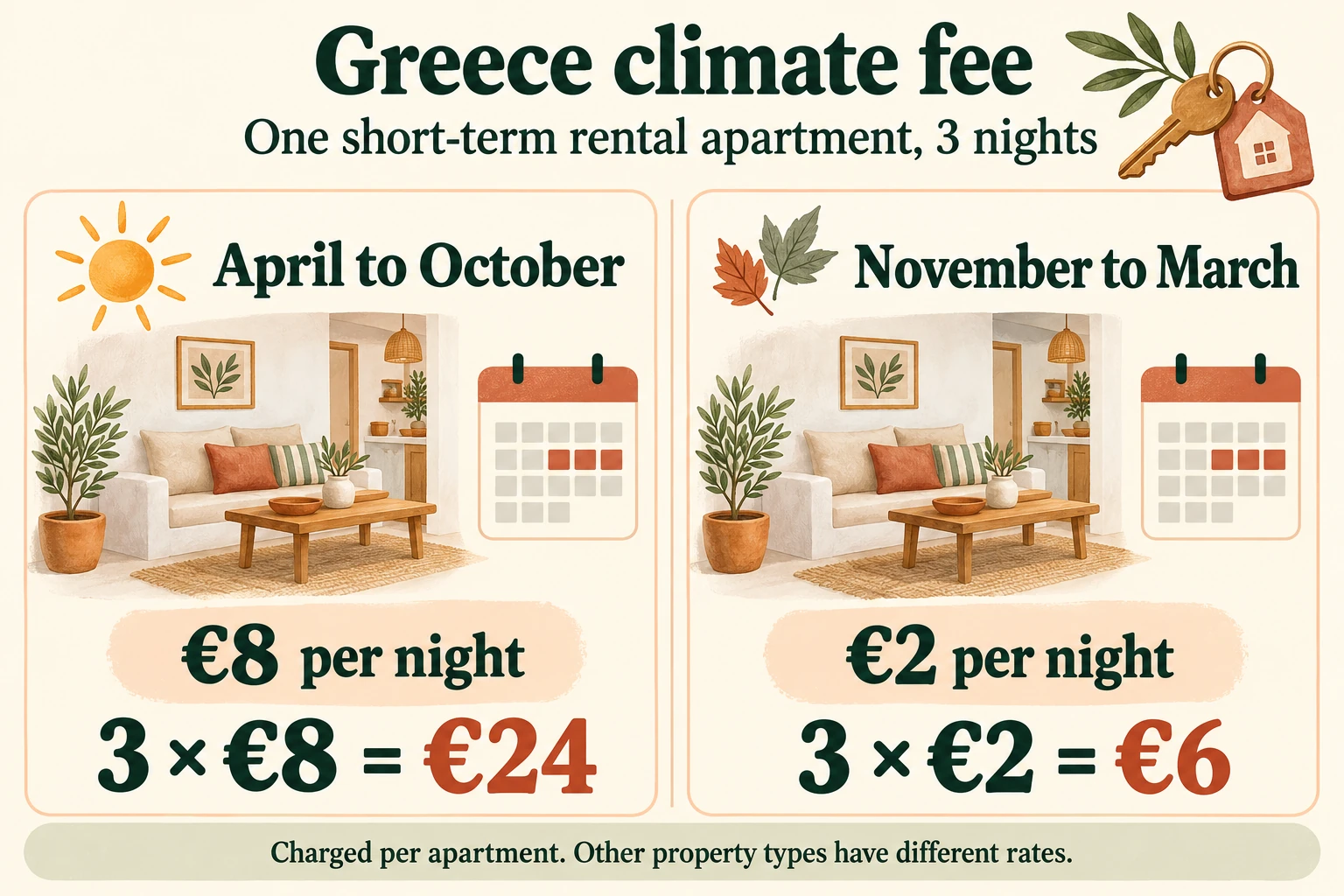
The climate-resilience fee applies to short-term stays in hotels, furnished rooms, apartments, self-catering villas and self-catering homes. Long-term leases of 60 days or more are exempt. The Greek tax authority’s FAQ on short-term rentals, dated 10 July 2025 and published in Greek, calculates the fee per day of use for each room or apartment. You pay it before you leave, and it carries no VAT. The FAQ’s illustrative example uses €8.00 per night from April to October and €2.00 per night from November to March.
The per-night amount depends on the property type and star rating. An accounting firm’s guide to the fee, published 18 May 2026 and modified 9 June 2026, lists these per-room, per-night rates for winter stays from November 2025 to March 2026:
| Property type | Winter rate per night |
|---|---|
| Hotel, 1 to 2 stars | Lowest rate |
| Hotel, 3 stars | €1.50 |
| Hotel, 4 stars | €3.00 |
| Hotel, 5 stars | Highest rate |
| Furnished rooms and apartments | Lowest rate |
| Short-term rental property | €2.00 |
| Detached house over 80 square meters | Highest rate |
| Tourist villa | Highest rate |
The fee rises with the star rating, so a 5-star room pays a higher per-night fee than a 1-star room at winter rates. The fee is small next to the room rate, but it adds up over a ten-day trip. Summer rates run higher under the FAQ’s example, so budget for the season you travel in.
Getting around Athens
Athens public transit uses stored-value ATH.ENA cards and tickets. Paper single tickets ended in 2017, according to the Transport for Athens overview. The 90-minute ticket covers the metro, buses, trams and trolleybuses within the urban zone, but not the airport. It costs €1.20 on athensmetro.org’s fare page, which updated its fares on 6 July 2026, and on thisisathens.org’s transit page. Some visitor guides list a higher single fare, so confirm the current price on the OASA fare page before you travel.
For a day of sightseeing, the 24-hour pass at €4.10 is the most you pay for transit in one day within the urban zone. The 5-day pass costs €8.20 on athensmetro.org, and the 3-day tourist ticket costs €20 and includes one airport round trip. The airport metro ticket costs €9 for one way, and the express bus to the airport, route X95, costs €5.50. A monthly pass starts at €27.
Reduced fares require proof of age or a student ID. Children up to age 6 ride free, and riders ages 7 to 18 pay reduced fares. A trip to Piraeus on Metro Line 1 takes about 20 minutes from central Athens, which matters if you plan to catch a ferry the same day.
Island ferries from Piraeus
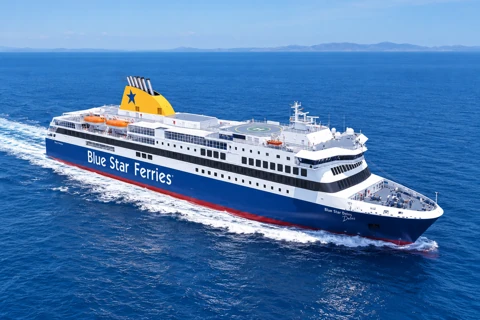
Confirm each fare on the operator’s website before you book. The figures below come from a 2026 island-hopping guide and a ticket aggregator. The most specific figures come from a 2026 island-hopping guide, which labels its prices as high-season fares. For Blue Star’s conventional ferry from Piraeus to Santorini, which takes about 8 hours, that guide lists €40 to €55 for a deck or seat and €80 to €120 for a cabin. The same guide lists SeaJets high-speed service on that route at €70 to €90, and it takes just over 4 hours.
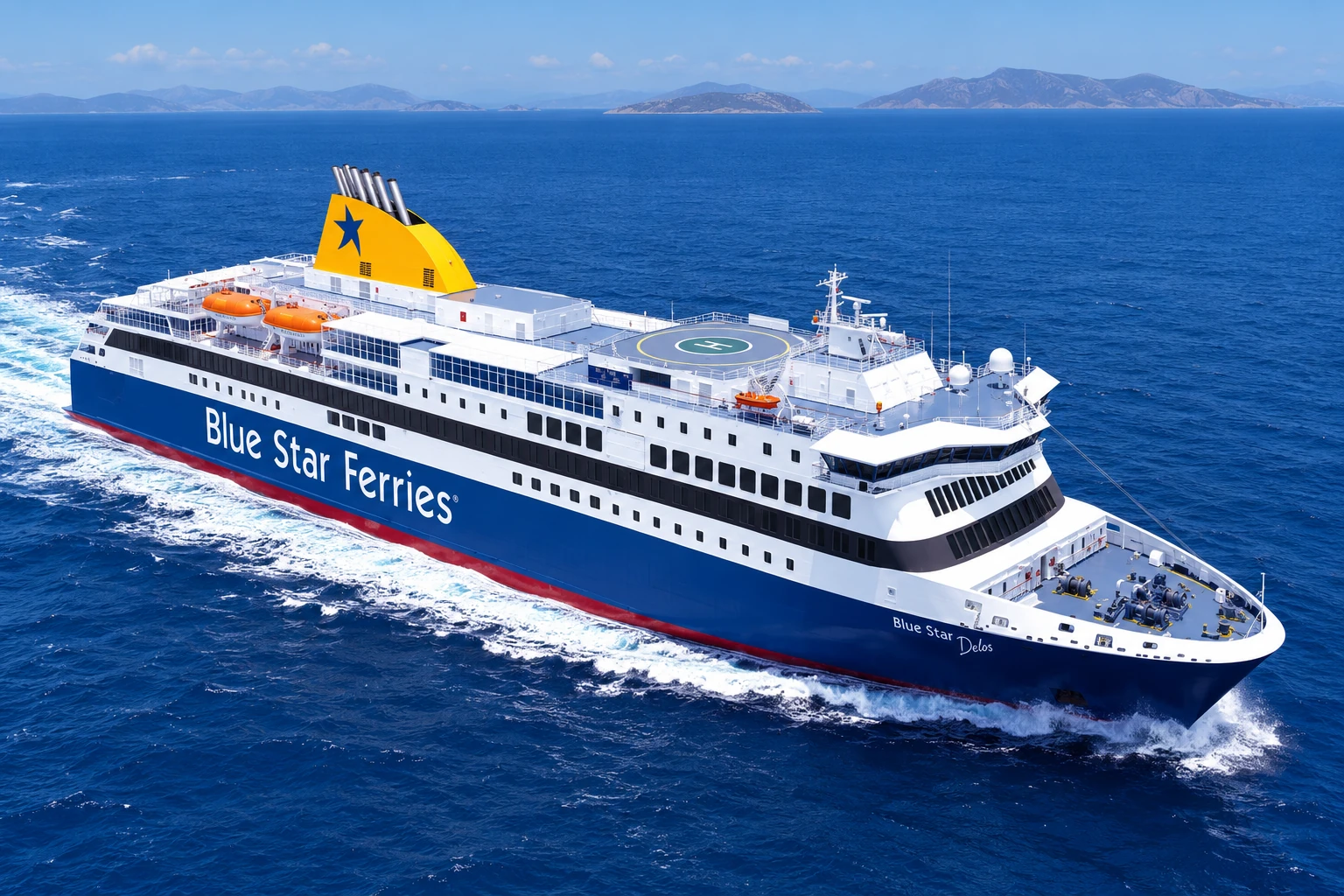
On Piraeus to Mykonos, the guide lists Blue Star at about 5 hours, with a deck seat that costs less than a cabin, which the guide lists at €70 to €100. Another Greek ferry guide lists conventional Piraeus to Heraklion service on Crete for trips of 8 to 9 hours. A ticket aggregator listed Blue Star’s Piraeus to Paros trip at about 4 hours for €50.26, and its Paros to Naxos hop at 48 minutes for €15.19. Check the Naxos fare on the operator’s site before you book.
Blue Star is the cheapest option on most routes, and the gap with high-speed service is large. On very short hops such as Paros to Naxos, the conventional boat costs less and loses little time, as the Paros to Naxos comparison.

Book at least two to three weeks ahead for July and August, according to the island-hopping guide. Vehicles should arrive at Piraeus or Rafina 60 to 90 minutes before departure, according to a ferry booking guide for Blue Star. Cabins cost more than deck seats, and the price depends on the berth and season. Holders of the Greek Islands Pass from Eurail get 30% off additional domestic island trips on Blue Star, according to Eurail’s Blue Star page. That discount applies only to pass holders.
Food and everyday prices
The Hellenic Statistical Authority (ELSTAT) publishes Greece’s official consumer price index. Its December 2025 release, issued 13 January 2026, shows overall prices up 2.6% over the year. Restaurant, confectionery, café and buffet prices rose 7.4%. Food and non-alcoholic beverages overall rose 3.6%. Coffee rose 20.9% and meat rose 13.1%, while olive oil fell 34.1%. Hotels, motels and inns fell 1.7%, and package holidays rose 7.2%.
The index covers Greek resident households and excludes non-resident households, so it tracks prices residents pay. Use it as a trend. The trend says eating out costs more over time than buying groceries, since restaurant prices rose about twice as fast as food prices in the same period. A Eurostat restaurant price series, published through FRED, tracks restaurant prices on an index with 2025 set to 100. Its September 2026 value was 106.92, updated 16 October 2026.
Restaurant prices vary by neighborhood and by how close the restaurant sits to a major sight or ferry port. Ask for the menu price before you order, and check whether the bill includes a service charge.
Daily budgets at three comfort levels
The three levels below cover the fixed costs of a day out: transit, the main sight and the per-night accommodation fee. Room rates and meals vary by property and restaurant, so add those to each total yourself. The table lists the components so you can see which costs rise with each level.
| Cost | Budget | Mid-range | Comfort |
|---|---|---|---|
| Climate fee per night (winter rates) | Lowest rate (1 to 2 stars) | €1.50 (3 stars) | €3.00 (4 stars) to highest rate (5 stars) |
| Athens transit | 24-hour pass, €4.10 | 24-hour pass, €4.10, or 3-day ticket, €20 | Airport ticket, €9, or express bus, €5.50 |
| Acropolis | Reduced €15, if eligible | Full €30 | Full €30 |
| Piraeus to Santorini ferry | Conventional deck or seat, the cheapest option | Blue Star deck or seat, €40 to €55 | Cabin, €80 to €120, or high-speed, €70 to €90 |
On a budget day in Athens, the transit cap and a reduced Acropolis ticket keep sightseeing costs low. The 1-to-2-star fee adds the least per night in winter. A mid-range traveler pays the full Acropolis fare and the 3-star fee, and the 3-day ticket suits a visitor who takes several airport or suburban trips. The comfort level adds the most cost in the room rate and the ferry cabin, and the airport express bus costs less than the €9 airport metro ticket.
A ten-day trip that moves between Athens and one island uses the Athens transit, the Piraeus ferry and several sites, so the ferry and the room rate account for most of the budget.
How to cut costs
The largest savings come from timing and category choices. Buy the Acropolis ticket from the official platform to avoid reseller markups. If you are eligible, the reduced €15 ticket cuts the Acropolis fare in half, and a free admission day eliminates it, though those days bring larger crowds.
Use the 24-hour pass once you make more than two trips in a day, because it caps your transit spending at €4.10 with stored value. Single tickets add up faster if you ride only a few times a day.
On ferries, choose the conventional boat on short routes such as Paros to Naxos, where the time difference is small, and book July and August trips two to three weeks ahead. A Eurail Greek Islands Pass holder gets 30% off extra Blue Star trips, which matters on a multi-island route.
The fee also varies with the category you book. A 1-to-2-star hotel carries the lowest per-night fee in winter, compared with the 5-star rate, so the saving on a ten-night stay adds up in fees alone. The room rate usually costs far more than the fee, so compare total prices, including the fee and any extra charges, before you book.
Five ways to save
- Buy the Acropolis ticket directly: The official platform sells the €30 full ticket, and resellers charge more or show outdated prices.
- Plan transit around the 24-hour pass: At €4.10, the pass caps your daily Athens transit spending, so it costs less than single tickets on any day with several rides.
- Choose conventional ferries on short hops: Blue Star’s conventional boats cost less than high-speed services, and on routes like Paros to Naxos they lose little time.
- Book ferries two to three weeks ahead in summer: July and August sailings sell out sooner, and the cabin premium is larger in high season.
- Budget for the climate fee by star rating: The fee runs from the lowest to the highest rate per night in winter, and it rises with the property category.