Best Time to Visit Canada
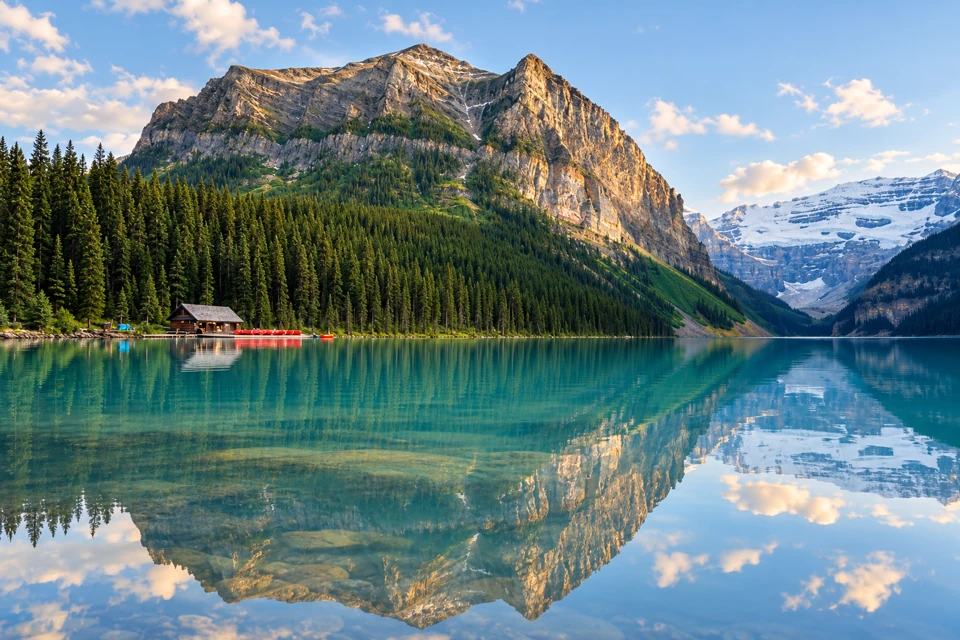
Canada spans several climate zones, so the best month depends on the activity and the region. September has good weather across most of the country, fewer summer crowds, and lower prices than August. July and August suit mountain hiking, lake and coastal trips, and the busiest festival calendar, but they cost the most. Winter is the cheapest season for flights and hotels. It is also the best time for skiing, skating festivals, and northern lights.
Weather figures are typical daily highs. For a city’s full monthly picture, check the climate normals from Environment and Climate Change Canada. They cover 1991–2020, and the agency says they are used for tourism. Hotel figures use three measures. Occupancy is the share of rooms filled. ADR, or average daily rate, is the average price paid per room per night. RevPAR, or revenue per available room, combines the two.
Seasons at a Glance
| Season | Crowds | Prices | Best for |
|---|---|---|---|
| Winter (Jan–Mar) | Low to moderate; higher at ski resorts and during Carnival | Low (March 2026 occupancy 60.6%) | Winter festivals, skiing, aurora |
| Spring (Apr–May) | Low to moderate | Lowest in April | Budget city travel, spring flowers, whale watching |
| Summer (Jun–Aug) | High; peak in July and August | Highest (August 2026 occupancy 80.9%) | Rockies hiking, festivals, Maritime coasts |
| Fall (Sep–Nov) | Moderate in September and October; low in November | Moderate; November lowest | Foliage, Rockies, Churchill polar bears |
| December | Moderate; Christmas week busier | Higher in Christmas week | Holiday trips, northern aurora |
Month by Month
January
January is off-peak for most of the country, with the exception of ski resorts, which are busy. Typical highs run about ?1°C in Toronto, about ?5°C in Banff, and about 7°C in Vancouver. Yellowknife, in the Northwest Territories, has highs near ?22°C. January suits winter sports and northern aurora viewing, and it is the month to book for the Quebec City Winter Carnival if the Carnival falls early in February.
February
Ski-resort demand rises on long weekends, with Toronto highs about 0°C and Banff about ?3°C. February is the main month for cold-weather festivals. The 2026 Quebec City Winter Carnival ran February 6–15, and Ottawa’s Winterlude, which includes skating on the Rideau Canal Skateway, is held in February. Travelers who want the Carnival’s night parades should book lodging early, since Quebec City fills up for the event. Details are in the festival section below.
March
March is low to moderate for crowds and prices. National hotel occupancy was 60.6% in March 2026, up 1.9% from a year earlier. Newfoundland and Labrador had the largest provincial gains, which the report credits partly to the Labrador Winter Games. Highs reach about 5°C in Toronto and about 2°C in Banff. Maple syrup season begins, and Vancouver’s cherry blossoms start to open late in the month. March works for budget travel and maple-season trips.
April
April is the lowest-price season, but some mountain trails are only half open and the weather is unpredictable. National occupancy was 63.2% in April 2025, down 1.0% year over year. Prince Edward Island had the lowest provincial occupancy that month at 44.2%. Ottawa’s tulips and Vancouver’s cherry blossoms are the highlights. Booking windows are short, about one to three months. April suits city trips and flower-focused travel, and it is a poor choice for hiking in the mountains.

May
May is a shoulder month, meaning the stretch between the off-season and the peak, with lower prices and thinner crowds than summer. Whale watching season also runs May through October. National occupancy was 70.2% in May 2025, a reading that reflects the start of the busy season. Vancouver had the highest city occupancy at 83.3%, so the Pacific coast is already busy even though the Rockies are quiet. May and early June avoid the peak summer crowds while still offering national parks and cultural events.
June
Summer conditions begin, and Vancouver’s dry season runs June through September. Prices and crowds rise through the month. Montreal’s International Jazz Festival runs from late June into early July, and the city’s outdoor festival season continues through August with Just for Laughs and Osheaga. June is a good time for a Rockies road trip, such as the Icefields Parkway, which is a June to early October drive, and for the Cabot Trail in Nova Scotia, which is a June to October route. Parks Canada’s 2026 free-admission window began June 19 (see the park pass section).
July
July is peak season across the country. Toronto and Montreal highs sit near 26–27°C, and Banff highs near 22–23°C. School holidays fall in July and August. National hotel occupancy was 77.6% in July 2025, up 3.0% year over year, the highest since August 2019. Manitoba led the provinces with 80.9% occupancy. Quebec was the only province where occupancy fell, down 1.2% to 75.7%.
The Calgary Stampede fills July with a ten-day rodeo and festival, and hotels near it book months ahead. July gives the fullest access to mountain trails and lakes. Banff and Lake Louise need the earliest reservations of any destination in the country.
August
August stays at peak. National occupancy was 80.9% in August 2026, up 0.2%, according to hotel industry data that also shows ADR and RevPAR rising year over year for the eighth straight month. Quebec posted the highest provincial occupancy gain (up 3.2% to 83.7%) and the largest RevPAR gain (up 10.1%). Nova Scotia had the largest ADR gain (up 9.0%), and Montreal had the biggest occupancy gain among major markets (up 6.4% to 85.6%), as reported in a market summary.
Those gains make Quebec, Montreal, and Nova Scotia the busiest and priciest markets in August. Nova Scotia’s ocean water reaches 21–23°C, which makes it the month for Maritime beaches. The Edmonton Folk Music Festival and Toronto’s Canadian National Exhibition also take place in August.
September
September is described as "the single best month for balancing weather, crowds, and cost". Rockies access stays good until mid-October, and the booking window shortens to about three to six months. Fewer people visit the mountains in September than in July and August, which makes the Rockies easier to enjoy. September is the default recommendation for travelers with flexible dates who want one trip combining mountains, cities, and coasts.
October
October is often considered the peak foliage month, according to a regional rail operator. The Rockies in September and October are rated very good for foliage, the elk rut, and fewer people. Golden larches are a fall highlight in Banff. Polar bears gather near Churchill, Manitoba, in October and November, and Churchill tours should be booked 6–12 months ahead. Fall is often the best overall value, and crowds are moderate.
November
November has low crowds and low prices. First snow usually arrives this month. Vancouver is at its wettest from November through March. Flights and hotels from November through March, outside Christmas week, are the cheapest of the year. November suits the traveler focused on cost and the Churchill polar-bear trips that run through the month.
December
December splits in two. Early in the month, prices stay in the winter pattern, while Christmas week is the exception to the low-price winter and costs more. Aurora season in the North runs December through March, including in Yukon and northern Manitoba. December suits holiday-season city trips and northern aurora travel, and the Rockies see medium crowds and prices around Christmas.
Best Time by Region
Rockies
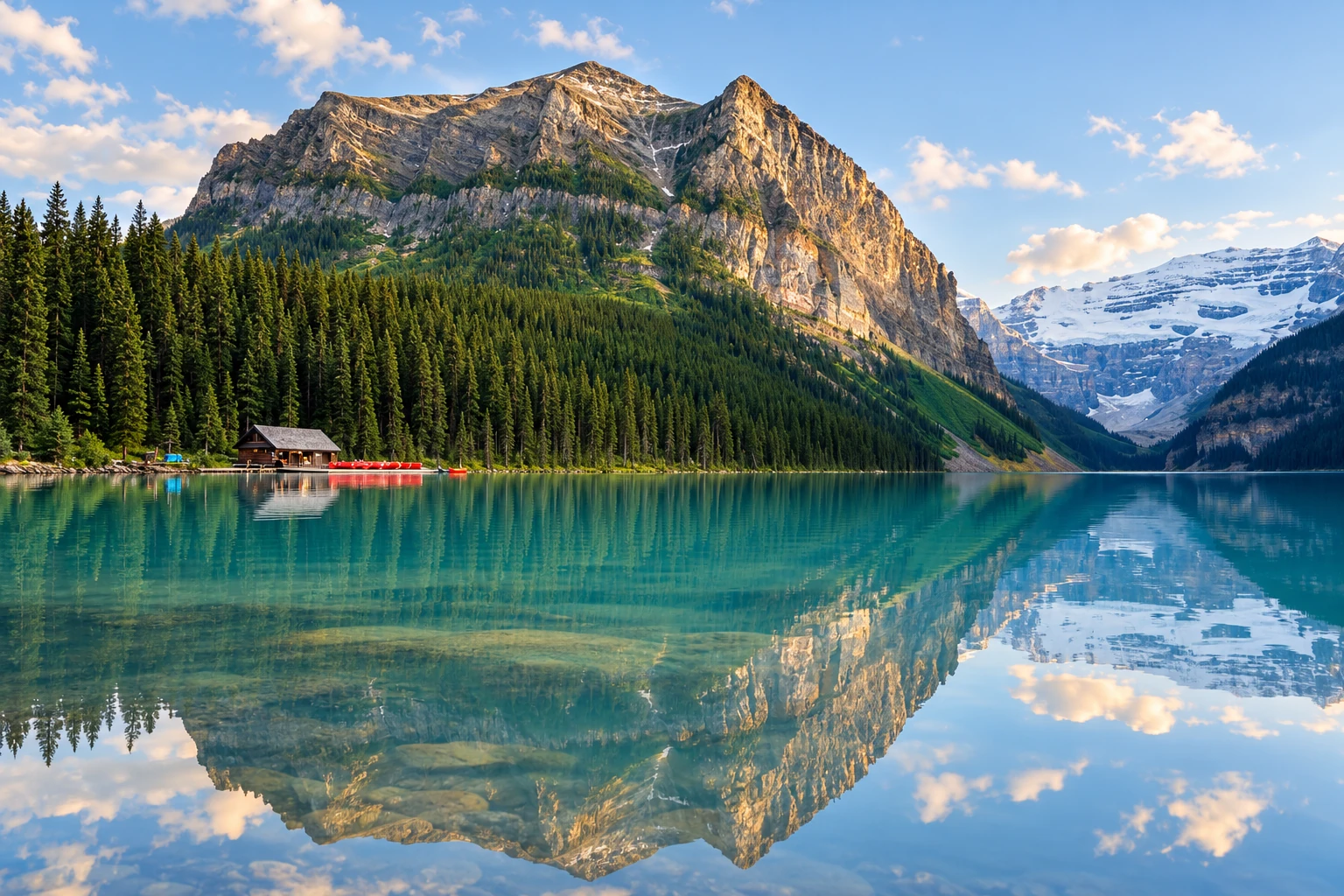
July and August are the best months for hiking, with lakes and trails open from July to mid-September. Road trips such as the Icefields Parkway run from June to early October. May and September give the Rockies fewer crowds, and late September through October brings foliage and wildlife. Banff and Lake Louise book earliest, with summer windows of six to nine months or longer. Jasper, Kootenay, and Yoho share the same peak pattern.
Vancouver and the Pacific Coast
Vancouver has a mild, rainy climate, with January highs about 7°C. The wettest period is November through March and the driest is June through September. Cherry blossoms begin in March, and whale watching runs May through October. Vancouver hotels were already at 83.3% occupancy in May 2025, so coastal trips in late spring still need advance booking.
Toronto, Ottawa, Montreal, and Quebec City
Summer is warm, with Toronto and Montreal highs near 26–27°C, and festival-heavy. Winter belongs to Quebec City’s Carnival and Ottawa’s Winterlude, both in February. Quebec posted strong hotel demand in August 2026, so late summer in Montreal costs more than shoulder months. Montreal in September or October gives the same cultural calendar with less pressure on prices.
Atlantic Canada
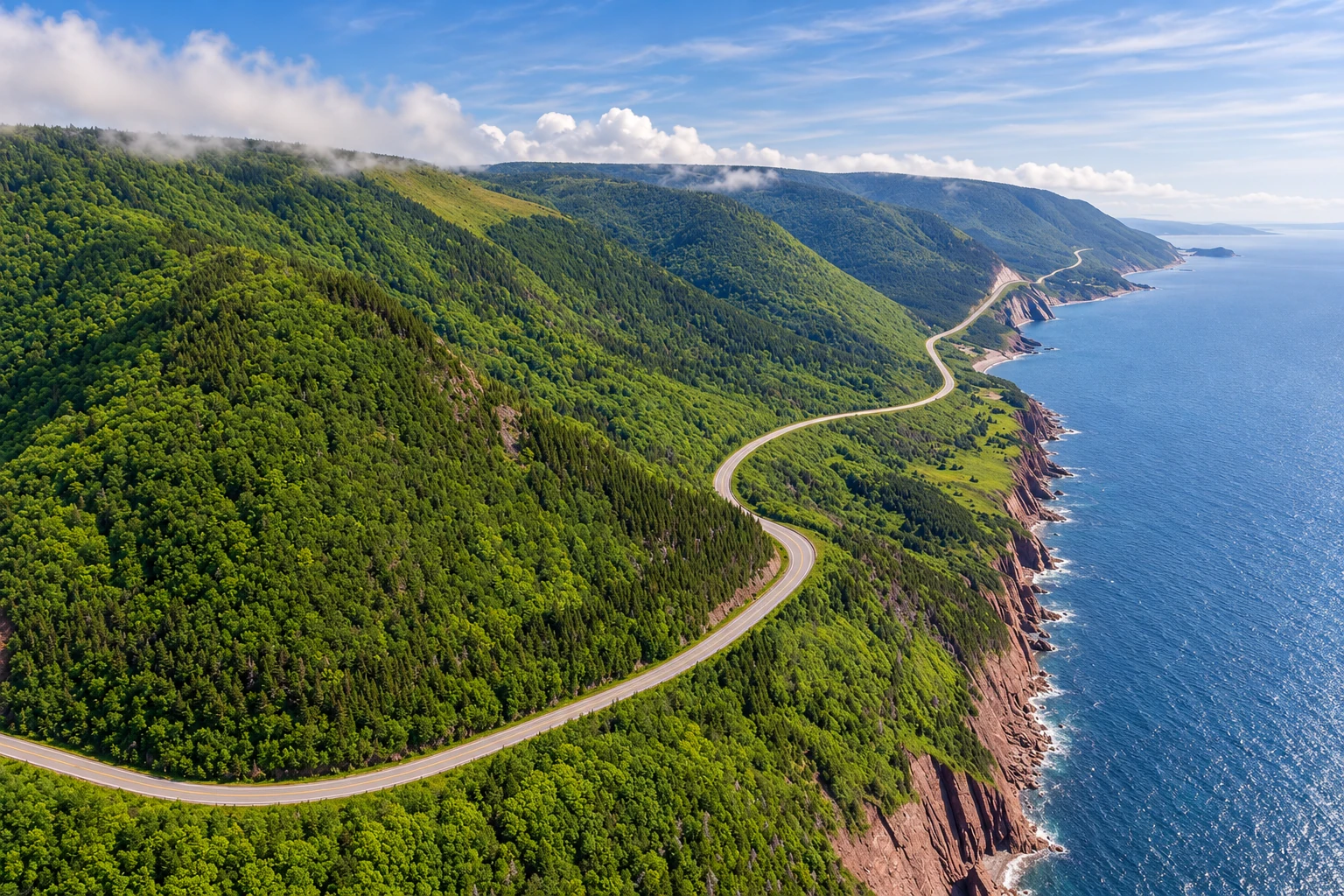
The Cabot Trail is best from June to October, and Nova Scotia’s water reaches 21–23°C in August. August also brought the largest provincial ADR gain, in Nova Scotia, so beach season is the priciest time for lodging. Prince Edward Island’s April occupancy of 44.2% shows how quiet the region is outside summer.
The North
Aurora season runs December through March in Yukon, the Northwest Territories, and northern Manitoba. Plan for severe cold: Yellowknife’s January highs sit near ?22°C. Churchill’s polar bears are an October and November draw.
The Prairies
Calgary’s Stampede is the July anchor. Manitoba led all provinces on hotel occupancy in July 2025 at 80.9%, so even a region that is not a headline destination fills up in peak summer.
Festivals Worth Planning Around
Quebec City Winter Carnival
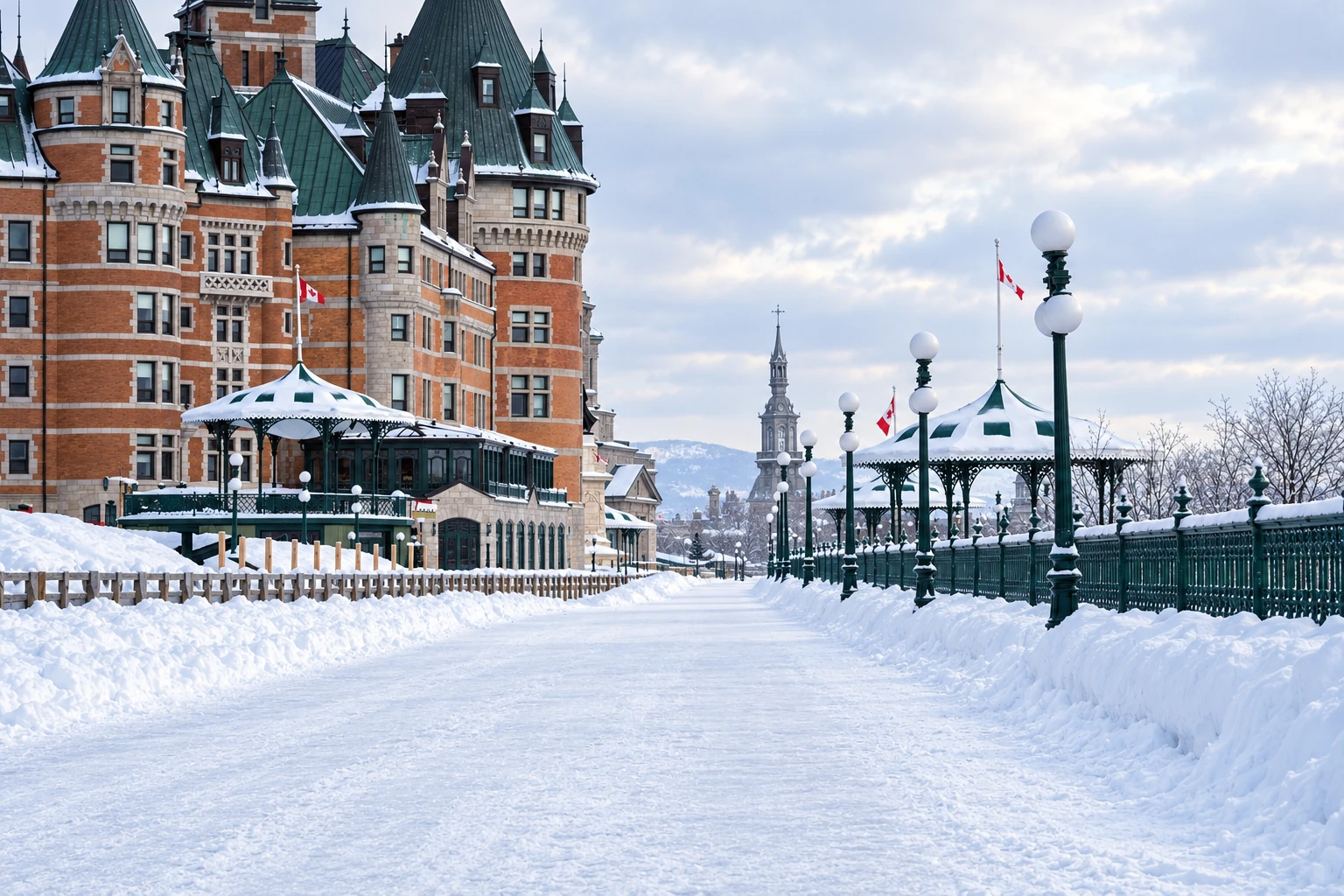
The Carnaval de Québec’s 2026 edition ran February 6–15, and the organizer’s page lists dates for future years. The official programme for 2026 included a night parade in Limoilou on 3e Avenue on Saturday, February 7, from 17:30, and a free night parade on Grande Allée on Saturday, February 14, from 19:00. Rappelling down the Château Frontenac ran February 12–15 and was ticketed. Free shuttles ran between the upper and lower towns for the full run, and the RTC boosted transit service for both parades.
Access to official sites required an Effigy pass for attendees 13 and over, which had a regular price of CAD 39 for 2026. Check carnaval.qc.ca for current pricing. The event draws roughly 400,000 visitors over 10 days. Montreal’s Fête des neiges at Parc Jean-Drapeau runs at the same time.
Summer Festivals
Calgary’s Stampede runs ten days in July, and the Edmonton Folk Music Festival follows in August. Montreal’s jazz, comedy, and music festivals fill late June through August, and Toronto’s Canadian National Exhibition is in August. Spring events include Ottawa’s tulips and Vancouver’s cherry blossoms, and maple syrup season starts in March.
Park Passes and Free Admission
Parks Canada charges daily admission at Banff and the neighboring mountain parks. For 2026, GoToBanff lists an adult daily pass at CAD 12.25. A senior (65+) pass costs CAD 10.75, and a family or group pass (up to seven people) costs CAD 24.50. Youth 17 and under are free. A daily pass is valid until 4 p.m. the day after purchase. The annual Discovery Pass costs CAD 83.50 for an adult, CAD 71.50 for a senior, and CAD 167.50 for a family or group. It is valid 12 months from purchase and covering more than 100 Parks Canada places. Seven adult daily passes cost CAD 85.75, so a week in the parks makes the Discovery Pass the cheaper option.
Passes are required to stop, stay, use facilities, visit towns or viewpoints, or drive scenic parkways such as the Icefields Parkway and Bow Valley Parkway. Highway 1 through traffic that does not stop needs none, and the pass must be displayed in the vehicle. A Banff daily pass also covers participating mountain parks, including Jasper, Kootenay, and Yoho.
From June 19 through September 7, 2026, Parks Canada admission was free, with a 25% discount on camping and overnight stays. The free window did not cover Lake Louise paid parking at CAD 42 per vehicle, the Lake Louise and Moraine Lake shuttle (CAD 12.75 adult, CAD 6 senior, CAD 4 youth, plus a reservation fee of CAD 3.50 online or CAD 5.50 by phone), hot springs, tours, or commercial attractions. Moraine Lake is closed to personal vehicles. Summer visitors should confirm whether a free window applies to their dates on the Parks Canada admission page.
How Far Ahead to Book
Summer bookings should go in six to nine months ahead, and longer for Banff and Lake Louise. September needs about three to six months. Spring needs only one to three months. Churchill polar-bear tours need six to twelve months. For Ontario, the province publishes monthly hotel statistics on occupancy, average daily rates, and RevPAR, which show which months are tightest before you commit to dates.
Choosing Your Dates
Choose September for an all-round trip, and early October if foliage matters more than warm weather. Choose July or August only for hiking at full trail access, Maritime beaches, or the Stampede and big summer festivals, and book far ahead. Choose February for the Carnival, Winterlude, and skiing, and November through March outside Christmas week to pay the least. To see the parks before peak season, go in May or early June, remembering that Vancouver is already busy. For the aurora in the North, go December through March and pack for extreme cold.
Key Takeaways
- Pick September for balance: September has good weather, thinner crowds, and lower prices than August, and Rockies access stays good until mid-October.
- Expect peak prices in July and August: August 2026 hotel occupancy reached 80.9%, so book Banff and Lake Louise six to nine months or more ahead.
- Travel November through March for the lowest costs: Flights and hotels are cheapest outside Christmas week, and February adds the Quebec City Winter Carnival and Winterlude.
- Use May and October as value months: Both have thinner crowds. May brings whale watching, and October brings foliage and polar bears.
- Check park pass rules before you go: Daily admission is CAD 12.25 for adults. A week of daily passes costs slightly more than the CAD 83.50 Discovery Pass. Paid parking and shuttles at Lake Louise are extra.