Best Time to Visit Mexico
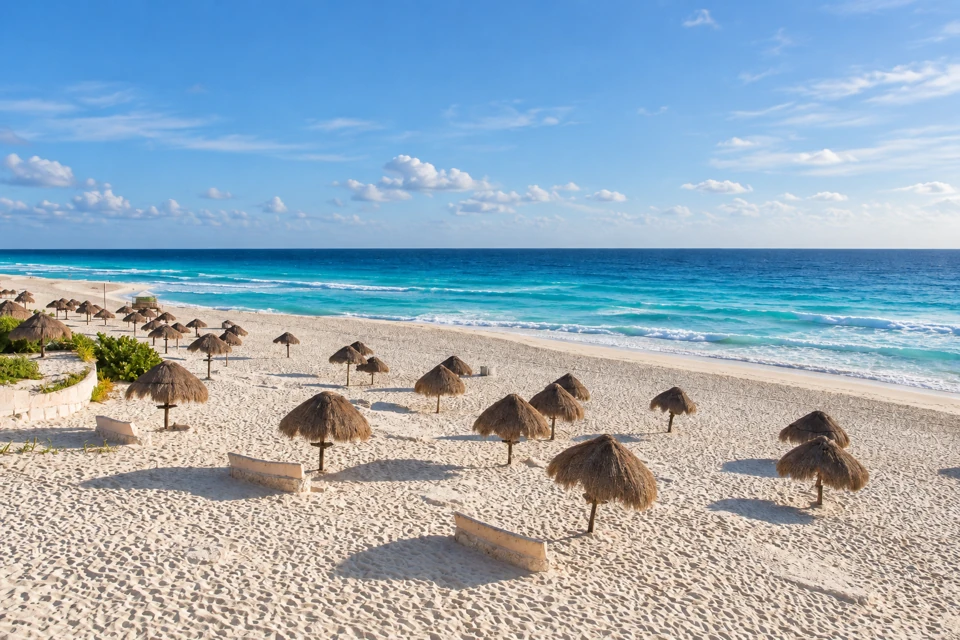
Mexico has a dry season and a rainy season, and most trip decisions follow from that split. The dry season runs from about November to April and is also the peak for tourism, with the highest prices from December through March. The rainy season runs from about June to October, with May and November as edge months. For most travelers, November is the best overall month. The rains have ended, prices have not yet peaked, and beaches and cities both work well (Mexico Travel & Leisure’s month-by-month guide).
The calendar alone does not settle the choice. Mexico spans desert, tropical coast, and high mountain plateau, so a good month for Mexico City may be a poor one for Cancún. A festival can also make a usually cheap month the most expensive of the year in one city. The sections below cover each month, each region, hurricane risk, 2026 holidays, and how to match dates to the trip you want.
Dry and Rainy Seasons
Most of the country has a rainy season from June to mid-October, with much less rain the rest of the year. Climate data shows February as generally the driest month nationally and July as the wettest. Rain usually arrives as short afternoon or late-afternoon storms after sunny mornings, so a rainy-season day still works for sightseeing if you plan around the afternoon, as SNO’s Mexico guide also describes.
The dry season brings clear skies and warm days, cool nights in the highlands, and comfortable coastal temperatures. Tourism peaks in this period, especially from December through March, when hotel prices are highest. Low season cuts hotel and flight costs by roughly 30 to 50 percent.
May and November are the edge months. In May the rainy season starts in parts of the country and the Eastern Pacific storm season begins. In November the rains ease, though rain has not entirely stopped in some regions.
Best Months by Climate Zone
Each terrain type has its own best window, according to Mexico Travel & Leisure’s climate zone breakdown:
- Desert and Baja zones suit October to April or May.
- The tropical dry Pacific coast suits November to April.
- December to March is the best window for the tropical humid Yucatán and Gulf coast.
- The temperate highlands, including Mexico City, Puebla, Guanajuato, and Oaxaca, are best from November to May.
- Cloud forest suits February to April.
A trip that combines a beach and a colonial city fits best between November and April. If you can only travel in the rainy season, the highlands are the more comfortable choice than the humid Yucatán.
Month by Month
January
January is high season. Winter highs in Cancún run from the mid-70s to the mid-80s°F with low humidity, and hotels charge peak rates, 30 to 50 percent above low season. US round-trip flights average $350 to $600. Crowds thin after January 6, and mid-to-late January is a good time to go. New Year’s Day falls on a Thursday in 2026. Baja whale watching is strongest from January through March, so this month suits beach travelers who can pay peak prices and anyone heading to Baja for whales.
February
February is the driest month nationally. It is a strong month for the beach because of dry weather, warm water, and lower sargassum risk (the seaweed that washes onto Caribbean beaches). It is still high season, and Baja’s gray whales peak this month, with humpbacks along the Pacific coast.
Constitution Day falls on Monday, February 2, 2026, which makes a long weekend from Saturday, January 31. Oaxaca marks Día de la Candelaria the same day. Carnival runs February 12 to 17 in Mazatlán, and in Tehuantepec and Juchitán in the Istmo region it runs February 12 to 17, 2026, free to attend. February suits beach trips, whale watching, and Carnival.
March
March is the last dry-season month and the most expensive. Sargassum and Caribbean storm risk are lowest from December through March, which is why everyone arrives at once. Spring break crowds Cancún from mid-March to early April. Riviera Maya hotel prices rise 50 to 100 percent, and March is the priciest month on the Caribbean coast. The Pacific coast, Oaxaca, and central Mexico feel the spike far less.
Benito Juárez’s birthday is Monday, March 16, 2026, creating a long weekend from Saturday, March 14. Semana Santa (Holy Week) begins Sunday, March 29. Oaxaca’s Holy Week brings the Procession of Silence and pastorelas (Nativity-themed plays), and Oaxaca’s Holy Week puts less pressure on hotels than Guelaguetza or Día de Muertos.
April
The dry season continues. Mexico City highs reach roughly 21 to 30°C with dry conditions and nights near 6°C. Semana Santa runs March 29 to April 5, 2026, from Palm Sunday to Easter Sunday, with Holy Thursday on April 2 and Good Friday on April 3. Beach destinations such as Cancún, Puerto Vallarta, and Acapulco become especially crowded, transport sells out, and accommodation prices rise. Quintana Roo hotel occupancy exceeds 80 percent that week. Easter week is a domestic peak, and beach towns are the places to avoid during it.
Once Easter passes, April becomes a bargain in the highlands. Oaxaca hotel prices are cheapest in April, which makes it a good month for culture on a budget in Oaxaca and central Mexico, as long as you avoid Holy Week.
May
May is low season. Hotels cost 20 to 40 percent less than at peak, and US round-trip flights drop to about $200 to $400. Crowds and prices are among the lowest of the year, and the Caribbean is typically less rainy than it will be in September. The rainy season begins in some regions, and the Eastern Pacific hurricane season starts May 15.
Labor Day is Friday, May 1. Cinco de Mayo is not a federal public holiday, and Puebla is where it is mainly observed. Pacific surfing peaks from May through October, so May suits budget travelers and surfers.
June
June is the start of the rainy season in much of the country and the first month of the Atlantic hurricane season, which begins June 1. The Yucatán is hot and humid, especially from June through August, with short, intense early-evening downpours that usually pass. Crowds and prices are lowest in May and June. A Cancún resort runs about $180 to $220 a night in June, against about $400 in January.
Whale sharks appear from June through September, and the central highlands and northern colonial cities are good summer choices because their rains are brief and intense. Summer school vacations raise domestic demand at the beach.
July
July is the wettest month nationally. Mexico City and the central highlands get afternoon rain from June through September. Domestic tourism surges while international visits fall, and summer school holidays add demand. The major event is Oaxaca’s Guelaguetza.
Guelaguetza 2026 takes place on Monday, July 20 and Monday, July 27 at the Auditorio Guelaguetza, with performances at 10:00 AM and 5:00 PM. It is the 94th edition, with delegations from the state’s eight regions. The last two Mondays of July are known as "Lunes del Cerro," and an "Octava" performance follows. The wider "Julio, Mes de la Guelaguetza" program offers more than 140 activities.
Tickets sell quickly: presale prices on May 15 were 1,476 MXN for Section A and 1,166 MXN for Section B, and general sale on June 1 was 1,632 MXN and 1,321 MXN, plus service charges. Sections A and B sold out in under an hour on the first day of general sale. Sections C and D were free for the four main presentations, so a visit is possible without a paid seat. The Monte Albán Heritage Center suggests visiting around July 11 to 18, 17 to 24, or 24 to 31 for peak activity. Check the official ticket announcement for the current year’s dates and prices.
August
August is the rainy season and a quiet month. Yucatán stays hot and humid, and Cancún summer highs reach the upper 80s to low 90s°F. Both the Atlantic and Eastern Pacific storm seasons are underway. Crowds are lower in many inland destinations, and Cancún pricing sits in its lower-to-mid range. August suits budget travel in the highlands. Travelers who want to avoid storm risk should skip Caribbean beaches.
September
September is the peak storm month on the Caribbean coast, and Los Cabos reaches its hurricane peak as well. Heavy rain is common. September has the lowest crowds and prices of the year along with the highest storm risk, and Cancún hotels offer their steepest discounts. The cheapest period for Cancún runs from September to early November. The savings are mostly found inland, since the Caribbean coast carries the risk. September is the worst month for a first Riviera Maya trip.
Independence Day brings El Grito on the night of September 15, with fireworks, festivals, and parties nationwide. The holiday itself falls on Wednesday, September 16, so it creates no long weekend in 2026.
October
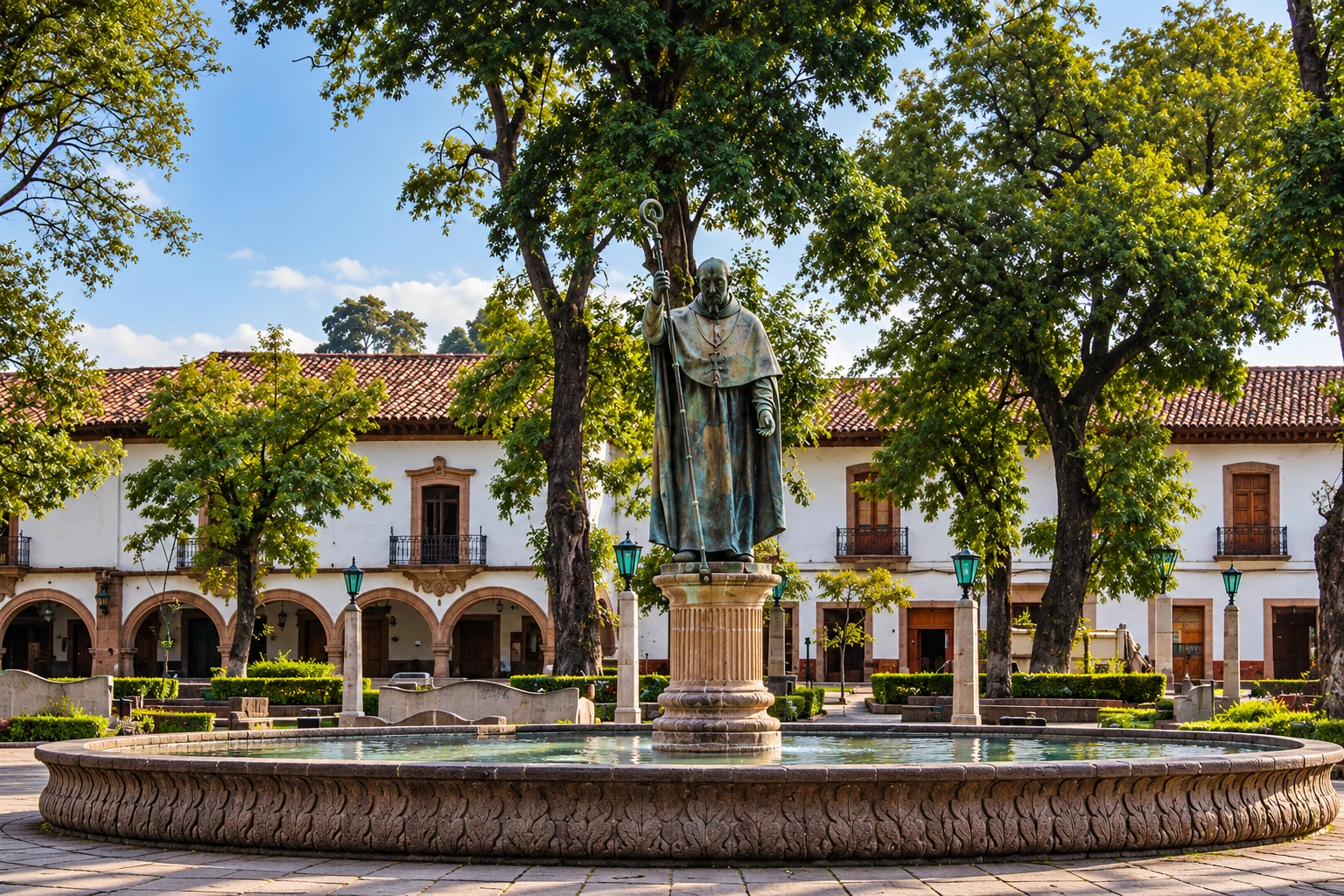
October is the last rainy-season month. Mexico City is cooler and less rainy, with temperatures in the low 20s°C, and October is the best month for inland cities because of the cooler walking weather. Prices are low to moderate. Colonial cities prepare for Day of the Dead, and Guanajuato hosts the Festival Cervantino. Caribbean beaches carry storm risk, so October suits Mexico City, Oaxaca, Guanajuato, and Pátzcuaro.
November
November opens the dry season. Mexico City stays mild and dry through February. Going to Cancún and Cozumel in November avoids Christmas, spring-break, and winter-sun crowds, and late November brings dry coasts, cooler highlands, and reasonable prices before the holiday crush. Both hurricane seasons end November 30.
Day of the Dead falls November 1 and 2. November 2 is not always an official nationwide holiday, though many schools and some workplaces close or reduce hours. In Oaxaca, the most atmospheric visit is October 31 to November 2, and the Monte Albán calendar lists October 28 to November 4, 2026 as the event window. Revolution Day is Monday, November 16, 2026, creating a long weekend from Saturday, November 14.
December
December is dry, sunny, and cooler, with average highs near 25°C, about six hours of sunshine a day, and very little rain. The Oaxaca area has typical weather of about 23°C highs and 11°C lows. Crowds and prices are at their peak, Christmas and year-end bring higher prices and limited availability, and coastal snowbird communities arrive in December and stay until April or May.
Oaxaca holds Noche de Rábanos (the radish carving night) on December 23, and Las Posadas mark the Christmas period. Christmas Day is Friday, December 25, 2026, an official federal rest day that makes a three-day weekend. Book early for December.
Region by Region
Yucatán and the Caribbean Coast
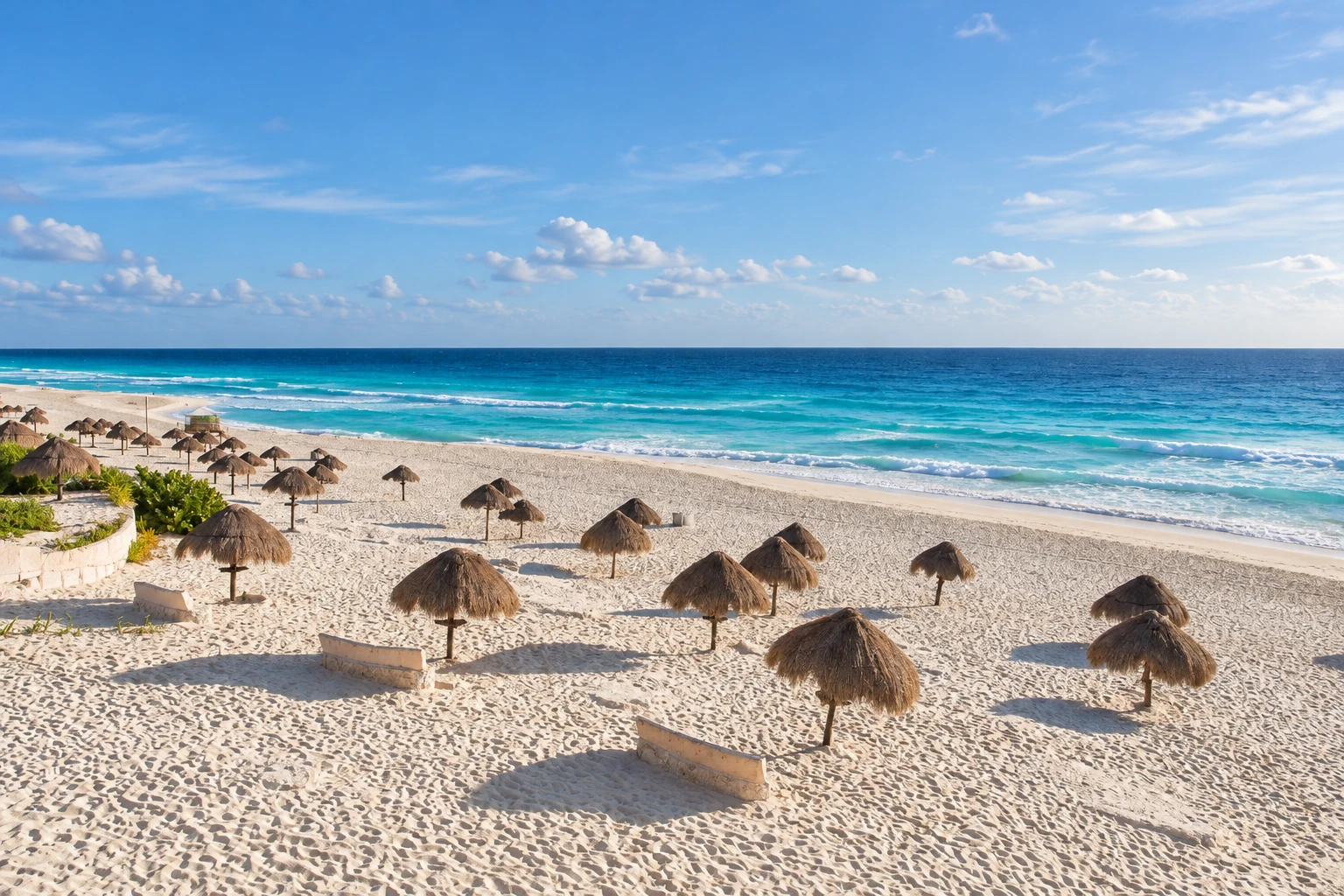
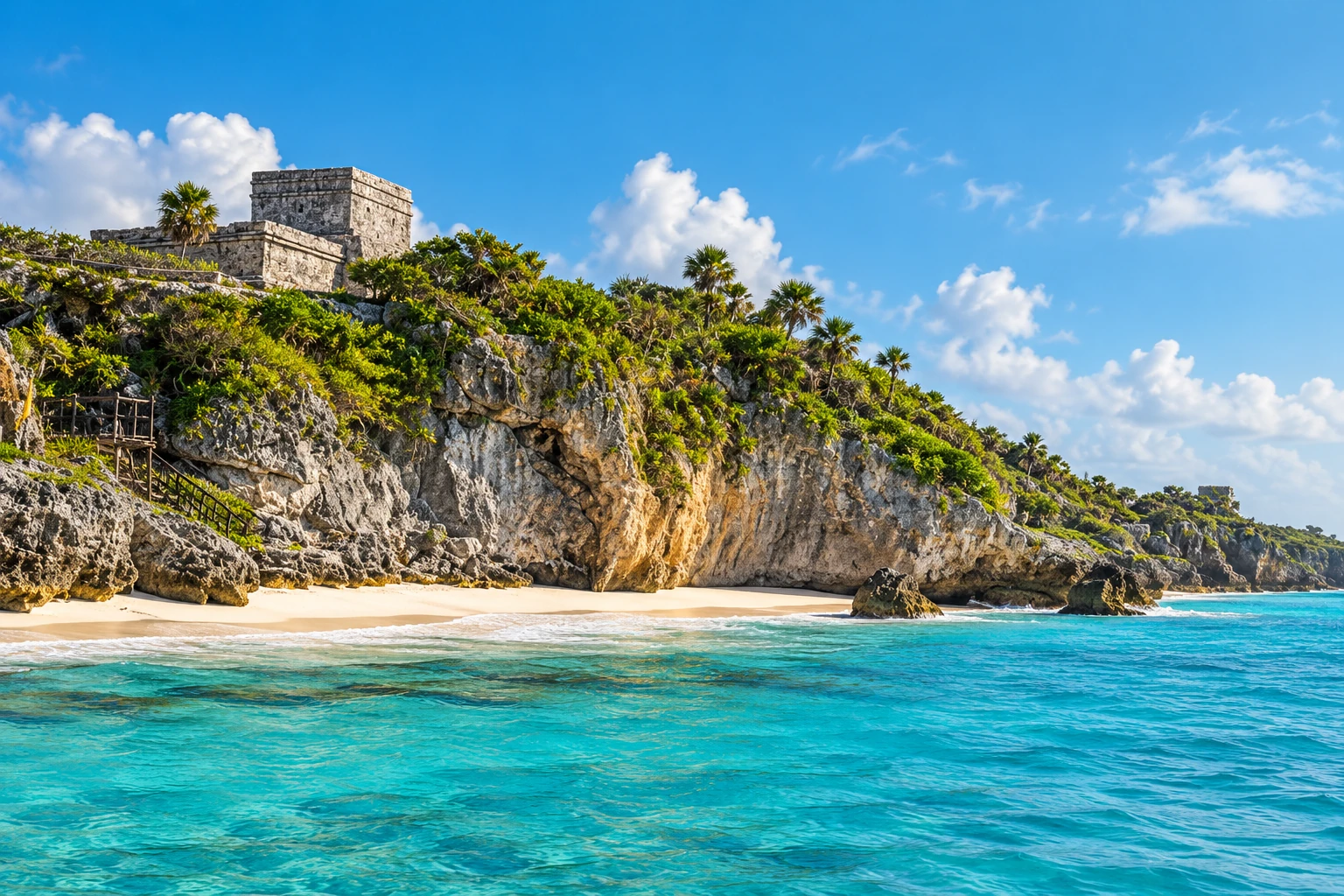
Cancún, Tulum, and Cozumel are hot and humid in summer and dry in winter, with rain from May through October. The best window is December to March, which is also peak season, and March spikes 50 to 100 percent on the Riviera Maya. The cheapest period is September to early November, but hurricane season runs June 1 to November 30, with peak risk in September and October. Sargassum is lowest from December through March. February and the shoulder weeks of November to early December balance weather and price best.
The Pacific Coast
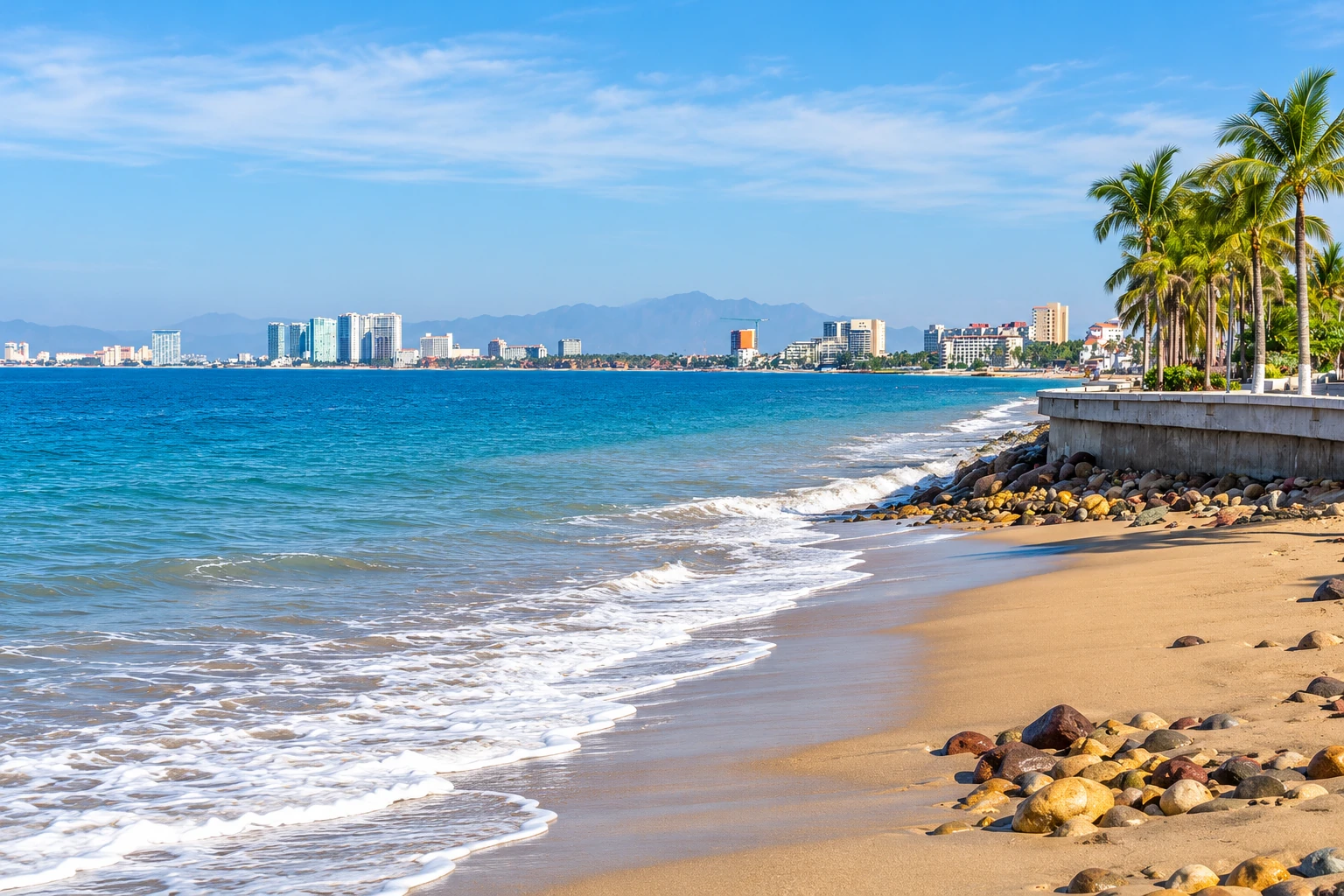
Puerto Vallarta, Mazatlán, and the coast of Jalisco and Colima have a tropical dry climate. Rain falls from May to October, mostly in the afternoons, and the best window is November to April. Prices peak from December to April, but the March spike that hits the Riviera Maya affects the Pacific coast much less. Surfing peaks from May through October, so surfers go when everyone else leaves.
Los Cabos and Baja
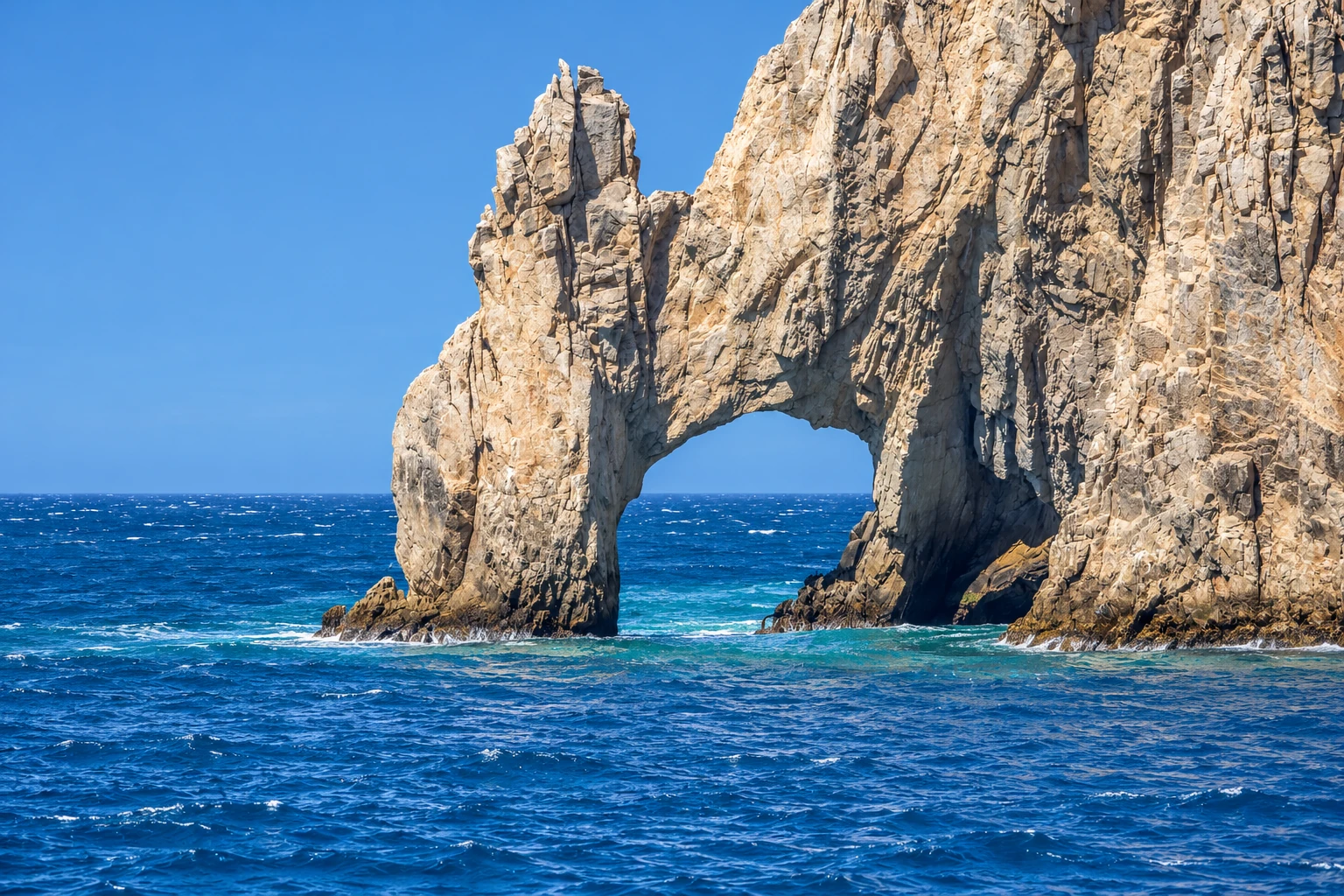
Los Cabos and Baja Sur have a Mediterranean-type climate, with a best window of October to May and a hurricane peak in September. Whale watching runs January through March, and gray whales peak in February. Baja Norte and Ensenada have winter rains and dry summers, similar to Southern California. The desert zone covering Sonora, Chihuahua, and Baja Norte gets very little rain and suits October to April.
Mexico City, Puebla, and Guanajuato
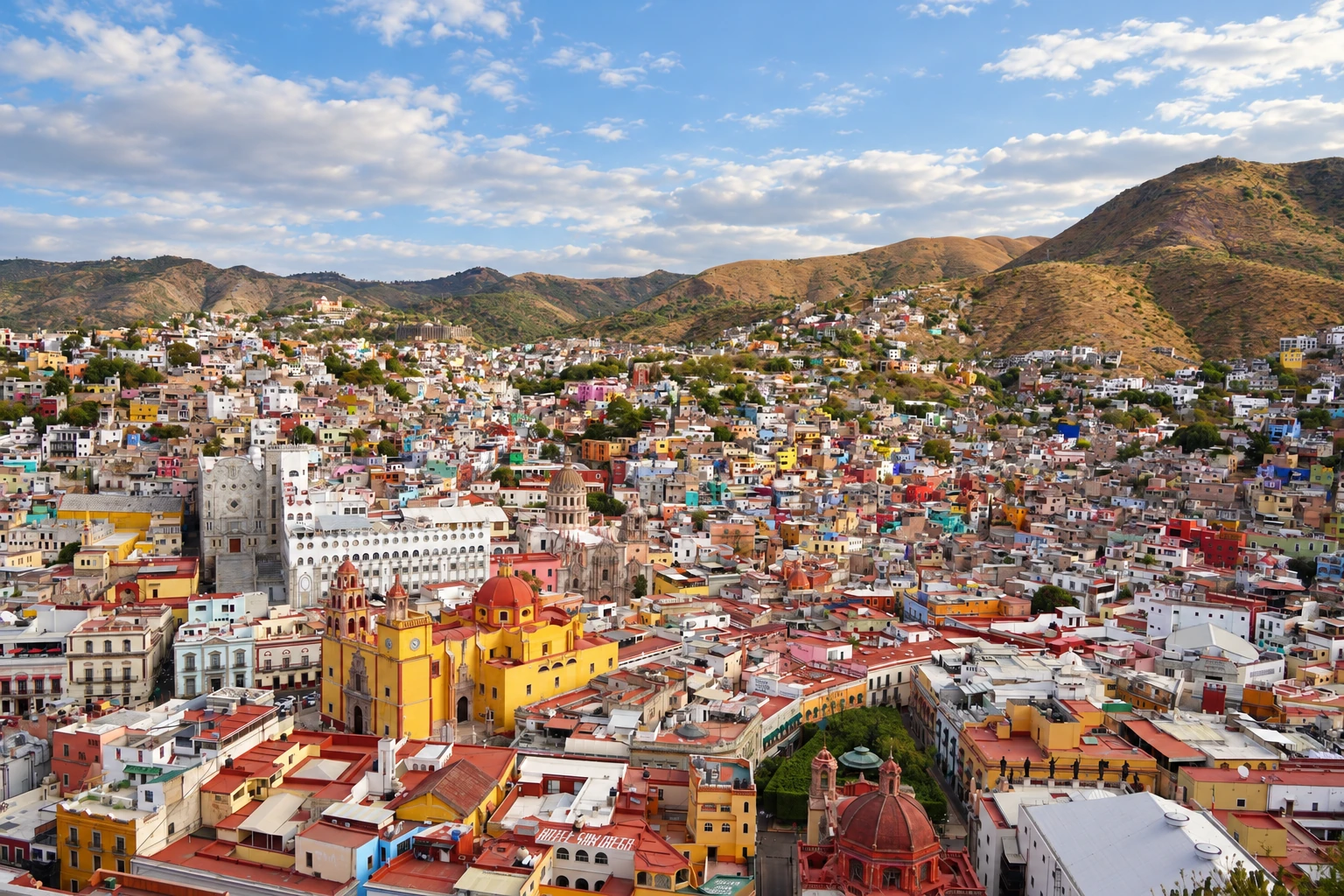
The temperate highlands are best from November to May. Mexico City is mild and dry from November through February, gets afternoon rain from June through September, and is cooler and less rainy in October. Prices here run lower than at tourist hotspots, with higher prices at Easter and Christmas. Guanajuato’s Festival Cervantino brings crowds in October. Central highland and northern colonial cities also work in summer for travelers who prefer brief, intense rain to heat.


Oaxaca
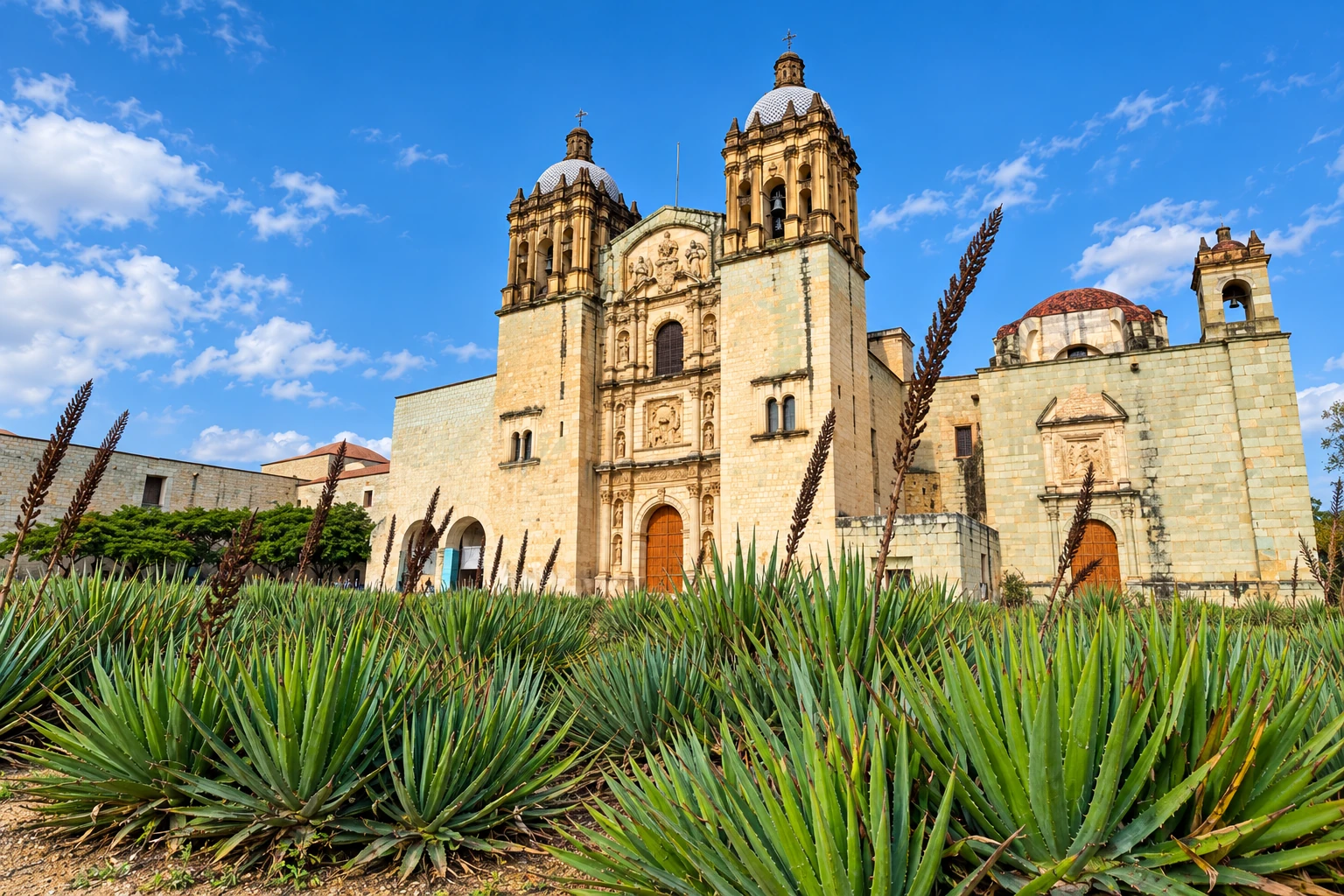
The city of Oaxaca suits November to May, with rain from June through September, and the Sierra Norte cloud forest is best from February to April. Oaxaca costs less than Cancún or Tulum. April hotels are the cheapest, and the festival peaks are Guelaguetza in July and Day of the Dead from October 31 to November 2. Both festivals fill hotels, so book early. Holy Week gives a festival atmosphere with less hotel pressure.
Gulf Coast and Chiapas
The Gulf coast and Veracruz are humid and hot year-round, with a best window of December to March. The Chiapas lowlands and southern Veracruz have hot, humid rainforest with very high rainfall, and they also suit December to March. Prices are moderate in both areas. Bring light, quick-drying clothing, and expect humidity in any month.
Hurricane Season and Trip Timing
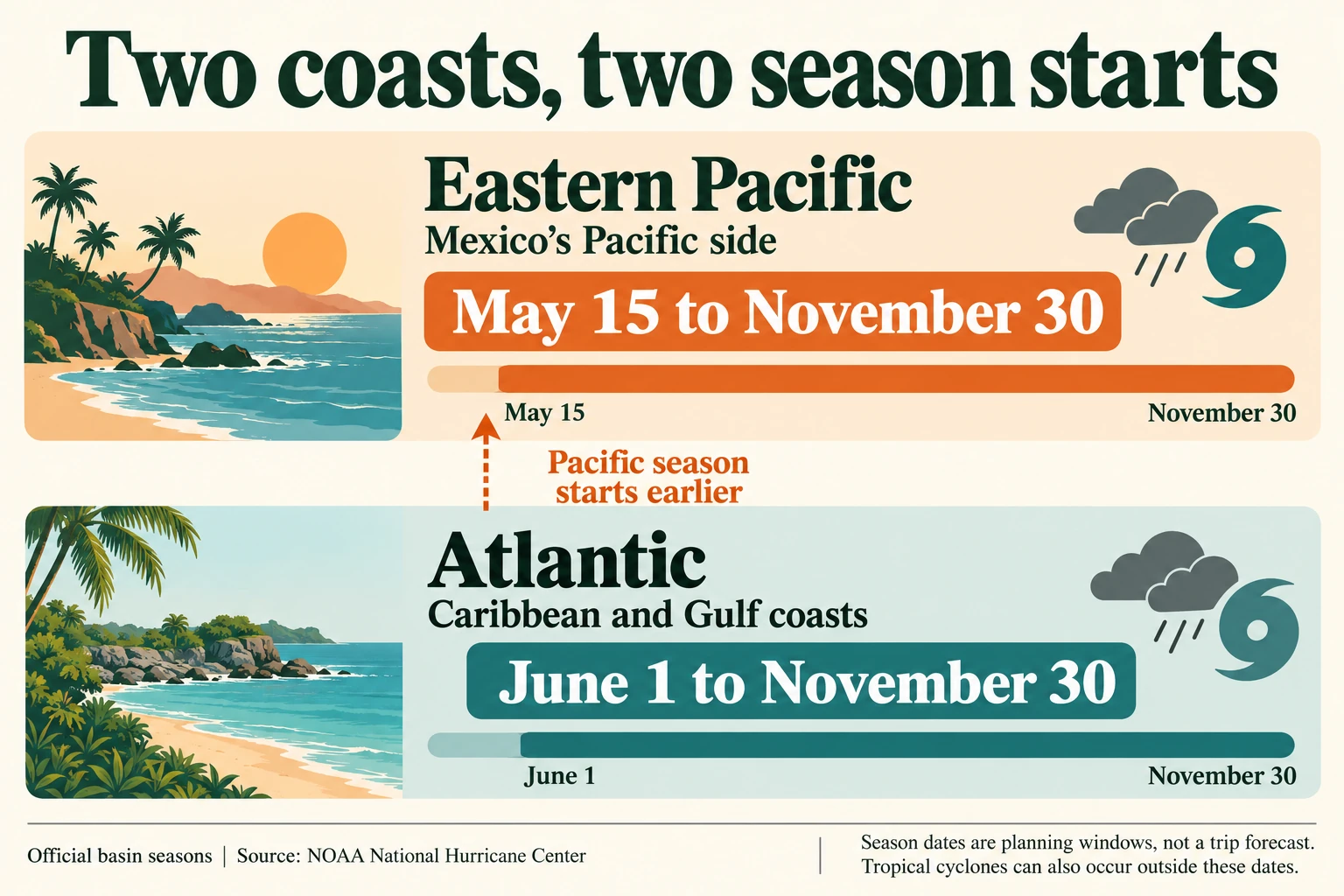
Mexico is hit by tropical cyclones every year. Mexico’s navy meteorological service, SEMAR, lists the Eastern North Pacific season as May 15 to November 30, citing the US National Hurricane Center, and the Atlantic season (Gulf of Mexico and Caribbean) as June 1 to November 30. SEMAR’s April 2025 forecast called for 19 Pacific tropical cyclones, including 8 tropical storms, 6 hurricanes, and 4 major hurricanes (Category 3 to 5), and 17 Atlantic tropical cyclones, with 4 hurricanes and 4 major hurricanes.
Colorado State University’s 2025 Atlantic season summary recorded 13 named storms, 5 hurricanes, and 4 major hurricanes, against a 1991 to 2020 average of 14, 7, and 3. Accumulated cyclone energy reached 108 percent of the average, which makes the season above normal. Hurricane Melissa struck Jamaica as a Category 5 storm, with preliminary damage estimates of US$6 to 7 billion. The Atlantic had no named storms from August 24 to September 16, the first such gap since 1992, so a quiet stretch in the middle of a season is a weak guide to what follows.
A hurricane season runs for months and raises the chance of a disrupted trip. That chance is highest in September and October on the Caribbean coast. Travelers heading to the coast from June through November should buy travel insurance, choose flexible bookings, and check forecasts close to departure, since late-season forecasts change quickly.
2026 Holidays and Long Weekends
Mexico’s mandatory federal rest days come from Article 74 of the Federal Labor Law, as listed by Expansión. Long weekends push up domestic demand at beach towns and colonial cities, so book those dates early.
| Date (2026) | Day | Holiday | Long weekend |
|---|---|---|---|
| Jan 1 | Thursday | New Year’s Day | None |
| Feb 2 | Monday | Constitution Day | Sat Jan 31 to Mon Feb 2 |
| Mar 16 | Monday | Benito Juárez birthday | Sat Mar 14 to Mon Mar 16 |
| May 1 | Friday | Labor Day | None listed |
| Sep 16 | Wednesday | Independence Day | None |
| Nov 16 | Monday | Revolution Day | Sat Nov 14 to Mon Nov 16 |
| Dec 25 | Friday | Christmas Day | Three-day weekend |
The Monday dates appear in several calendars. Holy Thursday and Good Friday (April 2 and 3, 2026), November 2, and Nochebuena (Christmas Eve) are not mandatory rest days, but many companies observe them, and many schools close for Semana Santa. October 1 becomes a rest day once every six years when the federal executive changes, and it does not apply in 2026.
Choosing Dates by Trip Type
For a beach trip with warm, dry weather and low storm risk, pick February or March on the Caribbean and accept peak prices and March crowds. November to early December works elsewhere, particularly on the Pacific coast.
For budget travel with fewer crowds, go in May, June, or from September to early November. Expect rain, and on the Caribbean coast, storm risk. The inland cities give the best value in these months.
For festivals, plan around Guelaguetza in late July (book early), Day of the Dead from late October to early November (Oaxaca and Pátzcuaro, October 31 to November 2), Holy Week in Oaxaca from late March to early April, and Independence Day on September 15 and 16.
For whales, go to Baja California from January to March, with gray whales peaking in February and humpbacks also appearing on the Pacific coast that month. Whale sharks show up from June to September.
For city travel in Mexico City, Oaxaca, and Guanajuato, October to May gives temperate weather, and October is cooler and less rainy in Mexico City. Family trips match school holidays in December, March to April, and July, which are also the busiest periods, so book ahead.
Key Takeaways
- Choose November for the best all-round trip: The dry season starts, prices have not peaked, and both beaches and cities work well.
- Avoid Easter week in beach towns: Semana Santa runs March 29 to April 5, 2026, with transport selling out and Quintana Roo hotel occupancy above 80 percent.
- Match the region to the month: Caribbean beaches are best December to March, the Pacific coast November to April, and the highland cities November to May.
- Trade rain and storm risk for savings in the off-season: May, June, and September to early November cut hotel costs noticeably, but September and October carry the highest Caribbean hurricane risk.
- Book festival dates early: Guelaguetza seats in Sections A and B sold out in under an hour in 2026, and Day of the Dead fills Oaxaca and Pátzcuaro from October 31 to November 2.