Getting Around Hungary
Trains and buses link Budapest with the rest of Hungary. Boats and one car ferry serve Lake Balaton, and a car covers the places the rail network skips. Within Budapest, use public transit or licensed taxis booked through ride-hailing apps. Fares are in forint (HUF, also written Ft). Three booking rules catch first-time visitors: intercity trains require a seat reservation, Volánbusz long-distance buses require a ticket bought before boarding, and most motorways require an electronic toll sticker bought before you enter.
Take the train between cities. Budapest to Pécs, Debrecen or Szeged takes about 2h15 to 2h50. Use Volánbusz buses for towns the rail network reaches poorly, and boats for the Balaton shoreline. Rent a car for the countryside. From the airport to central Budapest, take the 100E bus or a booked ride.
Trains between Budapest and regional cities
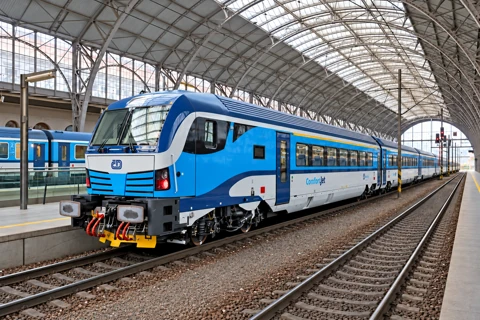
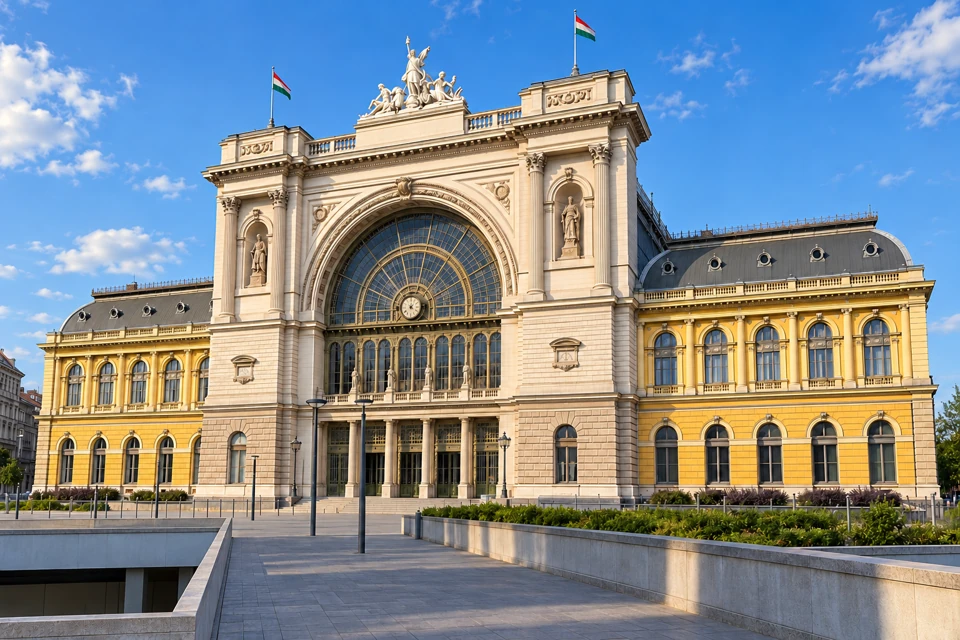
Hungary’s national rail operator is MÁV-START, and a second operator, GYSEV, runs regional services in the west around Sopron, Szombathely and Gy?r. Budapest has four stations for intercity services: Keleti, Nyugati, Déli and Kelenföld. Pécs trains leave from Keleti and Debrecen trains from Nyugati. Szeged trains also leave from Nyugati.
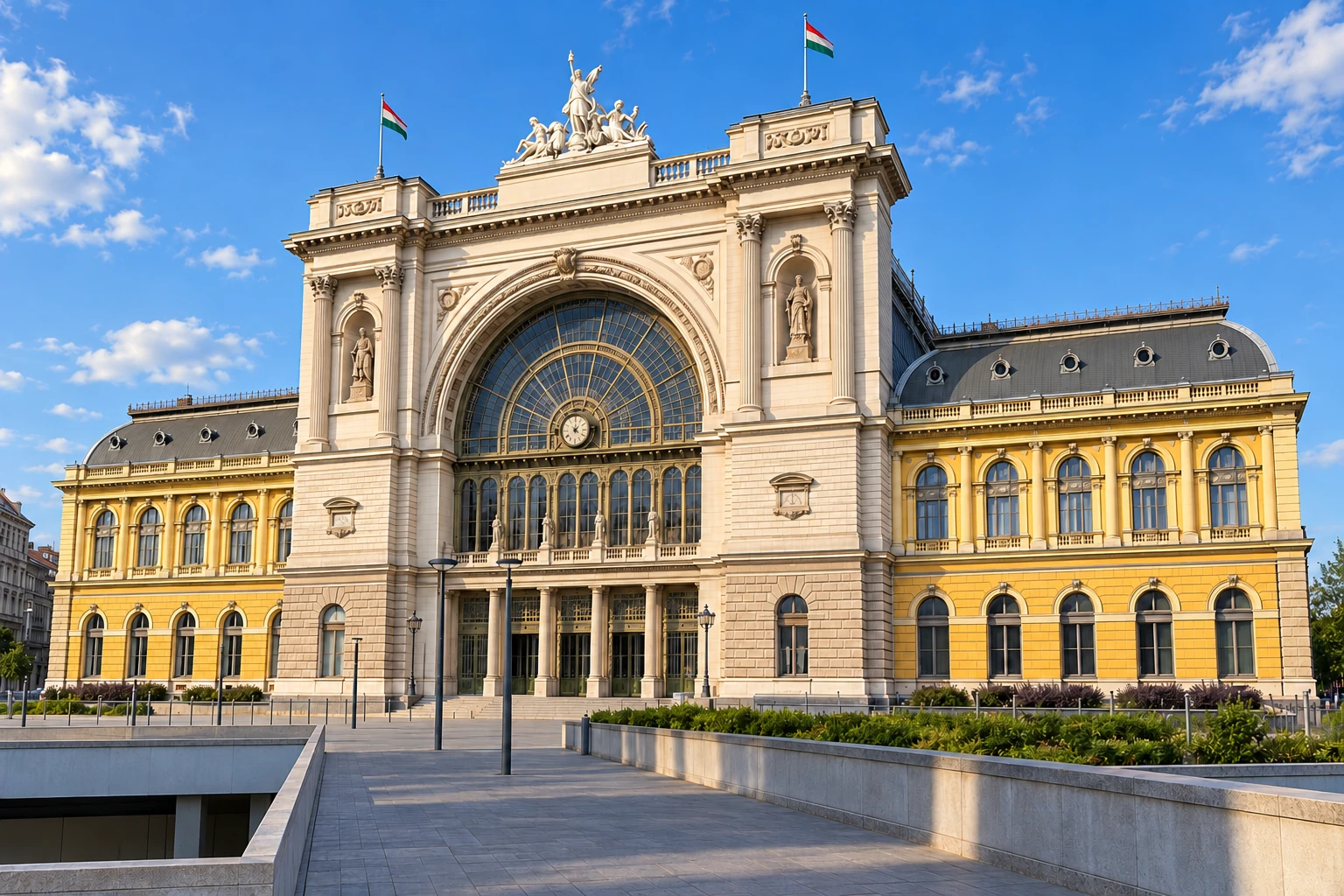
Typical journey times from Budapest are about 1h30 to Gy?r, about 2h to Miskolc, about 2h20 to Debrecen and about 2h50 to Pécs. Actual times depend on the departure. The Pécs route runs 2h30 to 2h45 from Keleti, Debrecen 2h15 to 2h50 from Nyugati, and Szeged about 2h20 from Nyugati. These durations keep a day trip to any of these cities realistic, and an overnight stay worthwhile if you want an evening there.
Fares for the main intercity routes, second class, in forint:
- Budapest–Pécs: an IC (intercity) ticket costs 4,940 HUF, or 5,940 HUF in first class. The unreserved Gyorsvonat (fast train) costs 3,410 HUF.
- Budapest–Debrecen: fares run about 3,800 to 4,300 HUF.
- Budapest–Horgos (Serbia): the full-fare one-way ticket is 3,705 HUF, and a return costs 7,410 HUF.
For international trips, the Budapest–Vienna Railjet (RJX), run by ÖBB and MÁV-START, leaves about hourly, and the fastest trips take around 2h20 from city center to city center. The Adria InterCity to Split via Zagreb runs only in summer, roughly early July to early October, a few times a week.
Seat reservations and where to book
Reservations are compulsory on domestic IC and IC+ trains and on Railjet services. The reservation fee is about 990 HUF at a counter and 940 HUF online. Boarding an IC train without one can mean paying extra or moving to a regional train. Interrail and Eurail passes are valid on MÁV-START and GYSEV trains, but neither covers reservation fees, so pass holders should buy a reservation before boarding an IC or IC+ train.

Book on jegy.mav.hu or in the MÁV app. Buying directly from MÁV avoids markup, and the official site is the most direct and typically the cheapest channel for domestic trips. You can also buy at station counters or from a conductor. Regional trains rarely need advance booking, but IC seats on Friday and Sunday trains, around public holidays and in busy summer periods are worth reserving early.
The online platform lists only trains that still have discounted advance fares. If a train you expect is missing, the promotional fares have probably sold out, and a flexible standard ticket is still available at the ticket office.
Volánbusz buses
Volánbusz runs the national bus network and is the low-cost option for towns off the main rail lines. Fares depend on distance bands. The 2023 fare table started at 250 Ft for 0 to 10 km, 560 Ft for 25.1 to 30 km and 930 Ft for 45.1 to 50 km. A 150 Ft long-distance supplementary ticket applies from 10.1 km upward. Current prices are on the Volánbusz site, so check them before a long trip. A local-transport ticket is not valid on long-distance and regional (helyközi) services.
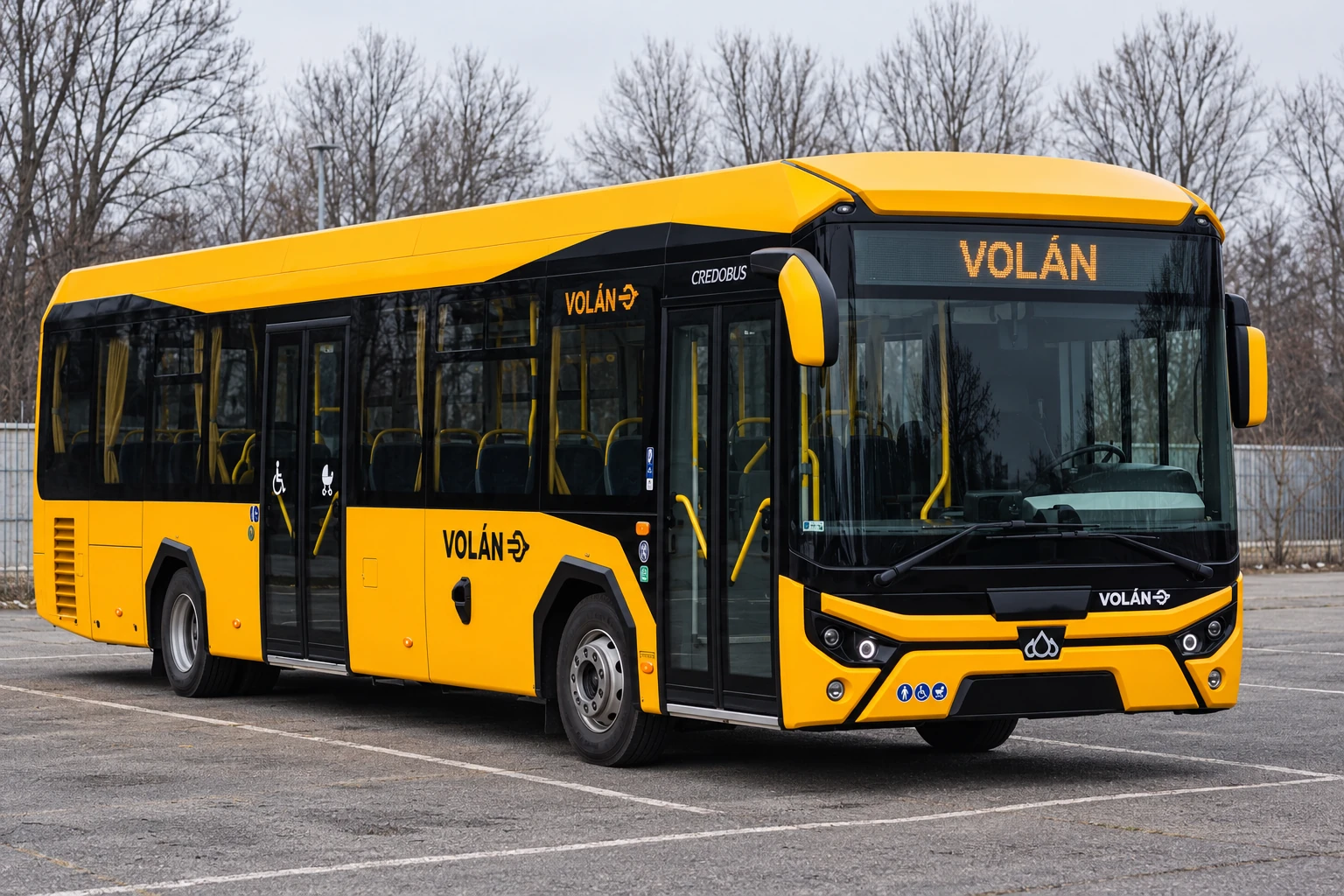
Search timetables on Menetrendek.hu, which also has an app. Its page marks Volán routes with "Csak el?reváltott menetjeggyel!", meaning pre-purchased tickets only, and flags services where a supplementary ticket is required. Buy before boarding, not from the driver.
Online pre-sale through the Volánbusz web system covers national routes that start or end at Budapest’s Népliget, Stadion, Árpád híd and Újpest-Városkapu bus stations. The mobile ticket page lists the phone-based option.
Lake Balaton by boat and ferry
The Balaton boat operator is BAHART (Balatoni Hajózási Zrt., H-8600 Siófok, Krúdy sétány 2; phone +36 84 310 050; ugyfelszolgalat@bahart.hu). Its 2026 season began on 28 March. Figures below are from the 2026 spring timetable, and BAHART publishes an updated summer timetable.
Passenger boats between towns
Boats suit sightseeing and short hops better than long transfers. Siófok to Tihany takes 60 minutes, Balatonfüred to Tihany 20 minutes and Siófok to Balatonfüred 60 minutes. Siófok–Balatonfüred and Siófok–Tihany run from 28 March 2026 with four or five departures a day. On the quieter southern and northern shores, Fonyód to Badacsony takes 30 minutes and Balatonboglár to Révfülöp about 25 minutes.
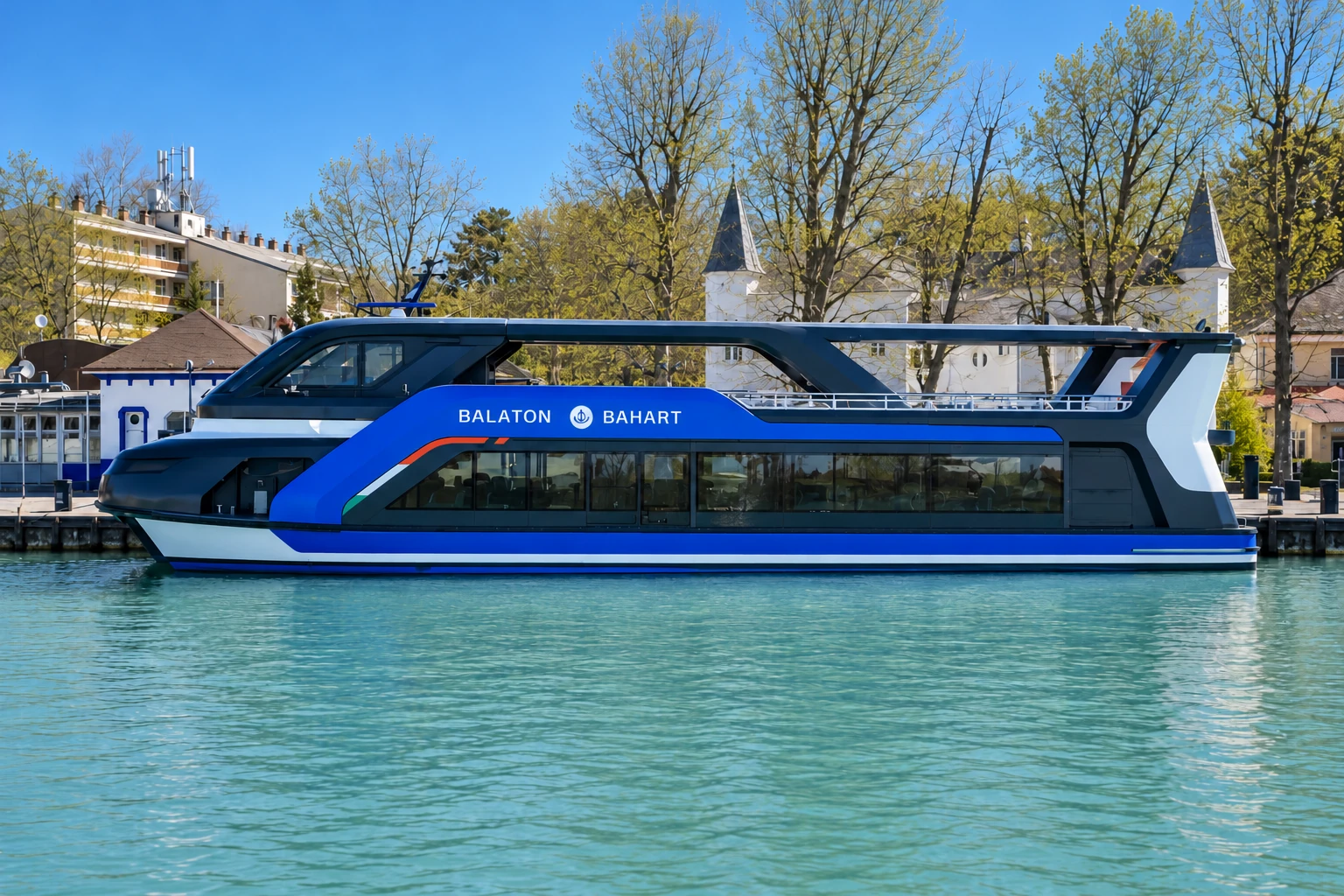
Fares are set by zone. Single full-price fares run 2,150 Ft in Zone I, 2,400 Ft in Zone II, 2,700 Ft in Zone III and 2,950 Ft in Zone IV. Returns cost 4,300, 4,800, 5,400 and 5,900 Ft. Children aged 4 to 14 pay half, and children under 4 travel free. Payment is by cash, bank card or SZÉP card. Bicycles are carried depending on traffic, and dogs must wear a muzzle and be on a leash. Scheduled and sightseeing sailings can be bought in advance at jegy.bahart.hu.
The Szántódrév–Tihanyrév car ferry
The only ferry crossing on the lake carries vehicles and passengers all year, and only extreme weather and unfavorable ice conditions stop it. Frequency changes by date. On 1 January it runs half-hourly from 10:00 (Szántódrév) and 10:15 (Tihanyrév) until 18:00 and 18:15. From 19 June to 30 August it runs half-hourly from 07:00 to 23:30 from Szántódrév and from 07:15 to 23:45 from Tihanyrév.

The 2026 fares, in forint:
- Adult single: 1,000 Ft
- Car up to 2 t gross: 3,000 Ft
- Caravan or motorhome: 4,300 Ft
- Bicycle: 400 Ft
- Bus up to 15 seats: 4,000 Ft
- Bus with 16 to 25 seats: 5,800 Ft
- Bus over 26 seats: 10,500 Ft
Children aged 0 to 14 travel free. The fares also include a 5,000 Ft surcharge (pótdíj) and a 15% handling fee (kezelési költség). BAHART is not liable for cancellations or delays caused by water levels or weather and does not compensate passengers who miss rail connections, so leave slack if you have a train or flight afterward.
To reach Balaton towns from Budapest, use the Volánbusz network described above, or travel to Siófok, Balatonfüred or Tihany and continue by boat in season.
Taxis and ride-hailing in Budapest
Licensed taxis in Budapest follow a single government tariff that applies to all companies. The current tariff took effect on 1 August 2026: 1,300 HUF base, 520 HUF per km and 130 HUF per minute waiting. The rate is the same day and night, with no surge pricing. Airport journeys start at a 2,100 HUF base in both directions, which equals an 800 HUF surcharge on the normal base fare. All licensed taxis must accept card payment.
Book through an app rather than hailing on the street, because the ride is then GPS-tracked and the driver is identified, per the same taxi guide. Bolt is the dominant platform in Budapest. It dispatches licensed taxis on the regulated tariff, shows the price before booking and takes card payment. Uber dispatches F?taxi cars, and F?taxi is the official taxi company, with yellow cars and a marshalled rank at the airport. Surge pricing can raise Bolt and Uber fares at busy times, unlike the official taxi tariff, so check the price in the app before confirming.
Touts cluster at Keleti station and in the airport arrivals hall, so order the ride on your phone before you leave the terminal or platform. In the city center, walking and public transit cover most trips. A taxi or Bolt suits the trip home at night.
From Budapest Airport to the city
Budapest Ferenc Liszt airport (BUD) has four ways into town, and the price gap between the cheapest and the dearest is large.
| Option | Cost (HUF) | Time |
|---|---|---|
| Official taxi | about 13,000–16,300 | not listed |
| Bolt or Uber | about 11,000–15,000 | 25–40 min |
| 100E Airport Express bus | 2,500, or 1,000 with a Budapest travel pass | about 40 min |
| 200E bus plus M3 metro | 900 for two tickets | 45–60+ min |
Ride-hailing, bus and metro fares are in the airport guide, and official taxi and 100E fares are in the taxi guide. The 100E ticket comes from purple BKK machines and is not valid on regular transport tickets. Children under 14 and people over 65 ride free. Bus and metro need no booking, and neither do ride-hailing or the official taxi. Bolt and Uber pick up from a designated zone in the car park, shown in the app. Private transfers are the only option that needs planning, and booking them a day or two ahead locks in the price, especially in peak season or for groups.

Renting a car and driving
A car pays off outside the rail corridors, such as villages, wine regions and the Balaton shoreline. Several rental companies operate at the airport. A valid US license is enough to drive in Budapest without an International Driving Permit. For non-EU visitors, an International Driving Permit is listed alongside the home license. Ask the rental company at booking whether it wants the permit, and carry one if it does.
In a city like Budapest, a car adds little, since transit and booked rides cover the center. Pick it up when leaving town, such as at the airport on the day you head out.
The motorway e-matrica
Most Hungarian motorways and expressways are toll roads, with a few exceptions, covering about 1,750 km of road. The toll is an electronic vignette called the e-matrica, tied to your license plate rather than displayed as a sticker. It must be bought before you enter the toll section. A late purchase does not grant retroactive use, under the 2026 e-matrica rules, and counts as unauthorized use, though a 60-minute grace period after entering the toll road allows purchase without a penalty. The national toll company NÚSZ checks compliance with fixed cameras and mobile checking and stopping units.

Passenger cars (category D1) pay these 2026 prices, according to autopalyamatrica.hu:
- Daily: 5,550 Ft
- 10-day: 6,900 Ft
- Monthly: 11,170 Ft
- Annual national: 61,760 Ft
- Annual county: 7,190 Ft
For most visitors, the 10-day pass fits a one-week trip and costs only a little more than the daily one. County vignettes are valid only until the first exit after the county boundary, so they suit local driving but not cross-country trips. Heavier vehicles (D2) cost more. Motorcycles can buy only annual national or annual county e-matricas. Trucks and buses over 3.5 tonnes pay distance-based tolls through HU-GO.
Buy from the official NÚSZ site, ematrica.nemzetiutdij.hu, which sells without extra charge. The penalty is 27,790 Ft if paid within 60 days and 95,730 Ft after that, according to NÚSZ figures valid from 1 January 2026. A vignette bought on your phone in a parking lot before you join the motorway costs far less than either penalty.
Booking rules to check before you travel
- Reserve IC seats before boarding: IC, IC+ and Railjet trains require a reservation, about 940 HUF online, which Interrail and Eurail passes do not cover. Book on jegy.mav.hu or the MÁV app.
- Buy Volánbusz tickets in advance: Volán routes sell pre-purchased tickets only, so use the pre-sale system or the mobile ticket and check times on menetrendek.hu.
- Buy the e-matrica first: The e-matrica has to be bought before you enter a motorway toll section, or within the 60-minute grace period, to avoid a 27,790 Ft fine.
- Book taxis by app in Budapest: Licensed taxis follow one tariff (1,300 HUF base, 520 HUF per km as of 1 August 2026), and Bolt shows the price before you ride.
- Match the Balaton option to the trip: Use the Szántódrév–Tihanyrév ferry to cross by car all year, and passenger boats between lakeside towns in season.