Netherlands Travel Costs: Daily Budgets, Prices and Ways to Save
Most first trips to the Netherlands center on Amsterdam, where costs rise fastest. Hotel rooms, museum tickets and the city’s tourist tax all add up quickly. Planning around three daily spending levels gives you a number to work from. For one traveler paying for a room alone, lodging, local transport and sights come to about €45 to €95 a day at the budget level, about €240 at mid-range, and about €425 at the comfort level. Those totals leave out food and drink, so add your own meal spending on top.
The tourist tax (toeristenbelasting) is a charge on each overnight stay, added to your lodging bill. OVpay is the system that lets you tap a bank card or phone on public transport readers instead of buying paper tickets. The prices below come from 2025 and 2026 price lists and ticket pages, and several of them changed on January 1, 2026, so older guidebook figures will be too low.
Daily budgets at three comfort levels
The table below covers one person per day in Amsterdam. Lodging assumes you pay for the whole room, so two people sharing split that line. Tourist tax is applied at 12.5% of the room rate for simplicity. The actual tax is calculated on the price excluding VAT, so the totals run slightly high.
| Line item | Budget | Mid-range | Comfort |
|---|---|---|---|
| Lodging, with tax | €34–€68 (€30–€60 room) | about €180 (€160 room) | about €338 (€300 room) |
| Local transport | €10.50 | €10.50 | about €47 |
| Sights | €0–€16.50 | €50 | €41.50 |
| Daily total, no food | about €45–€95 | about €240 | about €425 |
The budget level assumes a hostel bed or a basic hotel room, a day of tram and metro rides that stops at the €10.50 daily cap, and either free activities or a single ticket to the Anne Frank House. The low end of about €45 requires a hostel bed and no paid sights.
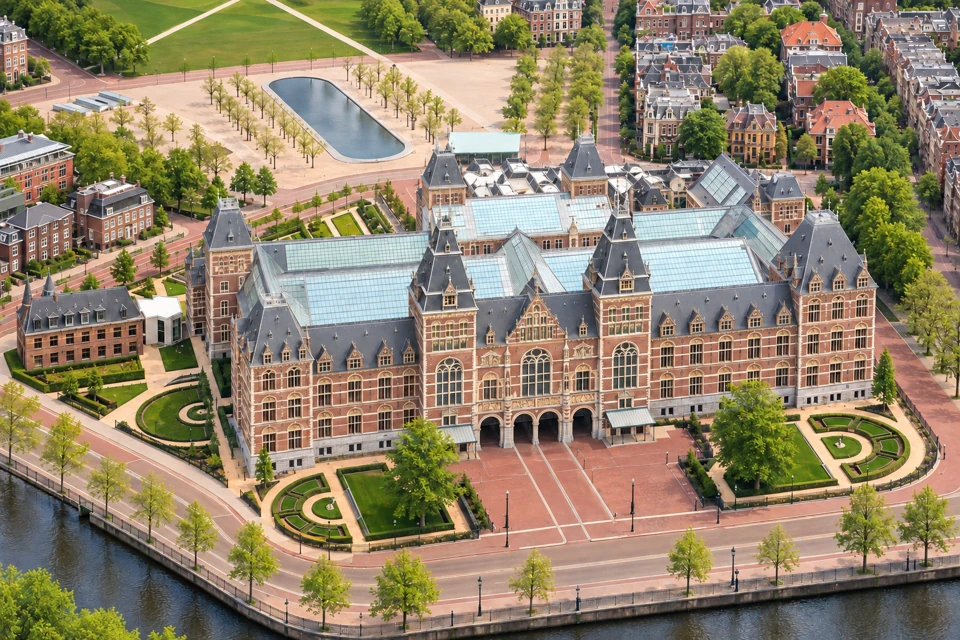
The mid-range level assumes an average-priced Amsterdam hotel, the same transit cap, and tickets to the Rijksmuseum and Van Gogh Museum at €25 each.
The comfort level assumes a €300 room, one day of a 48-hour I amsterdam City Card (€94 for two days, or €47 a day), and separate tickets for the Van Gogh Museum and Anne Frank House, which the card does not cover. Canal cruises and day trips outside Amsterdam are extra. A national rail day ticket alone costs €66.60.
These totals shift mainly with the season and the length of your stay. Hotel prices rise sharply in summer. Passes pay off only when you pack in several sights.
Lodging prices and Amsterdam’s tourist tax
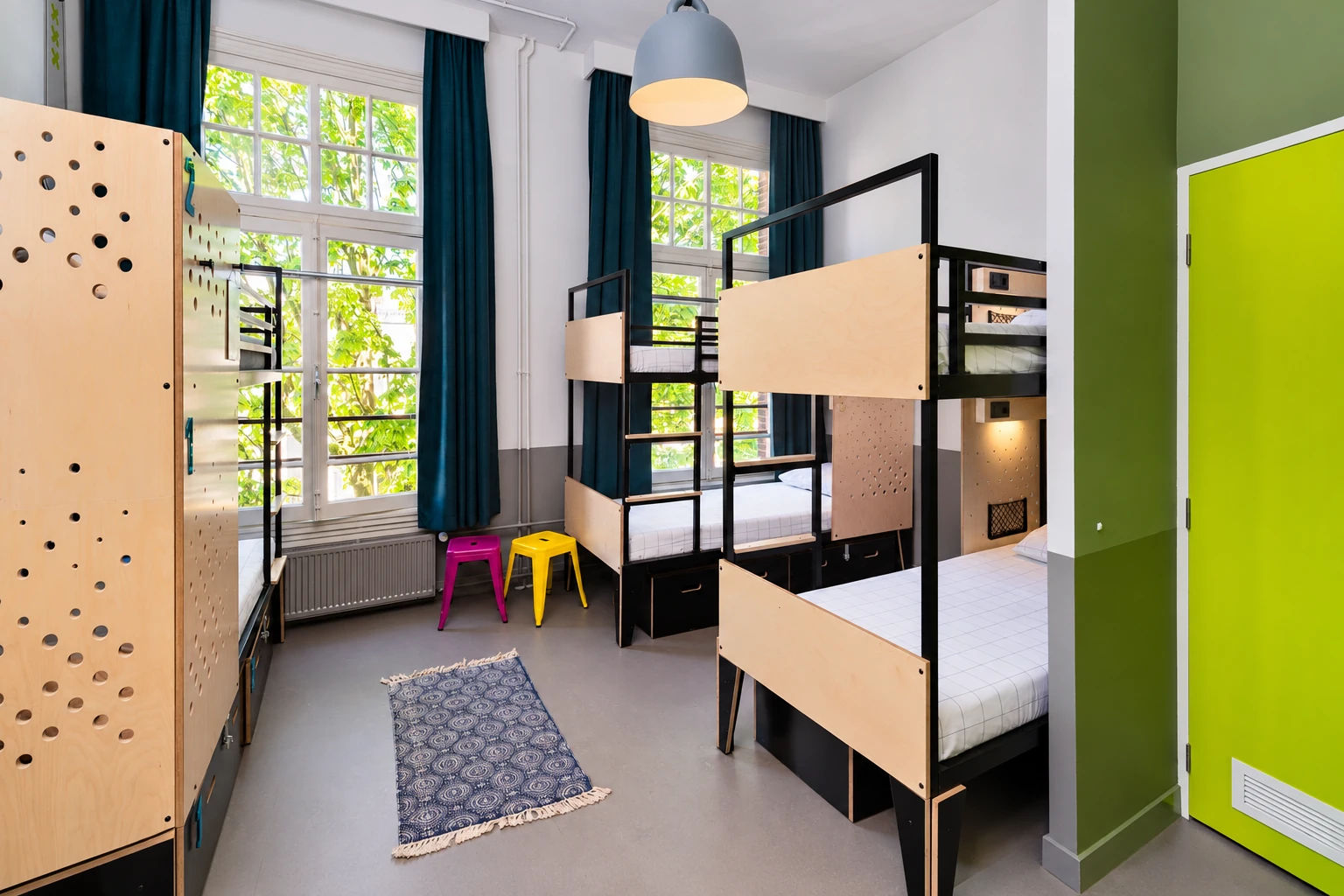
Amsterdam hotel prices vary more by season than by neighborhood. Budget hostel and 1-star rooms run €30 to €60 a night, and 3-star hotels €100 to €160. A 2025 analysis of lowest hotel offers found rooms in Amsterdam from about €55. The same analysis reported that the average Dutch hotel price rose 6% in 2025 over the previous year, with budget prices stable and luxury prices up about 7%.
For a city-wide benchmark, Amsterdam Tourism’s price guide puts the 2026 average at about €160 a night, with mid-range rooms often reaching €300 or more in the June to August peak. Luxury hotels start around €300 a night. Estimates for mid-range rooms vary by publisher: Feel-Local gives €150 to €250 and Radical Storage gives €180 to €320. Treat €160 as a typical shoulder-season price and expect more in summer.
Amsterdam’s tourist tax is a percentage of the room price. The rate is 12.5% of the overnight price excluding VAT in both 2025 and 2026, and the municipal tax page lists the current tariff. Your hotel, hostel, apartment host or campsite adds it to your bill and passes it to the city. A €150 room carries about €18.75 in tax and a €250 room about €31.25. Breakfast counts toward the taxable amount unless the host prices and invoices it separately at a reasonable amount.
VAT on lodging rose from 9% to 21% on January 1, 2026, so any room price quoted for 2026 already carries the higher rate. The tourist tax rate may also rise: a coalition agreement presented on June 4, 2026 by PRO Amsterdam and D66 plans 16% from 2027, climbing one percentage point a year to 20% in 2031. That plan is not yet law. On a room that costs €100 before VAT and tax, the all-in price is €121.50 for 2025, €133.50 for 2026 and €137 under the planned 2027 rate.

Winter is the cheapest season overall, and Amsterdam Tourism lists November among the lowest-price months. Hotelradar’s data shows February as the cheapest month for budget hotels. If your dates are flexible, traveling in winter moves your lodging costs from the mid-range column toward the budget column.
Getting around: city transit and trains
Within Amsterdam, OVpay handles the whole bus, tram and metro network run by GVB, the city transit company. You check in and out by tapping the same bank card or phone each time. GVB travel is capped at €10.50 per day under OVpay, so a day of heavy riding never costs more than that. A light day costs less. The 2025 municipal base fare on GVB’s tariff page is €1.12 per trip plus €0.207 per kilometer, which is why a few short rides cost only a couple of euros. Use the same card or device for every tap, because the cap tracks one card at a time.

Multi-day city tickets exist for visitors who prefer a fixed price. The NS 2026 price list (NS is the national railway) shows the Amsterdam Travel Ticket at €20 for one day, €27 for two days and €34 for three days. The Amsterdam Region Travel Ticket, which reaches beyond the city, costs €23, €34 and €44 for the same durations. For long journeys outside Amsterdam, the Holland Travel Ticket costs €79, or €54 for the off-peak version. Compared with the €10.50 OVpay cap, a one-day Amsterdam ticket at €20 makes sense only if your plans include regional trips that the city cap would not cover.
National rail is priced by distance, and the same price list covers the main options:
- A day ticket (dagkaart) gives unlimited NS travel for one day. In 2026 it costs €66.60 in second class and €113.22 in first class. That is €4.20 more in second class and €7.14 more in first class than 2025’s €62.40 and €106.08.
- A single or day-return fare for the shortest trips of 0 to 8 fare units costs €3.00 in second class. Fare units are NS’s distance bands. The NS journey planner gives the price for a specific route.
- A paper or single-use card adds a €1.60 surcharge to single and day-return tickets, so paying with a bank card or phone through OVpay avoids it.
- A group day ticket costs €38.50 for two or three people, plus €4.50 for each extra person up to seven. A day ticket for a bicycle is €8.50.
All NS prices include 9% VAT. A day ticket pays off only when you plan several long trips in one day, for example Amsterdam to Rotterdam, The Hague and back. For a single day trip to one city, a standard return fare is almost always cheaper than €66.60. For a trip based in Amsterdam, plan on €10.50 or less per day for city transit and add train fares only for the days you leave town.

Main sights and ticket prices
The three most visited Amsterdam sights each need an advance booking, and their adult prices total about €66.50. The Rijksmuseum, the national art museum with Rembrandt’s The Night Watch, charges €25 for adults, and the Van Gogh Museum charges €25 as well. The Anne Frank House costs €16.50 for adults from January 2026, plus a €1 booking fee on each ticket. Children aged 10 to 17 pay €7 at the Anne Frank House, and under-10s pay €1.


Children and teenagers get the best deal. Young visitors enter the Rijksmuseum, Van Gogh Museum and Stedelijk Museum free, according to the Amsterdam Tourism attractions page. The Van Gogh Museum requires ID for these tickets. A family with two teenagers therefore pays adult prices for two people at the large art museums and nothing for the children.
Timing affects cost as much as price. All three sights use timed entry slots, and the Van Gogh Museum and Anne Frank House sell out quickly. The Van Gogh Museum opens online sales on Tuesdays at 10:00 Amsterdam time for slots six weeks ahead, and tickets disappear within hours. The Anne Frank House also releases tickets in batches. If you wait until you arrive in the city, you may lose the visit entirely or pay a markup on a tour that bundles the ticket. A Rijksmuseum and Van Gogh combination tour costs about €80 to €100 per adult, well above the €50 for two direct tickets.
Plan the time too. The Anne Frank House takes about 90 minutes. The two art museums each fill a half day, so a mid-range day with both is a full day rather than a sample of each. The mid-range column’s €50 sights line reflects one day with both museums, and the budget column’s €0 to €16.50 reflects a day built around free options or the Anne Frank House alone.

Museum and city passes
Two main passes cover Amsterdam, and each fits a different kind of trip. Neither fits a trip centered on the three big sights.
The Museumkaart is the national museum card. An adult card costs €75 for one year, with a lower youth price. It covers hundreds of museums across the country, entry only, with no transport or cruise discounts. Visitors without a Dutch address can buy a temporary version at a participating museum’s ticket desk, valid for 31 days and up to five museums. Anyone who wants to keep using it afterward registers online and receives the permanent card by mail at a Dutch address.
The Museumkaart has two catches in Amsterdam. Holders still book a timed slot online for the Rijksmuseum and Van Gogh Museum, though entry then costs €0. The Anne Frank House charges the card a €1 booking fee. In that guide’s example, the three big sights cost €66.50 at single-ticket prices and €76 with the card, once you count the €75 card price. Holland City Tours estimates the card pays for itself after about four big paid museums, which cost about €87.50 together. Buy it only if you plan to visit four or more paid museums.
The I amsterdam City Card covers Amsterdam only and bundles entry, transit and extras. Prices are €67 for 24 hours, €94 for 48 hours and €115 for 72 hours. It includes many museums and attractions, GVB transport, a canal cruise and a day of bike rental, according to Amsterdam Local Gems. It excludes the Van Gogh Museum and Anne Frank House. The card suits a one to three day trip that covers many of the included sights and the cruise. If the Van Gogh Museum and Anne Frank House are your priorities, it is a poor choice, since you pay for them separately on top.
The Holland Pass is a third option, priced from about €45 for a choice of 3, 5 or 7 attractions and valid for a month, according to the same museums guide. It suits a traveler who wants a fixed set of sights without a daily time limit.
To decide, list the sights you actually want, price each at its single-ticket cost, and compare the sum with each pass. If the single tickets come to less than the pass, skip it.
Ways to save
The largest savings come from choices made before you leave home, so start with dates, bookings and passes.
Travel in winter. Winter has the lowest hotel rates and the fewest crowds (Hop On World’s Netherlands tips). A winter room at a budget price instead of a €300 summer room changes your daily total more than any other single decision.
Tap one card for transit. Use a single bank card or phone for every GVB ride so the €10.50 cap applies. Skip multi-day city tickets on days when you stay in town and ride only a few times. Buy a day ticket for NS trains only when the planned trips justify the €66.60.
Book timed tickets early. Set a reminder for the Tuesday 10:00 release for the Van Gogh Museum, and book the Anne Frank House when its batch opens. This avoids the combination tours that cost €80 to €100.
Compare passes against your list. Sum your intended sights and compare against the Museumkaart (four or more paid museums), the City Card (a packed one to three day trip) and the Holland Pass.
Use the youth and child rates. Children and teenagers enter the Rijksmuseum, Van Gogh and Stedelijk free, and the CJP/EYC Cultural Youth Passport is available online to anyone under 30.
Use free events. Open Monuments Day lets visitors into about 4,000 historic buildings for free on the second weekend of September. Museum Rotterdam offers free entry on the first Wednesday of each month. In Amsterdam, Muziekgebouw hosts a free lunchtime concert on Thursdays at 12:30 and Bimhuis runs free jam sessions on Tuesdays at 20:30, though schedules change. Free walking tours also run in the city, with tips expected at the end.
Choose a cheaper bed. A hostel bed at €30 to €60 or a room from about €55 cuts the lodging line by half or more against the €160 average. Because tourist tax is a percentage, every euro saved on the room also cuts the tax.
Food spending is the one budget line these figures do not price. Set your own daily food amount and add it to whichever column you choose.
Key Takeaways
- Budget about €45 to €95, €240 or €425 per day before food. The figures cover lodging, transit and sights for one person at the budget, mid-range and comfort levels in Amsterdam, based on 2025 and 2026 price lists.
- Add 12.5% tourist tax to every Amsterdam room. A planned rise to 16% from 2027 is in a coalition agreement and is not yet law, and lodging VAT rose to 21% on January 1, 2026.
- Tap one card for Amsterdam transit. The €10.50 OVpay daily cap makes a city day ticket unnecessary on most days, and an NS day ticket at €66.60 pays off only on multi-city rail days.
- Book the Van Gogh Museum and Anne Frank House weeks ahead. The Van Gogh Museum opens slots six weeks out on Tuesdays at 10:00 Amsterdam time, and both sell out within hours.
- Buy the Museumkaart only for four or more paid museums. The three big sights cost €66.50 as single tickets, which is less than the €75 card.
- Travel in winter for the cheapest rooms. November and February are the lowest-priced months in the cited data, and children and teenagers enter the major art museums free.