Best Time to Visit the United Kingdom
The United Kingdom is four countries: England, Scotland, Wales and Northern Ireland. The best month depends on which country you visit and what you plan to do there. For most travelers, late spring and early autumn give the best balance of weather, daylight, crowds and prices. The Scotland tourism guide names May, June and September as the months with the longest usable daylight and mild, relatively dry weather. They also have fewer visitors than July and August and few or no midges (small biting insects that swarm in the Scottish Highlands and islands).
July and August bring the most festivals, the highest prices and the biggest crowds. Winter is the cheapest and quietest season, with short days. Regional weather differs enough that a single "UK weather" forecast tells you little. Plan by season, month and country, and check whether you need the entry permit that some visitors require before you travel.
How UK weather varies
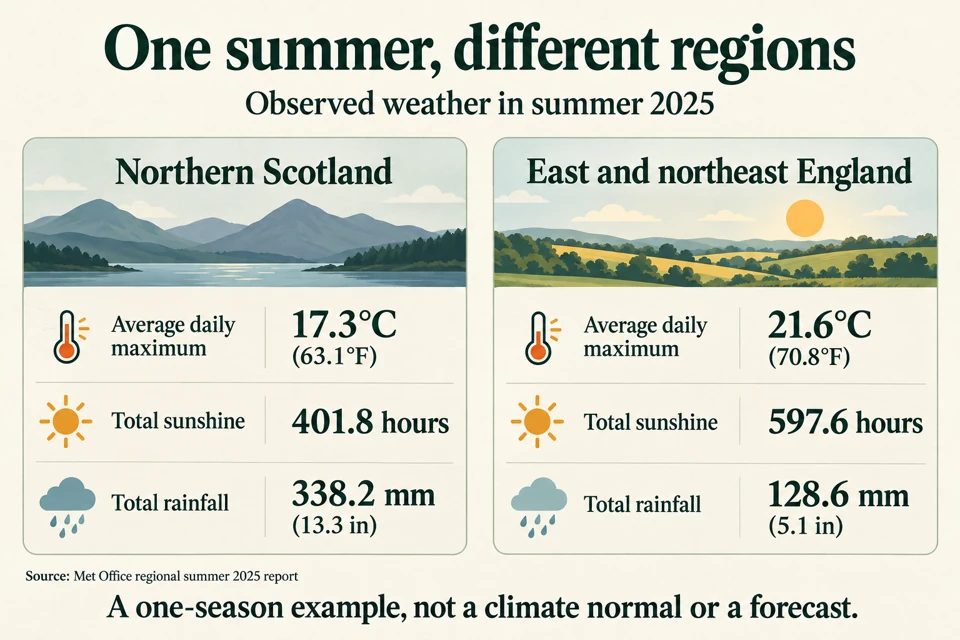
Weather in the UK changes more by region and by individual year than by any simple rule. In summer 2025, the Met Office’s regional breakdown showed how wide the spread can be:
| Region (summer 2025) | Max temp (°C) | Mean temp (°C) | Sunshine (hours) | Rainfall (% of average) |
|---|---|---|---|---|
| Northern Scotland | 17.28 | 13.56 | 401.8 | 107% (338.2mm) |
| Eastern Scotland | 18.79 | 14.32 | 506.9 | 83% (224.6mm) |
| Western Scotland | 18.23 | 14.43 | 434.5 | 103% (381.4mm) |
| East and northeast England | 21.58 | 16.70 | 597.6 | 62% (128.6mm) |
| Northwest England and North Wales | 19.91 | 15.90 | 530.7 | 94% (278.2mm) |
These are totals for one summer, so they show the gap between regions rather than typical conditions. East and northeast England was about four degrees warmer than northern Scotland on maximum temperature and received far more sunshine, with 597.6 hours against 401.8. The same pattern shows up in a single month. In September 2026 the Met Office’s monthly summary put UK rainfall at 104% of average, but Scotland had 137%, Northern Ireland 135% and England only 65%. The UK mean temperature that month was 1.6°C above the 1991–2020 average, the joint fourth-warmest September on record.
Year-to-year swings are also large. According to the Met Office’s annual reviews as reported by Carbon Brief, 2025 rainfall was 90% of average. Eastern England and northern Scotland had sunshine above 120% of average. 2024 was duller than average across most of the UK, especially in the west. In 2022, summer had 62% of average rainfall and 115% of average sunshine. Eastern regions have tended to be the sunnier and drier ones, and the west and north have taken more rain. Pack a waterproof jacket in every season, and book flexible activities for the wetter west and north.
Daylight shifts with the seasons as much as the weather does. Scotland gets up to about 18 hours of light in summer and about 6–7 hours in winter. Northern Ireland has daylight from roughly 5:00 a.m. to 10:00 p.m. in summer and about 7–8 hours in winter.
The four seasons compared
Spring (March to May) is mild and drying out in Scotland, with days lengthening fast and no midges until late May. Crowds are low to moderate and prices are good value. It is a good season for gardens, walking, whisky events and early-season hiking.
Summer (June to August) is the warmest season, with Scotland’s summer range around 17–19°C and long days. Crowds are high and peak in August, and prices are the highest of the year. This is the season for festivals, island trips and long evenings. The trade-offs are crowds and midges, which are worst in July and August.
Autumn (September to November) starts mild and cools gradually. Midges fade and are gone by October. Crowds ease and prices stay good value. The season suits shoulder-season travel and literary festivals.
Winter (December to February) is cold, with snow on Scottish hills and short days. It has the lowest crowds, apart from Hogmanay (Scotland’s New Year’s Eve celebration), and the cheapest prices. It suits budget city breaks, Hogmanay and Northern Lights watching in Scotland. Summer is high season when prices peak, and winter has the most economical options. November to March as the cheapest window, with lower accommodation rates and fewer crowds.
Winter months
January
January is cold in Scotland, with snow on the hills and about 6–7 hours of daylight. Northern Ireland has about 7–8 hours. Crowds and prices are at their lowest of the year. It fits budget city breaks, quiet attractions, and Northern Lights hunting in Scotland. Hogmanay celebrations fall at the start of the month, and demand around them is the exception to the general quiet.
February
February follows the same pattern. Winter 2024–25 (December to February) averaged 4.62°C across the UK, with 89% of average rainfall and 94% of average sunshine, according to the Met Office figures reported by Carbon Brief. Prices and crowds stay low, so February works well if you want empty galleries and museums and can accept short days.
Spring months
March
Spring begins in March. Scotland dries out and warms up, and days lengthen quickly. Northern Ireland enters its sunniest stretch, with March to June described as peak season for sunshine. St Patrick’s Day events take place in Belfast, and the Bath Fringe Festival is a spring listing in England.
April
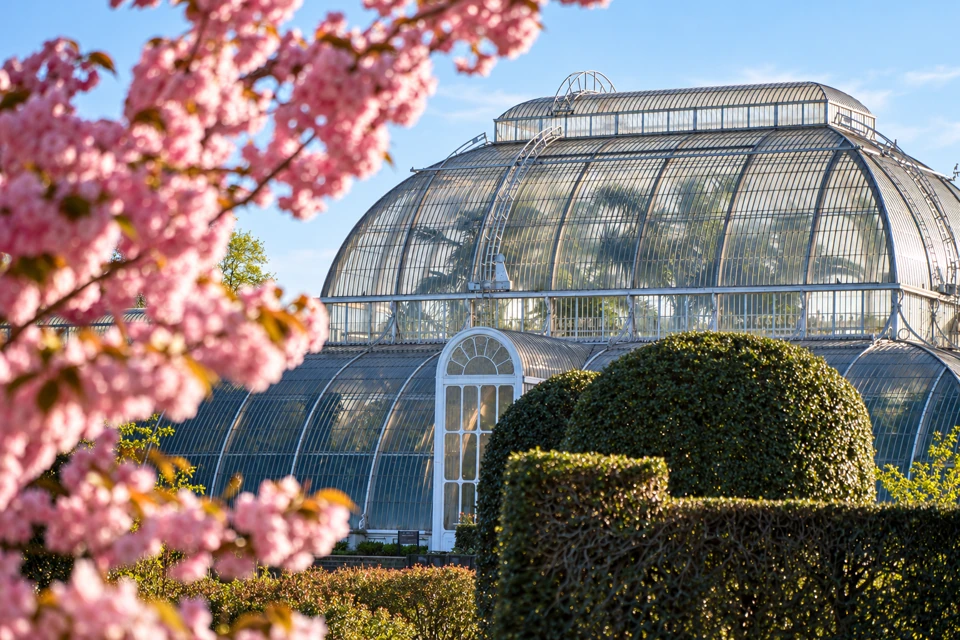
April has spring conditions and no midges in Scotland. The Walk Scilly Festival runs on the Isles of Scilly, off England’s southwest tip, from 10 to 19 April 2026, according to VisitBritain’s 2026 listings. Gardens are at their best, and Kew Gardens in London is singled out for spring. April fits walking and quieter sightseeing at good-value prices.
May
May is the strongest spring month. The Scotland guide says "May is a sweet spot": long days, moderate crowds, good value, and midges that do not start until late May. May is also Whisky Month in Scotland. The Spirit of Speyside Whisky Festival ran from 29 April to 4 May in 2026, and Speyside has 51 working distilleries. Fèis Ìle, the festival on the island of Islay, ran 22–31 May 2026. Bearded Theory, a music festival in England, ran 20–24 May 2026. The Highland Games season, with around 100 gatherings a year, starts in May and runs through September. May suits whisky trips, music, hiking and island-hopping before midge season.
Summer months
June
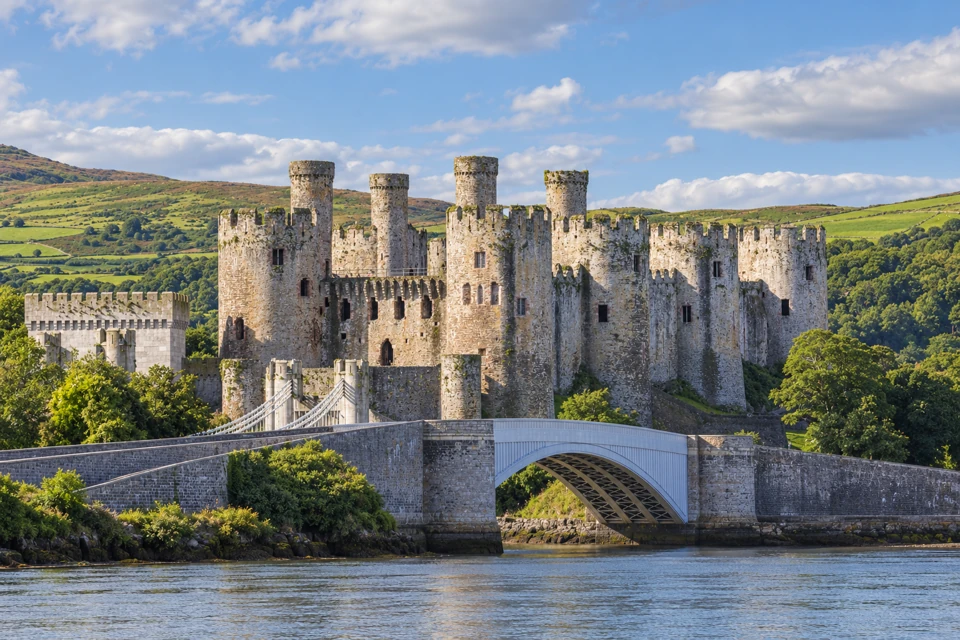
June brings long daylight and rising crowds. Prices climb to the summer high, but the Scotland guide still counts June among its three best months. Events in 2026 included Pirate Weekend at Conwy Castle in Wales and Pride in Cardiff (both 13–14 June), the World War Two Weekend at Dover Castle in Kent (20–21 June), and Sparkle Weekend in Manchester (26–28 June). Bristol Pride began on 27 June and ran to 12 July, with its parade on 11 July. Edinburgh also holds its Pride in June. Glastonbury is taking a break in 2026 and returns in 2027, so plan around the 2027 dates if it matters to you.
July
July is high season. Midges are at their worst in Scotland, crowds are large and prices are at their peak. In Northern Ireland, July and August are the warmest months, though summer is also its rainiest period. July is the sports and music month. The 2026 calendar had the British Grand Prix at Silverstone (2–5 July), the 154th Open golf championship at Royal Birkdale in Southport (12–19 July), and Glasgow’s Commonwealth Games (23 July to 3 August), all on VisitBritain’s sporting listings and July events page. Sounds of the City ran in Manchester from 3 to 12 July, and BST Hyde Park in London listed Mumford & Sons and Lewis Capaldi.
For history lovers, the Grand Medieval Joust at Carew Castle in Pembrokeshire (4–5 July) and the jousting at Caerlaverock Castle near Dumfries (25–26 July) are the headline events. Leeds Pride (18–19 July), Belfast Pride, the Durham Fringe Festival, and the Newark Book Festival (9–12 July) fill out the month. Expect to book accommodation early, particularly near event venues.
August
August is the busiest and most expensive month in Scotland. Edinburgh accommodation prices spike during the Fringe. Midges are still at their worst. It is also the densest festival month of the year:
- The National Eisteddfod, a Welsh-language cultural festival, took place in Pembrokeshire from 1 to 8 August 2026. It alternates between north and south Wales each year. VisitBritain describes it as Europe’s largest cultural festival and notes it was marking its 850th anniversary.
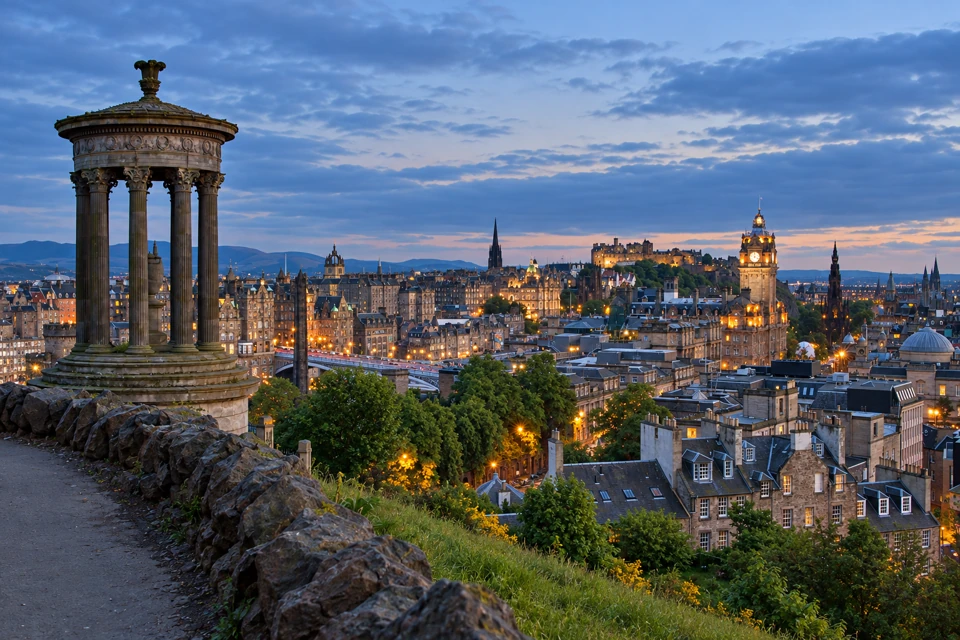
- The Edinburgh Festival and Fringe ran 7–31 August 2026, and the Edinburgh International Book Festival ran 15–30 August at Lauriston Place with more than 800 events.
- Greenwich+Docklands International Festival in London ran 21 August to 6 September.
- The Premier League football season began on 22 August.
- Reading & Leeds Festival and Creamfields in Cheshire both took place 27–30 August.
August rewards culture-focused trips, especially to Edinburgh, if you book early and budget for high prices. Anyone who wants quiet roads and empty beaches should look to other months.
Autumn months
September
September is the other "sweet spot" in the Scotland guide, with mild weather, moderate crowds that ease as the month goes on, and good-value prices. Rainfall varies sharply by region, as the September 2026 figures above show (Scotland 137% of average, England 65%), so pick your region with the weather in mind. Events include the Braemar Gathering in Aberdeenshire on 5 September 2026, which is one of the Highland Games, and Blackpool Illuminations, which run from 4 September 2026 to January 2027. UK Pride in Wales is held in Newport in September. VisitBritain also points to classic car shows and literary festivals in the month. September gives you August-style weather odds with fewer people and lower prices.
October
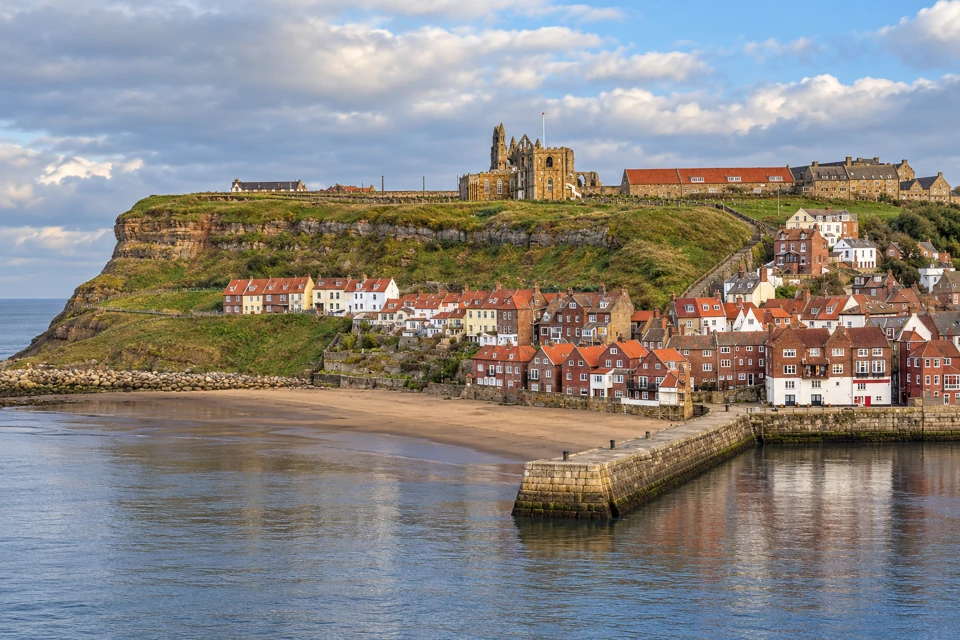
October is cooler, and midges in Scotland are gone. Crowds are moderate and easing, and prices remain good value. In Northern Ireland, July to October is a shoulder season with cut-price overnight stays in late summer and early autumn. The Cheltenham Literature Festival ran 9–18 October 2026. In Whitby, on England’s northeast coast, Tomorrow’s Ghosts Festival (30–31 October) and the Whitby Goth Weekend (30 October to 1 November) draw gothic gatherings in autumn, as they do in spring. October suits literary trips, Whitby, quieter city visits and autumn walking.
November
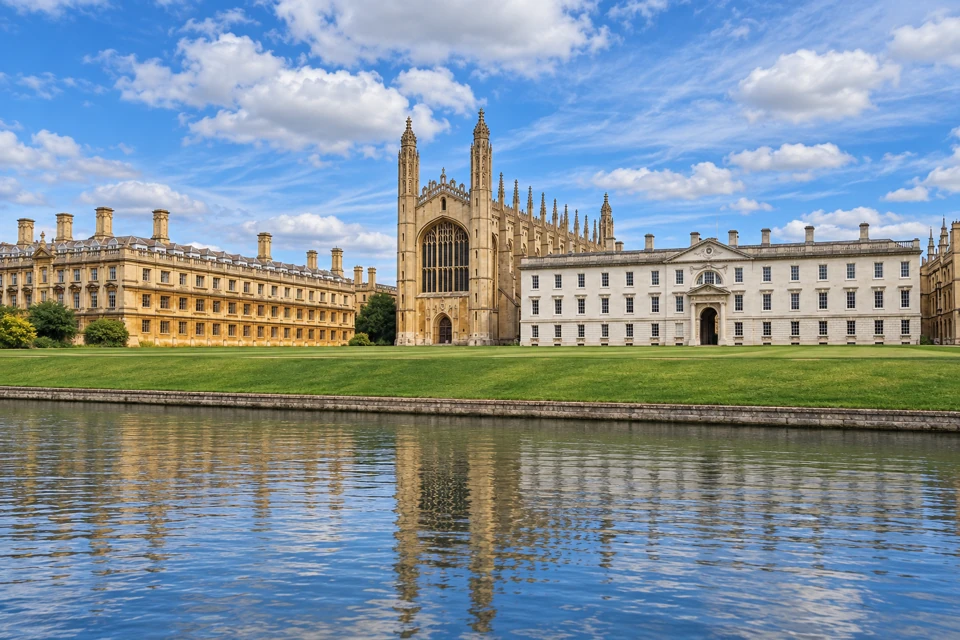
November brings short days and cooler weather, and it falls inside the cheapest window of the year. Crowds are moderate in early November and thin out afterward, and accommodation rates are lower. The Denholm Folk Festival in the Scottish Borders ran 5–8 November 2026, Damnation Festival at the BEC Arena in Manchester ran 7–8 November, and the Cambridge Literary Festival ran 21–22 November. November works for budget travelers and for people who plan a trip around a folk, metal or literary event.
December in the UK
December is winter. The UK mean temperature in December 2025 was 5.8°C, 1.6°C above the long-term average, according to the Met Office’s December breakdown. Southwest England and south Wales were the wettest areas, with 199.7mm of rain, 131% of average, and East Anglia was the driest with 46.6mm, 80% of average. Crowds and prices are lowest of the year apart from Hogmanay in Scotland, which is the reason to go if you want a big public celebration. Otherwise December suits city breaks at low prices, with a rain jacket in the west.
Regional picks
England. Spring is the best overall time, with gardens such as Kew at their best and Walk Scilly in April. In summer, the Met Office’s 2025 figures make east and northeast England the sunniest and driest region, with 597.6 hours of sunshine and 62% of average rainfall. Autumn is the season for literary festivals in Cheltenham (October) and Cambridge (November), and for Whitby’s gothic weekends. Winter is quiet and inexpensive, and the southwest gets the most rain.
Scotland. May, June and September are the best months overall. Midges start in late May and are worst in July and August. They are gone by October. Summer rainfall in 2025 ranged from 83% of average in eastern Scotland to 107% in northern Scotland, so eastern Scotland, which includes Edinburgh, is the drier choice. Pick August for the Edinburgh festivals, July and August for the Commonwealth Games in Glasgow in 2026, and anytime from May to September for Highland Games. Plan around the short winter days if you come between December and February, and take Hogmanay as a deliberate, busy exception.
Wales. Wales has a calendar of events more than a single peak season. June has Pirate Weekend at Conwy and Pride in Cardiff, July has the Carew Castle joust, August has the National Eisteddfod, and September has UK Pride in Wales. North Wales weather is grouped with northwest England in the Met Office summer 2025 data: a mean of 15.90°C, 530.7 hours of sunshine and 94% of average rainfall.
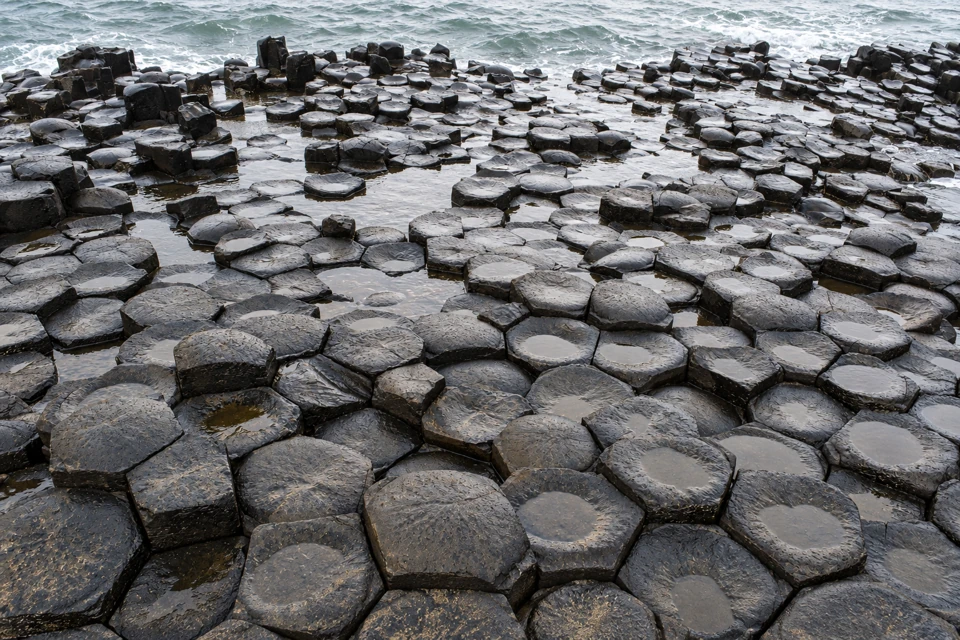
Northern Ireland. March to June is the sunniest window. July and August are the warmest, with an average summer temperature of 17°C (63°F), but summer is also the rainiest period. July to October is the shoulder season, with lower prices in late summer and early autumn. Late spring and early autumn are less crowded, and the Giant’s Causeway draws large crowds at the summer peak, so go early in the day or outside July and August. Winter countryside access is usually good, with minimal snowfall.
Choosing dates by priority
- Best overall balance: Late May, June or September. Daylight is long, crowds are moderate and midges are few or absent.
- Lowest cost: November to March. Accept cold weather and, in Scotland, 6–7 hours of daylight.
- Festivals: August for culture (Edinburgh, the Eisteddfod), July for sport and music, June for Pride events, and October and November for literary and folk gatherings.
- Walking and outdoor travel: May, June and September, before the midge peak and after the summer rush.
- Avoiding crowds and midges: Skip July and August in Scotland.
Festival travelers should book first and plan everything else around the event, because accommodation near big events fills early and prices rise. Budget travelers get the most for their money from November to March, but should check daylight hours before planning long drives or hikes.
ETA entry permit
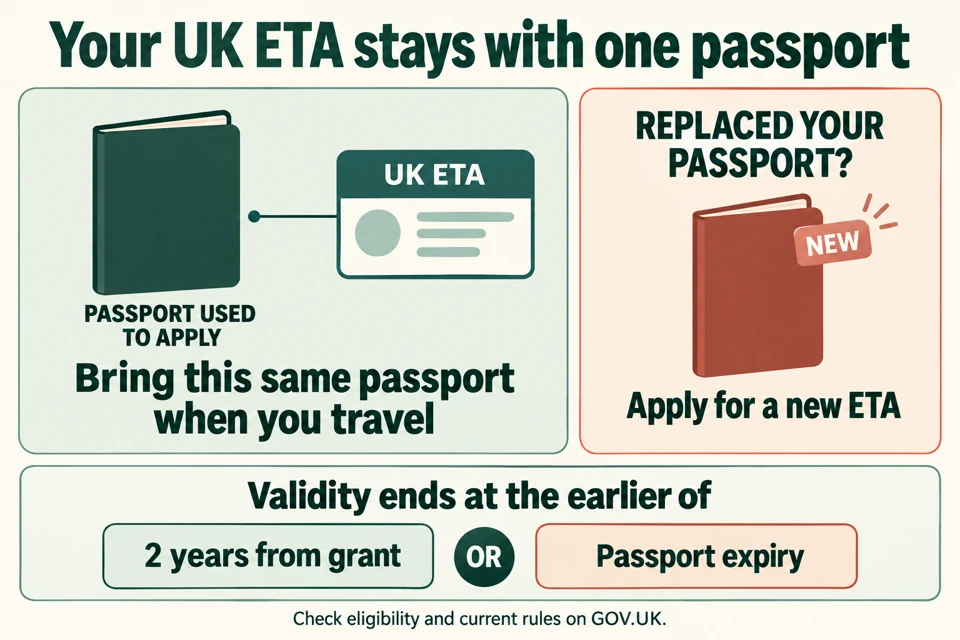
Many visitors need an Electronic Travel Authorisation (ETA) before flying. This is a digital permit for people who do not need a visa for short stays of up to six months and who do not hold UK immigration status. British and Irish citizens, including dual citizens, do not need one. The Home Office factsheet (April 2026) says the ETA currently costs £20 and that the fee is kept under review. It allows multiple journeys, each stay up to six months, and stays valid for two years or until the passport expires, whichever comes first. Travel on the same passport you used to apply.
The Home Office advises applying at least three working days before travel, though most applicants receive a decision in minutes through the UK ETA app. Other application services may charge more. Check GOV.UK’s apply for an ETA page for the live fee and the list of eligible nationalities before you book, and use Check My ETA to confirm your status.
Key takeaways
- Target late May, June or September. These months have long daylight, mild weather and moderate crowds. In Scotland, midges are few or absent.
- Book early for July and August. These are the busiest and most expensive months. August is the peak for Edinburgh, where the Fringe pushes accommodation prices up.
- Choose winter for low prices. November to March has the lowest rates and crowds, with about 6–7 hours of daylight in Scotland, and Hogmanay as the exception.
- Plan by region. Rainfall in September 2026 was 137% of average in Scotland and 65% in England. In summer 2025, eastern England was the sunniest and driest region.
- Let a festival fix your dates. Choose August for Edinburgh and the Eisteddfod, July for sport and music, and October for the Cheltenham Literature Festival.
- Apply for an ETA ahead of time if you need one. The fee was £20 in April 2026. The Home Office advises applying at least three working days before you travel.