Ireland Travel Costs: Daily Budgets for Budget, Mid-Range and Upper-Comfort Trips

A trip to Ireland costs more at each step up from budget to mid-range to upper comfort, before food. Daily totals add three lines for each day: a place to sleep, local transport, and paid sights. They use a Dublin day for transport and one or two paid attractions for sights. Food is the fourth line, and each traveler fills it in from current menus, as explained in the food section below.
Lodging accounts for most of the difference between tiers. A hostel dorm bed and a country-house hotel room sit more than €200 apart, while a day of Dublin buses, trams and trains is capped at €6 for adults. Sights are cheap by European standards. Most fee-paying heritage sites cost €5 to €8, though a few headline attractions cost more.
Prices below carry the date or source page they come from. Some of the lodging pages are undated, so treat those figures as planning ranges and confirm the price of a specific room before you book.
Daily budgets at three comfort levels
The table shows how the three tiers add up per person per day, excluding food. Lodging figures are per night for a dorm bed or per room in the higher tiers, so couples sharing a room split that line.
| Component | Budget | Mid-range | Upper comfort |
|---|---|---|---|
| Lodging per night | €25–45 (dorm bed) | higher than budget (hotel or B&B) | up to €250 (upper band) |
| Transport per day (Dublin, adult Leap card) | up to €6 | up to €6 | up to €6 |
| Main sights per day | €5–8 (one standard site) | €8–25 (e.g., Kilmainham Gaol, Book of Kells Experience) | €25–65 (guided Trinity tour at the top end) |
| Subtotal per day | Sum of the rows above | Sum of the rows above | Sum of the rows above |
The transport row assumes a day spent inside Dublin. On days when you move between cities, replace that €6 with the intercity fare for the trip. Leap, the prepaid transit card used in Dublin, cannot be used on intercity trains, so those journeys are priced separately through Irish Rail or Bus Éireann.
The sights row assumes one or two paid attractions a day. Many days in Ireland cost nothing in admission: walking Dublin, hiking a coastal path or driving a scenic loop. A week mixing paid sights with free scenery will land near the bottom of each sights range, not the top.
You can swap in your own choices for any line.
Lodging: from dorm beds to castle hotels
Lodging is the largest cost and varies the most, with prices depending on the month, the city and how early you book.
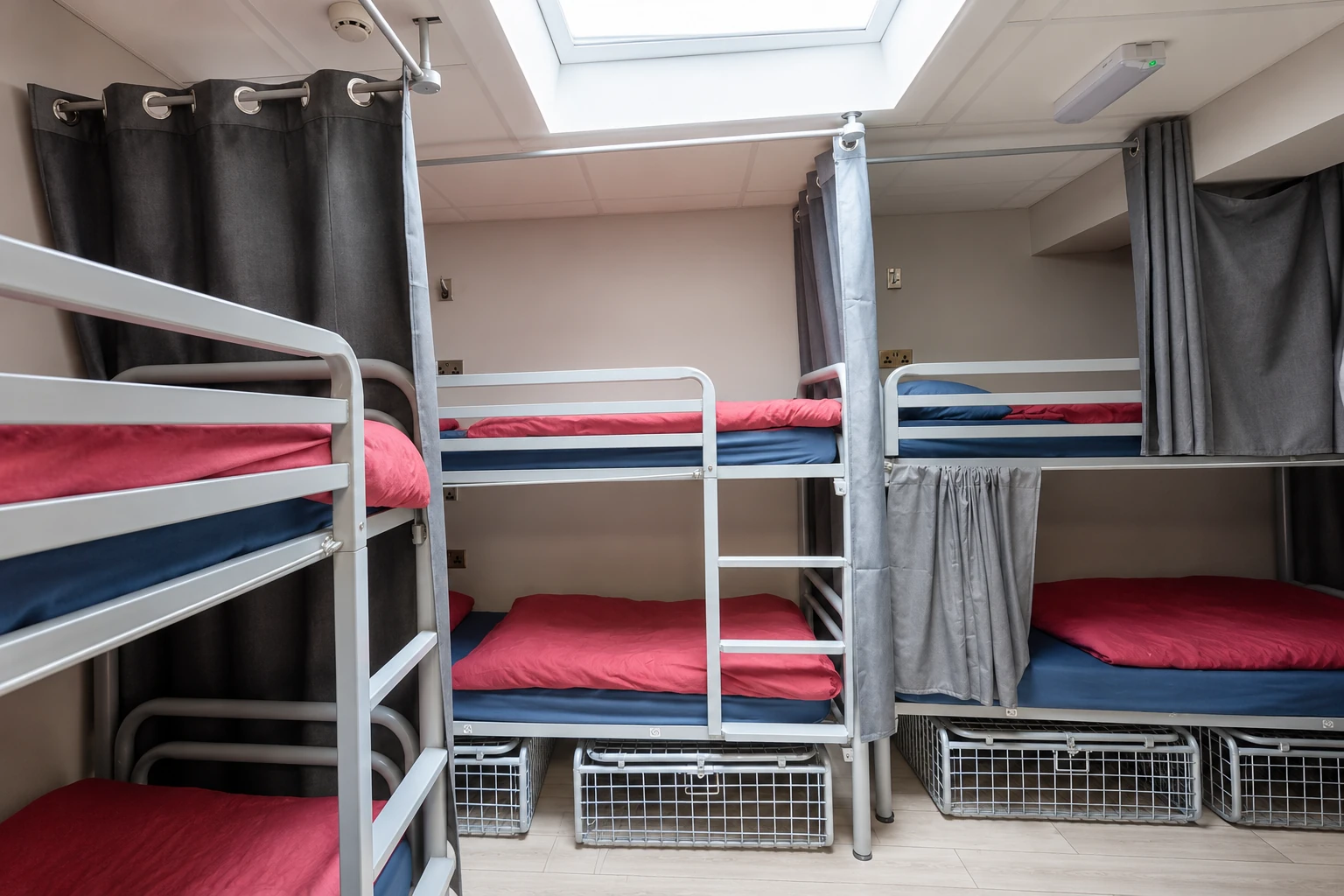
Budget. Dorm beds run €25 to €45 per night, and Rough Guides puts them at about $27 to $30, roughly €25 to €28, with shared bathrooms. Private hostel rooms cost more than dorm beds, according to My Irish Travel. For a private room with a door that locks, budget hotels near bus or train stations start around €50 per night, and basic rooms in family-run B&Bs and small-town guesthouses cost a little more. A B&B is a small guesthouse that includes breakfast, and many serve a cooked full Irish breakfast. A hotel next to the station also saves transfer money when you arrive by bus or train.
Mid-range. This tier covers B&Bs, inns and boutique hotels. My Irish Travel also gives an overall mid-range band per room per night. Rough Guides quotes inns, boutique hotels and manor houses at higher rates, most with a full Irish breakfast included. Central city properties cost more: Never Ending Footsteps reports mid-range central rooms at up to €200 per night. For smaller towns, Explore Ireland Now puts typical rates from about €90, with Dublin city-centre hotels averaging up to €200 in summer. If your budget is set by a mid-range tier, plan on the low end of the range outside Dublin and the high end inside it.
Upper comfort. The upper band tops out at about €250 per night. Castle and country hotels start from €250 per night, and Rough Guides says luxury properties begin around €200 and climb quickly in summer. Rooms at this level in Dublin and the main tourist towns reach the top of the range in June through August.
Season and day of week. Rough Guides says prices rise from June to August and recommends booking early for Dublin, Dingle and the Wild Atlantic Way, the long coastal touring route along Ireland’s west coast. Spring and autumn are quieter and cheaper. Within Dublin, My Irish Travel estimates that Sunday to Thursday rates run roughly 20 to 30 percent below Friday and Saturday rates. If your dates are flexible, schedule Dublin nights early in the week and use weekends for smaller towns.
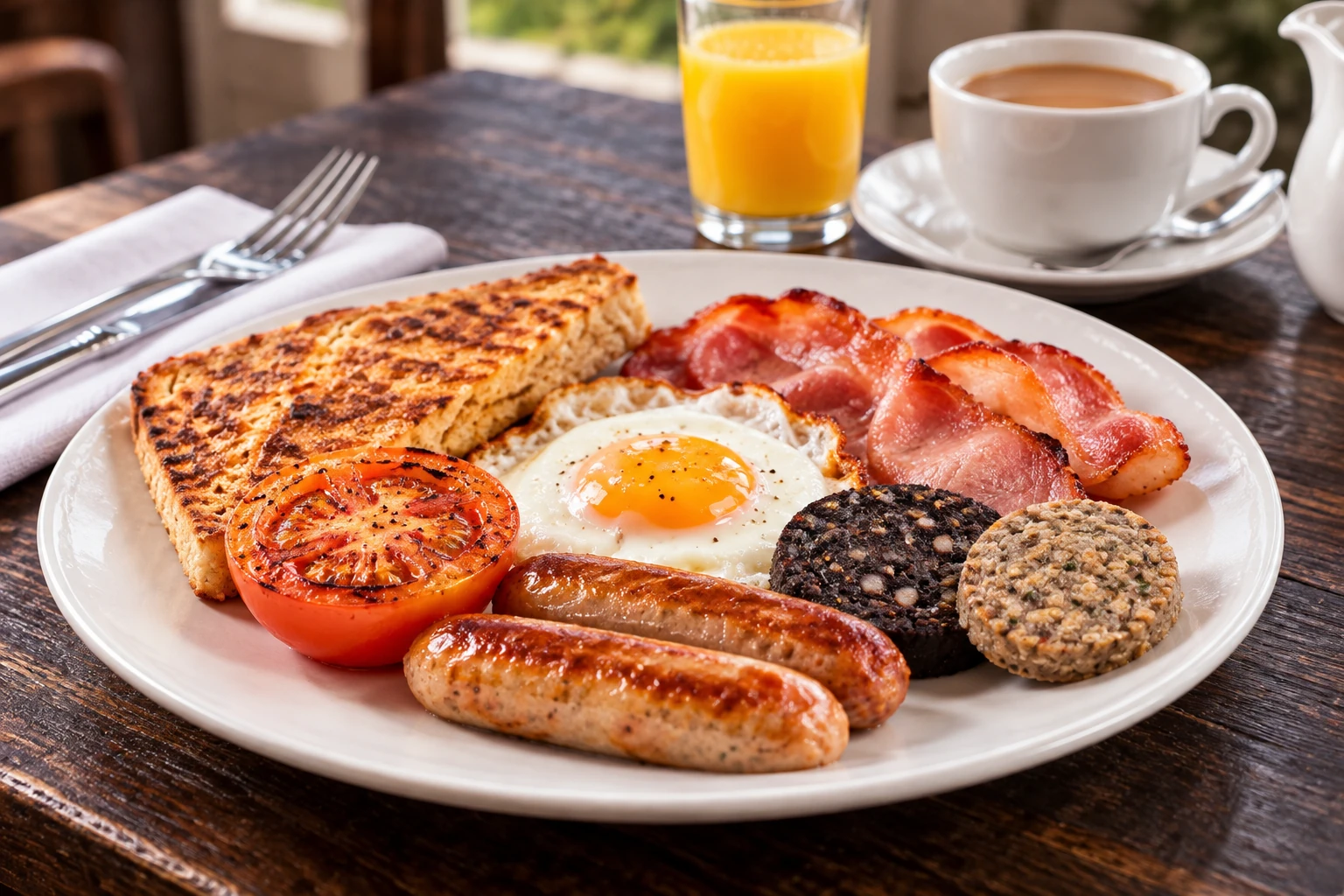
A full Irish breakfast included in a B&B or inn rate also lowers your food cost, because it covers the first meal of the day. Compare breakfast-inclusive rates with room-only prices before you decide.
Getting around: Dublin fares and intercity trips
Dublin’s public transport has a daily cap, which makes budgeting simple. All fares below are adult fares from the Transport for Ireland bus fares page, last modified 2 September 2026.
With a Leap card, a short fare costs €1.50, and the TFI 90 Minute fare, which lets you ride multiple services for 90 minutes, costs €2.00. Paying cash costs €2.00 for a short fare and €2.60 for a long fare. TFI says Leap saves up to 30 percent compared with cash single tickets.

Leap spending in Dublin Zone 1 stops at €6.00 per day or €24.00 per week, running Monday to Sunday. The caps apply across any mix of Dublin City Bus, Luas (the Dublin tram), DART (the coastal electric train) and commuter rail within Zone 1. Once your fares reach €6 in a day, further Zone 1 travel that day is free. A traveler staying a full week in Dublin and using transit daily will pay at most €24 for the week, which is why the budget table shows "up to €6" for every tier.
One exclusion matters. According to TFI’s fare zones page, Dublin Commuter Bus services are excluded from the 90-minute fare and capping. Check that page before relying on the cap for a bus trip to a suburb or commuter town.
Outside Dublin, fares depend on the route. Leap works on some regional services: the Cork commuter rail from Mallow to Cork city costs €3.90 for an adult with Leap, according to Leap’s DART and commuter rail page. It does not work on intercity trains, but it is accepted on Bus Éireann bus services. A Dublin to Galway Irish Rail fare of €8.30 appears in a student transport guide, but that is a student fare. Adult intercity fares are higher, so check Irish Rail and Bus Éireann for the exact price of your journey, and book in advance where those operators offer discounts for early purchase.
For a first trip, divide your days into two kinds. Days inside Dublin cost up to €6 in transit. Days between cities cost the price of one intercity ticket. A typical week with one Dublin base, one Galway day trip and a train back would involve a few capped days and a couple of single intercity tickets.
Main sights: Heritage sites, Newgrange and Trinity College
Sights are priced at two levels. Most state-run heritage sites charge about €5 to €8. A handful of headline attractions charge more.
OPW sites. The Office of Public Works (OPW) is the Irish government body that runs many national heritage sites. According to trips.ie, with site prices stated as of 23 December 2024, most fee-paying sites charge about €5. The best-known sites cost €8 each: Kilmainham Gaol, Dublin Castle, the Rock of Cashel, Kilkenny Castle, Clonmacnoise, Emo Court, Farmleigh and the Custom House. Adare Castle and Castletown House cost €10 each. Seniors pay a reduced price where the adult price is €8.

Brú na Bóinne, the Neolithic passage tomb complex that includes Newgrange, is the main exception. Trips.ie lists it at €16, and other listings give €14 to €18, so plan on about €14 to €18. Entry to Newgrange is by timed slot, and advance booking is strongly recommended. Most other OPW sites accept walk-ins, according to The Irish Horizon, so Newgrange is the only one you need to book ahead.

Trinity College Dublin. The Book of Kells, an illuminated medieval manuscript held in Trinity’s Old Library, is priced by how much of the visit you want. These prices come from Trinity’s official pages, last modified 29 October 2026 and 1 October 2026:
- Book of Kells and Old Library, 45 minutes, covers the Book of Kells and the Long Room: from €19.
- Book of Kells Experience, self-guided, 90 minutes: from €25. It includes the Old Library, a digital exhibition and a free audio guide, per the official Book of Kells Experience page.
- Trinity Trails and Book of Kells Experience, 120 minutes: from €37.
- Guided Book of Kells Experience, 75 minutes, with groups capped at 16: from €65.
- Trinity Trails Walking Tour, 45 minutes, with no Book of Kells entry: from €17 on the booking page.
The campus itself is free and needs no ticket, so you can walk the grounds without paying. Trinity alumni visit the Book of Kells Experience free of charge and may bring up to two guests. Students and staff must book a ticket for themselves and separate tickets for each guest, and complimentary tickets are limited.

The two official Trinity pages list different opening hours. The overview page, modified more recently, shows Monday to Thursday 8:30 to 18:30, Friday and Saturday 8:30 to 19:00, and Sunday 9:00 to 18:30. Check the page on the day you book. Summer slots sell out days ahead, so reserve a timed ticket online in June through August.
These figures set the sights row in the budget table. A budget day uses one €5 to €8 OPW site. A mid-range day pairs Kilmainham Gaol at €8 with the €25 Book of Kells Experience, or uses a single higher-priced ticket. An upper-comfort day can include the €65 guided Trinity tour.
Food: setting your own daily number
The budget table leaves out food because the available national data show how prices are changing but give no cost for a meal. The Central Statistics Office (CSO), Ireland’s official statistics agency, reported that headline consumer prices rose 2.8 percent in the 12 months to December 2025, down from 3.2 percent in the 12 months to November 2025. In its October 2025 release, the CSO reported that Food and Non-Alcoholic Beverages rose 4.5 percent over the preceding 12 months, the second-largest annual increase among the groups named. The same release shows Restaurants and Hotels falling 0.3 percent month on month between September and October 2025.
These figures show that grocery prices rose faster than the overall average, and that restaurant and hotel prices were roughly flat in the month shown. They do not give a price for a lunch, so do not plan from a price you remember from an older trip.
Build the food line from current menus. Open the online menu of two or three places you might eat in your first city and add up a realistic day: a breakfast, a lunch and a dinner. Multiply by your trip length, then add that figure to the daily subtotal for your tier. Repeat the exercise for a second region, since small-town and Dublin prices differ.
Two choices in the lodging section already reduce this line. A B&B or inn rate that includes a full Irish breakfast covers the first meal of the day. A hostel or self-catering room with a kitchen allows you to cook some meals from groceries. With grocery prices rising faster than restaurant prices in the CSO October 2025 data, the saving from cooking is real but smaller than it was a few years ago, so price a grocery basket before committing to it.
Ways to save
The largest savings come from four places: the OPW Heritage Card, Leap, accommodation timing and the Trinity ticket choice.
OPW Heritage Card. The card gives unlimited entry to fee-paying OPW sites for one year. According to trips.ie (prices as of 23 December 2024), an adult card costs €40, a senior card €30, a student card with valid ID €10, and a card for a child aged 12 to 18 €10. A family card for two adults and up to five children aged 12 to 18 costs €90. Children under 12 enter free and need no card.
Trips.ie puts the break-even at about four visits to expensive sites such as Brú na Bóinne, Kilmainham Gaol, Dublin Castle and the Rock of Cashel, or five €8 sites, or eight €5 sites. Kilmainham Gaol, Dublin Castle and the Rock of Cashel at €8 each, plus Newgrange at €16, add up to €40, the cost of the card. A traveler who visits those four sites and adds a fifth would be ahead.

Validity runs one year from first use. Trips.ie quotes the Heritage Card terms as saying validity "begins on the first site where it is used." Cards bought online are posted free and dispatched within 10 working days of purchase, which is too slow for a trip starting soon. Buying at the first fee-paying OPW site makes the card valid immediately. The card does not cover parking, ferries to islands or separately managed transport. Travelers who plan a few paid OPW sites but not four or more should skip the card and pay at the gate.
Leap instead of cash. A Leap short fare is €1.50 against €2.00 in cash, and the €6 daily cap ends further Zone 1 spending once you reach it. Over a week the cap limits your Dublin transit to €24.
Accommodation timing. Move Dublin nights to Sunday through Thursday, where My Irish Travel’s estimate puts rates 20 to 30 percent lower than weekends. Travel in spring or autumn, and book early for Dublin, Dingle and the Wild Atlantic Way if you are going in summer. Budget hotels near bus and train stations also keep transfer costs low.
Trinity tickets. The Trinity Trails Walking Tour at €17 gives a low-cost introduction to the campus. Pairing the €19 Book of Kells and Old Library ticket with the free campus visit gives a cheaper visit than the €25 self-guided Experience. If you are a Trinity alumnus, you visit the Book of Kells Experience free with up to two guests.
Key Takeaways
- Plan on three daily ranges before food. Budget, mid-range and upper-comfort days differ mainly by lodging, and you add your own food estimate to each.
- Choose lodging first, because it drives the total. Dorm beds cost about €25 to €45 and mid-range rooms cost more. Upper-band rooms go up to €250, and castle and country hotels start from €250.
- Use Leap in Dublin. Adult Zone 1 spending caps at €6 per day and €24 per week (TFI, last modified 2 September 2026), but Leap does not work on intercity trains, which need separate tickets.
- Price sights by site. Most fee-paying OPW sites cost €5 to €8, with Newgrange at about €14 to €18, and Trinity College tickets vary by experience.
- Buy the Heritage Card only for a busy itinerary. It costs €40 for adults (prices dated 23 December 2024) and breaks even at about four expensive sites, five €8 sites or eight €5 sites.
- Build your food line from current menus. National statistics show food prices rising, so a recent restaurant menu gives a better estimate than an old trip memory.