Best Time to Visit Ireland

For most independent travelers, the best times to visit Ireland are late April through May and September into early October. These months fall in the "shoulder season," the stretch between the crowded summer peak and the quiet winter. Crowds are lighter than in summer, temperatures are mild, and hotel prices are below their summer highs. Lonely Planet and Go-to-Ireland both name these windows, and the Wild Atlantic Way and the Ring of Kerry are the routes most often paired with them.
The right month depends on what you want from the trip and where you go. May is the sunniest month, July is the warmest, and December is the wettest and darkest. The east coast is the driest region, the southwest mountains are the wettest, and the northwest is the dullest and windiest. Festival dates are for 2025 unless noted. Organizers set new dates each year, so check each event’s official site before you book.
Spring: March Through May
Spring runs at a seasonal mean of 8.8°C, according to Met Éireann’s 1991–2020 climate averages. It is drier and sunnier than winter and quieter than summer, with one large exception in Dublin in mid-March.
March. Foreign overnight visitors on overseas routes rose to 521,800 in March 2024, up from 433,300 in February, per the Central Statistics Office (CSO). The St Patrick’s Festival in Dublin ran 14–17 March in 2025 and again in 2026, and it draws a surge of visitors. Dublin hotel prices roughly double around St Patrick’s Day, a hotel price guide. Travelers who want city sightseeing without that crowd should book other March dates, and those who want the parade and festival atmosphere should reserve early. Outside the festival, late March is quieter in some areas, as Collette notes. In late March, Galway holds the Galway Sessions traditional music weekend. Daylight stretches from about 11 hours in early March, according to Irish Experience Tours, so days are still short at the start of the month.
April. April is one of the driest months, with 79 mm of rain, and it logs 162.7 hours of sunshine, the fourth-highest monthly total of the year. Visitor volume was 549,100 in April 2024. MyIrishCousin recommends April for driving, Connemara and outdoor sightseeing. Hotel prices have not yet reached their peak, a pattern Lonely Planet describes for April through June. The Pan Celtic International Festival was listed for 7–11 April in 2026.

May. May is the sunniest month, with 191.4 hours of sunshine, and one of the driest, at 82 mm of rain. Go-to-Ireland calls it the most balanced month to travel. Visitor volume reached 622,300 in May 2024, up 8.5% on May 2023, so crowds are building, but the Ring of Kerry is still at its best before summer traffic, according to Irish Experience Tours. By late May, daylight passes 15 hours. Hotel rates in May already sit at the higher end of the price range on KAYAK’s Australian listings, so book ahead. Dublin’s Phoenix Park is a recommended spring walk when the plants are in bloom.


Summer: June Through August
Summer is the warmest and busiest season, with a seasonal mean of 14.6°C and the longest days. Guidester reports that sunset often falls after 10 p.m. This is also the festival season, which suits travelers who plan around events and frustrates those who want empty roads.
June. The mean temperature is 13.6°C with a daily maximum of 17.8°C. At 85 mm, June is the driest summer month. Go-to-Ireland finds June often more pleasant than July and August for avoiding crowds. Dublin prices peak around June and July, per a hotel price guide. Dublin’s Bloomsday Festival fell on 16 June in 2025, and Dublin Pride ran a 10-day programme with its main day on 28 June, according to Ireland on a Budget.
July. July is the warmest month, with a mean of 15.2°C and a daily maximum of 19.1°C. Rainfall has risen about 22% in July compared with 1961–1990, the largest increase of any month. Visitor numbers peak, particularly in Dublin, at the Cliffs of Moher and on the Ring of Kerry, as Guidester reports. Galway dominates the festival calendar. The Galway Film Fleadh ran 8–13 July in 2025, and the Galway International Arts Festival ran 14–27 July. Galway Races followed from 28 July to 3 August, all listed by County Galway tourism. In Belfast, Belfast TradFest ran 27 July to 3 August, according to Tourism Ireland. Expect busy roads and attractions, as MyIrishCousin warns.
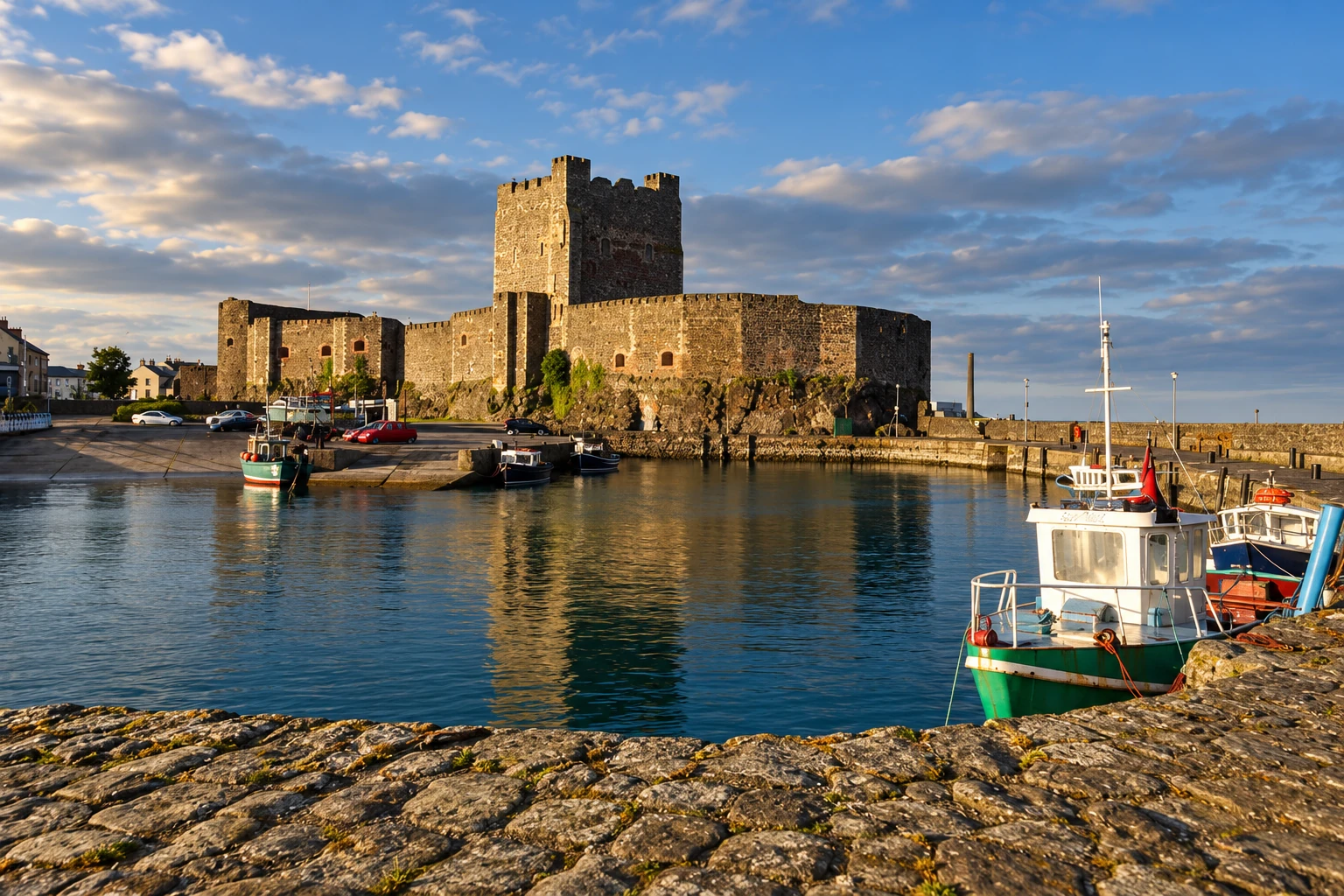
August. The mean temperature is 15.0°C with a daily maximum of 18.9°C. At 103 mm, August is the wettest summer month. It is also a peak-volume month, and hotel prices are high on KAYAK’s Canadian listings. Accommodation needs early booking around the major events. Fleadh Cheoil na hÉireann, the large traditional music festival, ran 3–10 August in 2025 in Co. Wexford. It moves to Belfast for 2–9 August 2026 and 1–8 August 2027, per The Irish Road Trip. Dublin’s Dublin Horse Show at the RDS ran 6–10 August in 2025, and the Kilkenny Arts Festival also takes place in August. In Northern Ireland, the Lughnasa Fair at Carrickfergus Castle falls in early August, according to Frommer’s.
Autumn: September Through November
Autumn averages 10.3°C and is wetter than spring, but September ranks among the best months to travel, as Lonely Planet and Go-to-Ireland both state.
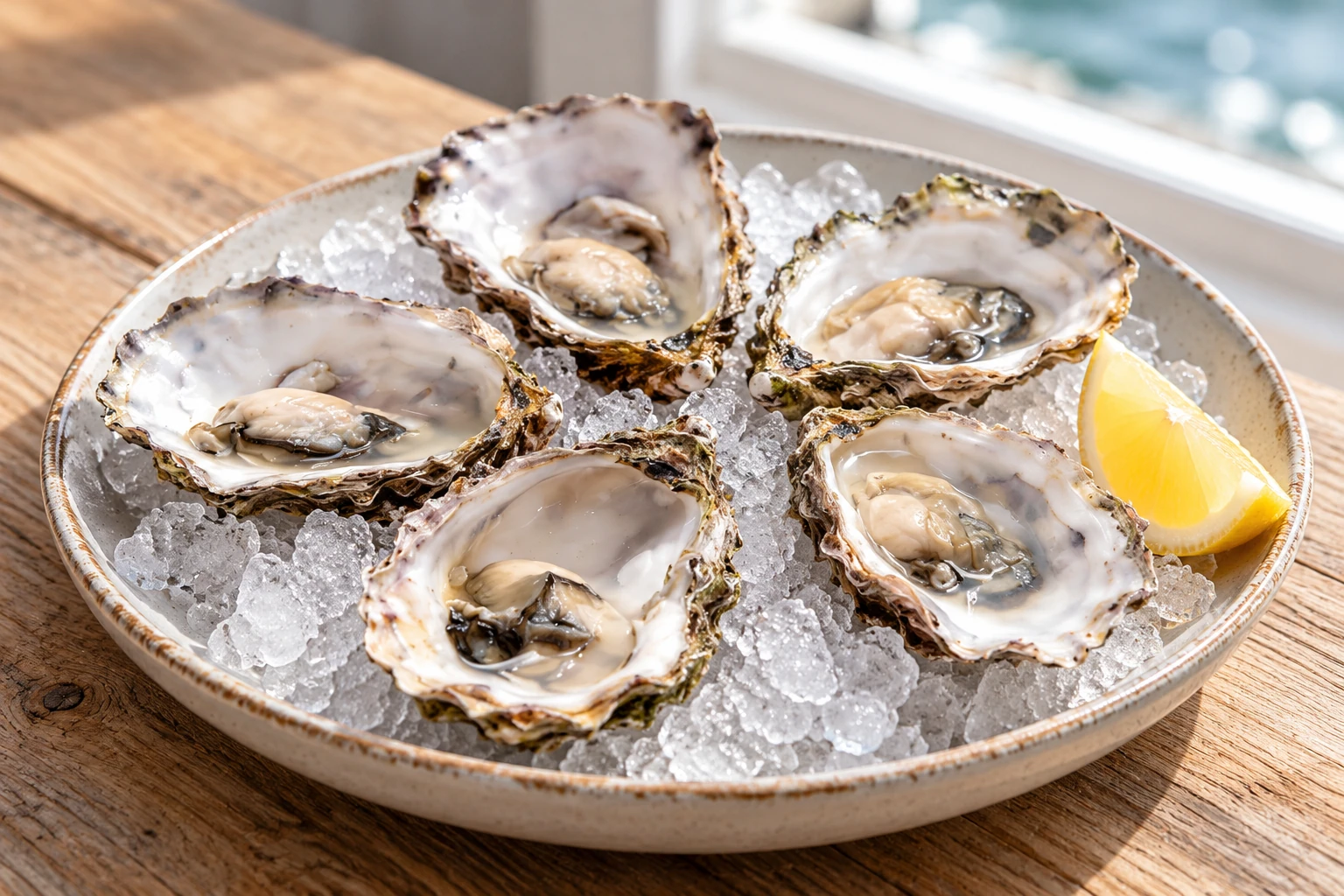
September. Rainfall in September has fallen compared with 1961–1990. The CSO counted 604,500 foreign overnight visitors in September 2025, up 5% on September 2024, so the month is busy. Crowds thin after schools return in mid-September, as Collette notes, and prices come down from the summer peak. The Dublin Fringe Festival ran 6–21 September in 2025, and the Galway Oyster Festival runs from September into October.
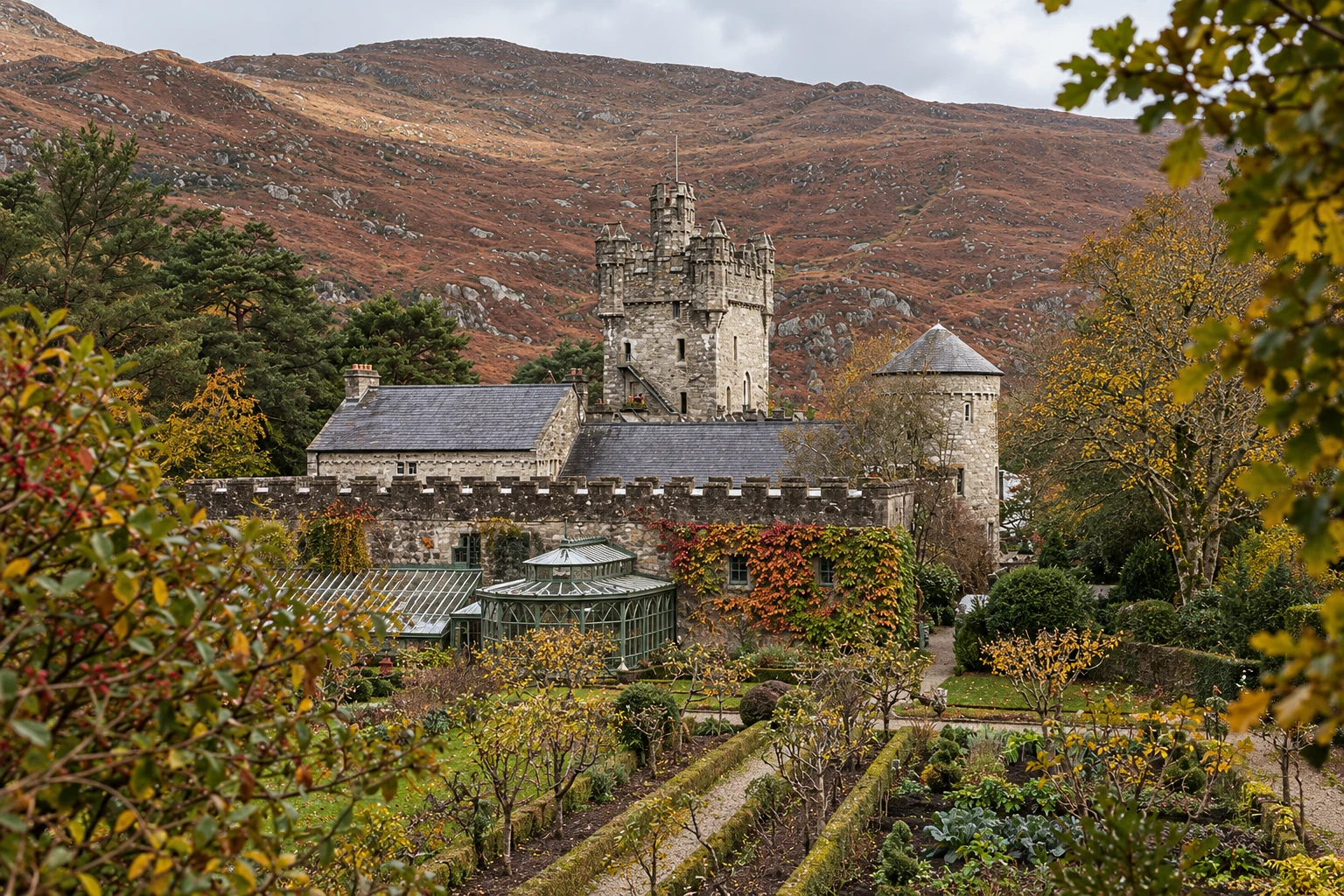
October. Crowds are smaller and prices lower than in summer. Driving the Ring of Kerry in September or October avoids the tour buses that block views in high season, according to Lonely Planet. Rainfall rises to around 130 mm or more. Glenveagh National Park in Donegal is a recommended stop for autumn colors, as Guidester reports. A Samhain bonfire marks the end of the month, per Nordic Visitor, and the Cork Jazz Festival is an autumn event.
November. November is low season and one of the wettest months, at around 130 mm or more. Flights and accommodation cost less, especially in rural areas, as Guidester reports. It suits cities, museums and indoor activities more than coastal driving.
Winter: December Through February
Winter is the cheapest and least crowded season, with a seasonal mean of 5.4°C. It is colder, wetter and windier, with fewer daylight hours, as Collette describes.
December. December is the wettest month, at about 142 mm, and the dullest, with only 44.8 hours of sunshine and about 10.7 days of no sunshine at all. The mean temperature is 5.6°C and the daily maximum 8.5°C. That makes it a poor month for coastal sightseeing, though cities work well and prices fall to their lowest in some listings.
January. January is the coldest month, with a mean of 5.3°C, a daily maximum around 8.2°C and a minimum around 2.3°C. Visitor volume was 451,900 in January 2024, according to the CSO. Dublin Tradfest, a traditional music festival, takes place in January. The Spirit of Brigid Festival in Co. Kildare ran 24 January to 3 February in 2025, per Tourism Ireland.
February. The mean temperature is 5.5°C, with a daily maximum around 8.7°C and a minimum around 2.3°C. February is one of the least busy months, and the CSO’s FAQ page reports 6.6% of foreign visitors came in February 2024 (433,300 visitors). Winter driving conditions apply, per MyIrishCousin. The Dublin International Film Festival is a February draw.
Best Time by Region
Rainfall and sunshine vary widely across a small island, so the region can matter more than the month. Regional figures below come from Met Éireann’s station data for the Republic of Ireland.
Dublin and the east
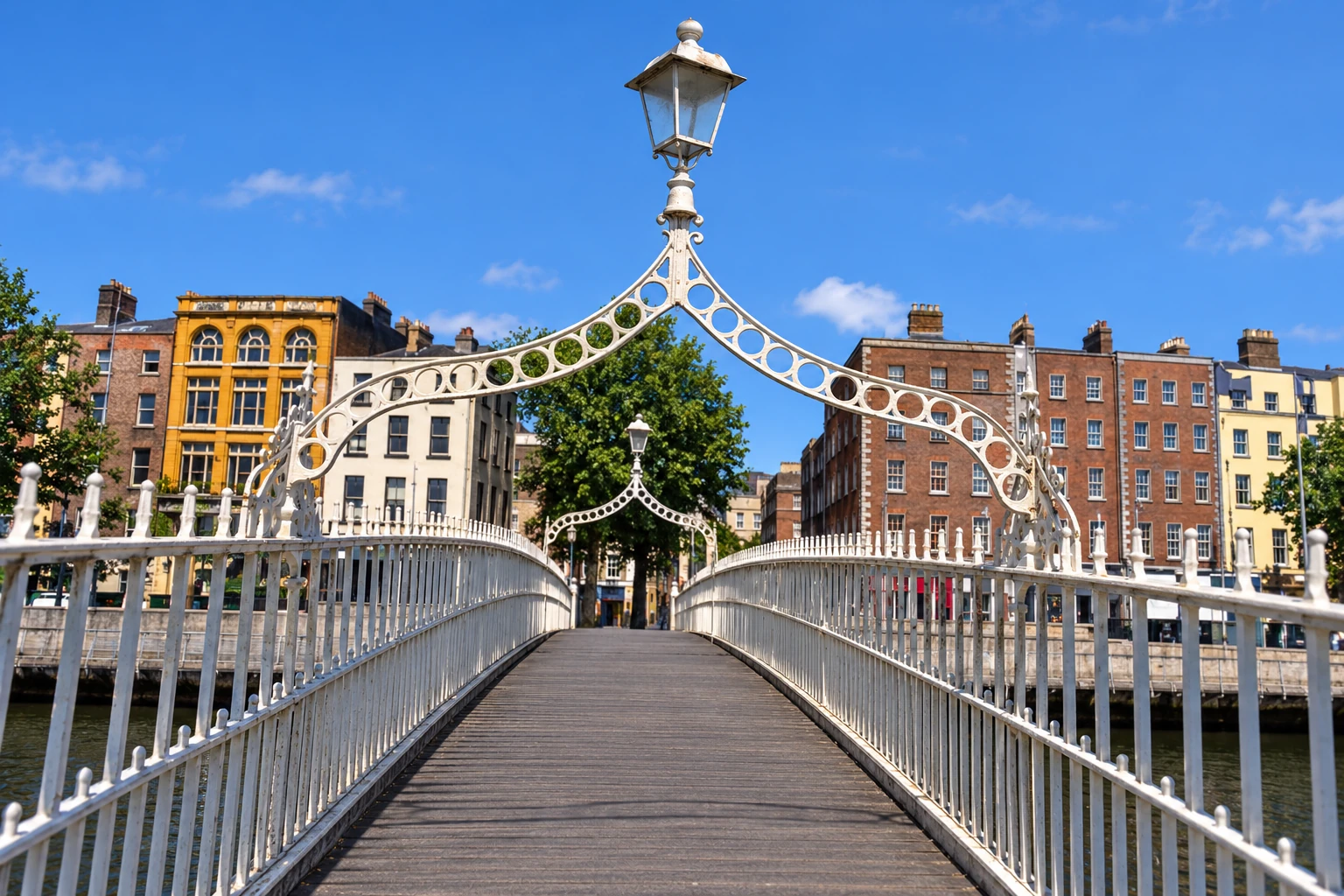
The east is the driest region. The east coast’s annual rainfall of 878 mm is the lowest recorded, and it has the fewest rain and wet days. Dublin is busy most of the year. Spring and autumn are easier than summer, and winter has the smallest crowds, according to Collette. Zicasso also names March through May and September through November as the best months. The St Patrick’s Festival in March, the Horse Show in August and the Fringe in September all raise demand and prices around their dates.
Killarney and the Ring of Kerry
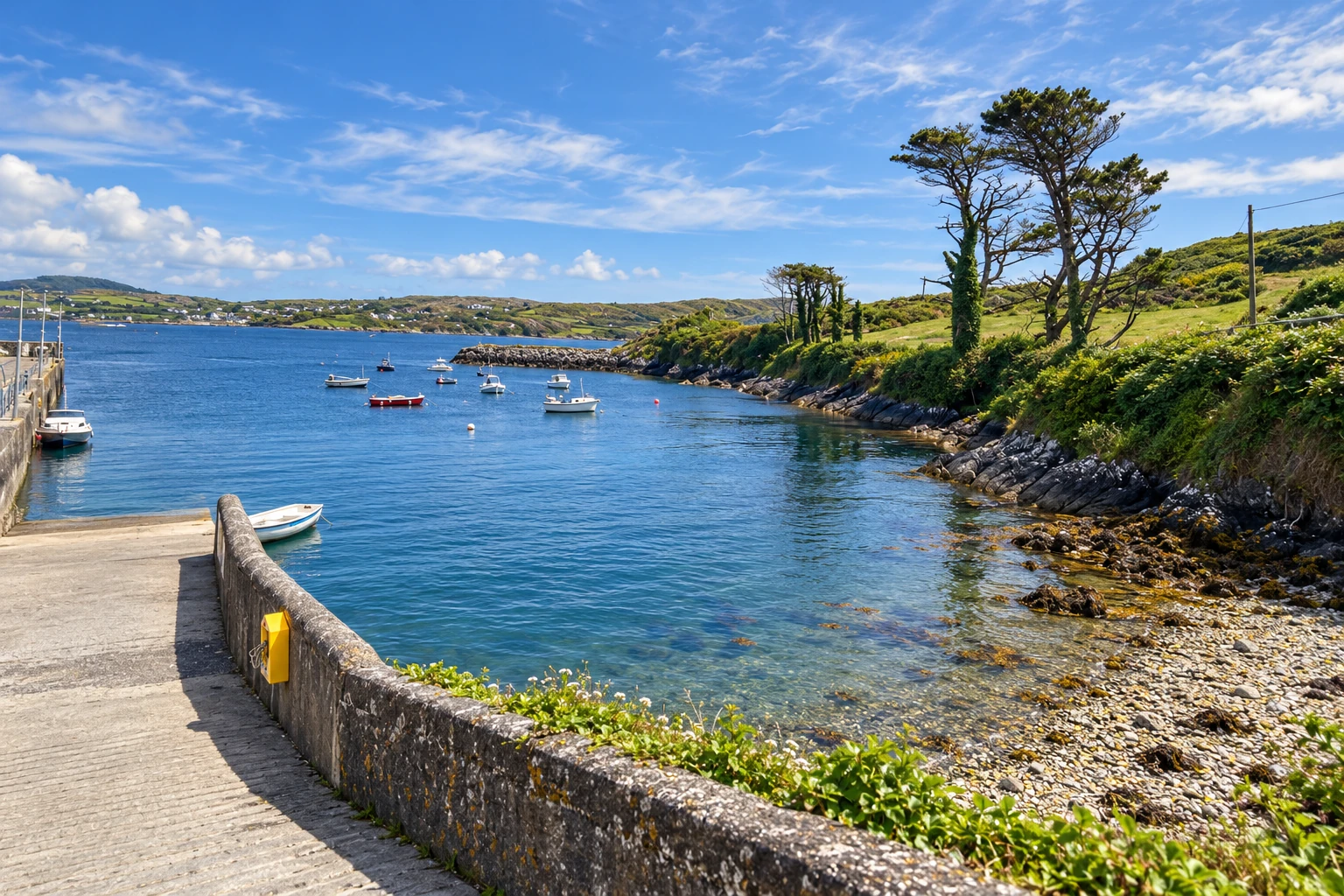
The southwest mountains record the country’s highest rainfall, at 2,044 mm a year. Collette lists late spring through early autumn as the best window. May, June and September offer stable weather with fewer crowds, according to Irish Experience Tours, and spring is the quieter time to drive the ring. Killarney hotels average about $169 a night, rising to about $315 in high season, per Budget Your Trip.
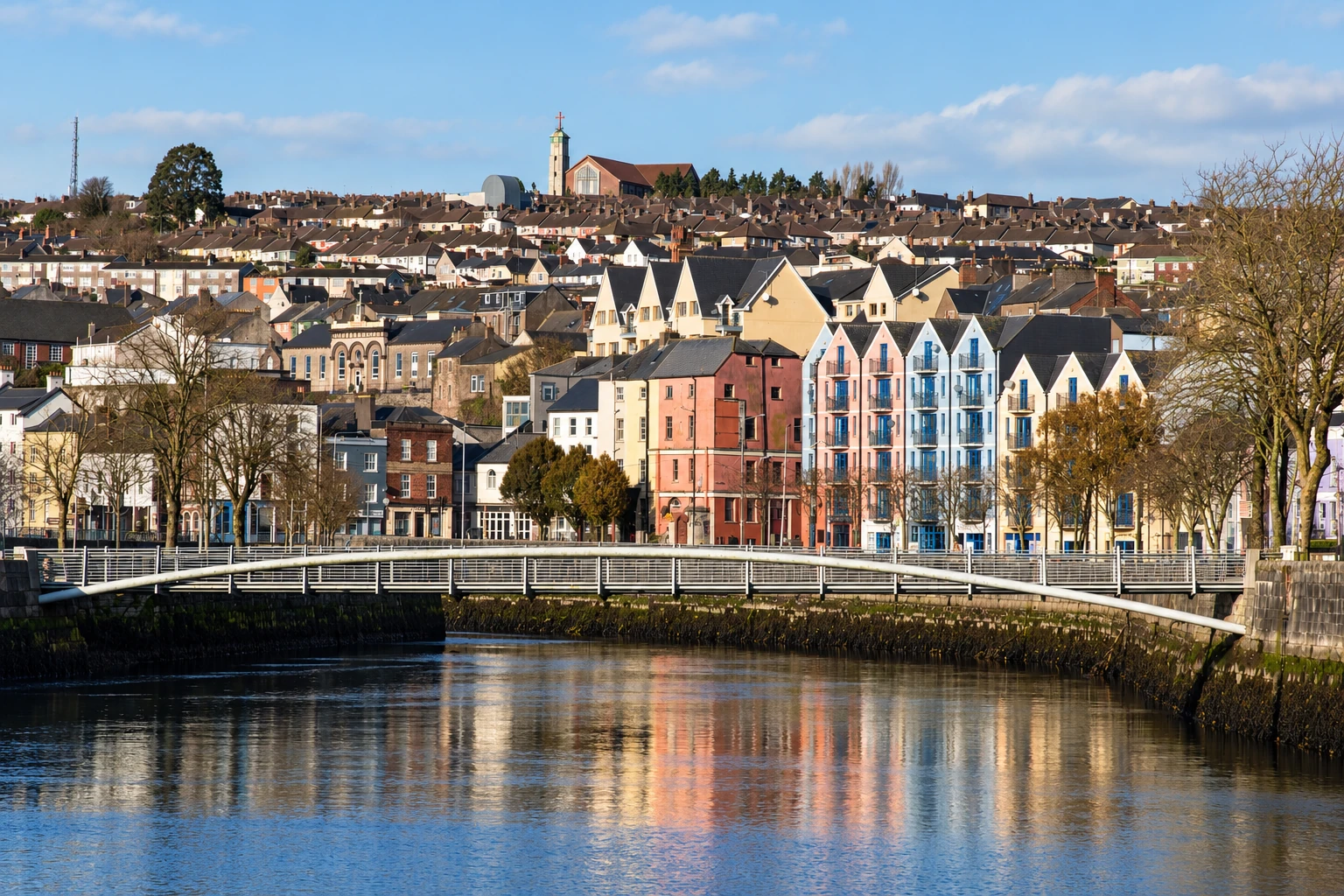
Cork
Cork has the country’s sunniest weather station: Sherkin Island in Co. Cork records 1,541.9 hours of sunshine a year. Go-way suggests summer for sightseeing in Dublin and Cork, and says driving is rewarding in any season. The Cork Jazz Festival in autumn is the main event draw.
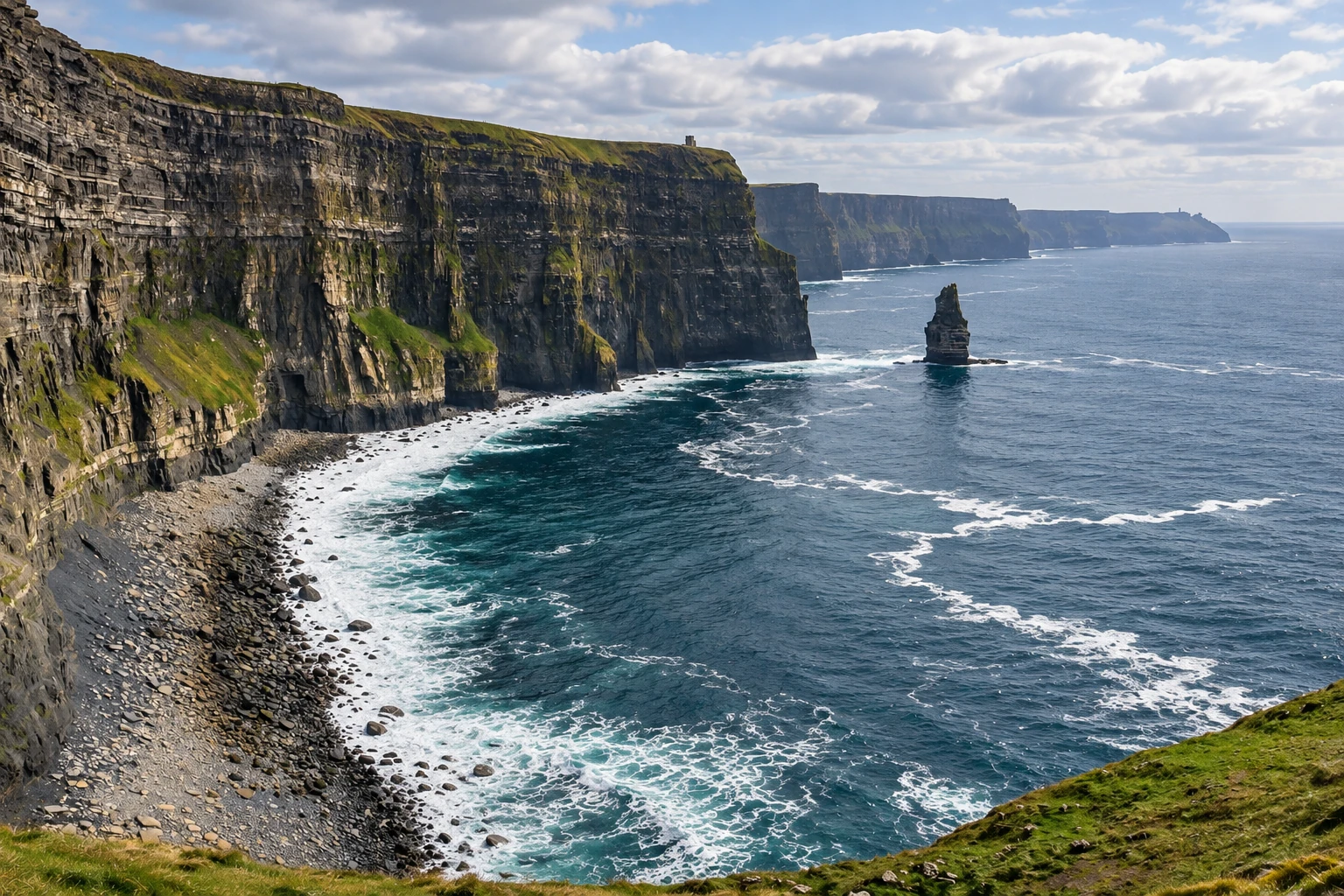
Galway, the Cliffs of Moher and the west
Rainfall on higher ground in the west is the heaviest anywhere, and the increase since 1961–1990 was greatest in the west and north. The region is also relatively dull compared with the east. Zicasso puts the best months at April and May and September and October. Collette rates the west as fantastic in spring, summer and early autumn. June through August is popular, but roads are busier, per MyIrishCousin. The Cliffs of Moher and other exposed coastal sites suit late spring, summer or early autumn better than winter. July is festival month in Galway.

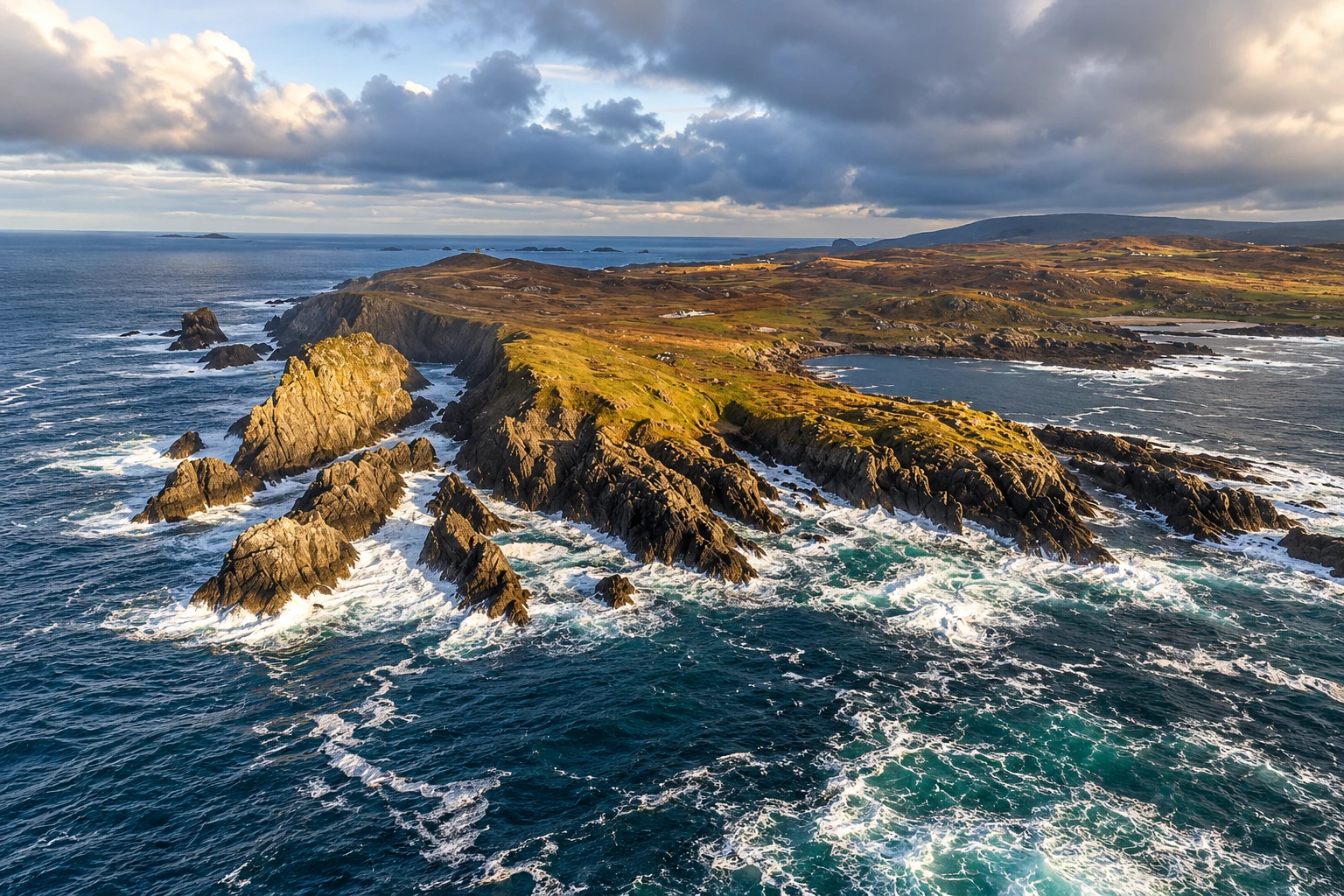
Donegal and Derry
Ballyshannon in Co. Donegal is the dullest station, at 1,252.3 hours of sunshine a year. Malin Head is the windiest, with winter mean wind speeds of 18 knots. Winter coastal trips in the northwest are the most exposed in the country. Collette lists Derry as a good choice in summer, from September through November, and from December through February, and Glenveagh National Park is best known for autumn color.
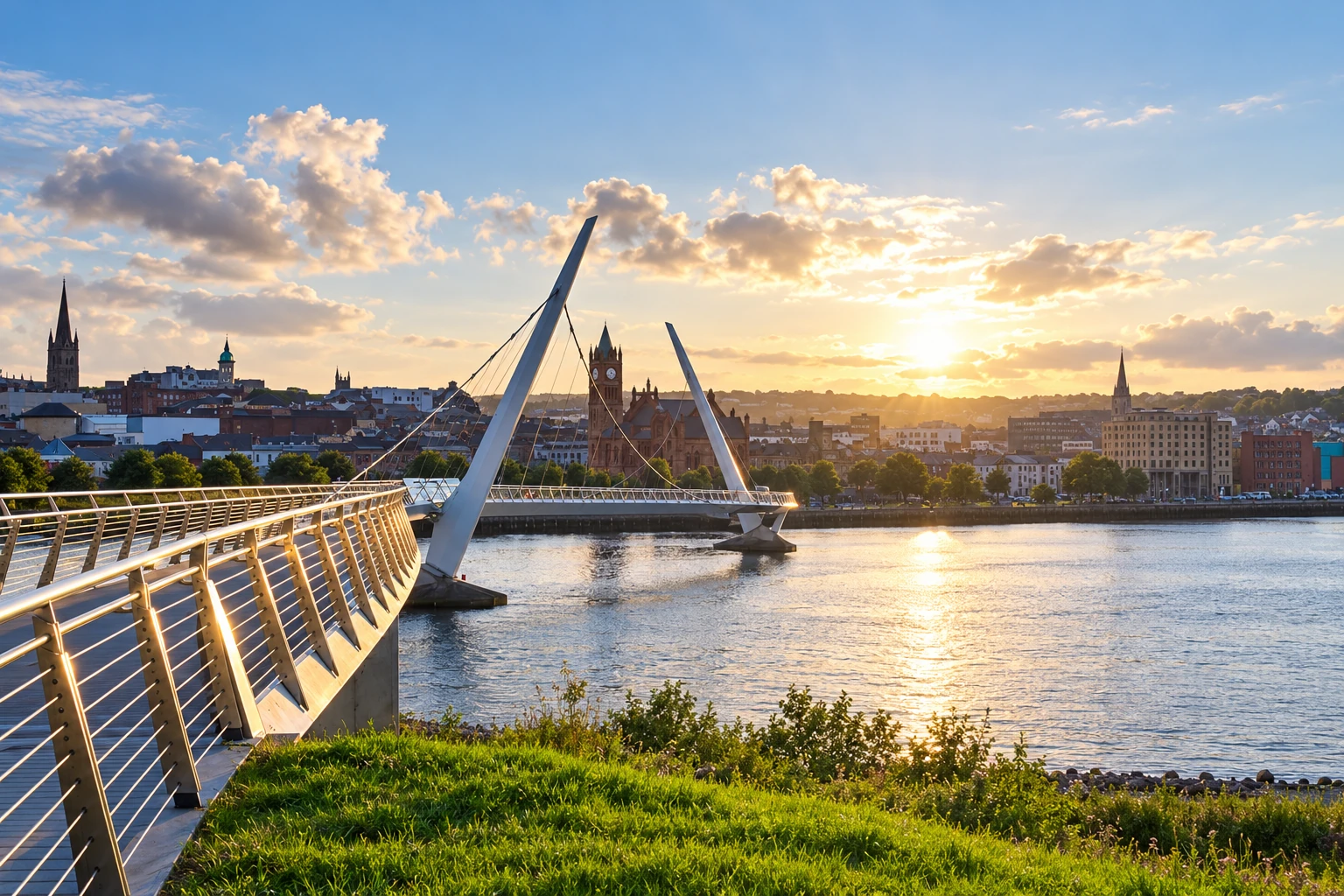
Belfast and Northern Ireland
Belfast and Derry are in Northern Ireland, so the Republic’s station figures give only a rough guide. Collette describes Belfast as strong year-round and best in spring and autumn, when neighborhoods are lively without summer crowds. Summer brings Belfast TradFest and the Lughnasa Fair in Carrickfergus. Belfast also hosts Fleadh Cheoil na hÉireann in August 2026 and August 2027, so hotel demand there will rise sharply in those weeks.
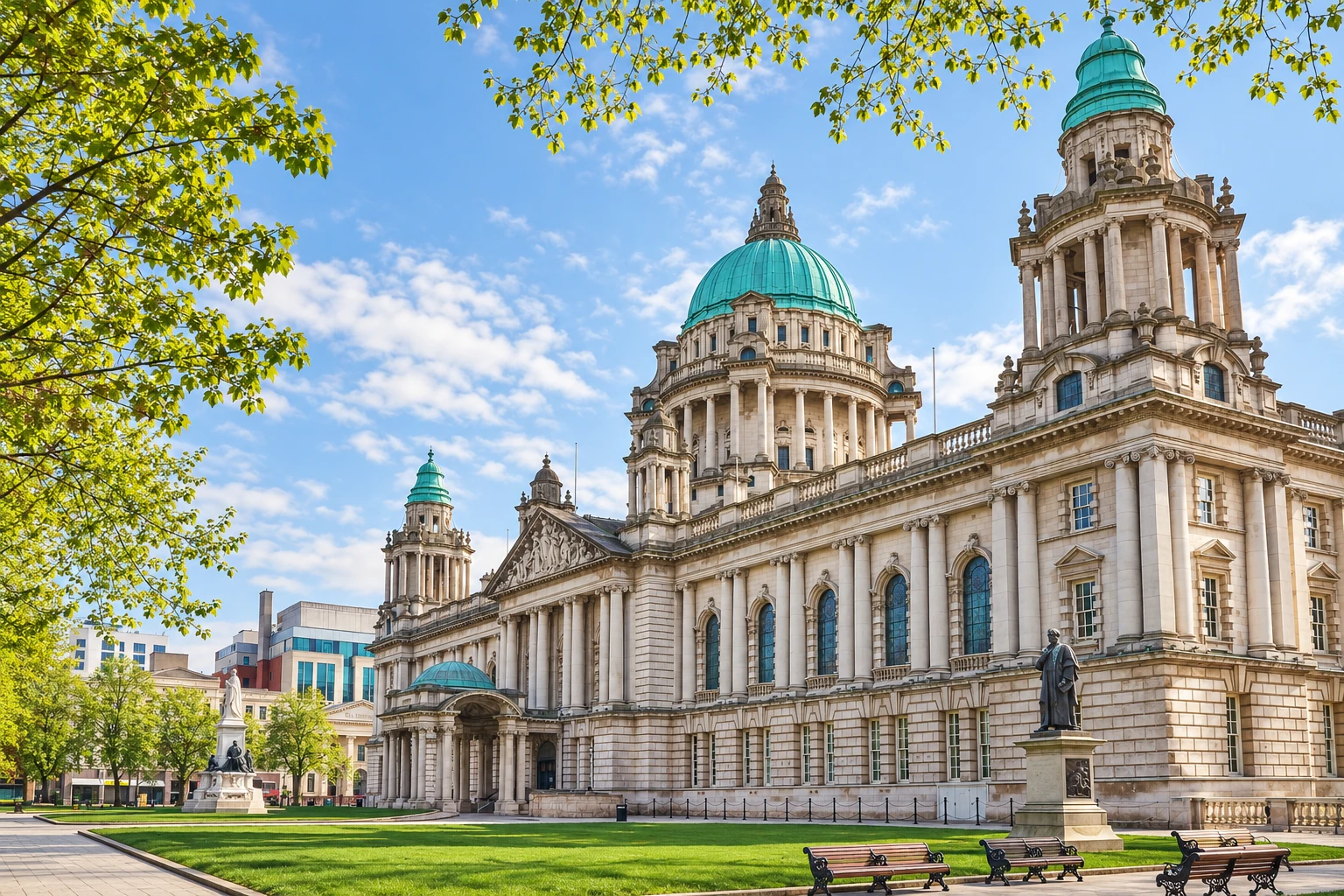
Hotel Prices Through the Year
Hotel comparison listings put the lowest prices from about November to February and the highest from about May to September or October, per KAYAK’s Australian listings, New Zealand listings and Momondo. The cheapest single month falls between December and February, depending on the listing. The starting prices below are from KAYAK Ireland, rendered 3 October 2026. They are floors, so a specific date usually costs more, and live prices on the comparison site show the current rate.
| City | 3-star from | 4-star and above from |
|---|---|---|
| Dublin | €68 | €86 |
| Killarney | €90 | €91 |
| Galway | €82 | €104 |
| Cork | €78 | €116 |
Dublin gives the clearest picture of seasonal swing. Budget Your Trip puts the average at about $161 a night across 739 hotels, before taxes, with a median of $147. The high-season average is about $301. A separate hotel guide gives typical mid-range Dublin rates of €150–€250 a night, and says prices roughly double during St Patrick’s Day and major concerts or rugby matches. The practical lesson is that specific dates matter as much as the month: a big event can erase the savings from an off-peak week.
Matching Dates to Trip Types
First-time road trip. Choose May, or September into early October. Both give long enough days for driving, moderate crowds on the Ring of Kerry and the Wild Atlantic Way, and prices below the summer peak. May is the better bet for sunshine and dry weather. September has the lower hotel prices and the post-school-holiday thinning of crowds.
Festivals and music. Plan around the event first. July suits Galway, with its film, arts and racing events. Early August suits traditional music, with Fleadh Cheoil in Belfast in both 2026 and 2027. March suits the St Patrick’s Festival in Dublin, with the cost of booking early and paying higher prices.
Tight budget. Go between November and February and base yourself in cities, where museums, pubs and indoor attractions keep working through the rain. Rural stays are cheapest in November. Avoid the coast in December, the wettest and darkest month, and avoid exposed sites like the Cliffs of Moher.
Best odds of dry weather. Spend April and May on the east coast, or add the southeast. The east is the driest region, and April and May are the driest months nationally. Avoid the southwest mountains if dryness matters most.
Hiking and scenery. Late spring and early autumn give the best mix of daylight and quiet trails. October adds fall color, with Glenveagh a recommended stop, though rainfall rises to around 130 mm or more.
Long days and warm weather. July and August give the highest temperatures, sunsets after 10 p.m., and the busiest roads and attractions. June is the driest summer month and often more pleasant than July or August for avoiding crowds.
Five Points for Planning Your Trip
- Pick late April to May or September to early October: These shoulder-season windows combine milder weather, lighter crowds and prices below the summer peak. May offers 191.4 hours of sunshine, the most of any month.
- Choose the region before the month: The east coast gets 878 mm of rain a year while the southwest mountains get 2,044 mm, so a dry-weather trip belongs in the east and a Kerry trip belongs in May, June or September.
- Avoid December for coastal travel: It is the wettest month at about 142 mm of rain and the dullest at 44.8 hours of sunshine, though it is also among the cheapest for city breaks.
- Book early for summer events and St Patrick’s Day: Festival weeks in Galway, Dublin and Belfast, plus 14–17 March in Dublin, push hotel prices up, and Dublin rates roughly double around St Patrick’s Day.
- Check live rates for exact dates: Hotel floors start at €68 for a 3-star in Dublin, but event weeks and May through September cost more.