US Passport Rules and Entry Requirements for the United Kingdom
US citizens can visit the United Kingdom for up to six months without a visa, but most travelers need an Electronic Travel Authorisation (ETA) before they board. You apply for the ETA online, and it gives you permission to travel. Your passport must stay valid for your entire visit, and a Border Force officer makes the final entry decision at the airport, port, or rail terminal.
Before you fly, confirm your passport validity, the ETA fee, how long you can stay, the questions officers ask, and the customs allowances for Great Britain. Check the official GOV.UK and US State Department pages before you book, because fees and rules change.
Passport validity for the whole stay
The US State Department states that a US passport must be valid for the entire length of your stay in the UK. The passport needs to last until the day you leave, not just until you arrive. If your passport expires during your visit, a border officer can refuse you entry on the way in, and you would need to renew it before you can return to the UK.
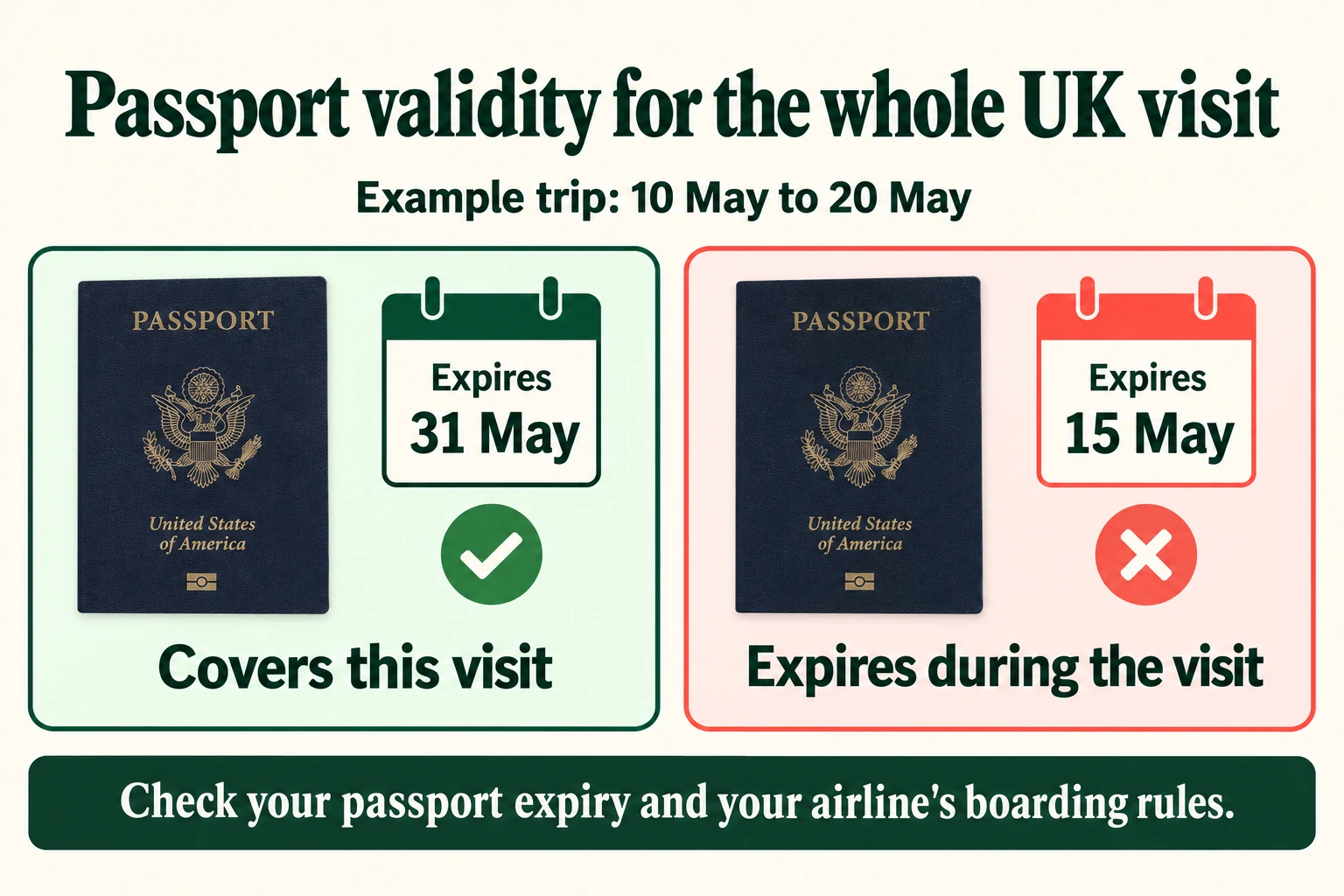
Airlines set their own boarding rules, and some carriers check passport validity more strictly than the UK does. Contact your airline before you travel if your passport expires within a few months of your trip. Renew early if your passport has less time left than your planned stay.
Visa-free stays and the six-month limit
US citizens do not need a visa for short visits. The Home Office’s ETA factsheet describes the visa-free category as stays of up to six months at a time, and it covers tourism, visiting family and friends, and short business trips. The six-month limit applies to each visit. Returning to the UK starts a new allowance, but you cannot extend a stay from inside the country. If you need more time, you must leave and apply for the correct permission before you return.
The UK sits outside the Schengen Area, so days you spend in the UK do not count toward the 90-day limit that applies to most visits to Schengen countries. Plan the UK and European legs of a trip separately. For a trip that includes Paris and London, you would track each region’s rules on its own schedule, and the UK days do not reduce your Schengen allowance. The UK stay rules guide explains how the six-month rule works in practice.
Most travelers planning a week, ten days, or a longer tour stay well inside the limit. A visit of several months, or repeated visits that add up to most of the year, puts you at risk of questions at the border. Section 5 covers how officers judge patterns of entry.
Applying for an Electronic Travel Authorisation
An ETA is required for US citizens who do not need a visa. You apply online through the official UK ETA app or on GOV.UK. The Home Office says to apply at least three working days before you travel, and most applicants receive an automatic decision within minutes through the app. Pay the fee, enter your contact details and passport information, upload a photo that meets the GOV.UK digital photo rules, and answer the suitability and criminality questions.
The fee is £20, according to the Home Office factsheet dated April 2026. The fee is under review, so confirm the current amount on the GOV.UK ETA page before you pay. Several commercial services will prepare an application for you for a higher fee. Those services are optional. The government fee is the £20 charge.
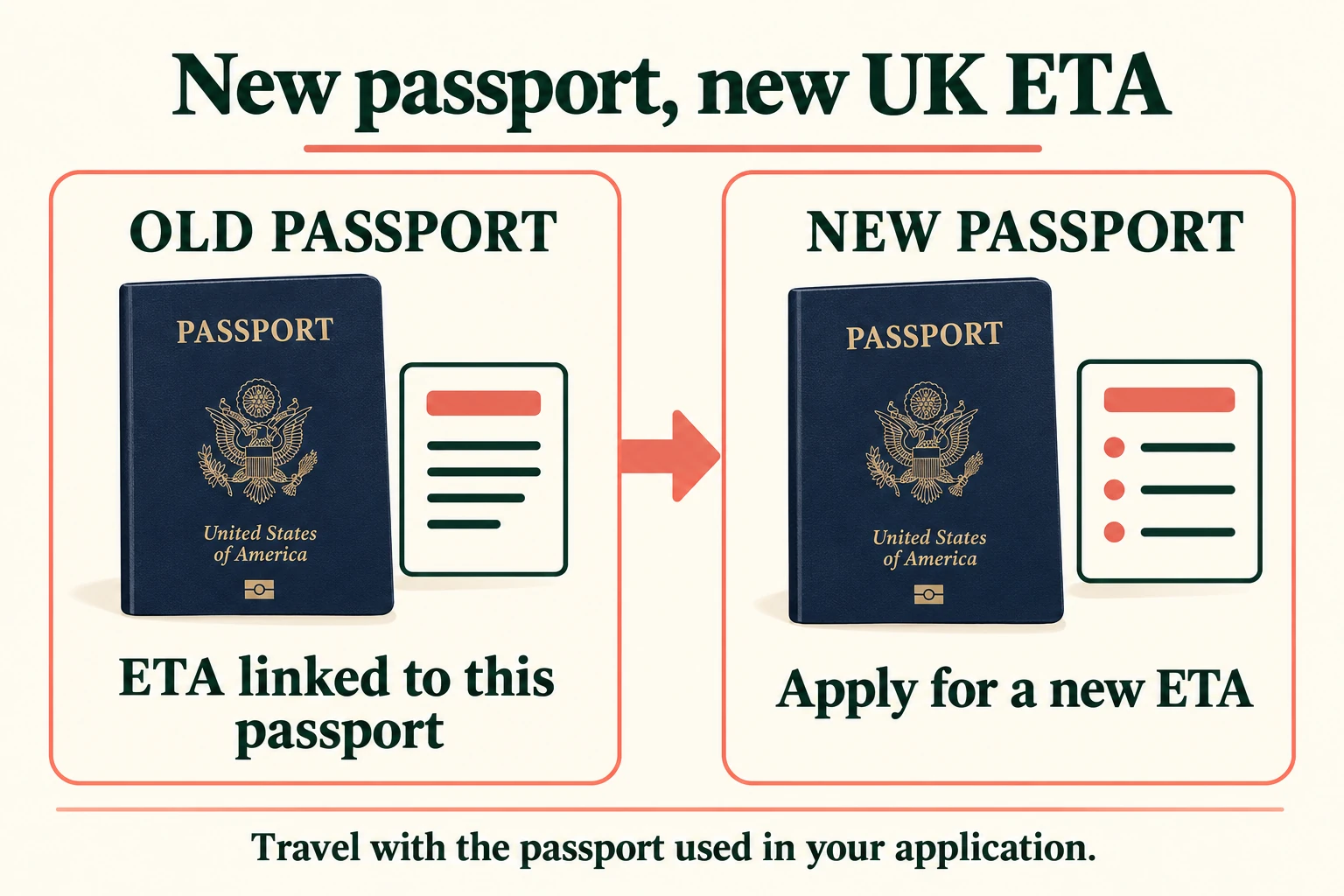
Apply with the same passport you will use to travel. The Home Office requires you to travel on the passport you named in your application. If you renew your passport after you apply, the ETA stays tied to the old passport, so you will need a new ETA for the new one. This is the most common mistake for travelers who renew shortly before a trip.
An approved ETA lasts for two years or until your passport expires, whichever comes first. It covers multiple trips during that period, as long as each stay is no longer than six months. You can check the status of your application with the "Check My ETA" service on GOV.UK.
If the application is refused, you cannot appeal. You must apply for a visa instead. A rejected application, which is different from a refusal, comes with a stated reason, and you can reapply after you fix the problem. The Home Office also warns about scam websites that imitate the official service. Apply only through the GOV.UK link or the official app, and report suspicious sites through GOV.UK.
What the ETA does and does not do
The ETA is a digital permission to travel, but it does not guarantee entry. The Home Office says it is not a visa or a tax and does not permit entry into the UK. A Border Force officer decides whether you may enter when you arrive. An approved ETA gives you a strong basis for entry, but the officer still checks your passport, your stated purpose, and your plans.
A connection adds one more check: if it takes you through UK passport control, you need an ETA. Transit at Heathrow or Manchester without passing UK passport control does not currently require one, according to the Home Office factsheet.
Two more coverage details matter for planning. The ETA applies to visits to the UK and the Crown Dependencies, which include Jersey, Guernsey, and the Isle of Man. It does not apply to the British Overseas Territories, so a trip to territories such as Bermuda or the Cayman Islands is a separate question. The factsheet also states that travelers arriving in Northern Ireland, including by land from the Republic of Ireland, must meet UK immigration rules, including the ETA if it applies. Travelers face no routine immigration checks within the Common Travel Area, but the rules still apply.
When a visa is the better route
If your trip falls outside visa-free rules, you need a visa. The usual option for a visit is the Standard Visitor visa. The Standard Visitor application fee is £135, and the visa is usually granted for up to six months. Confirm the current fee on GOV.UK before you apply, because visa fees change on their own schedule from the ETA fee.
Standard Visitor applicants must show that they plan to leave the UK at the end of the visit. A flight booking or hotel reservation helps, and applicants also provide financial documents. The visa process takes longer than the ETA, so start early if you need one.
What border officers ask
At the passport desk, the officer checks your identity, your passport, and your ETA or visa. The officer may ask how long you plan to stay, why you are visiting, where you will stay, and whether you have a return or onward ticket. A 2014 Border Force leaflet, Top Tips for Travellers, advises non-EEA visitors to expect simple questions about the stay and to carry the details of where they will stay in their hand luggage. That leaflet is dated, but its basic advice about keeping your answers simple and accurate still applies.
Officers also look at travel patterns. Frequent or back-to-back visits can suggest that a traveler is living in the UK on visitor status, and officers can question your intent. If you travel often, carry evidence of your ties to home, such as an employment letter, a lease, or recent bank statements. Carry this kind of paperwork for longer or repeated stays, since it answers the same questions officers ask.
Children require extra paperwork in some cases. The 2014 leaflet says officers may ask about the relationship when a child under 18 travels with an adult who is not the child’s parent, or when the adult and child do not share a surname. A 2025 overview of UK border checks adds that officers may request proof of the relationship, such as a birth or adoption certificate, or a letter of consent from the other parent. Carry these documents when you travel with someone else’s child.
Answer every question truthfully and directly. The 2014 leaflet warns against giving false or misleading information, and it specifically warns against forged or counterfeit documents. A false answer at the desk can lead to refusal and a ban on future entry.
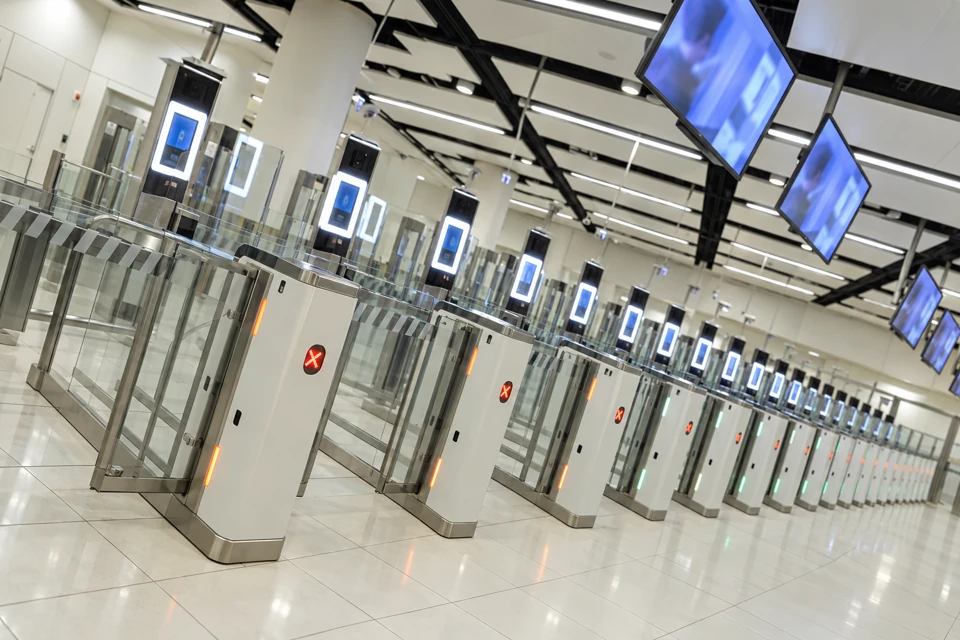
Two practical details make the desk process faster. Remove your passport from any cover before you reach the desk. The same leaflet advises taking off sunglasses, hats, or scarves for the passport check. US passport holders can also use the ePassport gates at many UK airports, an option that has been open to US passport holders since June 2019, according to the US State Department. The gates still check the same documents, so the same answers and preparation apply.

Customs allowances for Great Britain
The GOV.UK guidance on bringing goods into Great Britain sets the personal allowances for travelers arriving from outside the UK. The page was last updated on 1 October 2026. These figures apply to England, Wales, and Scotland. Northern Ireland follows different rules for EU-origin goods, so keep that in mind if your trip crosses the border.
| Category | Personal allowance |
|---|---|
| Beer and cider | 42 litres |
| Wine (still or sparkling) | 18 litres |
| Spirits and products over 22% ABV | 4 litres |
| Other products up to 22% ABV, including fortified wine such as port and sherry | 9 litres |
| Tobacco | 200 cigarettes, or 100 cigarillos, or 50 cigars, or 250g tobacco, or 200 heated-tobacco sticks (splitting allowed) |
| Vaping liquid | 50ml |
| Other goods, including souvenirs | £390 total, or £270 if arriving by private plane or boat |
The allowances apply per person, and you cannot combine them with another traveler’s allowance. If you go over the wine allowance, all of your wine becomes dutiable, including the portion within the limit. Tobacco works the same way: 200 cigarettes plus 50 cigars makes both dutiable. For other goods, duty and tax apply to the total value once you exceed £390, not only to the excess. Import VAT can also apply, at the current UK rate, to the total value plus the duty.
Declare any goods over your allowances online before you travel or at the border. Undeclared goods can be seized. Travelers under 17 have no personal allowances for alcohol, tobacco, or vaping products.
Older figures of 800 cigarettes or 110 litres of beer are guideline maximums for EU-origin goods and Northern Ireland. They do not apply to US travelers arriving in Great Britain, so use the table above.
Prohibited and restricted goods
GOV.UK lists banned and restricted goods that you cannot bring in, or can bring in only with permission. Prohibited items include controlled drugs, offensive weapons such as flick knives, and self-defense sprays such as pepper spray. Endangered species and indecent and obscene material are also prohibited. Personal imports of meat and dairy products from most non-EU countries are prohibited as well.
You need a special licence for firearms, explosives, and ammunition. Some food and plant products are restricted, and certain items, such as some animal and plant products, may need a CITES permit under the international wildlife trade treaty. If you plan to bring a souvenir made from animal parts, check the GOV.UK list before you leave home.
Cash follows its own rule. GOV.UK covers carrying cash in its guide to taking cash in and out of the UK. Carrying £10,000 or the equivalent in cash requires a declaration, as this UK border control overview explains. Confirm the threshold on the GOV.UK cash page before you travel with a large amount.
Entry rules for other passports
The rules in this guide apply to US citizens. Travelers on other passports face different questions. British and Irish citizens (including dual citizens) do not need an ETA or a visa to enter the UK, and legal residents of Ireland are also exempt if their nationality does not usually need a UK visa, they can show proof of legal residency, and they are travelling within the Common Travel Area, as this UK border control overview explains. Irish permanent residency alone does not confer the exemption. Travelers from EU and EEA countries have historically been treated differently from non-EEA visitors, including for landing cards and eGate eligibility, as the 2014 Border Force leaflet describes. Current rules for each nationality appear on GOV.UK’s ETA eligibility pages, so check those before you book if you hold a passport from another country.
Green card holders should check their own citizenship rather than their US residence. Entry rules follow the passport you travel on, so a green card holder who is a citizen of another country needs the ETA and visa rules that apply to that country.
Key Takeaways
- Check passport validity for the whole trip: Your US passport must stay valid until the day you leave the UK, and you should confirm any stricter airline rules before you fly.
- Apply for the ETA at least three working days early: The Home Office factsheet dated April 2026 lists the fee as £20, and you must travel on the same passport you named in the application.
- Plan each UK visit around the six-month limit: You cannot extend a stay from inside the UK, and UK days do not count toward the Schengen 90-day limit.
- Keep your answers simple and carry proof of ties to home: Officers ask about your purpose, length of stay, and lodging. Frequent visits bring closer questions about your intent.
- Limit alcohol and tobacco to the Great Britain allowances: If you go over the wine or tobacco limit, all of that product becomes dutiable, and undeclared goods over the allowance can be seized.