Egypt Entry Requirements for U.S. Travelers

Most U.S. citizens need a visa to enter Egypt. You can buy a 30-day tourist visa on arrival, or apply for an electronic visa (e-visa) before you leave home. Your passport must be valid for at least six months after you arrive and have at least one blank page.

The guide covers passport rules, visa options and fees, the stay limit, questions border officers may ask, and customs limits on cash, gifts, and electronics. Fees and rules change often, so each figure includes its date and the official source to check it.
Passport Rules Before You Book
The U.S. Department of State’s Egypt travel advisory states that a passport must be valid for six months and have at least one blank page. The Embassy of Egypt in Washington puts it more precisely: the passport must be valid for more than six months after entry into Egypt. The six-month count always starts on the day you enter Egypt, whenever you plan to leave. A passport that expires in five months will not work, even if your return flight is earlier.
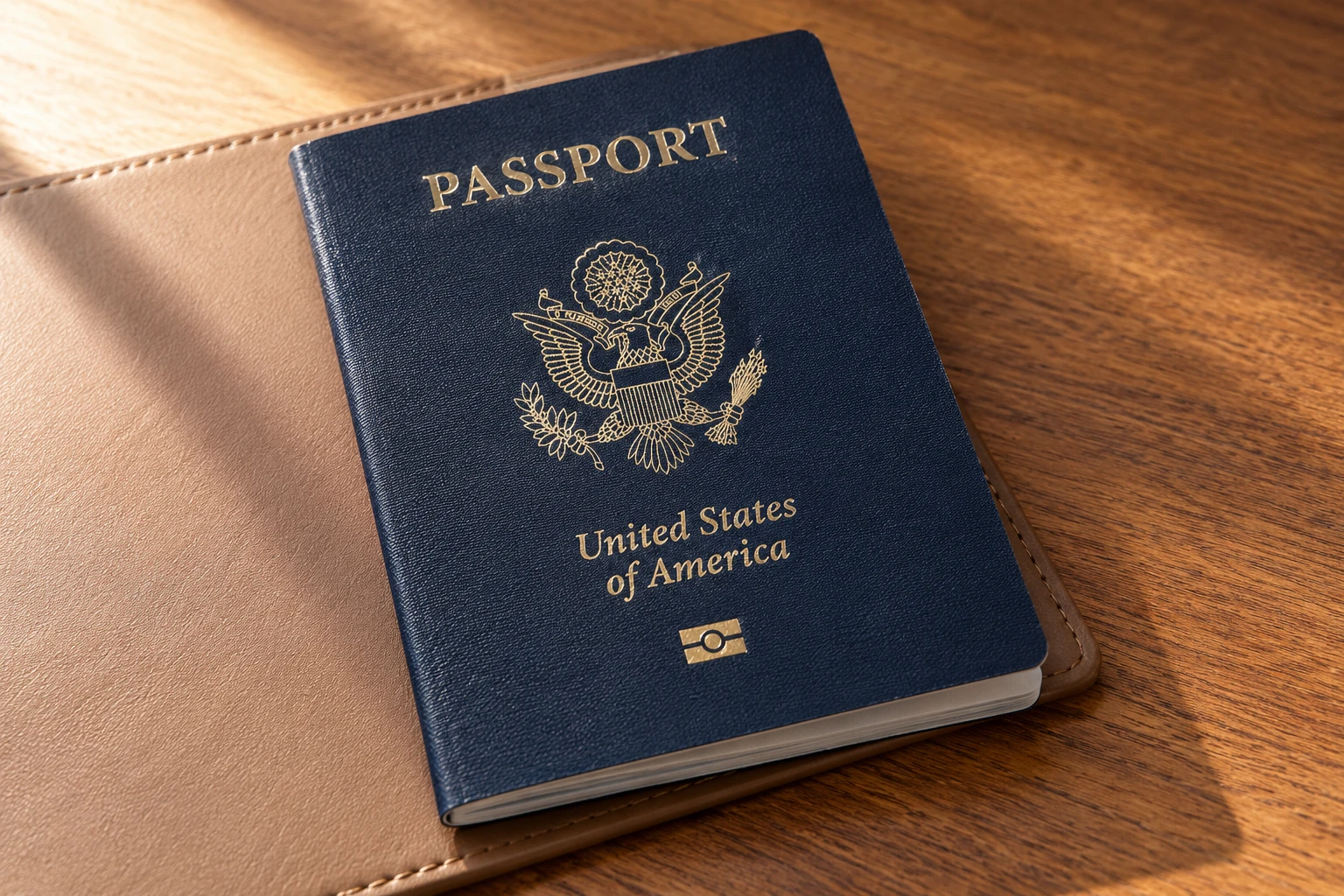
Airlines check the same rule at check-in, so a passport that falls short can stop you before you reach Egypt. If your passport renewal is close, renew it before you book flights. Egyptian immigration officers check the passport again on arrival.
Visa on Arrival or E-Visa
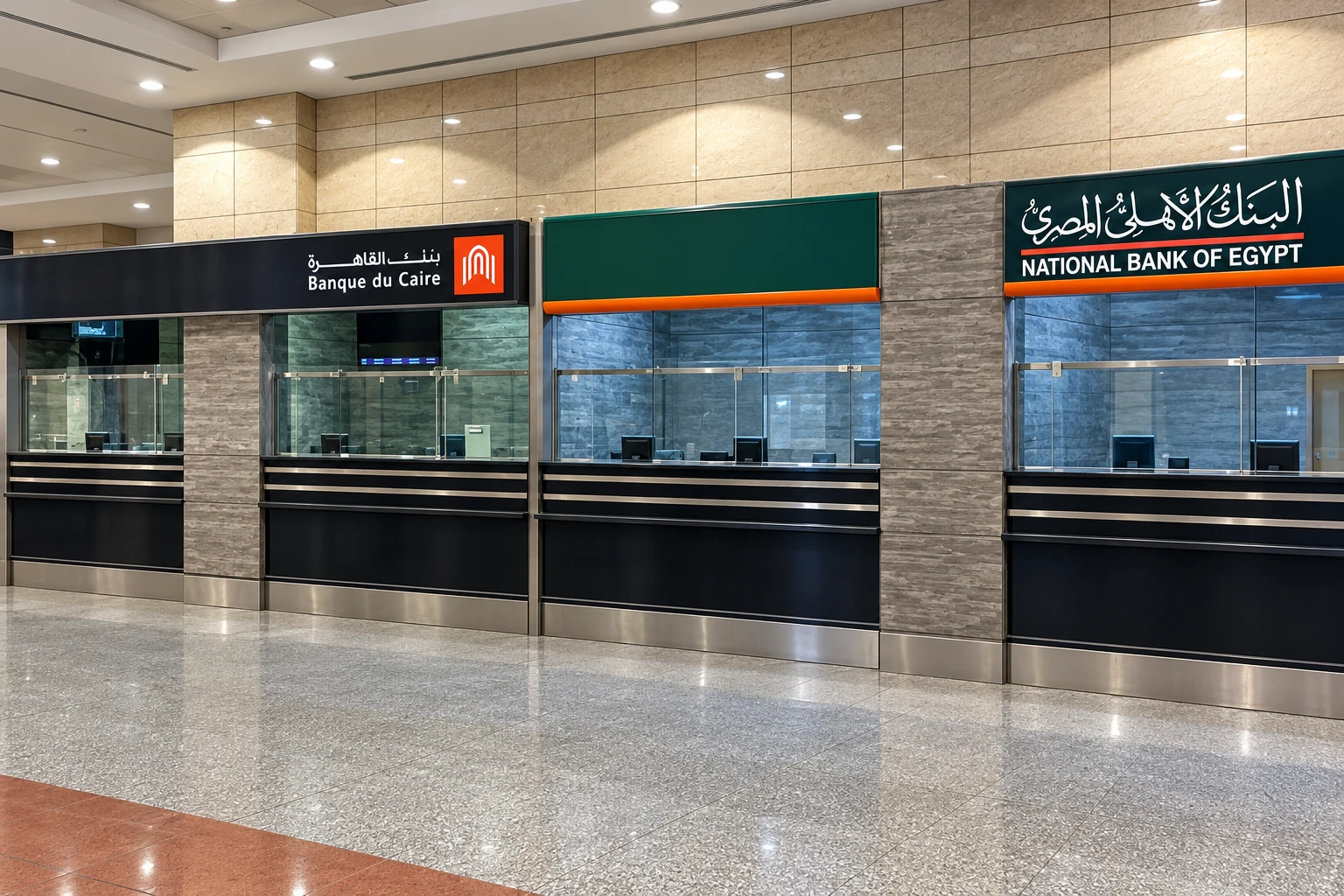
The State Department says U.S. citizens need a visa and that the 30-day tourist visa can be purchased on arrival for a fee paid in U.S. dollars. The current cash figure for the visa on arrival is $30, a rise from $25 that took effect March 1, 2026. Pay at the bank counter in the arrivals hall before passport control, and bring exact cash in U.S. dollars. The visa on arrival is not sold at land border crossings or at smaller airports, so plan to arrive at a major airport such as Cairo International.
The e-visa is the option that lets you skip the airport counter. The Egyptian government runs the application portal at visa2egypt.gov.eg. The fees are $30 for a single-entry e-visa and $65 for a multiple-entry e-visa. A single-entry e-visa must be used within 90 days of issue. A multiple-entry e-visa lasts 180 days from issue. Card payments may add a small service or bank charge, and your card issuer may add a foreign transaction fee. Some private websites sell help with the application for an extra fee. You pay the government fee yourself on the official portal, so compare the price shown on the portal before you pay anyone else.

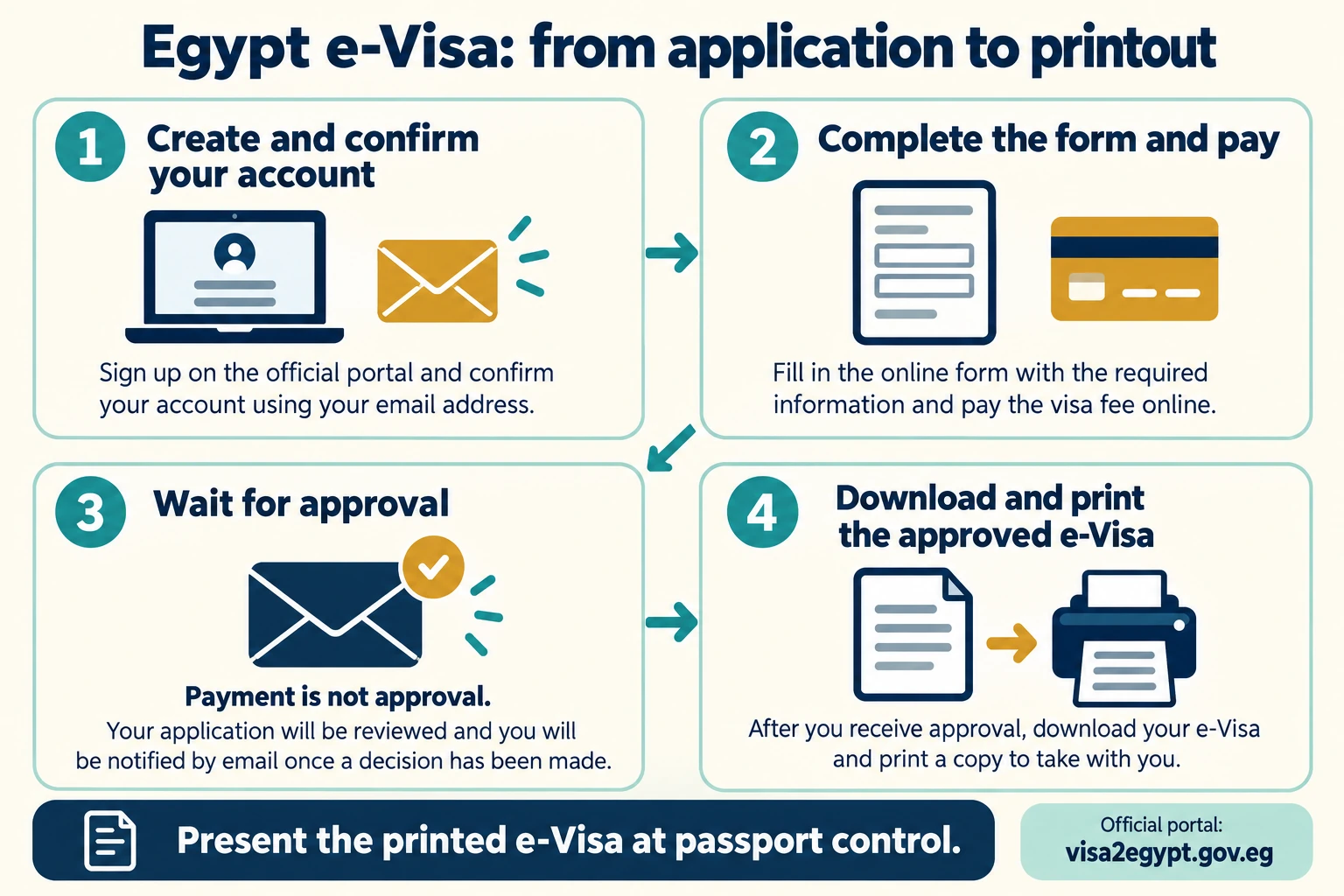
The official portal shows the same single-entry and multiple-entry fees. Confirm the current fee on visa2egypt.gov.eg before you pay, since a fee change would show there first.
Applying on Paper Through the Embassy
If you prefer to apply in advance on paper, the Embassy of Egypt in Washington accepts applications only from residents of Delaware, Florida, Georgia, Maryland, North Carolina, South Carolina, Virginia, Washington, D.C., and West Virginia. Residents of other states must apply through the consulate that covers their area. The Washington Embassy is at 3521 International Court, NW, Washington, DC 20008, and its consular phone number is 202.966.6342.
The Embassy lists $32 for a single-entry visa and $67 for a multiple-entry visa. It accepts cash with exact change or a cashier’s check from a U.S. bank. The multiple-entry fee requires a ticket that shows multiple entry. Trips in Egypt reports that processing takes at least 10 business days, so apply well before your trip. Bring these items:
- Two photos, 2 x 2 inches, on a white background, taken within the last six months
- A copy of your driver’s license, if you live in one of the states served
- A copy of your green card, if you hold one
- A round-trip ticket
Applicants may also need a confirmed itinerary and proof of lodging. Carry those papers with you whether or not the Embassy asks for them.
Stay Length and Extensions
A tourist visa, whether bought on arrival or as an e-visa, allows a stay of up to 30 days per entry. The count starts on the day you enter the country. If you want to stay longer, The 30-day visa can be extended at the Mogamma building in Cairo, the central government complex in Tahrir Square. Plan this step early in your trip, because the extension takes time and you must stay in Cairo to complete it.
Travelers who stay only in South Sinai resorts follow the same visa rule as everyone else. U.S. citizens need a visa to visit Sharm El Sheikh, Dahab, Nuweiba, and Taba resorts, and the 30-day tourist visa can be bought on arrival for a fee paid in U.S. dollars cash. The same requirement applies to trips to Cairo, Luxor, and other areas. Because the rule applies across Egypt, confirm current entry requirements with the Embassy of Egypt or the Egyptian consulate before you travel, and do not plan a Sinai-only trip that includes sightseeing elsewhere.
What Border Officers Ask
Expect questions about where they will stay, when they plan to leave, and their health documents. Have the address of your first hotel or the name of your host written down. Keep your return or onward ticket on your phone and on paper. Officers check that your passport and visa match and that the passport meets the six-month rule described above.
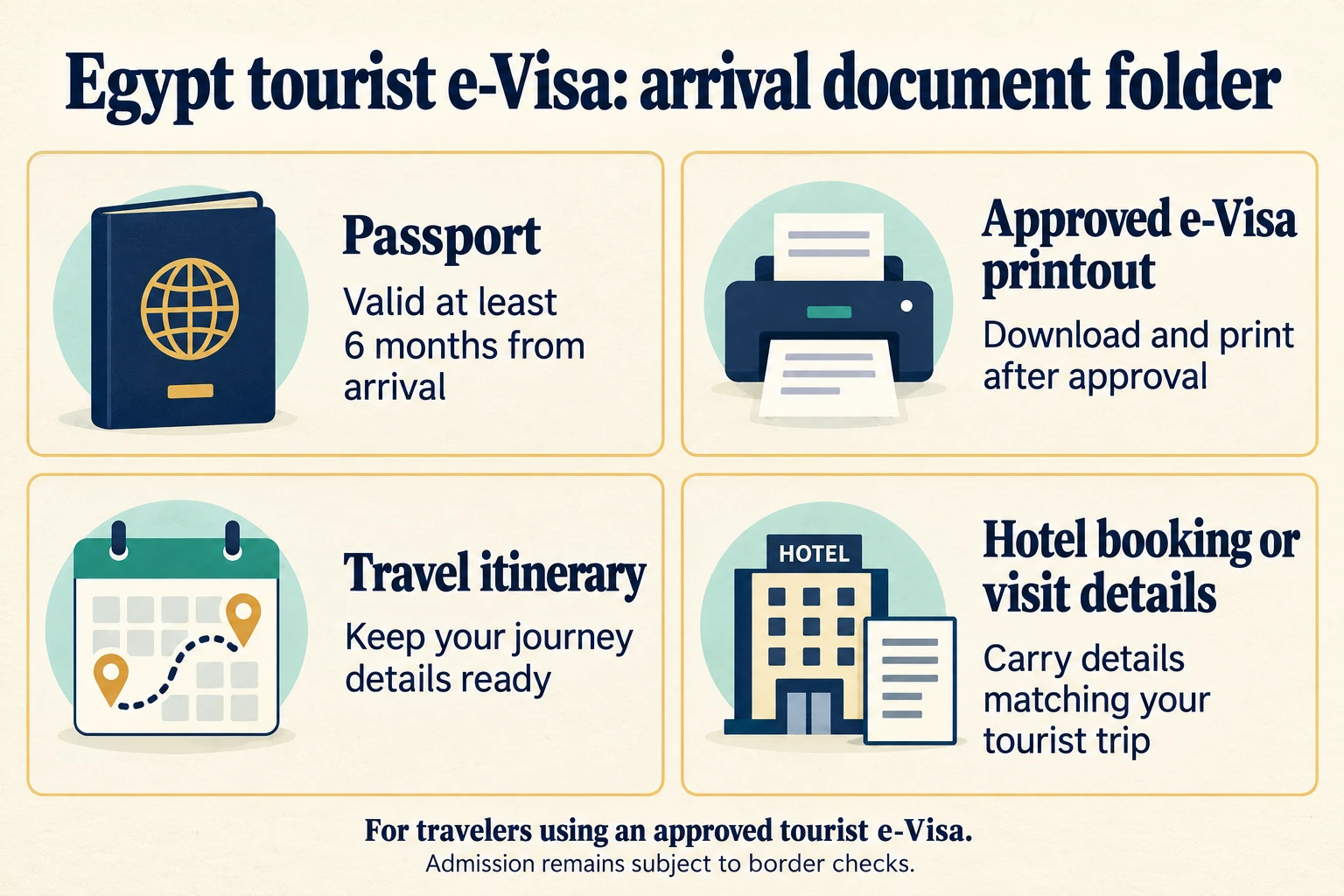
Answer questions about your purpose of travel directly. A tourist visa covers sightseeing, visiting friends, and short trips. Work or study requires a different visa.
Money and Customs Limits
The State Department advisory says the local currency is the Egyptian pound. You can get pounds from ATMs and exchange offices, and many stores accept U.S. dollars, although prices and change are easier to manage in pounds. The advisory also covers currency limits. Cash above $10,000 must be declared when you enter or leave Egypt, so carry a written record of the amount if you bring that much.
The Egyptian Customs Authority sets the personal allowances. New personal items and gifts up to 15,000 Egyptian pounds are exempt from duty. Duty and taxes apply only to the value above that limit. A 14 percent VAT applies to the excess value. Used clothing and personal belongings count as personal baggage and carry no duty. Gold for personal use is allowed if you declare it. Commercial quantities are treated as cargo.
The Egyptian Customs Authority’s traveler rules set these tobacco and alcohol allowances:
- One carton of cigarettes (200 cigarettes), or 25 cigars, or 200 grams of tobacco
- One liter of spirits
From January 21, 2026, mobile phones fall outside the personal exemption and face duty of up to about 38.5 percent of value. A personal laptop or tablet falls within personal baggage with 0 percent import tax. A phone you carry for your own use still counts as a personal item, so check the phone’s value before you arrive if you plan to bring several devices.
Bringing a drone into Egypt is illegal, whatever its size or purpose. Leave drones at home.
Vaccination Requirements
Egypt does not require vaccinations for most travelers. The State Department advisory says no vaccinations are required unless you arrive from a country with a yellow fever risk. If you travel from or through a yellow fever area, carry your yellow fever vaccination certificate, because officers may ask for it.
Passports Other Than U.S.
Passport rules differ by nationality, so travelers with other passports should check their own entries. Visitors need a passport valid for at least six months from arrival. Holders of T-series passports, which some countries issue to certain officials, are not eligible for visa exemption and must get a visa before entry. Holders of UN laissez-passer documents and Interpol passports may enter without a visa for up to 90 days.
Visa exemption varies by country. A list of visa-exempt nationalities includes Bahrain, Hong Kong, Kuwait, Libya, Macao, Malaysia, Oman, Saudi Arabia, South Korea, and the United Arab Emirates. Lebanon is also on the list, but only for entry at Sharm El Sheikh or Hurghada airports. The United States is not on that list. Citizens of Iran, Iraq, Kazakhstan, Kosovo, Mauritania, Somalia, Sri Lanka, Syria, and Yemen need advance approval from State Security. The restricted nationalities list explains the rules for each, so check it before booking if you hold one of these passports. If you live in a Gulf Cooperation Council country and hold a residence permit valid for at least six months, you can get a visa for a $25 fee with a 30-day stay (entry visa requirements). Indian nationals must apply online at least seven days before travel.
Key Takeaways
- Renew early: Your passport must be valid for at least six months from the day you enter Egypt and have at least one blank page.
- Choose between visa types: The e-visa costs $30 for single entry or $65 for multiple entry, and the visa on arrival costs $30 in cash U.S. dollars as of March 1, 2026.
- Plan the stay length: A tourist visa covers up to 30 days per entry, and extensions are handled at the Mogamma building in Cairo.
- Declare large cash amounts: Carry a written record of cash above $10,000 and declare it on entry or departure.
- Leave the drone at home: Bringing any drone into Egypt is illegal.
- Check fees before you pay: Confirm the current visa fee on the official e-visa portal or the Embassy page before you apply.