Getting Around Egypt

Egypt’s main travel routes follow three corridors: Cairo to Alexandria on the Mediterranean, the Nile Valley from Cairo through Luxor to Aswan, and the Red Sea coast around Hurghada and Sharm El Sheikh. Trains serve Cairo to Alexandria and the Nile Valley. Buses are the cheapest way to reach the Red Sea. Domestic flights cover long distances in about an hour. Ferries and rental cars suit narrower needs, depending on the route and how much independence you want.
Foreign visitors pay more than local travelers in two ways. Egyptian National Railways (ENR), the state rail operator, charges non-Egyptians higher fares than Egyptians. Cairo also has no single bus station, so check the departure point on every ticket. The sections below list journey times, prices and booking methods for each mode.
Which Mode Fits Which Trip
The table below matches the common routes to the mode that suits them. Prices come from the sections that follow, and each figure carries the date or condition stated there.
| Trip | Best fit | Journey time | Listed cost |
|---|---|---|---|
| Cairo–Alexandria | Train | 2.5–3.5 hours | 220 EGP first class, 170 EGP second class (domestic fare, from 1 July 2026) |
| Cairo–Luxor or Aswan | Domestic flight, or sleeper train for an overnight trip | Flight about 1 hour to Luxor, about 1h20 to Aswan; ordinary train 13–15 hours to Aswan | Flights from $50–100; Cairo–Aswan first class 490 EGP (domestic fare); sleeper cabin $80 |
| Luxor–Aswan | Train | 3–4 hours | See the train fare tables |
| Cairo–Hurghada or Sharm El Sheikh | Bus for price, flight for speed | Bus about 5.5–7 hours to Hurghada, about 7–8.5 hours to Sharm; flight about 1 hour | Bus about $7–16 to Hurghada; flights from $151 round trip to Sharm |
| Hurghada–Sharm El Sheikh | Ferry when sailing, otherwise road or flight via Cairo | About 2.5 hours by ferry | $40 one way |
| Aswan–Hurghada | Bus or minivan | Bus about 8–9 hours; minivan 5–7 hours | Bus from $17; private transfer from $31 |
| Exploring a region on your own | Rental car | Varies | 1,600–5,000 EGP per day in Cairo |
Trains
Routes and journey times
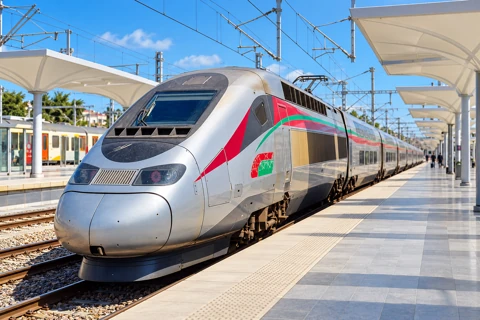
Trains work best on two lines. The Cairo–Alexandria run takes about 2.5–3.5 hours, with express trains leaving about every 30–60 minutes, so you rarely need to plan far ahead for a day trip. The Nile Valley line connects Cairo with Luxor and Aswan. Luxor–Aswan takes about 3–4 hours with several trains a day, which makes it a convenient hop between the two main temple destinations. An ordinary train from Cairo to Aswan takes about 13–15 hours, so most visitors who go that far by rail take an overnight service or fly.

Ramses Station is the main Cairo terminus. Bashteel station in Giza opened on 7 November 2024 and is also called the Upper Egypt station. Check which station your train leaves from before you leave your hotel.
Domestic fares
ENR raised fares on 1 July 2026 on first and second class air-conditioned trains, third-class "Tahya Misr" trains and third-class ventilated trains. Long-distance lines rose 12.5% and short lines rose 25%. Egypt’s rail fares have risen repeatedly, with earlier increases in July 2020, June 2023 and mid-2024, and a similar increase at the end of March 2026, so treat any printed price as short-lived.
The tables below show the Egyptian-passenger fares in Egyptian pounds (EGP), effective 1 July 2026. They show the scale of rail costs, but a foreign visitor pays the separate foreigner fare described in the next section.
From Cairo:
| Destination | First class | Second class |
|---|---|---|
| Aswan | 490 | 320 |
| Luxor | 410 | 290 |
| Qena | 390 | 260 |
| Sohag | 330 | 230 |
| Asyut | 290 | 210 |
| Minya | 230 | 170 |
| Beni Suef | 150 | 120 |
From Alexandria:
| Destination | First class | Second class |
|---|---|---|
| Cairo | 220 | 170 |
| Beni Suef | 350 | 260 |
| Minya | 390 | 290 |
| Asyut | 430 | 320 |
| Sohag | 490 | 340 |
| Qena | 520 | 380 |
| Luxor | 560 | 390 |
| Aswan | 630 | 430 |
Third-class air-conditioned fares are lower still. From Cairo, third-class AC fares are 250 EGP to Aswan, 230 EGP to Luxor, 160 EGP to Asyut and 90 EGP to Beni Suef. Alexandria–Cairo in third-class AC is 90 EGP.
Foreigner fares and how to book
Non-Egyptians pay higher "foreigner" fares that are priced in US dollars and paid in dollars or euros. This dual pricing has applied since December 2022. The foreigner fare for Cairo–Alexandria on the VIP Express is about $25–35. Because the dollar fares replace the pound fares in the tables above, budget for the dollar figure, not the EGP one.
ENR’s own website and mobile app are listed on the Cairo Governorate railway page as booking channels, alongside agent sales through electronic payment companies. As of 2026, though, online purchase through the ENR platform is for Egyptian nationals only, and booking with a foreign passport is still under development. Foreign travelers have two dependable options. One is to buy in person at the station. The other is to use an online ticket agent, which non-Egyptians can use to order tickets in advance. If you have a fixed itinerary, booking ahead is advisable. Confirm the fare and the booking route with the station before you rely on either.
For timetables, ENR’s website is the most authoritative reference, but schedules can shift at short notice, so confirm at the station. The ENR app or the "Egypt Trains" app can show the next week’s timetables.
Sleeper trains to Luxor and Aswan
The Cairo–Luxor–Aswan sleeper is run by Abela Trains, a private company that is separate from ENR. Tickets are sold on its website (Abelatrains.com) or at its station booking office. The company also runs Alexandria–Cairo–Luxor–Aswan with its own booking and pricing. A Cairo–Aswan sleeper cabin is listed at $80 in a 2026 update, and booking conditions for foreign travelers can vary by nationality and season, so confirm them with the operator when you book.
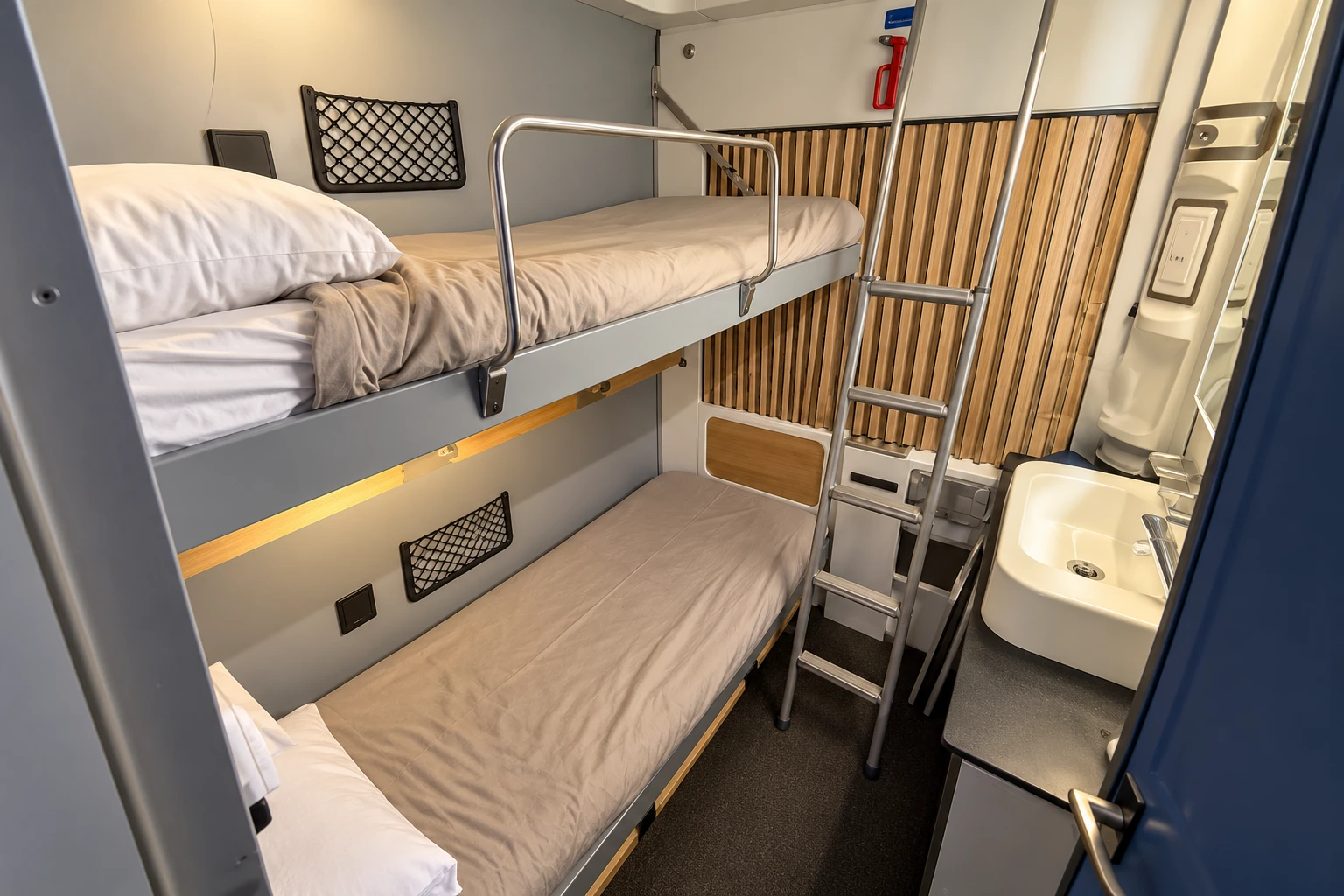
The sleeper suits travelers who want to cover the 13–15 hours between Cairo and Aswan overnight and save a hotel night. A flight covers the same distance in about 1h20, so the choice comes down to whether you prefer to travel in the dark or in daylight.
Intercity Buses
Where buses fit
Buses are the cheapest way to reach the Red Sea and a practical link between the Red Sea and the Nile Valley. Online tickets are sold through an online bus ticket marketplace for Cairo–Hurghada, Cairo–Sharm El Sheikh, Cairo–Alexandria, Cairo–Luxor and Cairo–Dahab.
Cairo has no single bus station. Operators use different terminals and offices, so you choose the exact departure station when booking, and you should check that stop before you pay. The same applies at the other end. El Gouna and Sahl Hasheesh are separate endpoints that the Hurghada stop does not serve, so check the destination before you book.
Journey times and fares
Typical durations are Cairo–Hurghada about 5.5–7 hours and Hurghada–Cairo about 6–7 hours. Cairo–Sharm El Sheikh takes about 7–8.5 hours, and Sharm–Cairo about 6–8 hours. Passport and security checks on the Cairo–Sharm route can change the actual arrival time, and the overnight arrival time for Luxor–Cairo is scheduled, not guaranteed.
Online fares for Cairo–Hurghada run about $7–16 (350–800 EGP), and Hurghada–Cairo about $7–17 (350–850 EGP), with higher classes costing more. Super Jet departures from Cairo to Sharm at 17:00 and 23:00 are listed at 140 EGP. Buses between Hurghada and Luxor on the Upper Egypt route are listed at 30 EGP for locals and 40 EGP for tourists, with departures from 10:00 to 03:00.

Between the Red Sea and the Nile, Aswan–Hurghada by bus takes about 8–9 hours and starts at $17. A minivan takes 5–7 hours, and private transfers start at $31. Hurghada–Luxor takes about 2h40 from €9, and Hurghada–Sharm by road takes about 6h15 from €32. Daily buses run to Cairo from Nuweiba, Taba, Sharm and Hurghada.
Schedules, fares and availability change, so check the ticket for your travel date.
Domestic Flights
Routes and times
Flying is fastest for long distances, and most domestic flights take about one hour gate to gate. Cairo–Luxor, Cairo–Sharm El Sheikh and Cairo–Hurghada take about 1 hour each. Cairo–Aswan takes about 1h20. Aswan–Abu Simbel takes about 45 minutes and is flown by EgyptAir only. EgyptAir has the heaviest schedule on Cairo, Aswan, Luxor, Sharm and Hurghada, while Air Cairo and Nile Air add options on the main Cairo routes. Air Cairo flies A320s to Hurghada and Sharm El Sheikh, and is about 60% owned by EgyptAir.
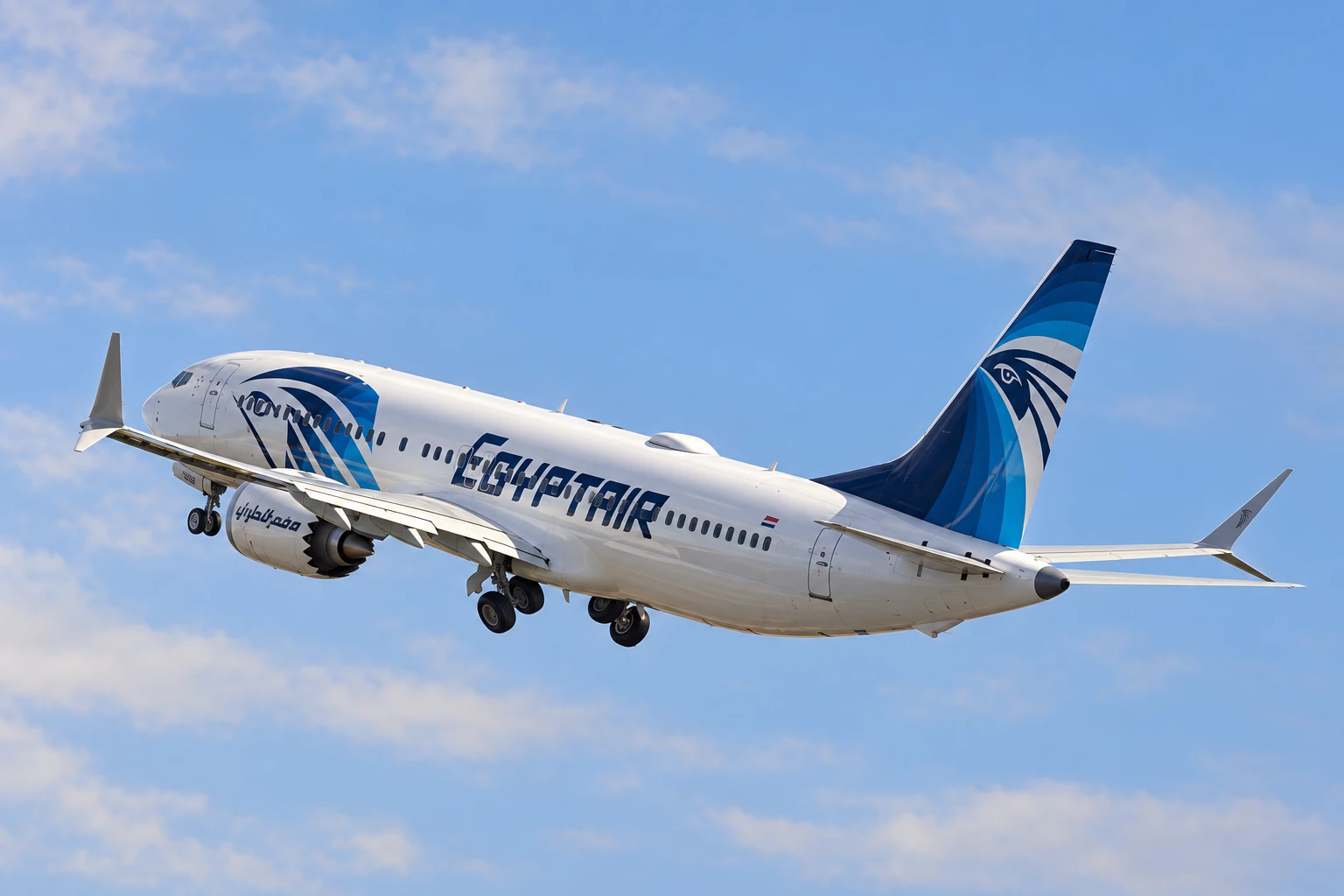
Frequency is highest on the busiest routes. Cairo–Luxor with 8–10 daily flights, Cairo–Hurghada with more than 10 daily, and Cairo–Aswan with 4–5 daily, so Aswan needs a little more planning than Luxor.
Fares and booking
Fare bands are about $50–100 for most Cairo routes, $100–150 for Aswan–Abu Simbel and $30–70 for Luxor–Hurghada on EgyptAir. Cairo–Sharm El Sheikh is listed as the cheapest EgyptAir domestic route at $151 round trip, nonstop. Book at least a week ahead for the best domestic rates, and check last-minute deals if your plans are flexible.
Baggage allowances
Baggage rules are tighter on domestic legs than on international ones, which catches travelers who arrive with two checked bags. On EgyptAir domestic economy, the allowance is one checked bag of 23 kg, up to 158 cm in total dimensions. Business and First allow one bag of 32 kg. Economy cabin baggage is one bag up to 8 kg and 118 cm, plus a personal item. International economy allows two checked bags of 23 kg.
If you connect from an international flight onto a separate domestic ticket, the one-bag domestic rule applies to that leg. Booking both legs on one ticket usually keeps the international allowance, so confirm this at booking.
An extra domestic bag from Cairo costs $30 at the airport or $30 online or by call center. Overweight bags of 24–32 kg cost about 50% of the standard extra-bag fee. Bags over 32 kg are refused as regular luggage. You can add bags through "My Booking," the call center, WhatsApp or the airport counter. Online and call-center rates are usually lower and apply up to 24 hours before departure. If you plan to pay at the airport, arrive at least 90 minutes before normal check-in.
On Air Cairo, the domestic allowance is one checked bag of 23 kg and one 7 kg carry-on. Extra weight costs $1 per kg prepaid online or $1.5 per kg at the airport, and an oversize bag costs a flat $20.
Ferries
Hurghada to Sharm El Sheikh
This crossing saves a long drive around the Gulf of Suez, but its sailings are irregular, so build a backup into your plan. Tuesday and Thursday sailings leave Hurghada at 08:00 and Sharm at 18:00, a crossing of about 2.5 hours over 56 nautical miles. Adult fares are $40 one way and $70 round trip, and Egyptian residents pay 350 EGP one way and 630 EGP round trip. Other timetables show two or three sailings a week of about two hours for foot passengers, and a High Jet catamaran covering about 50 nautical miles in just over two hours. Some timetables recommend a flight via Cairo, a private transfer or a road route instead. Confirm the sailing with the operator before you plan around it, and keep a bus or flight alternative ready.
Nuweiba to Aqaba
The Nuweiba–Aqaba route connects Sinai with Jordan. The crossing takes about 2–3 hours plus port procedures. Fares run about €60–80 depending on class. Aqaba to Nuweiba takes 2.5–3+ hours, excluding immigration. Leave time for border formalities on both sides.

Nile crossings and Sudan
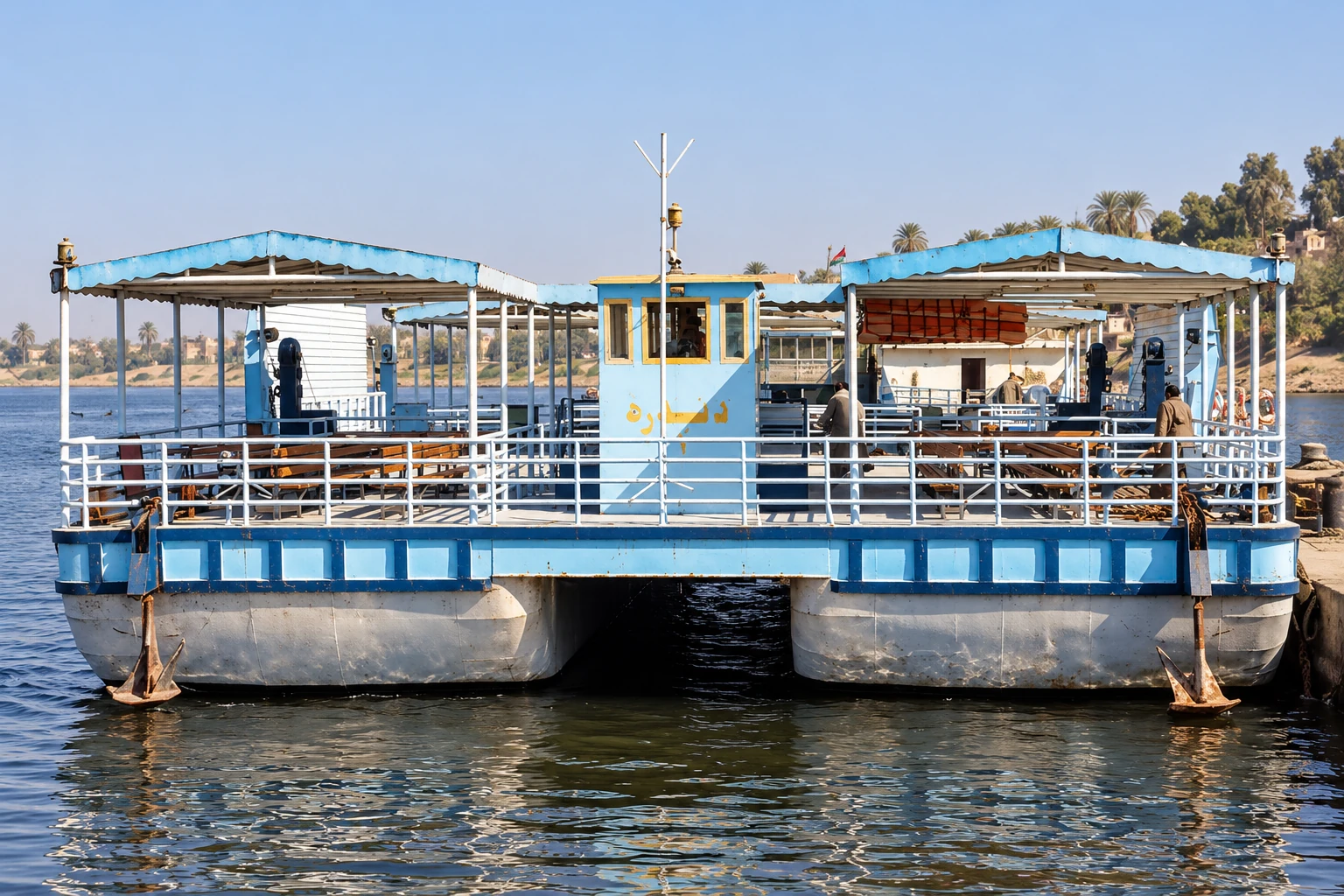
Local Nile ferries, such as the crossings at Luxor’s West Bank and at Aswan, are short hops, and schedules vary by city and water level. Aswan–Wadi Halfa in Sudan is a specialist overland route for experienced overlanders, and its status should be checked locally.
Renting a Car in Egypt
Who can rent
Most companies require drivers to be at least 21 and to hold a valid license from their home country. Some accept drivers aged 18–20 with a young-driver surcharge of up to 30% of the rental cost. Some firms require 25 or older for premium and luxury classes, and some require 30 for large SUVs or luxury vehicles.
International Driving Permit
An International Driving Permit (IDP) is a translation of your home license into several languages. It does not replace the license, so carry your original license with it. An IDP is especially useful if your license is not in English or Arabic, if a rental company asks for translated documents, or if authorities need extra verification. Some rental companies require one, so check with the company before you travel. Carrying an IDP removes the question at the rental counter and at any roadside check.
Payment, deposit and cost
Most companies require a credit card to cover rental fees and extra charges. A card hold of about EGP 8,000–15,000 in the lead driver’s name, so use a card with enough available limit. Some local companies list other payment methods, so ask before you book if you do not carry a credit card.
In Cairo, rentals are listed at about EGP 1,600–5,000 per day, EGP 1,300–4,000 per week and EGP 1,000–3,000 per month, with airport pickup available. International brands with Egyptian locations include Hertz, Avis, Europcar, Budget, Sixt and Thrifty.
Insurance and rules of the road
Collision Damage Waiver (CDW) is typically offered, but it usually excludes damage to third-party vehicles or property, so buy extra cover. Egypt drives on the right. Listed speed limits are 60 km/h in urban areas, 90 km/h on rural roads and motorways, and 100 km/h on the Cairo–Alexandria Desert Highway. Drink-driving carries heavy fines and possible imprisonment. Tourist police may check your passport and entry visa when you travel between governorates, so keep both within reach.
A rental car pays off when you want to reach places outside train and bus corridors or travel on your own schedule. For single-city sightseeing or the Nile Valley’s main stops, trains and flights avoid the cost and the driving.
Key Takeaways
- Match the mode to the corridor: take the train for Cairo–Alexandria (2.5–3.5 hours) and Luxor–Aswan (3–4 hours). Take a bus to the Red Sea. For the Cairo–Aswan stretch, fly or take a sleeper train.
- Budget for foreigner rail fares: non-Egyptians pay dollar-priced fares that exceed the EGP fares listed from 1 July 2026. Online ENR booking is for Egyptian nationals, so buy at the station or through an online ticket agent.
- Confirm the Cairo bus stop before paying: Cairo has no single bus station, and El Gouna and Sahl Hasheesh are not served by the Hurghada stop.
- Pack for the domestic baggage limit: EgyptAir economy domestic allows one 23 kg checked bag and an 8 kg cabin bag, and an extra bag costs $30.
- Treat the Hurghada–Sharm ferry as optional: confirm the sailing with the operator and keep a bus or flight backup.
- Carry an IDP and a credit card for car rental: renters generally need to be 21, hold a home license, and face a card hold of about EGP 8,000–15,000.