Best Time to Visit Malaysia

Malaysia has no single best month because two monsoons (seasonal wind shifts that bring long spells of rain) hit different coasts at different times. The east coast of Peninsular Malaysia is driest in June and July. The northwest, including Penang and Langkawi, is driest in January and February. The east coast is worst from November through January. Sabah and Sarawak on Borneo follow their own calendar, with major harvest festivals in late May and early June.
Weather is only half the decision. School breaks and public holidays send domestic travelers onto roads, trains, and beaches in predictable windows, and several of those windows overlap with the best weather on the east coast. Plan by month and region, then check holiday crowds, park fees, and how your dates fit the type of trip you want. All holiday and school dates are for 2026.
How the Monsoons Bring Rain
Rainfall in Malaysia comes from seasonal wind flows combined with local terrain, according to METMalaysia, the national meteorological department. Areas sheltered by mountain ranges or lying inland get much less of the northeast monsoon than exposed coasts. During that monsoon, the east coast of Peninsular Malaysia, western Sarawak and the northeast coast of Sabah get heavy rain spells.
On the east coast states, METMalaysia gives November, December and January as the months of maximum rainfall and June and July as the driest months in most districts. The rest of the Peninsula, excluding the southwest coast, has two wet peaks and two dry periods. The primary rainfall maximum is generally October to November and the secondary maximum is generally April to May. In the northwest, the primary minimum is January to February and the secondary minimum is June to July. Elsewhere on the Peninsula the primary minimum is June to July, with a secondary minimum in February. The southwest coast behaves differently: early-morning squalls called "Sumatras" strongly affect rainfall there from May to August, and the double-peak pattern is less clear.
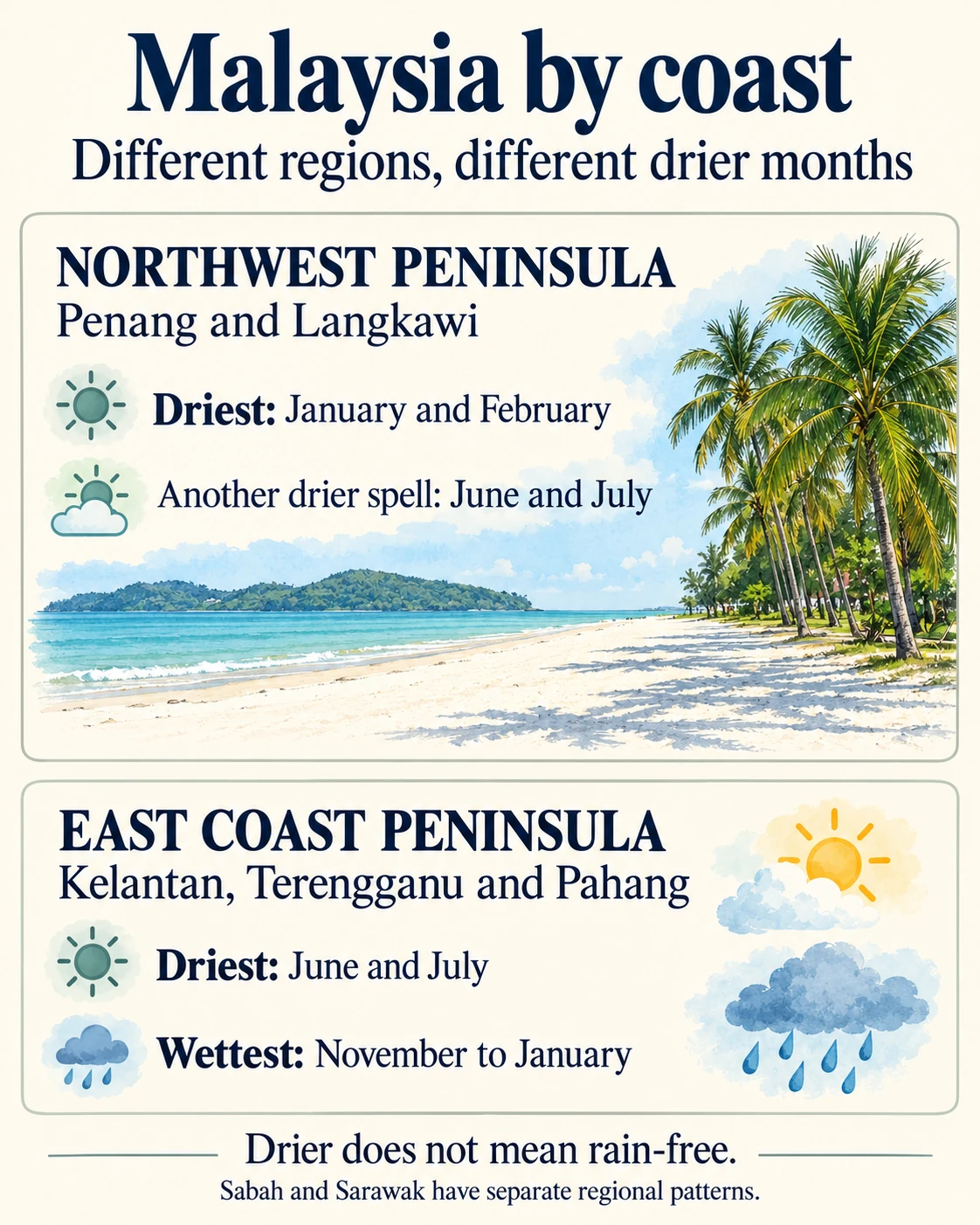
The northeast monsoon runs roughly November to March and the southwest monsoon from late May to September. Start and end dates shift from year to year, so treat these ranges as approximate.
Rainfall is heavy across the country, with a climate reference putting typical totals at 2,000 to 2,500 mm per year. Mountain slopes in Sarawak and on the east coast exceed 5,000 mm. Dry months still bring rain, but less often and in shorter spells.
Month-by-Month Weather and Holidays
January and February
January is the peak of the northeast monsoon on the east coast, so Kelantan, Terengganu and Pahang are at their wettest. The northwest is in its primary dry period from January to February, which makes Penang and Langkawi the strongest choices. METMalaysia also lists February as the month of minimum rainfall, and the rest of the Peninsula has a secondary dry spell then.
The 2026 school session begins on 11 January for Group A states (Kedah, Kelantan and Terengganu) and 12 January for Group B, which is every other state and federal territory. Once the year-end break ends, school-holiday travel drops until Chinese New Year. State holidays include Negeri Sembilan’s ruler’s birthday on 14 January and Israk and Mikraj on 17 January in Kedah, Negeri Sembilan, Perlis and Terengganu. Thaipusam falls on 1 February in selected states, and Federal Territory Day is also 1 February in Kuala Lumpur, Labuan and Putrajaya.
Chinese New Year is 17–18 February, nationwide. Intercity travel rises and some businesses shorten their hours around it. Schools add extra days on 15, 16 and 19 February (Group A) or 16, 19 and 20 February (Group B), so the effective travel window is 15–20 February.
March and April
March still sits inside the northeast monsoon period, so the east coast stays unsettled. The main event is Hari Raya Aidilfitri, the holiday that ends Ramadan, on 21–22 March. The Prime Minister declared an additional holiday on Friday, 20 March, and a replacement holiday falls on Monday, 23 March, which produces a four-day break around the holiday. The Term 1 school break runs 20–28 March for Group A and 21–29 March for Group B, with extra school days on 19 March (Group A) and 19–20 March (Group B). The result is one of the busiest domestic travel stretches of the year, from 19 to 29 March.
April has no public holidays in the 2026 calendar. On most of the Peninsula it falls into the secondary rainfall maximum of April to May, and the pattern is a shoulder month with afternoon downpours. Travelers who want to avoid holiday crowds and are happy to carry a rain jacket will find April quieter than March.
May and June
May is the start of the southwest monsoon and the Sumatras on the southwest coast. The west coast gets more rain from May to October, but it mostly arrives as brief showers.
The calendar is crowded. Labour Day is 1 May. Hari Raya Haji is 27 May, and the exact day depends on moon sighting. Pesta Kaamatan, the Kadazan-Dusun harvest festival, is 30–31 May in Sabah and Labuan. Wesak Day is 31 May. The Birthday of the Agong (the king) and Hari Gawai Dayak, the Dayak harvest festival, are both 1 June, with Gawai running 1–2 June in Sarawak. The mid-year school break runs 22 May to 6 June for Group A and 23 May to 7 June for Group B, so all of these holidays land inside one long school holiday.
The east coast begins its driest stretch in June, and it is the first month to consider for Terengganu, Kelantan or Pahang. Because the school break lasts until 6 or 7 June, a trip starting in the second week of June gets the dry weather without the peak holiday demand. Awal Muharram, the Islamic new year, is on 17 June.
July and August
July is the other driest month on the east coast, and the rest of the Peninsula is also in its primary minimum from June to July. It has no school break and no national holiday. State holidays are Georgetown World Heritage City Day on 7 July in Penang and the Sultan of Pahang’s birthday on 31 July in Pahang. That combination of good east coast weather and low domestic demand makes July the cleanest single month for the east coast.
August continues the southwest monsoon, with early-morning Sumatras on the southwest coast through the month. The east coast remains in its drier period. Maulidur Rasul is 25 August and National Day (Merdeka) is 31 August. The Term 2 school break runs 28 August to 5 September for Group A and 29 August to 6 September for Group B, so the last days of August bring National Day crowds and school-holiday travel together. Early and mid-August avoids both.
September and October
September and October are Langkawi’s wettest months. They are also a transition into the Peninsula’s primary rainfall maximum, which runs October to November. Malaysia Day is 16 September. No public holidays or school breaks fall in October, so demand is lower and prices are cheaper, but the weather is wetter. These months suit cities, food and museums in Kuala Lumpur, Penang’s Georgetown and Malacca better than beach trips on the northwest islands.
November and December
November opens the east coast’s maximum rainfall period, with heavy spells also reaching western Sarawak and the northeast coast of Sabah. Kuala Lumpur has its wettest single month in November. Deepavali, the Hindu festival of lights, is on 8 November (not observed in Sarawak), and a replacement holiday on 9 November applies nationally except in Kedah, Kelantan, Sarawak and Terengganu. Schools add one day: 9 November for Group A and Sarawak, 10 November for Group B outside Sarawak.
December keeps the east coast at its rainfall maximum. The year-end school break runs 4–31 December for Group A and 5–31 December for Group B, overlapping Christmas Eve on 24 December (Sabah only) and Christmas Day on 25 December (nationwide). Selangor’s sultan has his birthday on 11 December. For a December trip, base yourself in west coast cities or inland rather than on the east coast.
Best Months for Each Region
East Coast
Kelantan, Terengganu and Pahang have the most pronounced seasons in the country. Rainfall peaks from November to January, and some locations receive more than 3,000 mm in monsoon months. Flooding is common during the monsoon. The best window is June and July, with August also in the drier period. Book the east coast between mid-June and mid-August and skip it from November through January. The shoulder months between those windows carry more risk of rain than the dry core.
West Coast and Penang
Kuala Lumpur and the west coast are sheltered from the northeast monsoon by the Titiwangsa range. Kuala Lumpur’s wettest month is November, with up to 360 mm, and the transition periods of April to May and October to November bring brief afternoon thunderstorms anywhere in the country. May to October adds more rain on the west coast, usually as short showers instead of all-day rain.

Penang is in the northwest, where the primary dry period is January to February and a secondary dry spell falls in June to July. Those are the best months to schedule Georgetown’s street walking and hawker food. Penang’s city-day holiday on 7 July sits inside the secondary dry spell, and Chinese New Year in mid-February sits inside the primary one, so both bring extra crowds in the best weather.
Langkawi
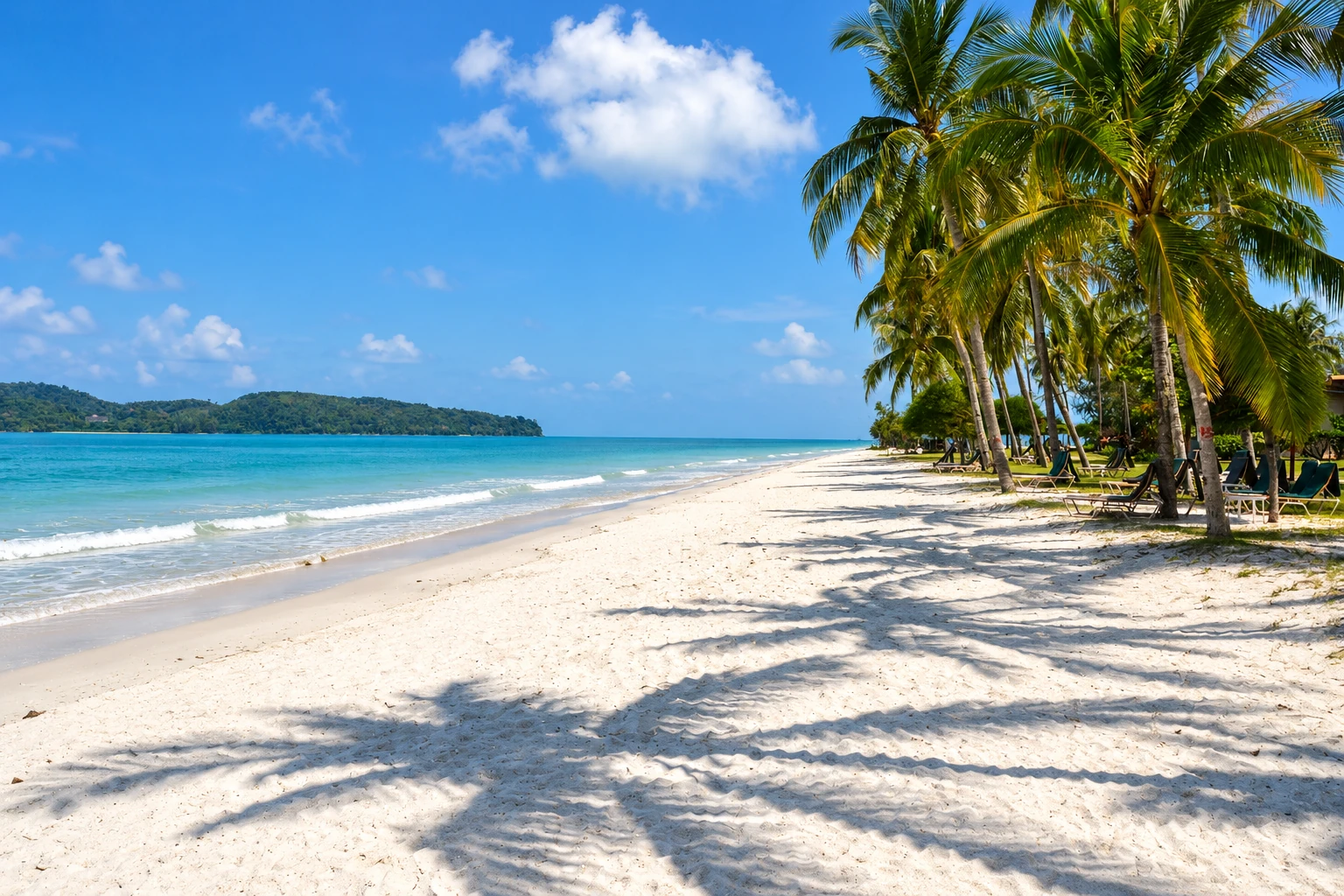
Langkawi’s wettest months are September and October. Totals can exceed 300 mm per month, and the rain tends to arrive in concentrated bursts of two to three hours. Beach trips belong in January and February, the northwest’s primary dry period, and June to July is the secondary option. Avoid September and October if the beach is the point of the trip.
Southwest Coast
On the southwest coast of the Peninsula, early-morning Sumatras from May to August strongly affect rainfall. Plan activities for later in the day during those months, since the squalls hit before most travelers are out. The usual double-peak pattern is less clear here than elsewhere, so a flexible daily schedule matters more than picking an exact month.
Sabah
The northeast coast of Sabah gets heavy rain during the northeast monsoon, which runs roughly November to March. Travelers heading to the northeast coast should schedule trips outside those months. Sabah’s calendar highlight is Pesta Kaamatan on 30–31 May, observed in Sabah and Labuan, which falls inside the mid-year school break. Christmas Eve on 24 December is also a Sabah public holiday.
Sarawak
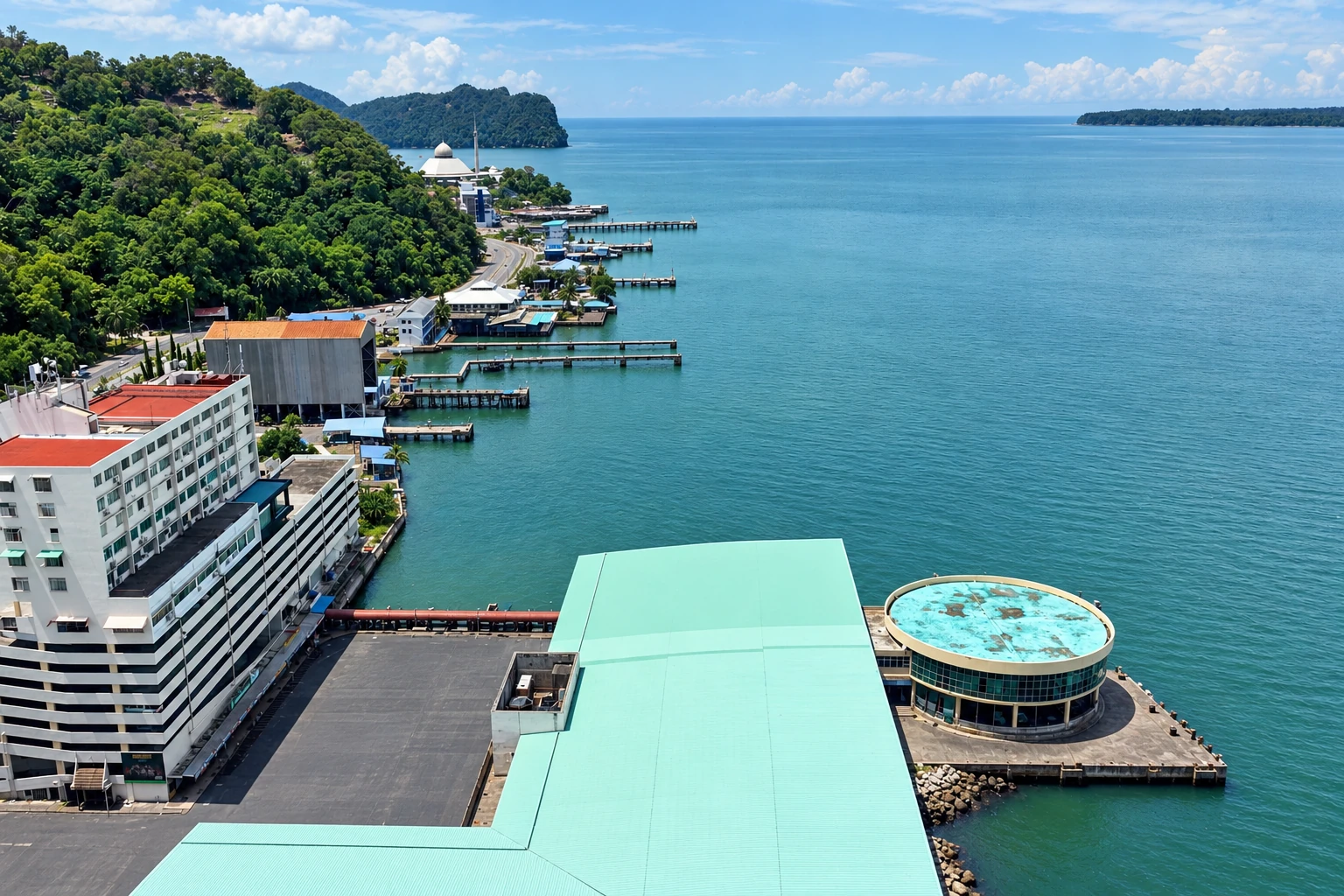
Western Sarawak gets heavy rain during the northeast monsoon, so the period from November onward is the wet season to plan around. Hari Gawai Dayak on 1–2 June is the main festival, and it overlaps the end of the mid-year school break. Sarawak does not observe Deepavali. Sarawak is also a Group B state for school breaks, with its own extra day on 9 November.

School Breaks and Holiday Crowds
The Ministry of Education’s 2026 academic calendar circular, dated 29 October 2025, sets the breaks for government and government-aided schools. Group A is Kedah, Kelantan and Terengganu. Group B is all other states and federal territories, including Johor. The circular also states that the extra holidays need not be made up.
| Window | 2026 dates | What overlaps |
|---|---|---|
| Chinese New Year | 15–20 Feb | Extra school days; shortened business hours |
| Hari Raya Aidilfitri and Term 1 break | 19–29 Mar | Four-day public break |
| Mid-year break | 22/23 May to 6/7 Jun | Hari Raya Haji, Kaamatan, Wesak, Gawai, Agong’s birthday |
| Term 2 break | 28/29 Aug to 5/6 Sep | National Day |
| Year-end break | 4/5 to 31 Dec | Christmas |
The first date in each pair applies to Group A and the second to Group B. Domestic travel concentrates in these periods, so book accommodation and intercity transport earlier and expect busier attractions. Hari Raya Aidilfitri and Hari Raya Haji depend on moon sighting, so their dates can shift by a day. Before booking nonrefundable travel, check every holiday date against the official federal and state gazette notices. The Global Holidays Calendar tracks the additional and replacement days.
Park Fees and Closures
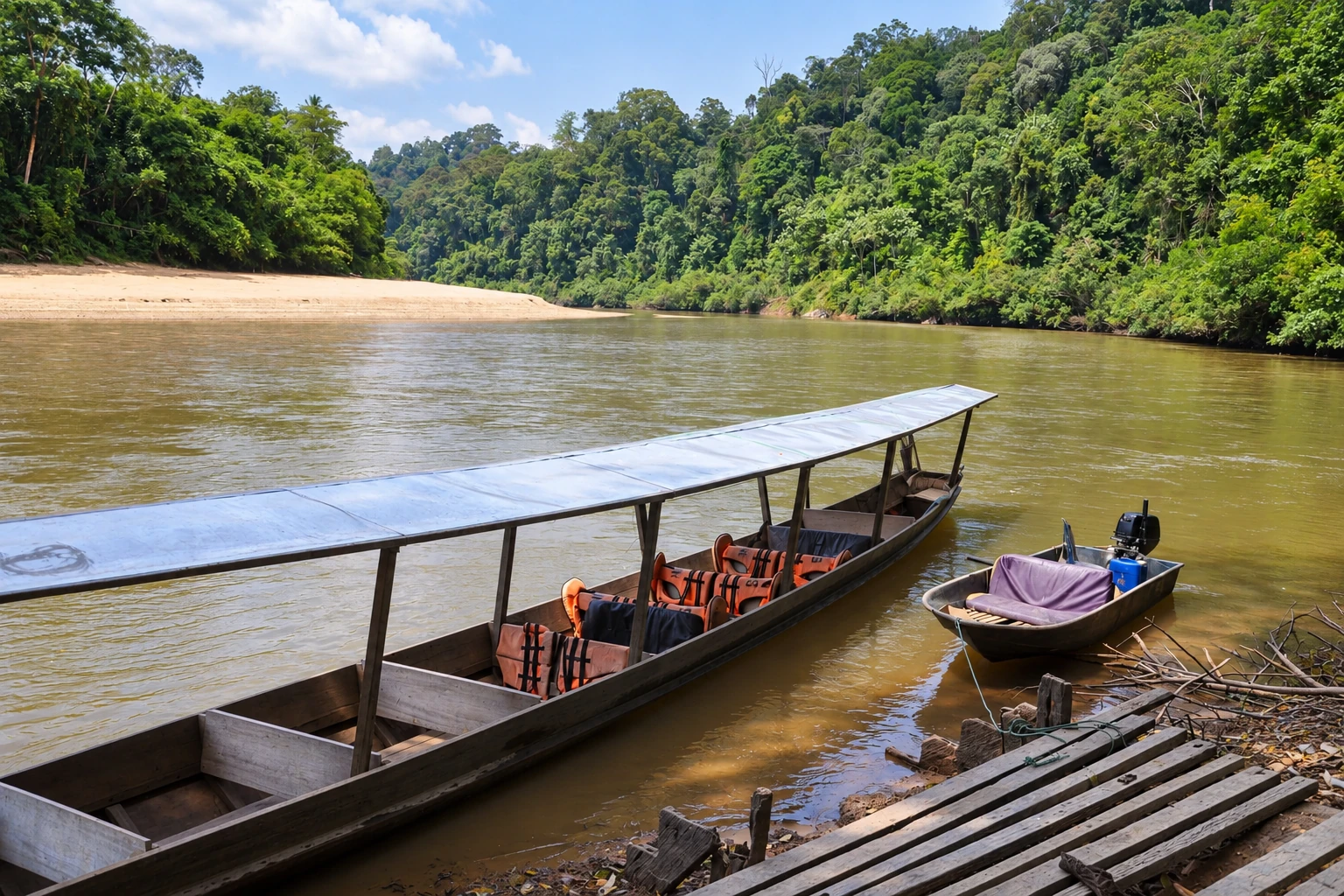
Taman Negara, the national park in Pahang, requires every visitor to obtain an entry permit at RM1.00 per person, according to PERHILITAN, the wildlife and national parks department that manages it. Accommodation and services inside and around the park are run by local communities and private operators such as Mutiara Taman Negara Resort. KTM Intercity and Express trains stop at Jerantut, and local tour operators arrange transport from Kuala Lumpur to the park entrance at Kuala Tahan. Check the PERHILITAN page for the current permit fee before you go.
State forest recreation parks publish their own rates on the Forestry Department page. Perlis charges RM5 per person at Wang Gunung and Bukit Pelarit. In Kedah, Jeti Pengkalan Gubir costs RM5 for citizens and RM50 for non-citizens, while Bukit Fakir Terbang, HS Gunung Jerai and HS Gunung Bintang cost RM5 for citizens and RM10 for non-citizens. Foreign visitors should budget for the non-citizen rate.
Forests can be inaccessible during windy or monsoon seasons for safety reasons, and forestry officers notify hikers of trail closures after maintenance or landslides. Because Pahang is an east coast state, a Taman Negara trip between November and January carries a higher chance of weather disruption than one in June or July.
Choosing Your Dates
For east coast beaches and islands, pick late June through mid-August. That avoids the monsoon and, after the mid-year break ends on 6 or 7 June, most of the school-holiday crowds. Stay clear of the last days of August.

For Penang and Langkawi beaches, aim for January and February, and avoid Chinese New Year week (15–20 February) if you want lighter crowds. June and July give a secondary dry window.
For Kuala Lumpur, Malacca and food-focused city trips, rain falls throughout the year in short bursts, so month matters less than holidays. Avoid the Hari Raya, Chinese New Year and year-end windows if you prefer lighter crowds, and expect the wettest conditions in November.
For festivals on Borneo, go to Sabah for Pesta Kaamatan on 30–31 May or Sarawak for Hari Gawai Dayak on 1–2 June. Both fall inside the mid-year school break, so reserve flights and rooms early. For wildlife and rainforest trips in Taman Negara, the drier months and the permit-and-closure checks above matter most.
Key Takeaways
- Match the coast to the month: the east coast is best in June and July, the northwest is best in January and February, and the east coast is worst from November to January.
- Avoid peak domestic travel: the busiest windows are Chinese New Year (15–20 February); Hari Raya Aidilfitri and the Term 1 break (19–29 March); the mid-year break (22/23 May to 6/7 June); the Term 2 break (28/29 August to 5/6 September); and the year-end break (from 4/5 December).
- Skip Langkawi beaches in September and October: these are its wettest months, with downpours that can exceed 300 mm per month.
- Time Borneo trips to the festivals: Pesta Kaamatan (30–31 May, Sabah and Labuan) and Hari Gawai Dayak (1–2 June, Sarawak) both fall in the mid-year school break, and the northeast monsoon brings heavy rain to northeast Sabah and western Sarawak.
- Verify moving dates and fees: Hari Raya Aidilfitri and Hari Raya Haji depend on moon sighting, and park fees such as the RM1.00 Taman Negara permit are set by the managing authority.