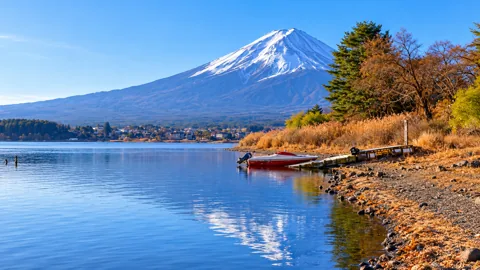
Best Time to Visit South Korea
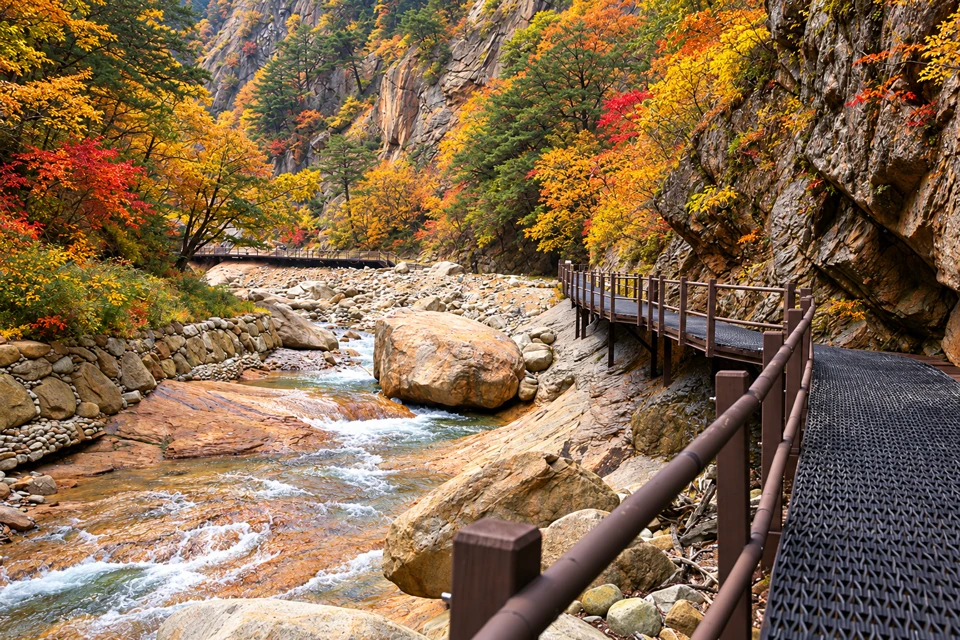
For most travelers, spring (late March to May) and autumn (late September to early November) are the best times to visit South Korea. Temperatures are mild in both seasons, and the two headline sights, cherry blossoms and fall foliage, peak in these windows. Seoul’s tourism organization describes spring and autumn as the densest festival seasons. The trade-off is the biggest crowds and the highest hotel prices.
Winter, from late November to early March, is the cheapest and quietest period. It suits skiing, ice festivals and city sightseeing, if you can handle temperatures below freezing. Summer, from June to August, brings heat, humidity and the monsoon season (called jangma in Korean), but it also has beach and water festivals. The sections below cover weather, crowds, prices and events month by month, then region by region, so you can match dates to what you want from the trip.
Weather Across the Year
The Korea Meteorological Administration (KMA) publishes 1991 to 2020 climate normals for its stations. For Seoul they show an annual average temperature of 12.8°C, an average high of 17.4°C and an average low of 8.9°C. Average humidity is 61.8%, and annual precipitation is 1,417.9 mm. Those yearly averages hide a wide seasonal swing. Seoul’s winters run from about ?6°C to 5°C, and its autumn is mild with the clearest air of the year. Summer days run from 21°C to 30°C with high humidity, and the hottest days reach up to 35°C (95°F).
Rain is concentrated in summer. About two-thirds of annual rainfall falls then, and Seoul’s July normal precipitation is 414.4 mm. The monsoon reaches Seoul around June 25 and runs to late July, and it arrives a few days earlier on Jeju.
Recent years have run warmer than the normals. KMA reported that 2024’s national average temperature was 14.5°C, 2.0°C above the 1991 to 2020 normal of 12.5°C and the highest since 1973. September 2024 averaged 24.7°C against a normal of 20.5°C. Early September therefore feels like late summer. The monsoon also varies from year to year. In 2024, summer precipitation nationally was 602.7 mm against a normal of 727.3 mm, yet 78.8% of it fell during the monsoon, the highest share since 1973. Rain was less total but more concentrated.
Yellow dust, fine dust blown in from the continent, affects March and April. The tail end of typhoon season runs through August and September.
Month-by-Month Overview
The table gives the pattern at a glance. Crowd labels for April, May, July, August, October and January come from a monthly crowd index. The notes after the table cover each season in more detail.
| Month | Seoul weather | Crowds and prices | Main draws |
|---|---|---|---|
| January | Coldest month, ?6 to 2°C | Low crowds, lowest prices | Ski resorts, ice and trout festivals |
| February | ?4 to 5°C | Low to moderate, rises around Seollal | Snow festivals, palace programs |
| March | Cold to mild, yellow dust | Rising, still cheaper early in the month | Plum and early cherry blossoms in the south |
| April | Warm days around 18°C | Peak crowds, highest prices | Cherry blossoms |
| May | Mild with sunny days | High crowds, moderate prices | Hiking, tea festival, Buddha’s Birthday |
| June | 18 to 27°C, monsoon from about June 25 | Eases at popular sites, moderate prices | Pre-monsoon sightseeing, lotus festivals |
| July | Peak heat and humidity, heavy rain | Low index, but peak rates at some resorts | Boryeong Mud Festival, water events |
| August | Very hot and sunny, typhoon tail | High crowds and prices | Beaches, summer music festivals |
| September | Mild and drying, early typhoon tail | Moderate, autumn peak begins late month | Chuseok, mask dance festival |
| October | Comfortable, about 18°C | Highest crowds, high prices | Foliage, Busan film festival |
| November | Autumn colors peak, cooling fast | Lower than October, cheaper late in month | Lantern and kimchi festivals |
| December | Cold and dry | Low to moderate, holiday spikes | Winter lights, Christmas markets |
Spring From March to May
March is a transition month with cold mornings, yellow dust and rising visitor numbers. The Ministry of Culture, Sports and Tourism (MCST) called March 2024 a peak season for travel to Korea, citing warmer weather, cherry blossoms and spring breaks in Japan, the Americas and Europe. Prices stay lower early in the month. The Travellocal guide recommends early March for fewer crowds and lower prices. The south blooms first. In 2025, the Gwangyang Plum Flower Festival and the Gurye Sansuyu (cornelian cherry) festival both took place in March (2025 dates). The Jeju Fire Festival is held in mid-March.
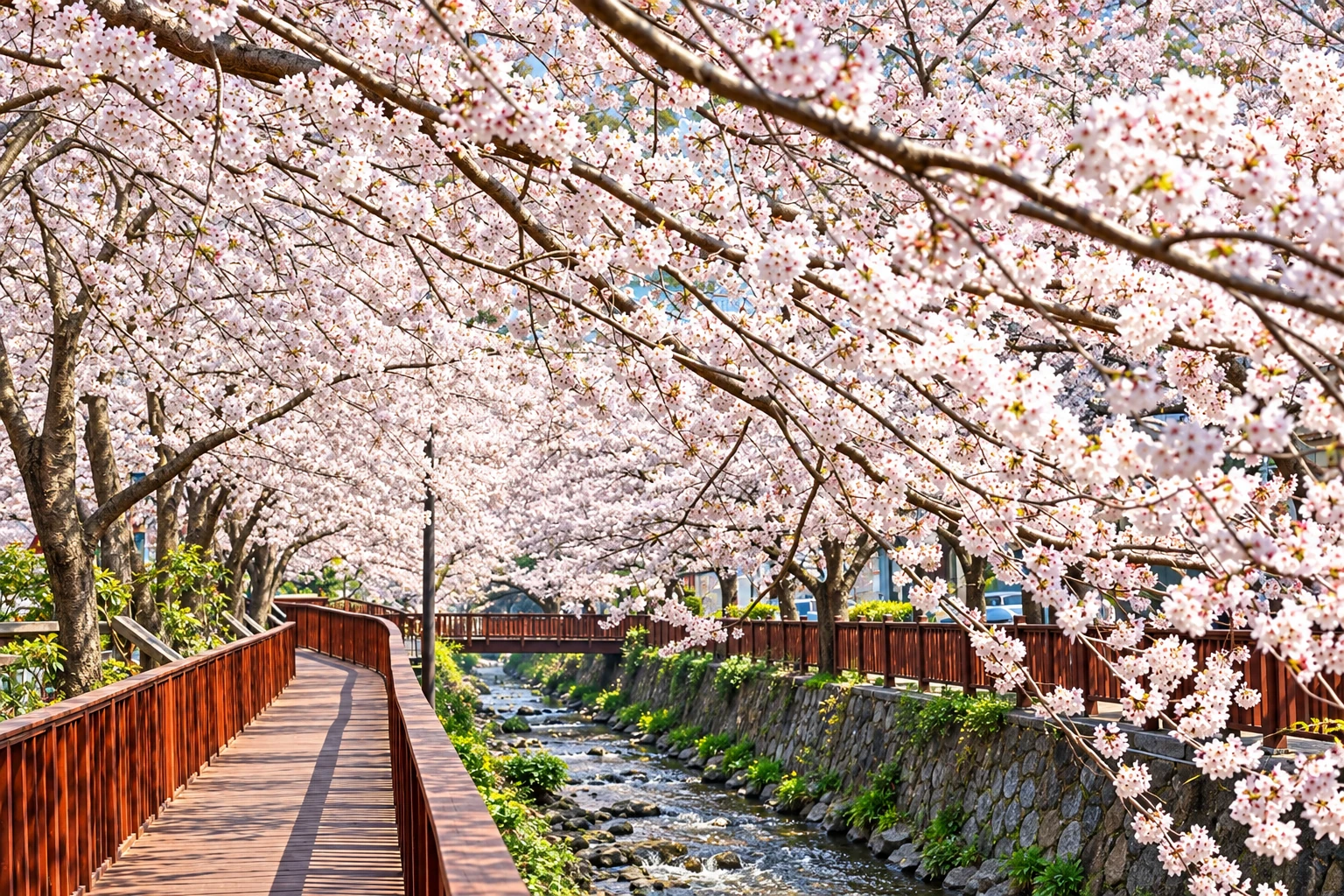
April is the busiest and most expensive spring month. Daytime highs are around 18°C, and large crowds and higher flight and hotel prices come with the blossoms. Yeouido, a Seoul riverside district, has 1,886 cherry trees that draw about 1.5 million people, and the city’s tourism organization advises arriving early on weekdays. Jinhae Gunhangje, held from late March to early April, is described as Korea’s largest cherry blossom event, with about two million visitors over ten days. Gyeongju’s festival runs in early to mid-April and Namhae’s in mid to late April. A fixed itinerary needs flexibility, because blossom timing moves with each spring’s temperatures.
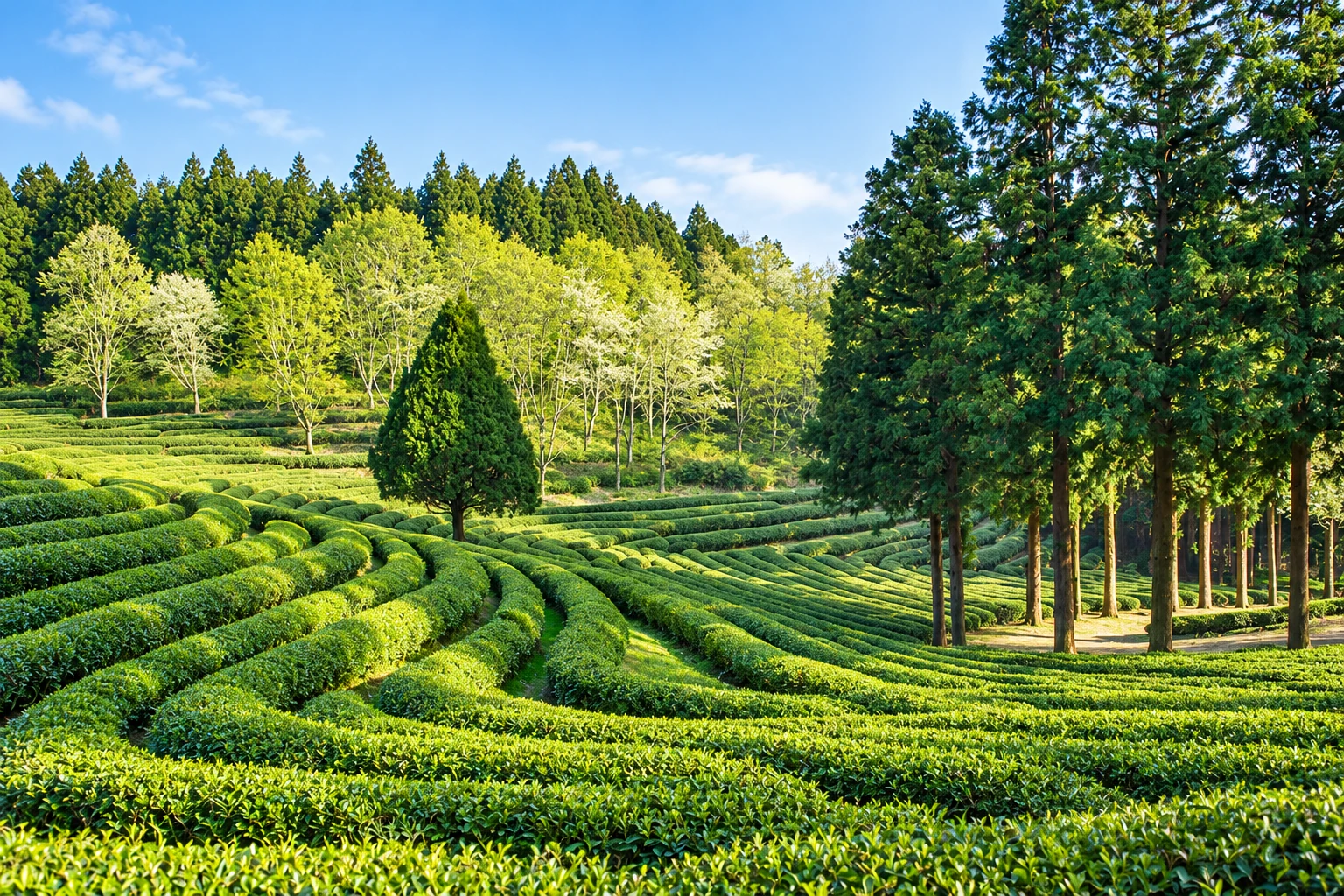
May is a good compromise. Daily temperatures from late April through May are mild, and there are more sunny days before the rainy season. Blossom crowds have thinned, and prices and availability are less stressed than in April. Foreign card spending is a measure of visitor activity, and May 2026 was its highest month, so the month is far from empty. Events include the Boseong Green Tea Festival (1 to 5 May in 2026) and the Lotus Lantern Festival around Buddha’s Birthday (24 May in 2026). Seoul’s calendar adds the Seoul Jazz Festival and Seoul Museum Night. One UK operator names March to May as the sweet spot for the country overall.
Summer From June to August
June is the mildest summer month, at 18 to 27°C. Crowds ease at popular sites, but monsoon rain is very common in June. The Muan Lotus Festival (26 to 29 June in 2025) and the Seoul International Book Fair fall in this month, and Seoul’s Hangang riverside summer programs begin.
July brings the heaviest rain and the peak of heat and humidity. The same operator lists July among the weakest months, and a Highlights Travel guide calls summer the worst time to visit. Jeju’s July 2024 average of 28.9°C was the second-highest July on record there. Crowd indexes rate July low, which matches the weather. The draws are water-themed. The Boryeong Mud Festival runs mid to late July at Daecheon Beach, and Seoul hosts Waterbomb and the Sinchon Water Gun Festival.
August is hot, sunny and crowded. Restaurants and sites fill up during school holidays as domestic travel surges, and August 2026 set a record for inbound visitors (see the crowds section below). The Busan Sea Festival, summer music festivals, late-night markets and Gwangbokjeol (Liberation Day) events are the main attractions. Travelers who go in summer should build rain days into the schedule, favor indoor options such as museums and department stores in the afternoon, and expect typhoon disruption on the south coast and Jeju.
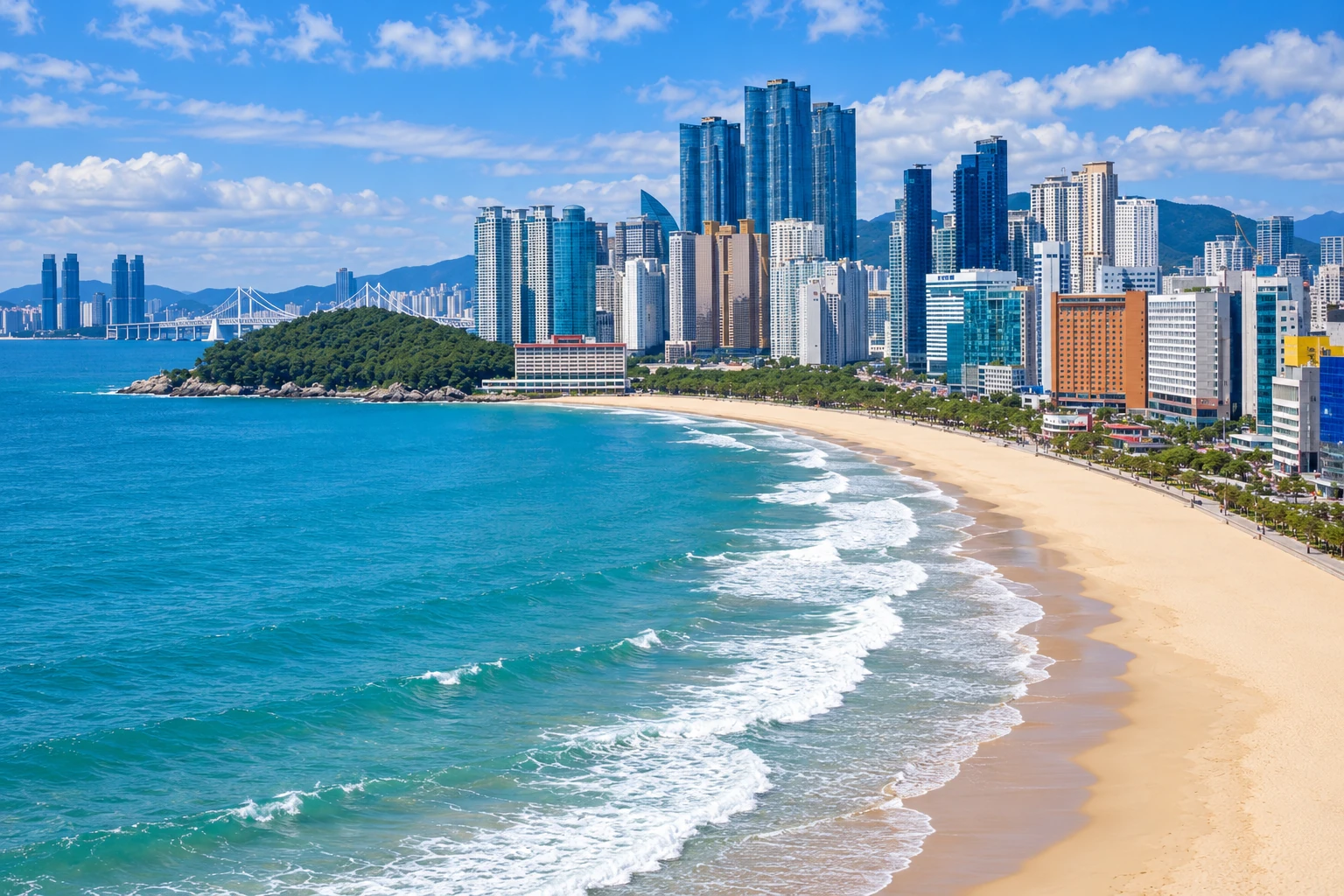
Autumn From September to November
September starts warm and ends in the autumn peak. The typhoon tail affects early September, and Chuseok, the harvest holiday, fell on 25 September in 2026. Late September is when autumn peak-season pricing begins. Events include the Andong Mask Dance Festival (26 September to 5 October in 2025), the Seoul International Fireworks Festival (27 September in 2025) and the K-Royal Culture Festival, whose 2025 edition ran in early October.
October is the busiest month. The MCST says October is the peak month for foreign arrivals, and prices are high. The weather is the best of the year, with a mean temperature around 18°C. Foliage starts in the northern mountains in early October, and Seoul’s ginkgo trees turn gold. One guide calls October the safest single month to visit because it combines mild temperatures with dry, clear days. Major events include the Busan International Film Festival, Seoul Fashion Week, the Jarasum Jazz Festival, the Gwangju World Kimchi Festival and, in 2025, the Jinju Namgang Lantern Festival and the Gimje Horizon Festival.
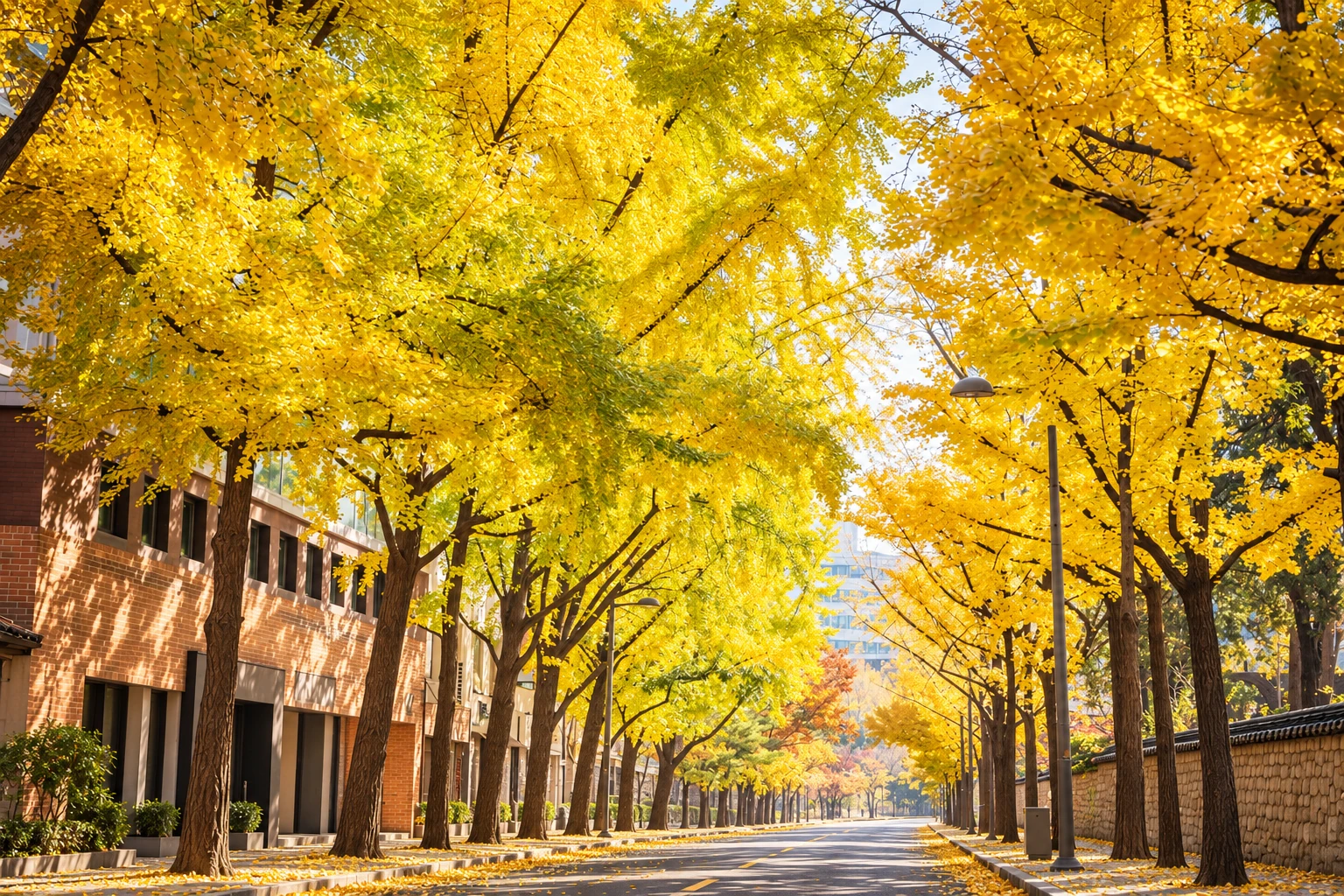
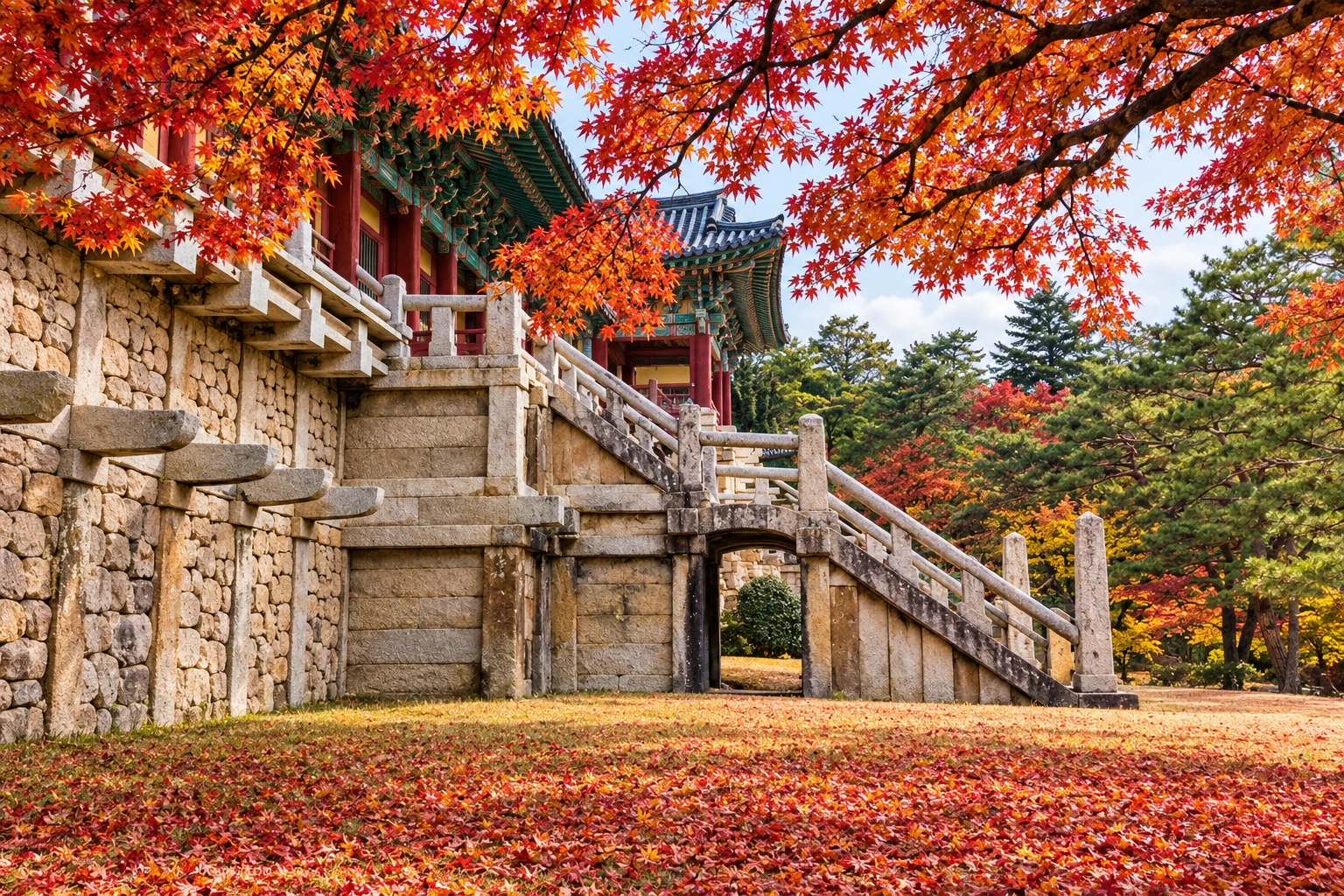
November is the strongest value for foliage. Colors reach southern cities by early November, and the same guide recommends the month for late autumn colors without October’s crowds. Seoul’s own calendar lists peak autumn foliage in November, along with the Seoul Lantern Festival at Cheonggyecheon stream and the Seoul Kimchi Festival. Prices fall from late November, which Klook identifies as the start of the cheap window. Pack layers, as nights cool quickly.
Winter From December to February
Winter is the cheapest season, with lower airfare and hotel prices from late November to early March, excluding holidays. It is bitterly cold and often snowy. Seoul’s January normal average temperature is ?2.0°C, and January days range from about ?6 to 2°C. February runs from ?4 to 5°C.
December is cold and dry, and it offers winter light festivals, Christmas markets and a year-end countdown in Seoul. Skiing is better from January, and ski resorts are at their best in January and February. January’s events are concentrated in Gangwon-do: the Pyeongchang Trout Festival (9 January to 9 February in 2026), the Taebaeksan Snow Festival (31 January to 8 February in 2026) and ice trekking at Cheorwon (17 to 25 January in 2026). The Hwacheon Sancheoneo Ice Festival runs 9 to 31 January 2027, according to a 2026 to 2027 festival calendar.
Holidays are the exception to the winter discount. Seollal (Lunar New Year) fell on 17 February in 2026 and falls on 7 February in 2027, and Seoul runs palace programs around it. Hotel operators also set their own winter peaks. Sono Hotels & Resorts, for example, defines its winter peak as 18 December 2026 to 31 January 2027, with peak-season rooms allocated by lottery. That is one operator’s calendar, so check the booking terms for any property you plan to use.
Best Season in Each Region
Seoul and the capital region
Seoul’s cherry blossoms typically peak in early to mid-April. The Seoul Tourism page cites KMA’s 2026 forecast, which put the usual peak at April 3 to 10, and says timing shifts with temperatures each year. Ginkgo trees turn gold in October, and the city’s foliage peaks in November. Because Seoul’s festival calendar runs every month, a winter or summer trip still has events. Spring and autumn are the densest periods.
Busan and the southern coast
The south blooms first. Blossoms typically begin in Busan in late March and move north to Seoul by mid-April, and the far south runs about a week ahead of Seoul. That makes the south the better choice for travelers who want blossoms with fewer people in late March. The sequence of festivals runs from Gwangyang (plum) and Gurye and Hwagae in March, to Jinhae in late March and early April, to Gyeongju in early to mid-April and Namhae in mid to late April. In summer, monsoon and typhoon risk is highest on the south coast and Jeju in July and August, although the Busan Sea Festival takes place in August. October brings the Busan International Film Festival, and Gyeongju is listed as an autumn highlight.
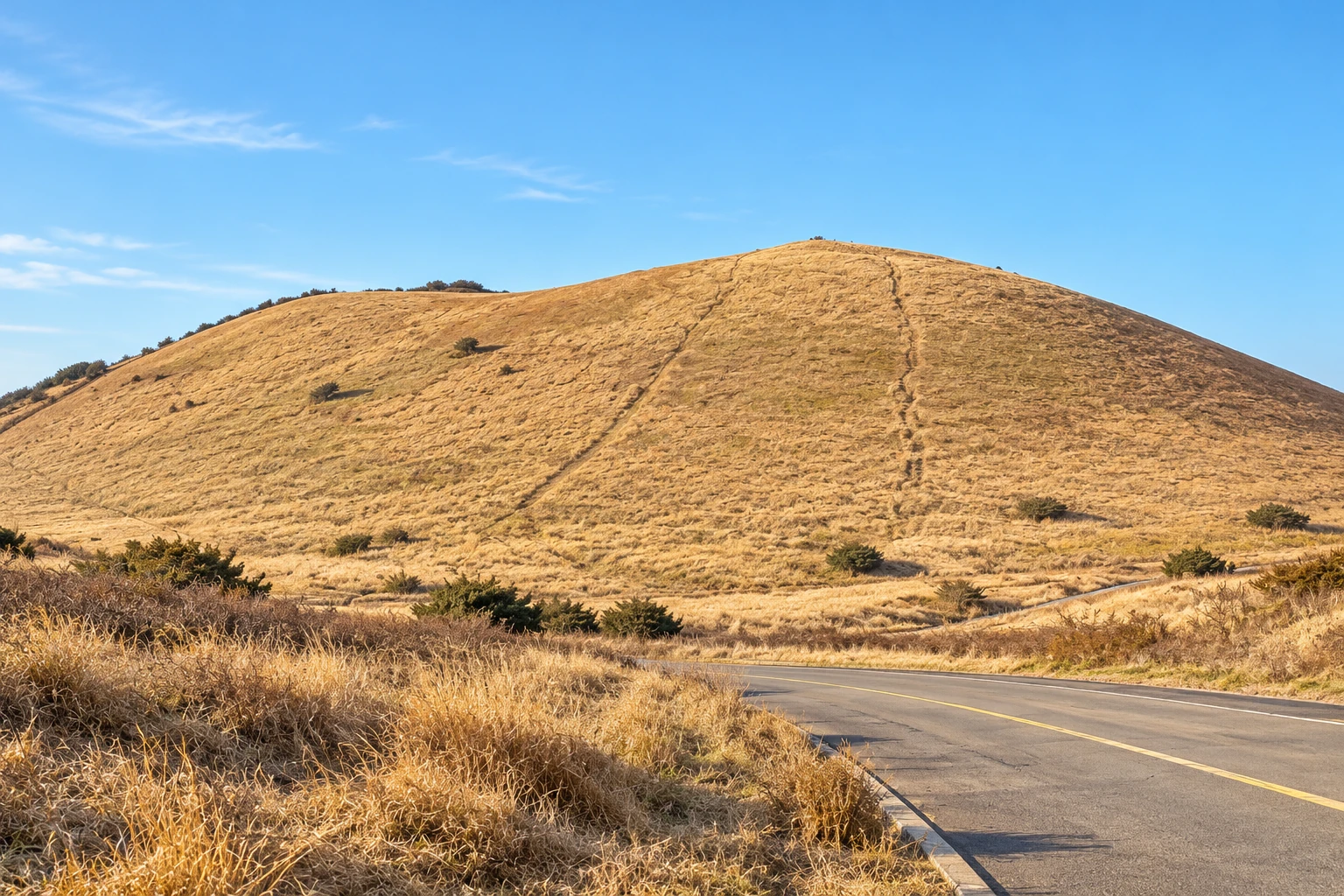
Jeju Island
Jeju gets the monsoon a few days before Seoul and carries the highest monsoon and typhoon risk in July and August. Its July heat is real, with the 28.9°C average in July 2024. Spring is the safer season for the island, and the Fire Festival at Saebyeol Oreum, a volcanic cone, takes place in mid-March.
Jeju hotel rates moved sharply in early 2025, when visitor numbers fell. Arrivals in January and February 2025 were about 1.81 million, down from about 2.06 million a year earlier, according to the Jeju tourism association figures reported by Hankyung. Some five-star hotels listed rooms from the low to mid 100,000-won range at their lowest available rates, and Haevichi Jeju’s average daily rate fell about 70,000 won year on year in March 2025. Peak-season rates at major five-star hotels, by contrast, were cited above 500,000 won. These are 2025 figures, but they show that off-season Jeju can be much cheaper than July and August.
Gangwon-do
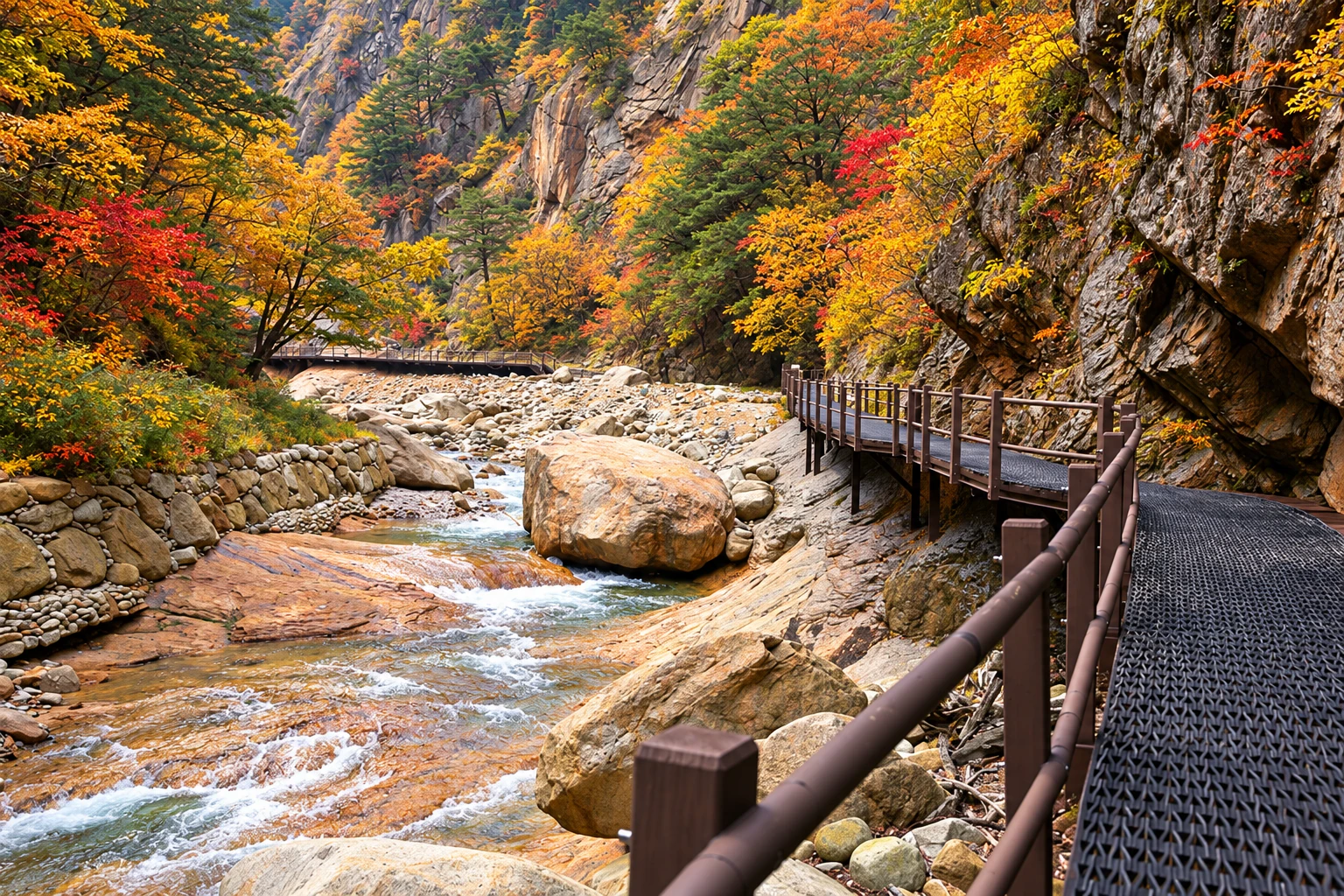
Gangwon-do is the winter region, home to the ski resorts and January ice and snow festivals described above. Its cherry blossoms arrive late, in late April, which extends the blossom season for travelers who miss the capital’s peak. In autumn, Seoraksan National Park is a leading foliage destination, and the mountains turn first, in early October.
Crowds and Visitor Numbers
Visitor volume is rising, which affects every season. MCST data, reported in September 2026, put foreign arrivals from January to August 2026 at 15,048,435, up 21.6% from 12,379,498 in the same period of 2025. August 2026 alone brought about 2.25 million visitors, the highest monthly total since records began. For all of 2025, about 18.937 million foreign tourists visited, a record and 8.2% above 2019.
Foreign card spending from January to August 2026 reached 14.018 trillion won, up 48.5%. May was the highest month at 2.1235 trillion won, followed by June, April, July and August. Regional airports and seaports handled 27.8% of arrivals through August, a reminder that visitors do reach beyond Seoul and Incheon.
The quietest windows are late November to early March and, to a lesser degree, May and June. Even in busy months, weekday mornings at blossom sites and early arrivals at foliage spots reduce crowding.
Prices and Booking
Airfare and hotel prices follow the crowd calendar. The cheapest window is late November to early March, excluding holidays, and the most expensive are April to early May and late September to October. April is the priciest single month. Spring prices rise as tourists arrive, and summer resorts set their own peaks. Sono’s summer peak ran 17 July to 22 August in 2026 across all its regions.
For blossoms or foliage, book flights and hotels well ahead and plan around the weekday advice. For winter and shoulder-season trips, prices are lower and holiday dates are the main exception, so check Seollal and Chuseok before fixing dates.
Festival Dates to Verify
Many festival dates cited here come from 2025 or 2026 editions. Seoul Tourism states: "Dates shift year to year, so confirm exact schedules close to your trip." Lunar-calendar events, including Seollal, Chuseok and Buddha’s Birthday with the Lotus Lantern Festival, move each year. Check the Seoul Tourism Organization’s events page or the Korea Tourism Organization’s VisitKorea site before booking around a specific event.
Which Month Fits Each Goal
For cherry blossoms, aim for late March to late April, starting in the south and moving north, and accept high prices in April. For autumn foliage, go from early October in the northern mountains to early November in the south, with November the lower-crowd option. For the lowest prices and fewest people, travel from late November to early March, avoiding Seollal. For beaches and festivals, choose July or August with a plan for heat and rain. For balanced weather and manageable crowds, May and early November are the best compromises.
Key Takeaways
- Pick spring or autumn for the best weather: April and October have the mildest conditions and the best scenery, but they also bring peak crowds and the highest prices.
- Choose May or November to cut the crowds: Both keep pleasant weather, with thinner crowds and easier booking than April and October.
- Travel from late November to early March for the lowest prices: The cheapest flights and hotels fall here, except around Seollal (7 February 2027) and operator-defined winter peaks.
- Avoid July for sightseeing: July is the hardest month because of the monsoon, heat up to 35°C (95°F) and typhoon risk on Jeju and the south coast, although water festivals and beaches still draw visitors.
- Follow the blossoms and leaves by region: Blossoms start in the south in late March, reach Seoul in early to mid-April and arrive in Gangwon-do in late April. Foliage moves the other way, running south from early October.