Daily Travel Costs in London
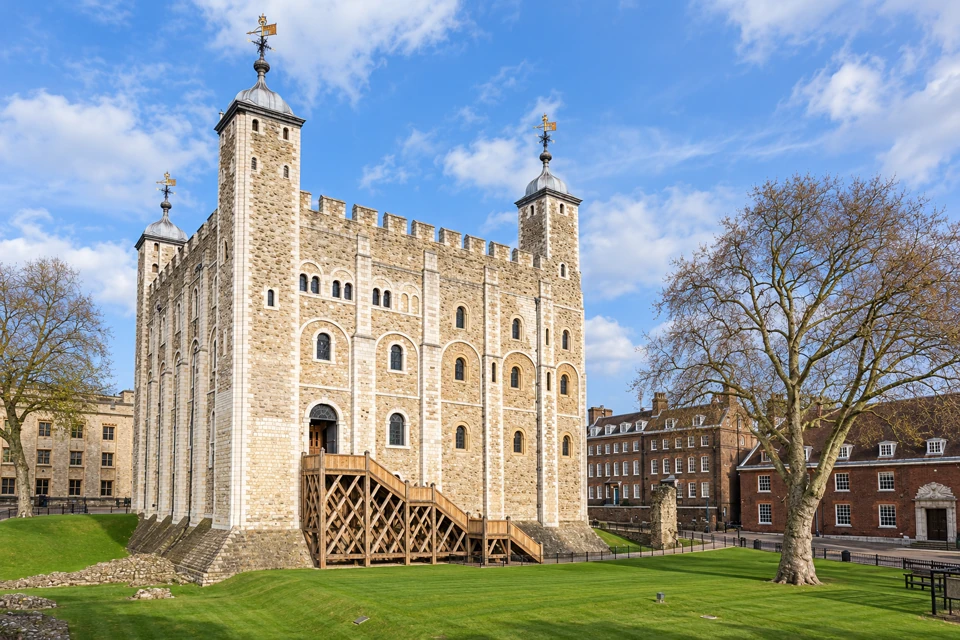
Most independent visitors to Britain plan around three costs: lodging, getting around, and one or two paid sights. For a mid-range London day with one paid sight, the Tower of London, lodging, transport and admission add up to about £176.90 to £266.90 before food. Meals are extra, so budget for them separately.
Most visitors also need an Electronic Travel Authorisation (ETA), a permit you apply for online before you fly. It costs £20 and covers repeat trips for two years or until your passport expires, so you pay it once, not every day. London fares, hotel rates and attraction prices change, so check the official pages linked in each section before you book.
Paying the UK ETA fee
The Home Office sets the ETA fee at £20, according to its April 2026 factsheet. The Home Office says it keeps the fee under review, and other companies that offer application help may charge more than the official fee. Apply through the official GOV.UK ETA guidance, where most applicants receive an automatic decision within minutes in the UK ETA app.
The Home Office recommends applying at least three working days before you travel. One approved ETA allows multiple journeys of up to six months each, for two years or until the passport expires, whichever comes first. British and Irish citizens, including dual citizens, do not need one. Irish residents from nationalities that do not usually need a UK visa also skip the ETA for travel within the Common Travel Area, but they must show proof of legal residency.
Transit has its own rule: if your connecting flight takes you through UK passport control, you need an ETA. Transit through Heathrow or Manchester without passing UK passport control does not currently require one.
Hotel prices by comfort level
Hotel prices depend more on location and month than on anything else you control. VisitBritain’s monthly hotel survey reports average daily rate (ADR), which is the average price a hotel room sold for in one night. The August 2025 report put Greater London at £212 and England outside London at £99. In July 2025, London averaged £263 and the rest of England averaged £113. The survey covers all room types and roughly a third of the estimated market, so it shows the direction of prices more than the cost of any one room.
Those averages don’t separate budget, mid-range and luxury hotels, so the tier figures below come from a hotel cost estimator. The visitorguideuk hotel cost estimator lists these London ranges per night:
| Comfort level | London, per night |
|---|---|
| Budget | £70–£120 |
| Mid-range | £130–£220 |
| Upper-range | £250–£500+ |
On the budget end, hostel dorm beds in London run about £20 to £50 a night. Budget chains such as Premier Inn and Travelodge start at about £90 to £120 a night in London, according to the same estimator. The average also changes by zone. A London hotel guide puts the average at about £224 a night in Zone 1 (central London), about £128 in Zones 2 and 3, and about £95 in Stratford, Wembley and Earl’s Court.
Hotels outside London cost less. Three-star hotels in Edinburgh run about £90 to £150 a night, and three-star hotels in Manchester run about £70 to £110, according to UK hotel cost estimates by city. The London daily totals below do not apply to other cities, because transport and sight costs also differ.
Getting around London on daily caps
London’s transport fares use daily caps. Once you reach a set total in one day, you stop paying for the rest of that day. Contactless bank cards and Oyster cards both qualify. Visit London lists the bus and tram fares, updated in March 2026. A single bus journey costs £1.75 regardless of distance, and the daily cap is £5.25 across all bus and tram journeys when you use the same payment card. A Hopper fare lets you switch between buses for an hour on a single fare. Buses do not accept cash, and children under 11 ride free.

Tube and rail caps cost more, and the price depends on how many zones you cross. Zone 1 is central London. A London transport guide lists daily caps of £8.90 for Zones 1 and 2, a higher cap for Zones 1 to 3, £12.80 for Zones 1 to 4, and £16.30 for Zones 1 to 6. Each cap day runs from 04:30 until 04:29 the next morning. Visit London’s Oyster guide describes an Oyster card as a reusable card with a refundable £5 deposit. Oyster and contactless charge the same fares, so the card you already carry works. A weekly guide to London travel gives a Zones 1 and 2 weekly cap of £44.70, Monday to Sunday.
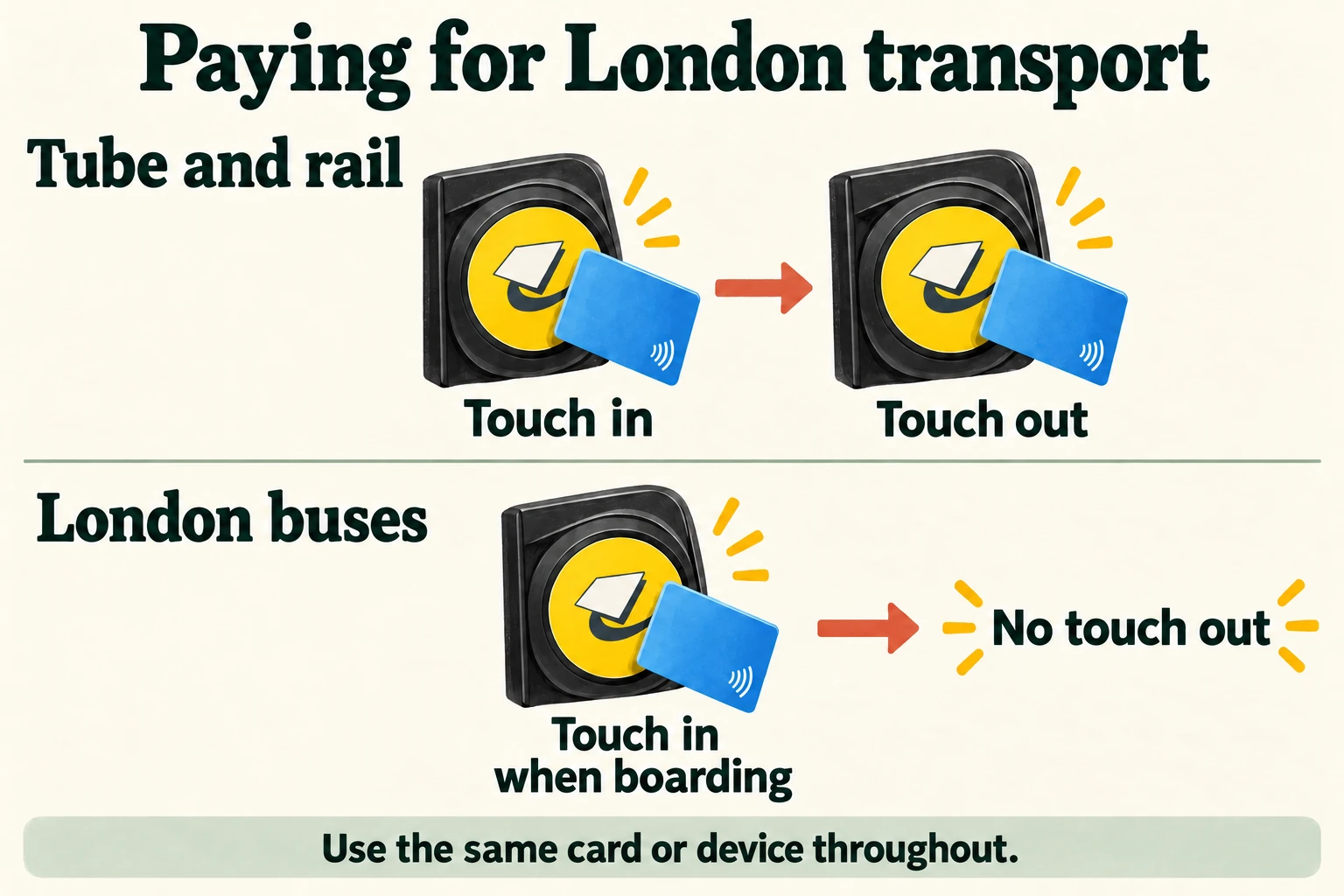
For a typical sightseeing day, the Tube cap of £8.90 is the figure to budget. Visit London’s Oyster information says three or more Tube journeys in one day reach that cap, so a heavy day on the Tube never costs more than £8.90 in Zones 1 and 2.
Tower of London ticket prices
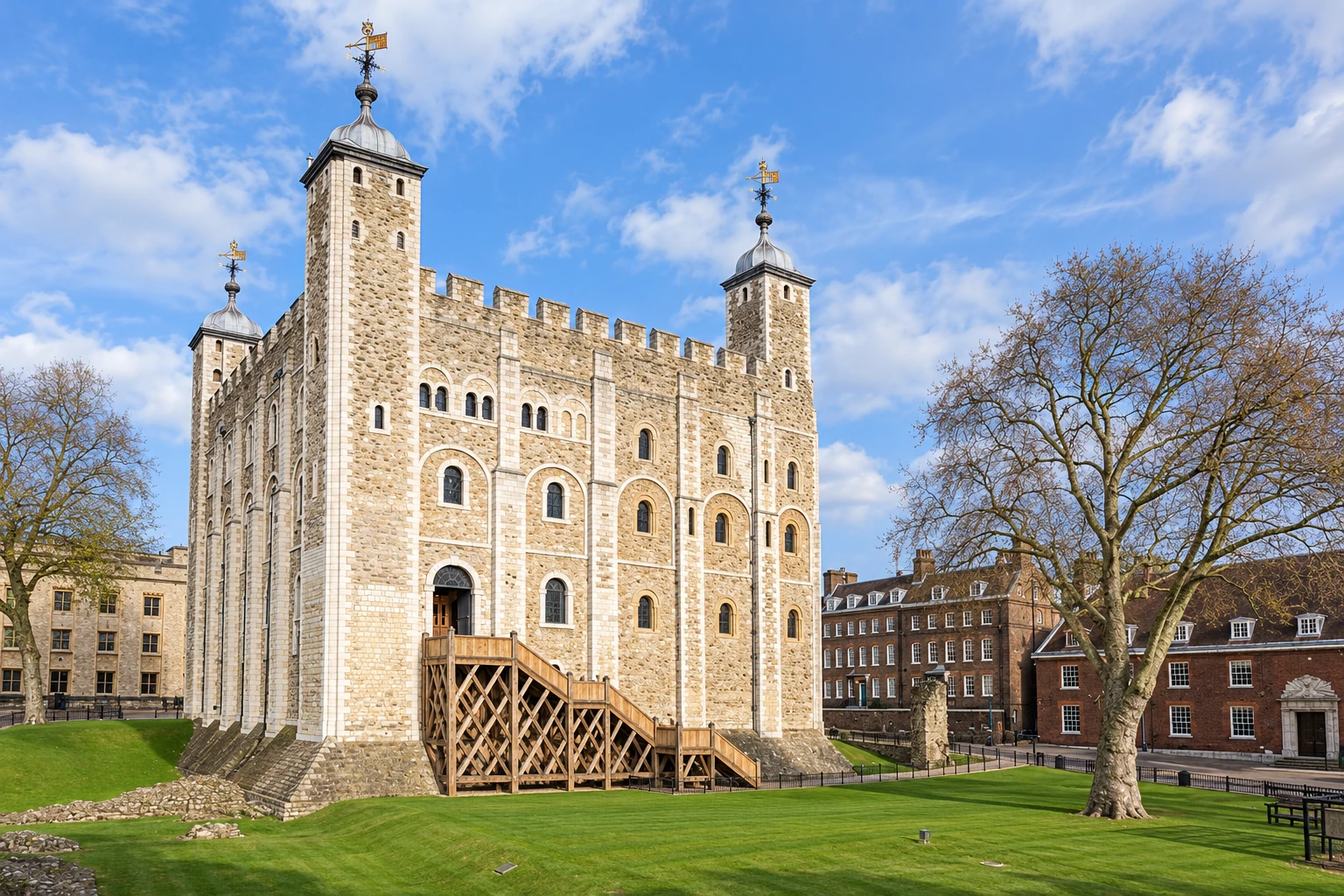
The Tower of London is the one sight in this guide with published adult, child and concession prices, and Historic Royal Palaces (HRP), the charity that runs it, sets the fees. The prices below were recorded in September 2026. Confirm them on the HRP tickets and prices page before you buy.
| Ticket type | Standard price | With 10% donation |
|---|---|---|
| Adult (18 to 64) | £38.00 | £41.80 |
| Child (5 to 15), with an adult | £19.00 | £21.00 |
| Young person (16 to 17) | £18.50 | Not listed |
| Senior (65+), full-time student (18+, valid ID), disabled visitor | £30.30 | £33.40 |
| Under 5 | Free | Free |
| Disabled carer or companion | Free with proof of need | Free with proof of need |
Standard admission covers the Crown Jewels, the White Tower, and the Battlements. It also includes the Bloody Tower, Torture at the Tower, the Fusiliers Museum, the Royal Mint exhibition, and the Yeoman Warder Tour when it runs. The audio guide costs extra, starting at £4.00, according to the HRP visit page, which also describes timed entry. The Ceremony of the Keys runs on a pay-what-you-choose basis. HRP suggests £30 per ticket, with a range of £10 to £50, according to a London guide to the Tower.

Lower-income visitors can pay £1 for a Tower ticket. Recipients of Universal Credit, Working Tax Credit, Child Tax Credit, Pension Credit, Employment and Support Allowance, Income Support or Jobseeker’s Allowance qualify. Each household can get the £1 price for up to six people. Book these £1 tickets online in advance.
What one London day costs
The table below adds the lodging, transport and Tower lines for one London day. It leaves out meals. Lodging uses the nightly ranges above, transport uses the Zone 1 and 2 Tube cap of £8.90, and the Tower uses the standard adult ticket of £38.00.
| Line item | Budget | Mid-range | Upper-range |
|---|---|---|---|
| Lodging, per night | £70–£120 | £130–£220 | £250–£500+ |
| Transport, Zones 1 and 2 daily cap | £8.90 | £8.90 | £8.90 |
| Tower of London, adult standard | £38.00 | £38.00 | £38.00 |
| Total before food | £116.90–£166.90 | £176.90–£266.90 | £296.90 and up |
A day of bus travel only costs £5.25 for transport instead of £8.90, which lowers each total. Choosing the Tower donation option raises the adult ticket to £41.80, which increases the Tower line. A child aged 5 to 15 costs £19.00 at the Tower, and a child under 5 enters free. Outside London, the lodging line is the one that shifts most, and England outside London averaged £99 in August 2025, according to VisitBritain.
Food needs its own line. The Office for National Statistics reported in its December 2025 consumer price inflation release that food and non-alcoholic beverage prices rose 4.5% in the twelve months to December 2025, up from 4.2% in November. Restaurant and hotel prices rose 3.8% over the same period, up from 3.5%. Those figures describe how prices changed, not what a meal costs, so set a daily food budget on top of the totals above.
Ways to cut costs
Staying in Zone 2 or 3 instead of Zone 1 is the largest saving, cutting the average nightly rate from about £224 to about £128, according to the hotel guide cited above. The same guide notes that the Tube cap rises only slightly when you cross into Zones 2 and 3, from £8.90 for Zones 1 and 2 to a higher cap for Zones 1 to 3. Staying in Zone 2 areas such as Earl’s Court and booking mid-week can cut accommodation costs by 20 to 40%, according to one London hotel estimate.
Timing matters nearly as much as location. VisitBritain’s figures show that London’s average daily rate dropped about 19% from July 2025 to August 2025. A guide to UK hotel costs says off-peak travel can save hundreds of pounds on a week-long stay, so compare the same dates across months before you commit.
Budget and mid-range hotels usually leave breakfast out, according to the UK hotel cost guide. Compare the nightly rate for a room with breakfast included against a cheaper room, then decide whether the meal is worth the extra money to you.
Contactless payment on buses and Tube lines lets you avoid a separate travel card purchase, and the daily caps take care of the rest. Tap the same card every time so the cap applies. If you plan to ride buses only, expect the lower £5.25 cap.
Children under 11 ride London buses free, and children under 5 enter the Tower free. Eligible visitors can buy £1 Tower tickets online in advance. Check the Tower’s concession list before you buy full-price tickets for a family or a group.
The main costs to plan for
- Pay the £20 ETA before you fly: Most visitors need one, and it covers multiple journeys over two years. Apply at least three working days before travel through GOV.UK.
- Book outside Zone 1: Average London hotel rates fall from about £224 a night in Zone 1 to about £128 in Zones 2 and 3.
- Tap a contactless card or use Oyster: Daily caps limit spending to £5.25 for buses and trams and £8.90 for Zone 1 and 2 Tube travel.
- Budget £176.90 to £266.90 a day for a mid-range London stay: The range covers lodging, transport and the £38.00 adult Tower ticket, but not food.
- Add food on top of every daily total: Food prices rose 4.5% in the year to December 2025, so budget for meals separately from lodging, transport and sights.