Getting Around the United Kingdom

Getting around the United Kingdom means choosing among six modes of transport, and each suits a different trip. Trains cover most mainland city-to-city travel, and long-distance coaches usually have the lowest fares. Domestic flights serve Scottish islands and cross-water routes such as Inverness to Belfast, while ferries cross the Solent to the Isle of Wight. Rental cars suit rural, multi-stop itineraries. Licensed ride-hailing apps cover short door-to-door trips.
Fares below come from operator and official pages, with dates where the pages give them. Prices and timetables change often, so confirm each fare on the operator’s booking page before you pay.
Choosing a Mode for Each Trip
| Trip | Best option | Cost |
|---|---|---|
| Mainland city to city | Train | A Railcard takes one-third off; Advance tickets are booked before travel |
| Budget intercity, flexible timing | Coach | From £33.40 London to Edinburgh; from £27.50 Manchester to London, one-way |
| Scottish islands and Northern Ireland links | Domestic flight | Glasgow to Barra from £96 one-way; Edinburgh flights tend to take one to two hours |
| Cars to the Isle of Wight | Red Funnel Vehicle Ferry | Runs 365 days a year |
| Rural or multi-stop route | Rental car | Age and licence rules vary by supplier |
| Driving in London | Rental car plus daily charges | ULEZ £12.50 a day for most non-compliant vehicles |
| Short trip without a car | Licensed ride-hailing | Drivers hold a private hire licence |
Trains for City-to-City Travel
Trains are the default for travel between mainland cities. A Railcard is a discount card that you buy once and carry on every journey, and it is the main way to cut train costs. National Rail lists nine National Railcards that each take one-third off train fares. The average Railcard holder saves up to £173 a year before the cost of the card, based on savings by combined Railcard holders between April 2025 and March 2026. A digital Railcard lives in the National Rail Railcard app, and a physical card is also available. Either form must be on hand during the journey for the discount to apply.
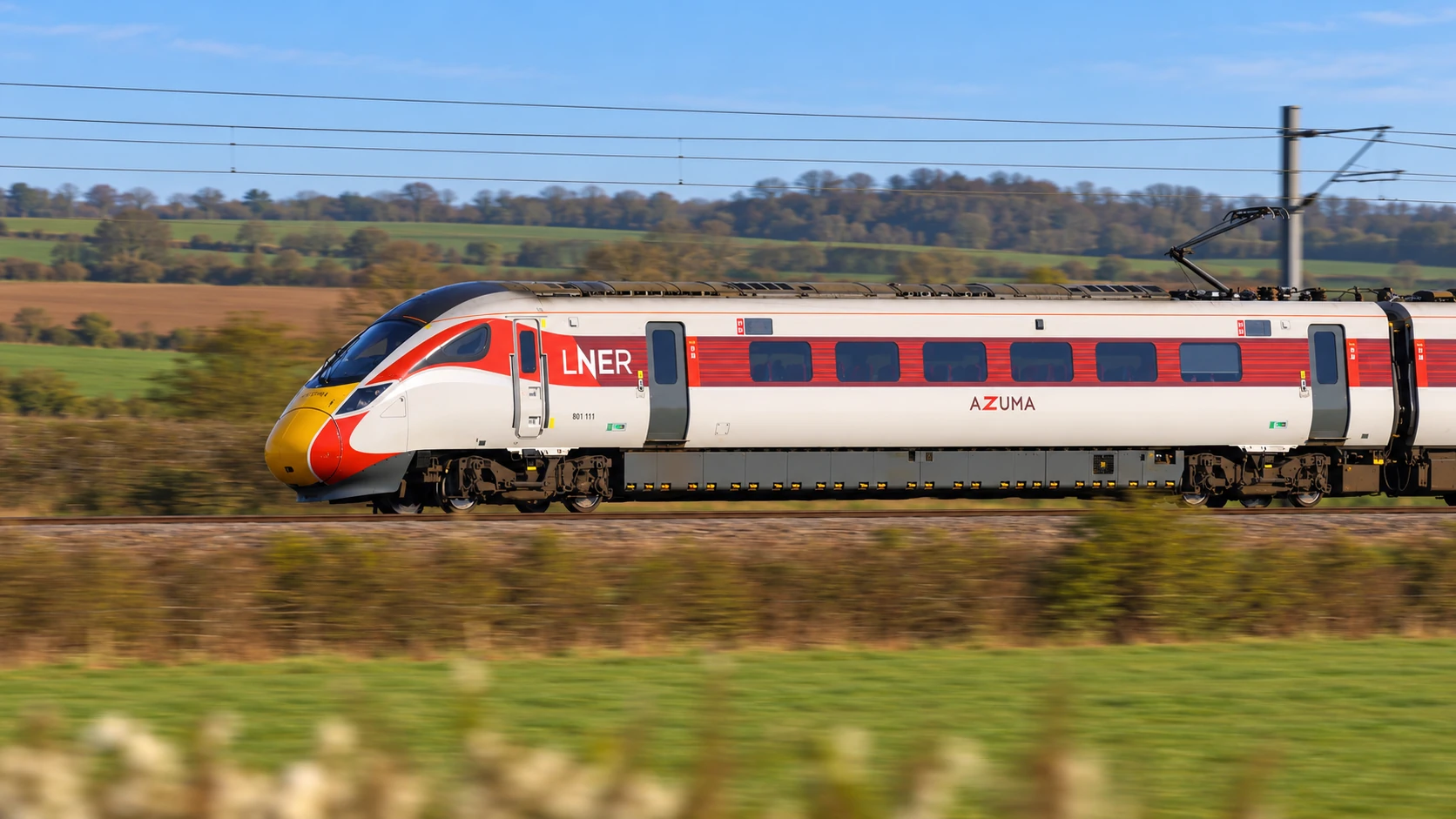
Travelers under 26 get the clearest deal. The 16-25 Railcard costs £35 for one year or £80 for three years. It also suits anyone aged 26 or over in full-time education. It takes one-third off most standard-class fares across Great Britain, including Standard and First Class Advance fares, and it works every day including weekends and public holidays. It covers Anytime and Off-Peak singles and returns, Super Off-Peak tickets and Advance tickets. It also applies to the Gatwick Express, Stansted Express and Heathrow Express. Oyster Off-Peak pay-as-you-go singles qualify too, as does the Daily Price Cap on National Rail, the London Underground and the Docklands Light Railway.
Travelers who plan early starts face a £12 minimum fare on tickets for travel between 04:30 and 09:59, Monday to Friday, except in July and August. Advance tickets are excluded from that minimum. Advance tickets must be bought before you travel, which makes them the right choice when your dates are fixed. A one-year card can be bought at a station ticket office, online or by phone, and the three-year card is sold online or by phone.
You can buy tickets online, at a ticket office, from a station ticket machine or by phone. The National Rail Journey Planner lets you add the number and type of Railcards, including for several travelers, so the discounted fare shows before you commit.

Coaches for the Lowest Fares
Long-distance coaches usually cost the least. National Express lists London to Edinburgh from £33.40 one-way and Manchester to London from £27.50 one-way. Both are "from" fares marked with an asterisk, so the lowest price applies only to the conditions behind the asterisk, and later or busier departures cost more. A coach suits a traveler whose schedule is loose and whose priority is the lowest price.

National Express accepts Visa, Mastercard, debit and credit cards, PayPal, Apple Pay and Google Pay. Its pages link to Flexible travel, Change & Go and seat reservation options. Coachcard concessions cover young people, seniors and disabled passengers, and a student 20% discount is also listed. After booking, the "Manage my booking" section handles changes, and the refunds and amends help page sets out the terms, which are worth reading before you pick a non-flexible fare.
Domestic Flights to Islands and Remote Routes
Flying pays off on routes where the alternative is a long drive or ferry crossing. Loganair calls itself the UK’s largest regional airline, and its domestic flights page lists one-way "from" fares like these:
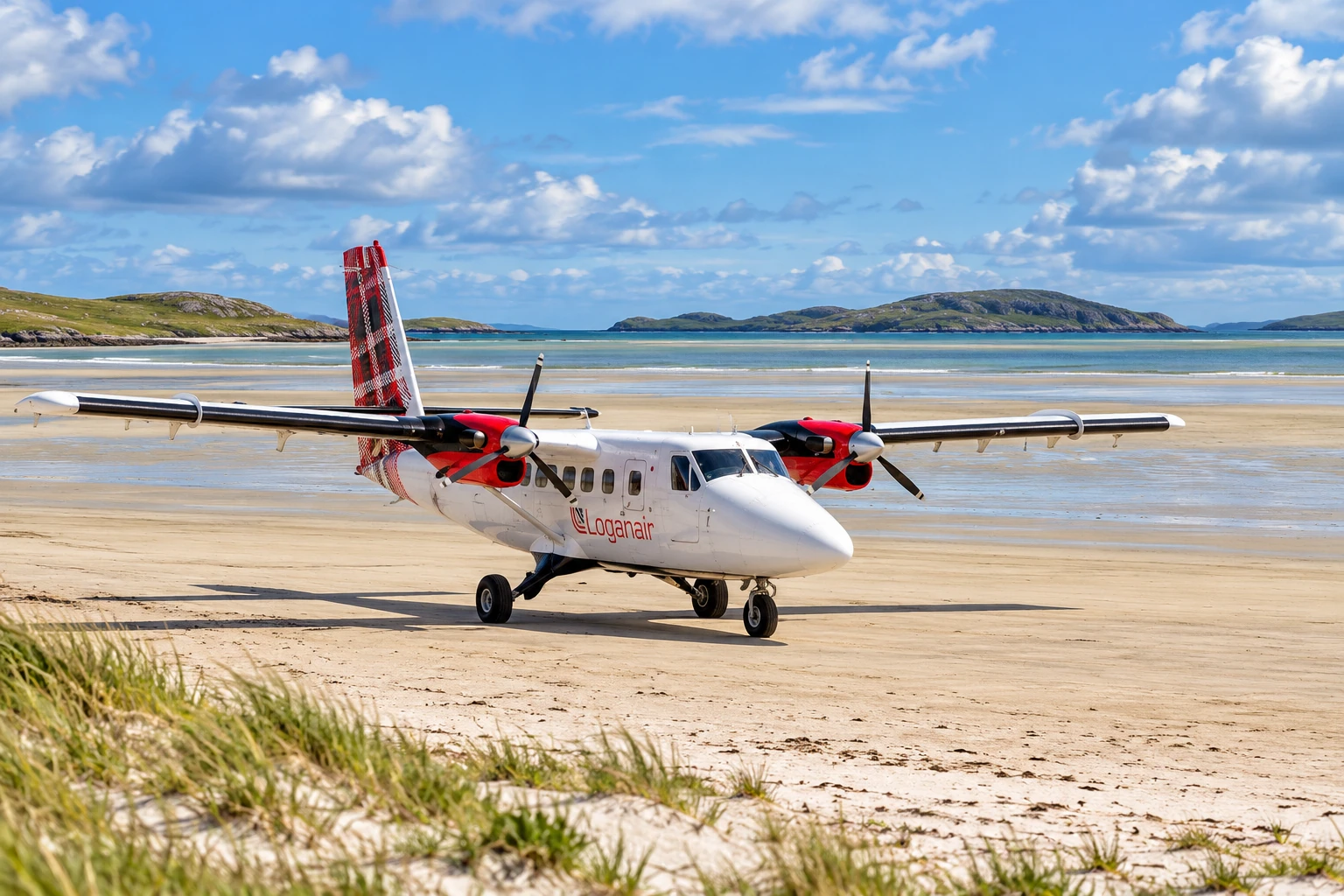
- Glasgow to Barra from £96 (departing 12 January 2027)
- Glasgow to Islay from £85 (25 April 2027)
- Glasgow to City of Derry from £82 (20 November 2026)
- Aberdeen to Belfast City from £80 (25 January 2027)
- Inverness to Belfast City from £92 (29 November 2026)
- City of Derry to London Heathrow from £89 (12 December 2026)
Loganair’s Edinburgh page lists Southampton to Edinburgh from £100 and Exeter to Edinburgh from £124. Flights to Edinburgh tend to take one to two hours.
These are "from" prices, the lowest fares currently listed. Availability is limited, and a fare can sell out before you book. Loganair’s domestic page says fares are currently cheapest in October and suggests May as an alternative.
Standard fares include 21 kg of total luggage, split as 15 kg in the hold and 6 kg in the cabin. Fly Flex and Fly Flex + fares add extra options. Loganair advises arriving two hours before departure on domestic flights and three hours in peak periods. Passports are not required for flights within the UK, but you should carry photographic ID.
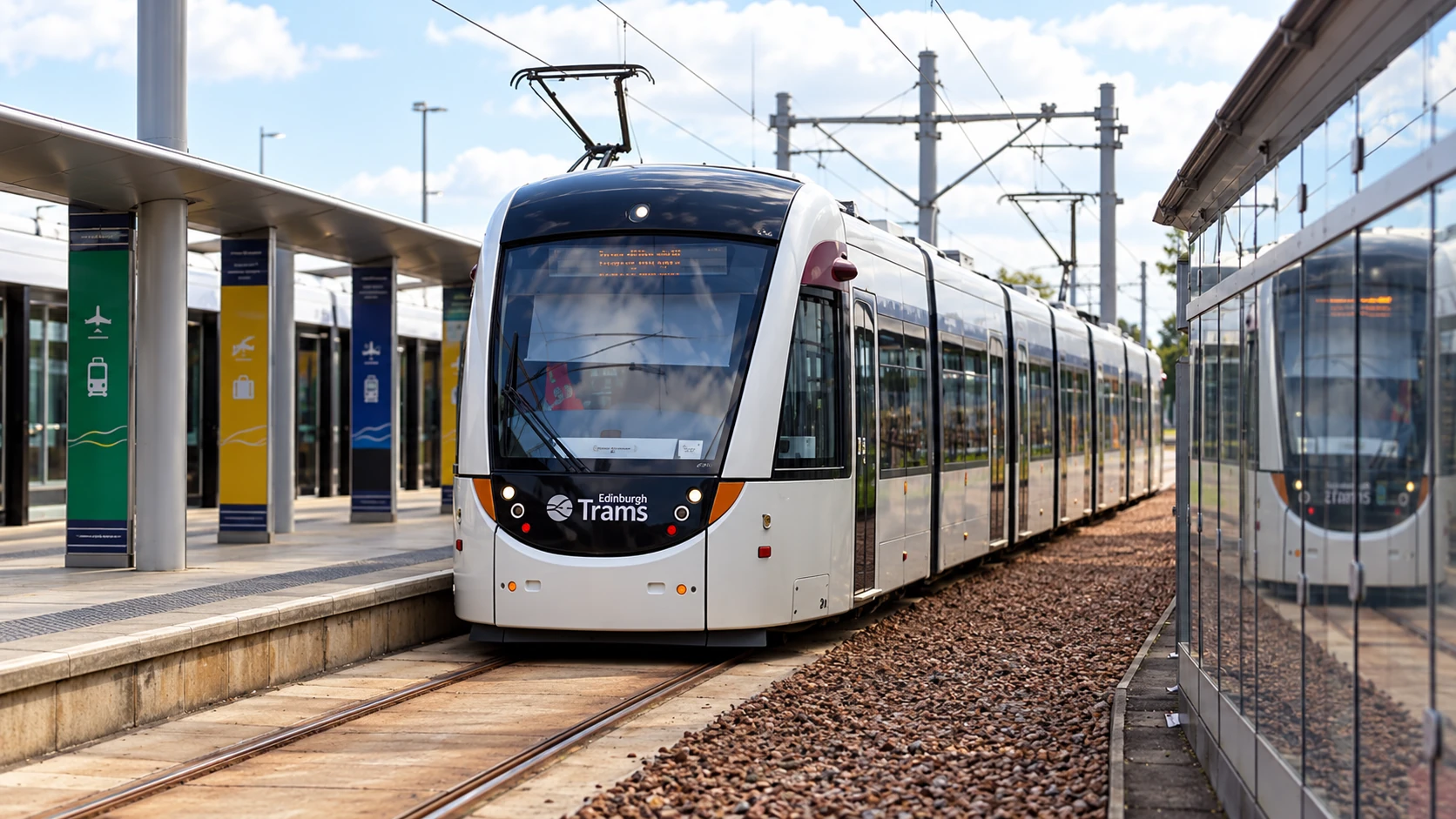
Edinburgh Airport is about 8 miles from the city centre. The tram is the most convenient link, with its stop outside the main terminal, and taxis, buses, trains and cars are also available. Book through the "Book Now" buttons or the "Fares" link on Loganair’s site. Online check-in and Manage My Booking are linked from the header, and Avios points can be collected and spent under Loganair’s loyalty terms.
Ferries to the Isle of Wight
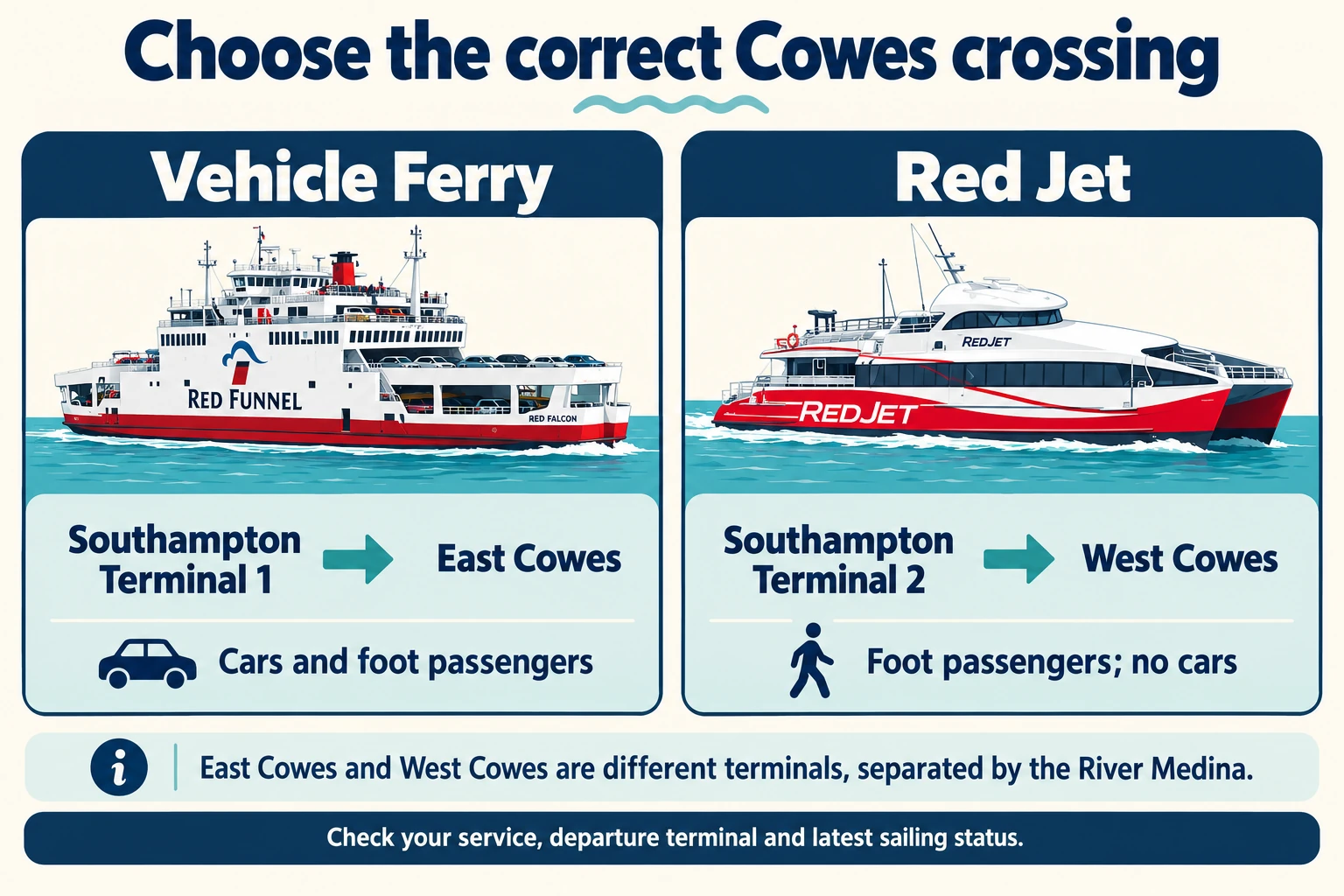
Ferries make sense where the sea is the route. For the Isle of Wight, Red Funnel runs from Southampton, which has road, rail, coach and air connections. Its Vehicle Ferry runs 365 days a year, including Christmas Day, and the Red Jet foot ferry runs every day except 25 December. Both depart from terminals in Southampton, so a traveler with a car chooses the Vehicle Ferry and a traveler on foot chooses the Red Jet.

Downloadable timetables cover the Vehicle Ferry and Red Jet Hi-Speed, and temporary changes are posted on that page, so check it close to your travel date. Red Funnel’s site also has a live service-status page. To book, use the "Book Your Crossing Today" button, which leads to the booking page.
Renting a Car
A rental car fits rural regions and itineraries with many stops, where train and coach timetables would shape the trip. Rental rules differ by supplier, and one operator’s published terms show the kind of limits to expect. U-Drive requires drivers of standard cars to be aged 25 to 75 with a full licence held for at least one year. MPVs, tippers, VW Kombis and 4x4s require three years’ licence. Its 17-seat minibus requires drivers aged 25 to 70 with five years’ licence. Check the age and licence terms with your supplier at booking. U-Drive allows its vehicles outside the UK only with prior permission and documentation, and the hirer must check the rules of each country on the route.
Driving Charges in London
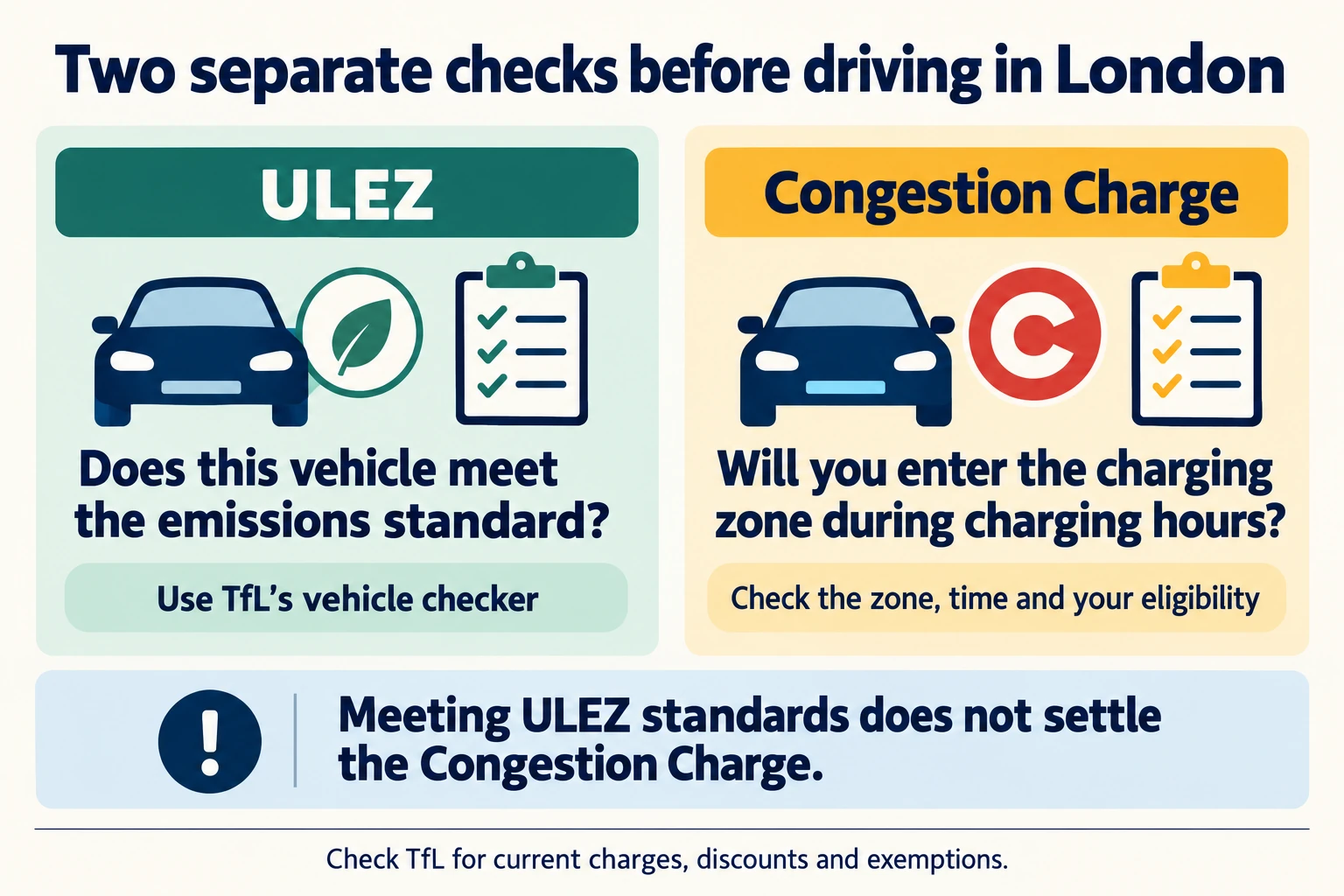
London adds daily costs for drivers. The Ultra Low Emission Zone (ULEZ) operates 24 hours a day, every day of the year except Christmas Day (25 December), across all London boroughs, not only the area inside the M25. Most vehicles that do not meet ULEZ standards pay £12.50 a day, and fully electric vehicles remain exempt. The 100% Cleaner Vehicle Discount for the Congestion Charge ended on 25 December 2025, so electric vehicles now pay the daily Congestion Charge during charging hours. Confirm current amounts with Transport for London before you drive in. For a London stay, the Underground, National Rail and the Railcard-eligible price caps usually cost less than paying these charges, so a rental car makes most sense once you leave the city.
Using Uber and Bolt
Ride-hailing suits short, door-to-door trips, such as a late arrival or a destination with no rail stop. Uber and Bolt operate as licensed private hire operators. Their drivers must hold a private hire driver licence from the local council, or from Transport for London in the capital. They also need a licensed vehicle and hire-and-reward insurance, because ordinary car insurance does not cover paying passengers. Drivers also need an enhanced DBS background check and must pass a medical. In London, Transport for London adds the SERU assessment, which tests safety, equality and regulatory understanding, plus an English speaking and listening requirement.
As a rider, book through the Uber or Bolt app and confirm that the driver and vehicle match the details the app shows before you get in.
How to Book Each Mode
Book trains first when dates are fixed, since Advance tickets must be bought before travel. Add any Railcard in the Journey Planner so the price reflects the discount. Coaches take card or wallet payment, and "Manage my booking" handles later changes. For flights, check in online and carry photographic ID, since fares are subject to availability at checkout. Ferry bookings go through Red Funnel, with the timetable and live status pages checked before departure. Rental cars need a confirmed age and licence check with the supplier and, for London, a check of ULEZ and Congestion Charge status. Ride-hailing needs only the app.
Summary by Mode
- Buy a Railcard if you will ride trains more than a few times: Nine National Railcards give one-third off fares, and you must carry the card on the journey. The 16-25 Railcard costs £35 for one year or £80 for three years.
- Compare coach fares before booking a train: National Express lists London to Edinburgh from £33.40 and Manchester to London from £27.50 one-way, and the asterisked conditions decide who gets those prices.
- Fly only where the alternative is long: Loganair routes such as Glasgow to Barra from £96 save the most time on islands and cross-water links. Standard fares include 21 kg of luggage.
- Check Red Funnel’s timetable page before crossing to the Isle of Wight: The Vehicle Ferry runs every day of the year and the Red Jet runs every day except 25 December. Temporary changes appear on the timetable page.
- Skip a car in London: ULEZ applies 24/7 except on Christmas Day across all London boroughs at £12.50 a day for most non-compliant vehicles, and the Congestion Charge discount for electric vehicles ended on 25 December 2025.