Best Time to Visit Finland
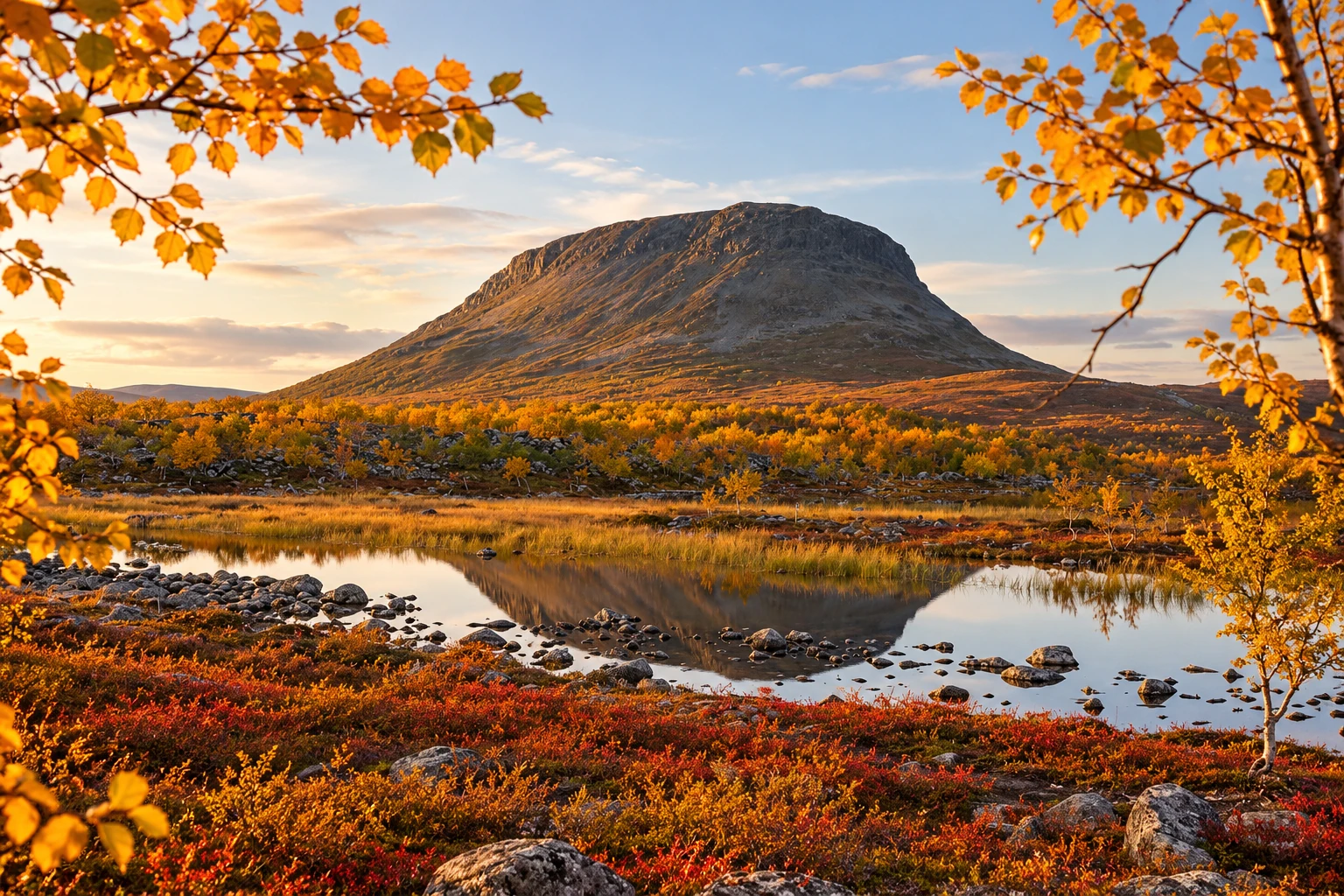
Finland has two main travel seasons. Winter, roughly December to March, brings snow and the Northern Lights, along with ski resorts in Lapland, the northern region above the Arctic Circle. Summer, June to August, brings long daylight and lake holidays, plus festivals and city life in Helsinki and the south. Spring and autumn offer lower prices and fewer visitors, and in September the leaves turn red and gold, a color the Finns call ruska.
Your best dates depend on what you want to see and where you will be. For Helsinki, lakes, and long evenings, go from late June to early August. For Northern Lights with snow, go from late January to March. For the lowest prices in Lapland, go in late April to May or in September. Weather, crowds, prices, and events by region and month can help you match dates to your plans.
Weather and Daylight by Season
Finland’s current climate reference period from the Finnish Meteorological Institute (FMI) is 1991 to 2020. Over that period the national mean temperature was about 2.9 °C, and annual precipitation averaged about 609 mm. Temperatures below are averages, so any given week can run warmer or colder.
Winter lasts around 200 days in Lapland and three to four months in Helsinki, according to Visit Finland. Winter averages run about -3 °C to -8 °C in Helsinki and -10 °C to -20 °C in Rovaniemi, the Lapland capital. In early January, Rovaniemi, Saariselkä and Ylläs get very little sunlight. This is the polar night, called kaamos, when the sun barely rises in the far north.
March to May averages about 0 °C to 15 °C in Helsinki and -5 °C to 10 °C in Rovaniemi, and a single spring day can swing by 15 degrees. Snow melts first on the southern coast and in the archipelago, while Lapland keeps snow cover into May. Helsinki gains about five minutes of daylight a day in March.
Summer in Helsinki averages 18 to 25 °C and regularly reaches +25 °C. Rovaniemi averages 15 to 22 °C, and lakes warm to about 20 °C. July and August have the highest average rainfall of the summer months. In September, Lapland averages 0 °C to 10 °C and Helsinki 8 °C to 15 °C, and rain becomes more frequent on the coast. By October, Visit Finland advises water- and windproof layers, and FMI’s October page lists a 1991 to 2020 average of 3 °C.
Best Time by Region
Visit Finland’s registered foreign overnights in 2025 split roughly as follows: the Helsinki region about 45%, Lapland about 32%, the coast and archipelago about 13% and Lakeland about 10%. Foreign guests made up 58% of all Lapland overnights and 48% of Helsinki overnights. Each region has its own peak and its own quiet window.
| Region | Best for | Peak demand | Value window |
|---|---|---|---|
| Helsinki and the southern coast | City breaks, festivals, archipelago summers | June to August | Shoulder months; Helsinki hotel occupancy was 62% in October 2024 |
| Lakeland and central Finland | Summer culture, lakes, autumn | Summer, including Savonlinna’s opera season | September and October |
| Lapland | Northern Lights, snow sports, midnight sun, ruska | December to April, with December the busiest | Late April to May, and September |
Helsinki and the southern coast
Helsinki is the top destination for foreign overnights and works in every season, but summer shows it at its best. Visit Finland lists June to August as the city-break season for Helsinki, Turku, Tampere and Jyväskylä. August is the busiest month for hotels in the capital: Helsinki occupancy was 74% in August 2024, against 59% nationally. October is calmer, with Helsinki occupancy at 62% in October 2024.
Winter in the capital is cold and dark but quiet. The city also has a December crowd of its own, with 226,600 foreign overnights in December 2025, though that is a fraction of Lapland’s total. The southern coast and archipelago are summer destinations, since snow melts there first in spring and the water is usable in July and August.
Lakeland and central Finland
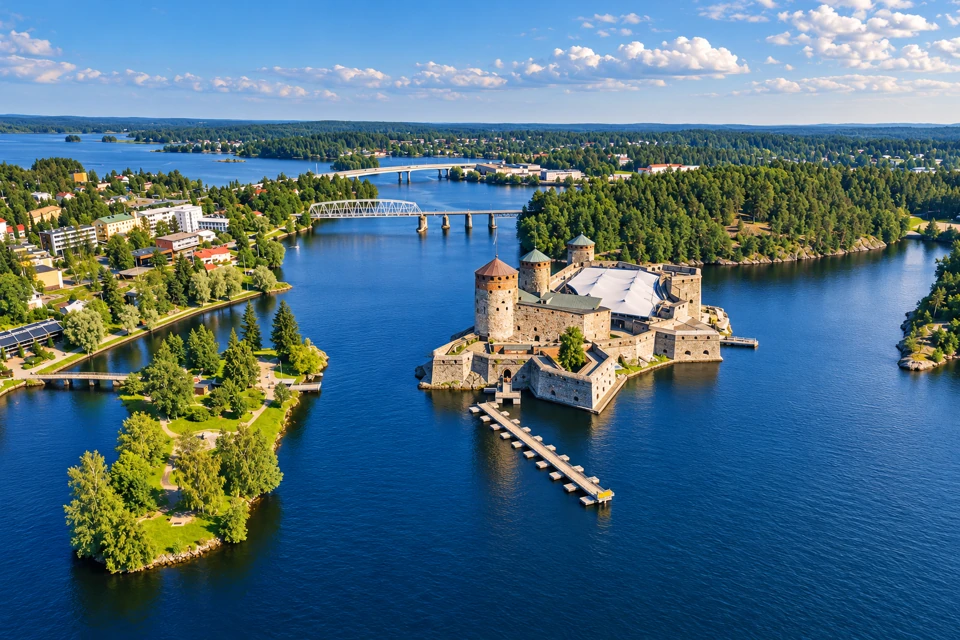
Lakeland is built around summer: lake cottages, Kuopio’s dance festival in June and the Savonlinna Opera Festival in July. September and October are the value window, when the region changes color and crowds drop. Visit Finland also lists Lakeland alongside Lapland for winter sports from December to March and for Northern Lights viewing in its Arctic parts.
Lapland
Lapland’s calendar has three distinct phases. December to April is the high season for snow, with December the busiest month. Late April to May and September are off-season, with falling prices. June and July bring the midnight sun, and late August starts the ruska colors in the far north. Rovaniemi, Saariselkä, Ylläs, Levi, Ruka and Kilpisjärvi are the main bases. Late-season skiing runs into April and May at Levi and Ylläs.
Month by Month
January
January sits in the middle of Lapland’s high season and the polar night. Daylight is minimal in the far north, but Northern Lights and snow activities are the draw. January 2026 saw about 702,500 foreign overnights, up 3% and the second-highest January on record after 2020, with 149,500 of them in Helsinki. Leisure trips in January 2025 totaled 291,000. Booking in Lapland is tight from December to January, so reserve early. Few major public events take place, so the appeal is atmosphere and darkness. Travelers who dislike low light should choose another month.
February
February is still deep winter, but the sun begins to return slowly. Lapland’s ski season starts around mid-February, bringing more visitors, and the resorts are crowded and expensive during high season. Leisure trips in February 2025 totaled 271,000. Events include the Helsinki Documentary Film Festival (DocPoint, 4 to 9 February in 2025), Ystävänpäivä (Finnish Valentine’s Day) on 14 February and Kalevala Day, also called Finnish Culture Day, on 28 February. February is a strong month for Northern Lights combined with snow.
March
March brings longer ski days and more light. Visit Finland says temperatures stay low enough for good snow in Lapland and Lakeland, and that March and April bring fewer crowds, especially in Lapland. Leisure trips in March 2025 totaled 272,000. Prices in Lapland tend to fall as the ski season ends. Events include the Tampere Film Festival (5 to 9 March in 2025) and the Oulu Music Festival (11 to 23 March in 2025). March suits skiers who want better light with fewer people, and aurora watchers who prefer slightly milder nights.
Air capacity is rising too. Visit Finland forecast about 2.8 million international seats for March to May 2026, up 5% on spring 2025, with about 93% flowing to Helsinki. Finnair planned 28 weekly London to Helsinki flights, down from 33 to 42 in 2025, so check routes if you are flying from the UK.
April
April is the quietest spring month. Leisure trips in April 2025 were the lowest of any spring month at 232,000, and leisure spending that month was the lowest of the year at €126.2 million. Foreign overnights were about 320,000. Southern snow melts, and Helsinki is cool and mostly calm. Lapland keeps its snow into May, and late-season skiing continues at Levi and Ylläs. Hotels in Lapland drop into off-season pricing, which makes April a good month for budget skiers and for quiet city visits. Weather is unpredictable, so pack layers for every day.
May
In May, Helsinki warms up before the summer rush, while Lapland is still snowy and in off-season. Foreign overnights in May 2025 were about 420,000, and business trips peaked that month at 148,000, the highest of the year, so Helsinki weekdays can feel busy with conference travelers.
The main event is Vappu, the Day of Finnish Labour on 1 May, a public holiday. Evening celebrations begin on 30 April, when the Havis Amanda statue in Helsinki is capped, and crowds gather in Kaivopuisto Park on 1 May. Other dates in 2025 included Comic Con Finland (9 to 11 May), Mother’s Day (11 May), the World Village Festival in Helsinki (24 to 25 May) and Ascension Day (29 May, a public holiday).

June
Summer begins in the south in late May. By June the midnight sun covers the country. June 2025 saw about 590,000 foreign overnights and 353,000 leisure trips. Midsummer (Juhannus) is Finland’s main national holiday, with bonfires and cottage stays. In 2025, Midsummer Eve fell on 20 June and Midsummer Day on 21 June.
Cities empty as locals head to cottages, and public transport in rural areas halts, so arrange private transport or a cottage invitation early. Other 2025 events included the Kuopio Dance Festival (6 to 14 June) and the Midnight Sun Film Festival in Sodankylä (11 to 15 June). June suits long evenings, lakes and Midsummer for travelers who book lodging and transport well ahead.
July
July is the warmest month and one of the two busiest. Foreign overnights in July 2025 were about 720,000, and leisure trips reached 492,000. The Savonlinna Opera Festival at Olavinlinna Castle ran from 4 July to 2 August in 2025. Pori Jazz and Tangomarkkinat in Seinäjoki also take place in July. Rain falls more often in July and August than in other summer months, but the days are long and the lakes are warm.

August
August is the peak month for leisure trips in Finland, with 513,000 in 2025 and leisure spending of €320.4 million. Foreign overnights reached about 760,000, the highest of the year. The average hotel room price across Finland was €116 in August 2024, almost level with August 2023, and hotels in Helsinki are at their fullest.
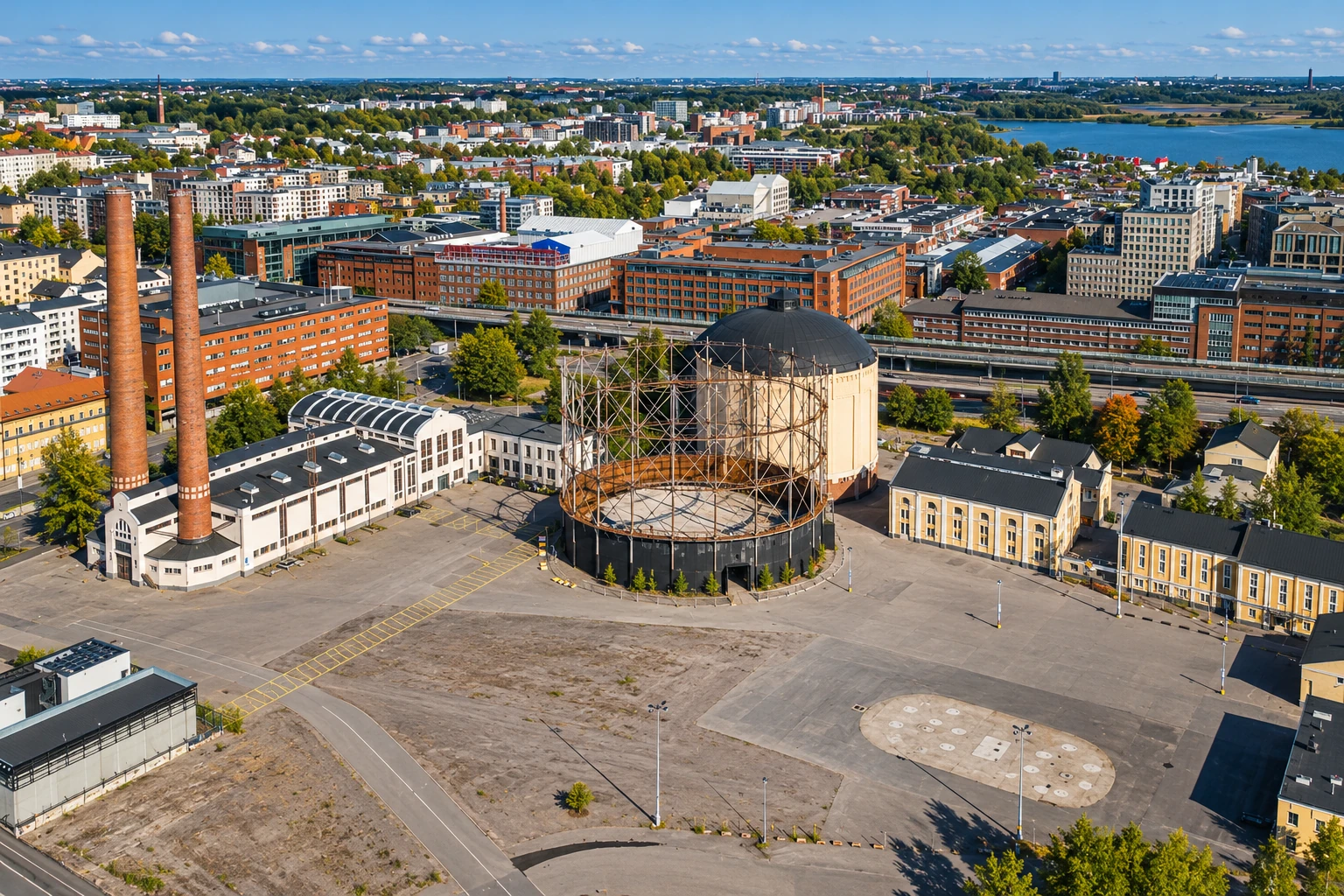
Festival season runs here: Flow Festival is typically held in the first half of August at the former Suvilahti power plant in Helsinki. In 2025, the World Dog Show ran 8 to 10 August and Tove Jansson and Finnish Art Day fell on 9 August. The Helsinki Festival runs from late August into early September. Ruska begins in late August in Lapland.
September
September is the start of the value season. Leisure trips in September 2025 totaled 256,000, and foreign overnights were about 480,000. In Lapland, about 21.7% of September nights were foreign, which makes it the most domestic month in the region. Ruska peaks in Lapland, and Northern Lights season restarts. Visit Suomi lists September as off-season, with Rovaniemi double rooms around €91 to €140 a night (indicative, April 2026). Rain increases on the coast. Harvest and food festivals take place across regions in September and October.
October
October is quiet. Leisure trips in October 2025 totaled 213,000 and foreign overnights were about 390,000. Hotel occupancy in October 2024 was 52% nationally. The rest of Finland finishes its color change in September and October, so southern and central forests are at their best early in the month. Northern Lights are returning. Pack water- and windproof layers. The Helsinki Baltic Herring Market ran 5 to 11 October in 2025, a good reason for a city break.
November
November is the lowest month of the year for leisure trips, at 191,000 in 2025. Days are short, and Helsinki is cold and damp. Lapland enters its winter season, and foreign overnights in November 2025 were about 500,000, more than October’s, as early-winter travelers arrive in the north. Events are few: All Saints’ Day on 1 November (a public holiday in 2025) and Finnish Swedish Heritage Day on 6 November. November suits quiet travel with early snow and aurora chances, as long as you accept the dark.
December
December is the busiest month in Lapland and the peak for total foreign overnights. December 2025 set a record for December foreign overnights at 987,900, up 9% year on year and 25% above December 2019. Lapland took 609,200 of them (62%), Helsinki 226,600 and Rovaniemi 158,000. Leisure trips were 482,000.
Prices follow demand. Statistics Finland reported that Lapland’s average hotel room price in December 2024 was €282 a night, up €40 on December 2023 and about 40% above December 2019, while Uusimaa averaged €119. Lapland occupancy was above 80%, against 49% nationally. Independence Day is 6 December, Christmas Eve and Christmas Day are 24 and 25 December, and Santa Claus’s annual departure from Finnish Lapland was on 23 December in 2025. Helsinki marks New Year at Senate Square with music and fireworks.
Best Months by Interest
Each headline attraction has its own window, and some are opposites.
| Experience | Best months |
|---|---|
| Northern Lights | September to March in Lapland, Arctic Lakeland and northern coastal areas such as Kemi |
| Midnight sun | June and July across Finland |
| Autumn colour (ruska) | Late August to early October, starting in Lapland |
| Winter sports | December to March in Lapland and Lakeland |
| Late-season skiing | April to May at Levi and Ylläs |
| City breaks | June to August in Helsinki, Turku, Tampere and Jyväskylä |
Northern Lights viewing and the midnight sun cannot share a trip, because the aurora needs dark skies. For the midnight sun in the north, mid-May to late July is the extended window. For the aurora, late January to March combines dark nights with snow, while late September to early October gives the same sky with fewer people. Ruska photographers should aim for late August to late September in Lapland and September to early October in the rest of the country.
Monthly Visitors and Hotel Prices
Leisure trips by month in 2025, in thousands, were as follows: January 291, February 271, March 272, April 232, May 265, June 353, July 492, August 513, September 256, October 213, November 191 and December 482. Two peaks stand out, August for the country overall and December for Lapland, with a long low stretch from April to May and from September to November.
Hotel prices follow the same pattern but with a regional twist. In December, Lapland’s €282 average sits against €119 in Uusimaa, a gap of more than double. Outside peak season, Visit Suomi’s indicative figures (April 2026) put mid-range Lapland hotels at about €91 to €200 a night, and Rovaniemi doubles at about €91 to €140 in April to May and September. Statistics Finland’s accommodation figures cover only establishments with 20 or more beds, so small cottages, free stays and platform rentals sit outside them, and prices there follow the same seasons.
Public Holidays and Closures
Public holidays in Finland, which the national calendar lists in full, drive short-term crowds and closures. Midsummer is the biggest: cities empty, many shops and restaurants shut, and rural public transport stops. Christmas shifts attention to Lapland and quiets the south. Vappu on 1 May brings crowds to Helsinki, and Independence Day on 6 December is a national holiday. The dates in this guide are for 2025, and festival dates move slightly each year, so confirm current dates with the organizers and the Finland Toolbox theme calendar before booking.
Picking Dates by Traveler Type
First-time visitors who want the classic mix should travel from late June to early August and pair Helsinki with a festival or Midsummer. Northern Lights hunters have the best chance from late January to March with snow, and fewer crowds in late September to early October. Budget travelers get the lowest Lapland prices in late April to May and in September, when crowds thin out. Families who want a festive atmosphere should go to Lapland in early to mid-December for Christmas. Book well in advance. Autumn color photographers should travel from late August to late September in Lapland, then follow the colors south.
Key Takeaways
- Match the month to the region: Lapland suits December to April for snow, June to July for the midnight sun, and September for ruska, while Helsinki and the south peak in June to August.
- Book Lapland early for December and January: December 2024 hotel rooms averaged €282 a night in Lapland against €119 in Uusimaa, with occupancy above 80%.
- Use late April to May and September for value: Rovaniemi doubles run about €91 to €140 a night, and September in Lapland is the most domestic month at 21.7% foreign nights.
- Treat August as the city peak: August 2025 had 513,000 leisure trips, the year’s high, and Helsinki hotels were 74% full in August 2024.
- Plan around Midsummer and Vappu: Cities empty at Midsummer and rural transport stops, while Helsinki fills on 30 April and 1 May.
- Separate aurora and midnight-sun trips: Northern Lights season runs September to March and the midnight sun lasts June to July, so one trip cannot include both.