Best Time to Visit India
India has no single best month because the seasons vary by region. For most travelers, October or November through March is the best window. It covers the Golden Triangle (the Delhi, Agra and Jaipur circuit), Rajasthan, the North Indian plains and South India, though December and January are the busiest and most expensive months. For more on timing, see https://www.lonelyplanet.com/articles/best-time-to-visit-india.
Other months suit particular trips. April to June is hot in the plains but opens the hill stations and the Himalaya. The monsoon, roughly June to September, brings fewer tourists and lower prices, and it is the season for Ladakh. Use the sections below to check each region, month, price pattern, fixed-date detail for the Taj Mahal and Char Dham pilgrimage, and festival calendar against your planned dates.
How India’s Seasons Work
Most of the country follows three broad seasons. The dry, mild season runs from about October or November to March. The hot season follows from April to June. The monsoon, the seasonal rains that sweep across the subcontinent, arrives in June and lasts into September. December to March is India’s dry, warm peak season for temples, beaches and tiger safaris.
The hot season is severe in the plains. Temperatures reach up to 45°C in some areas in May, along with rising humidity and thunderstorms in April and May. The monsoon cools things down, brings rain-soaked plains and bargain prices, and closes off or complicates travel in some areas while opening others. Ladakh, in the Himalayan north, is most accessible from June to September while the rest of the country is in monsoon.
Best Months by Region
The table gives the main windows. The sections after it explain the tradeoffs.
| Region | Best window | Limit or avoid |
|---|---|---|
| Delhi, Agra, Varanasi area | October/November to March | Peak heat, April to June |
| Rajasthan (Jaipur, Udaipur) | November to March | Heat, April to June |
| Himachal, Uttarakhand, Sikkim (Himalaya) | Spring and autumn windows, by sub-region | Monsoon in the eastern Himalaya, June to August |
| Ladakh | June to September | Winter |
| Sikkim and Darjeeling | April to May; September to October | Heavy rain, June to August |
| South India (Kerala, Tamil Nadu, Karnataka) | October/November to March, core December to February | Monsoon; rough seas in September |
| Goa | December to January is peak | Monsoon |
| Central and East India | November to February | Summer heat; monsoon |
Delhi, Agra and the Golden Triangle
The main season is October to March, with the peak in December and January. This period is consistently pleasant and dry, with highs up to about 34°C. Clear skies run from October to November, and fog settles in December and January. Morning fog disrupts air and road transport in the northern plains, so avoid tight connections on winter mornings. Delhi’s air pollution is at its worst from November to March.
March suits the Golden Triangle if you want to visit before the heat arrives. Delhi, Agra and Madhya Pradesh are warm and sunny in March, with cold dawns and dusks for safaris.
Rajasthan
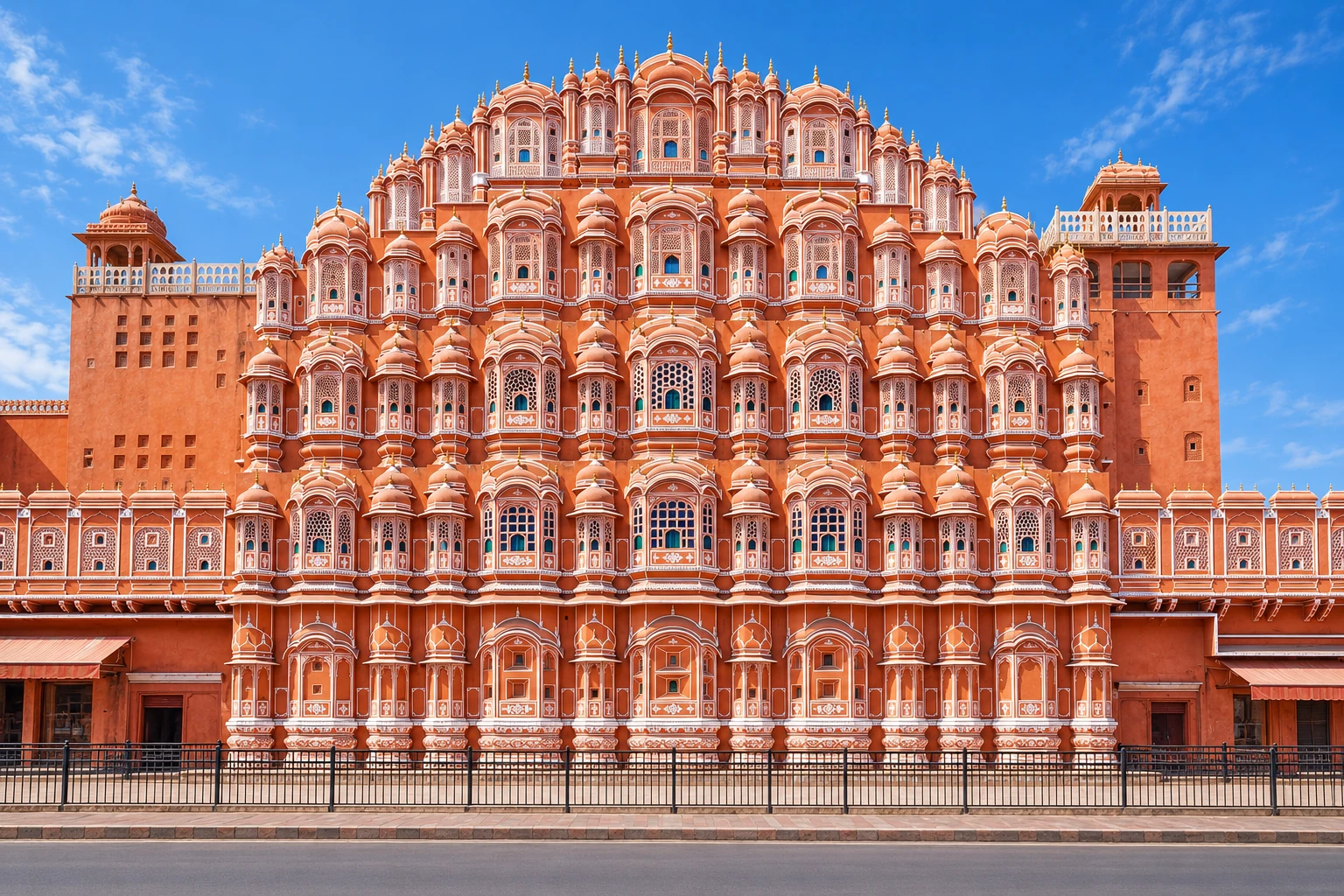
Rajasthan is one of India’s hottest regions, so November to March is the recommended window for Jaipur and Udaipur. From January to March the days are hot and the nights cooler. September works as a shoulder month, with decent weather and fewer crowds. April to June is too hot for a sightseeing-heavy itinerary.

Himalaya and Ladakh
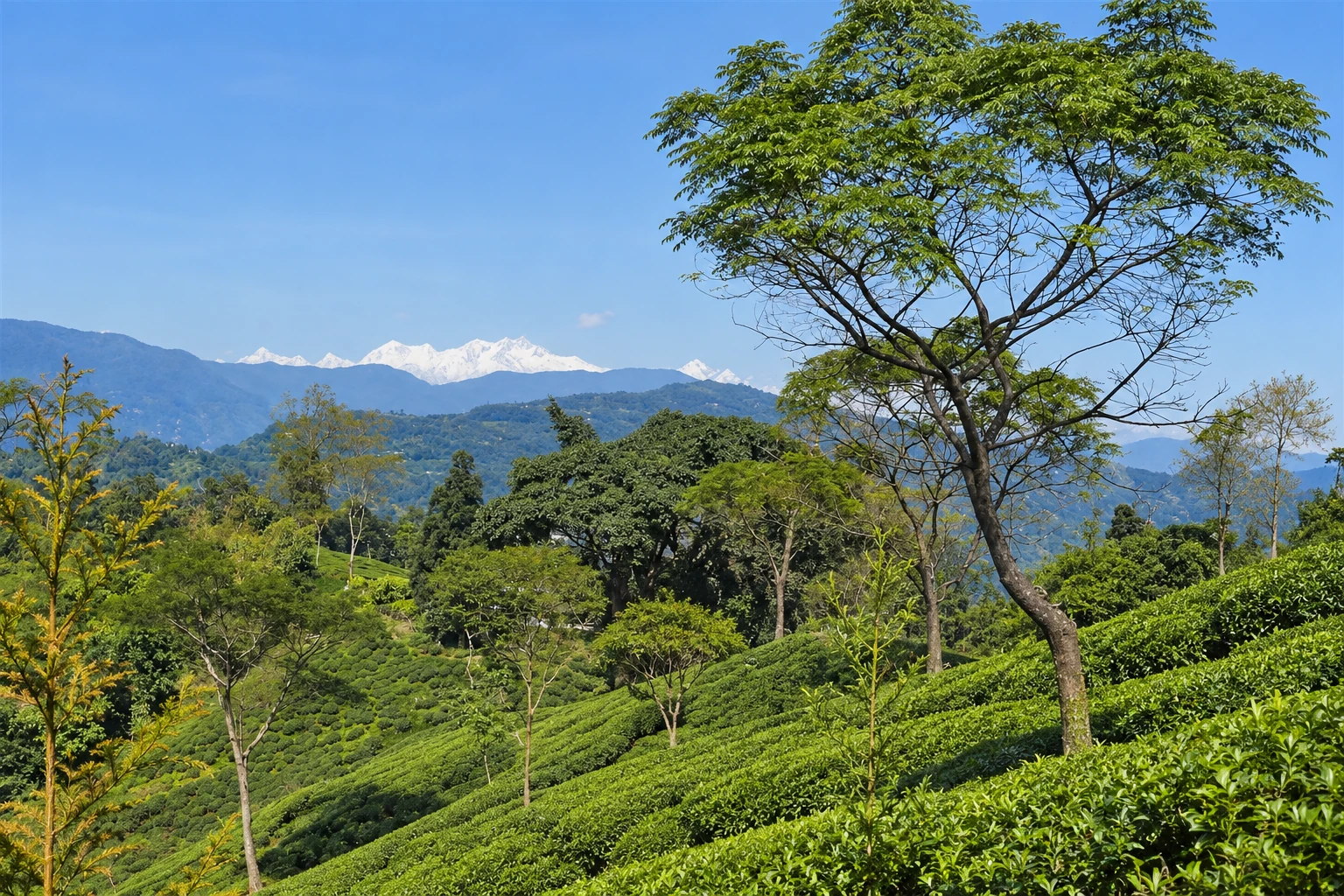
The Himalaya does not have one season, so pick the window for the specific area. March to June and September to late November are the prime months for the Indian Himalaya, which suits trekking and hill stations. November to February is the driest period, but January and February are very chilly at higher altitudes. April to May suits Himachal Pradesh and Sikkim.
Ladakh follows its own calendar. Its peak runs June to September, and the season can start in May. That makes Ladakh the natural choice for a summer trip when the plains are either scorching or soaked.

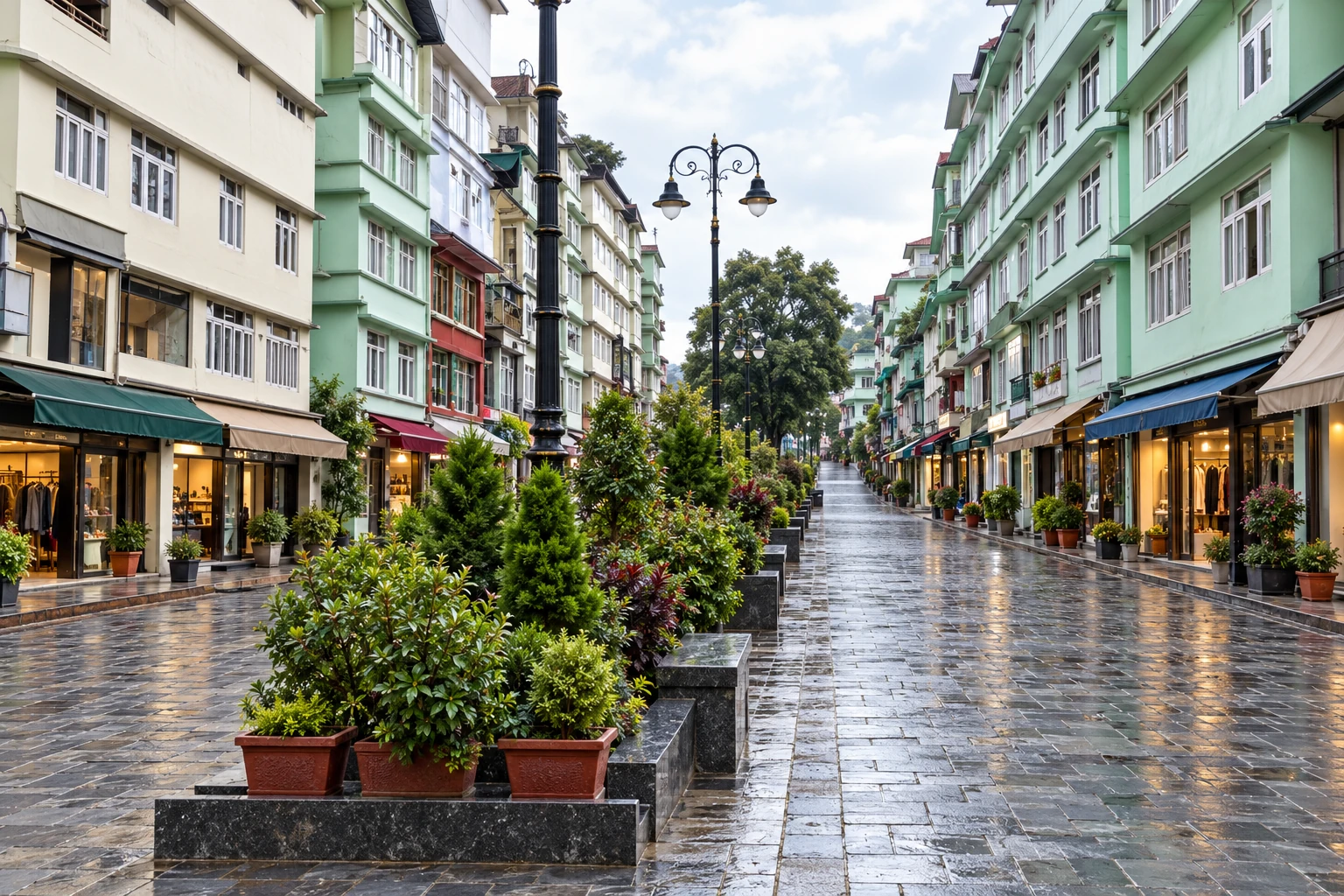
The eastern Himalaya, including Gangtok and Darjeeling, gets heavy rain from June to August. Plan a trip to Sikkim and Darjeeling for April to May or September to October, when conditions are excellent for Sikkim and the Himalayan parts of West Bengal.
South India and Goa
For Kerala, Tamil Nadu and Karnataka, the core window is December to February, when the weather is mild and dry and the beaches are at their best. The season stretches wider on both sides. October to March brings clear skies and manageable humidity. The southern states are best from November onward, once the monsoon ends. South India enters peak season in November and December.
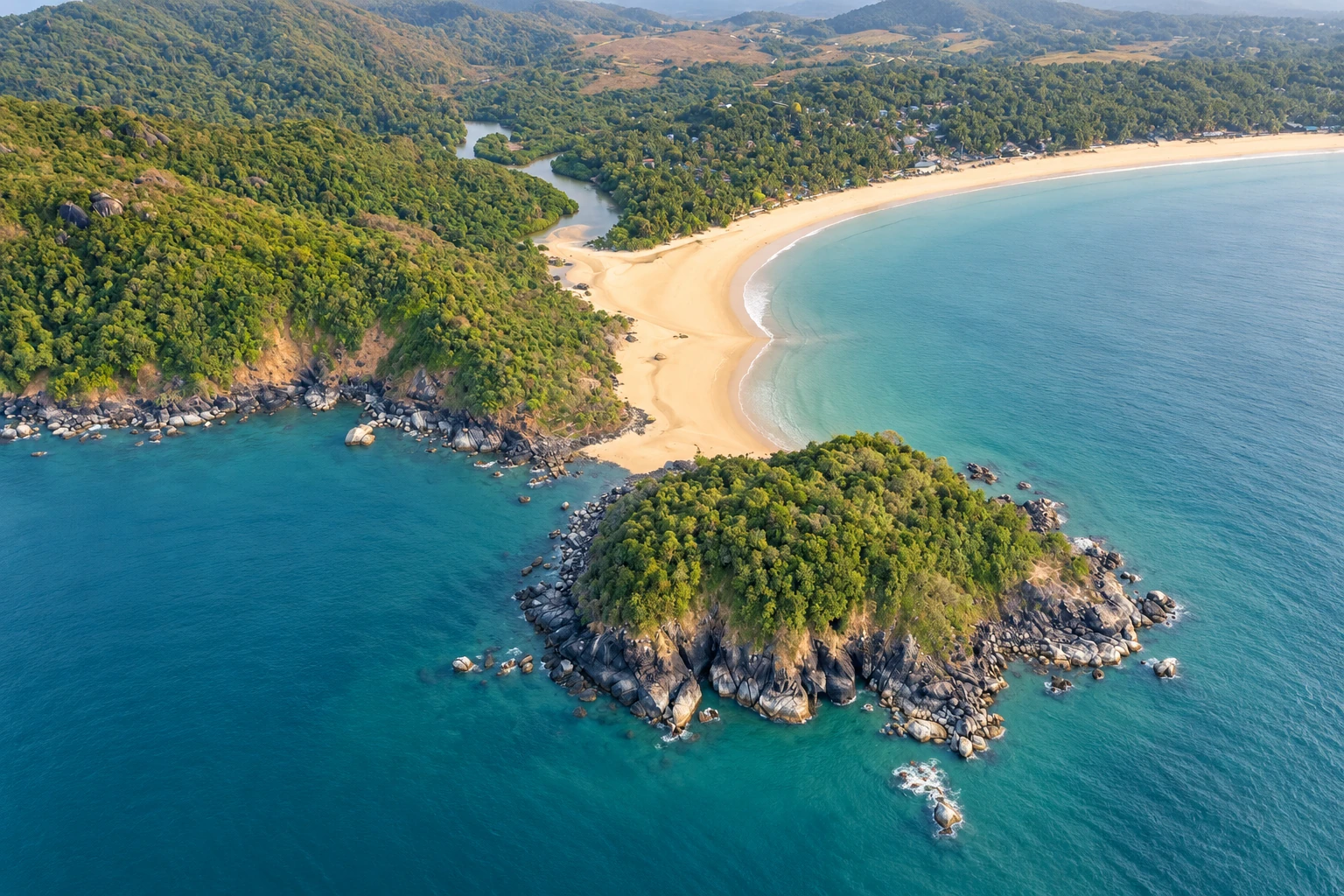
September brings high winds and rough seas in the south, so skip beach plans then. Goa’s peak tourist season runs through December and January, the most crowded and expensive stretch on the coast.
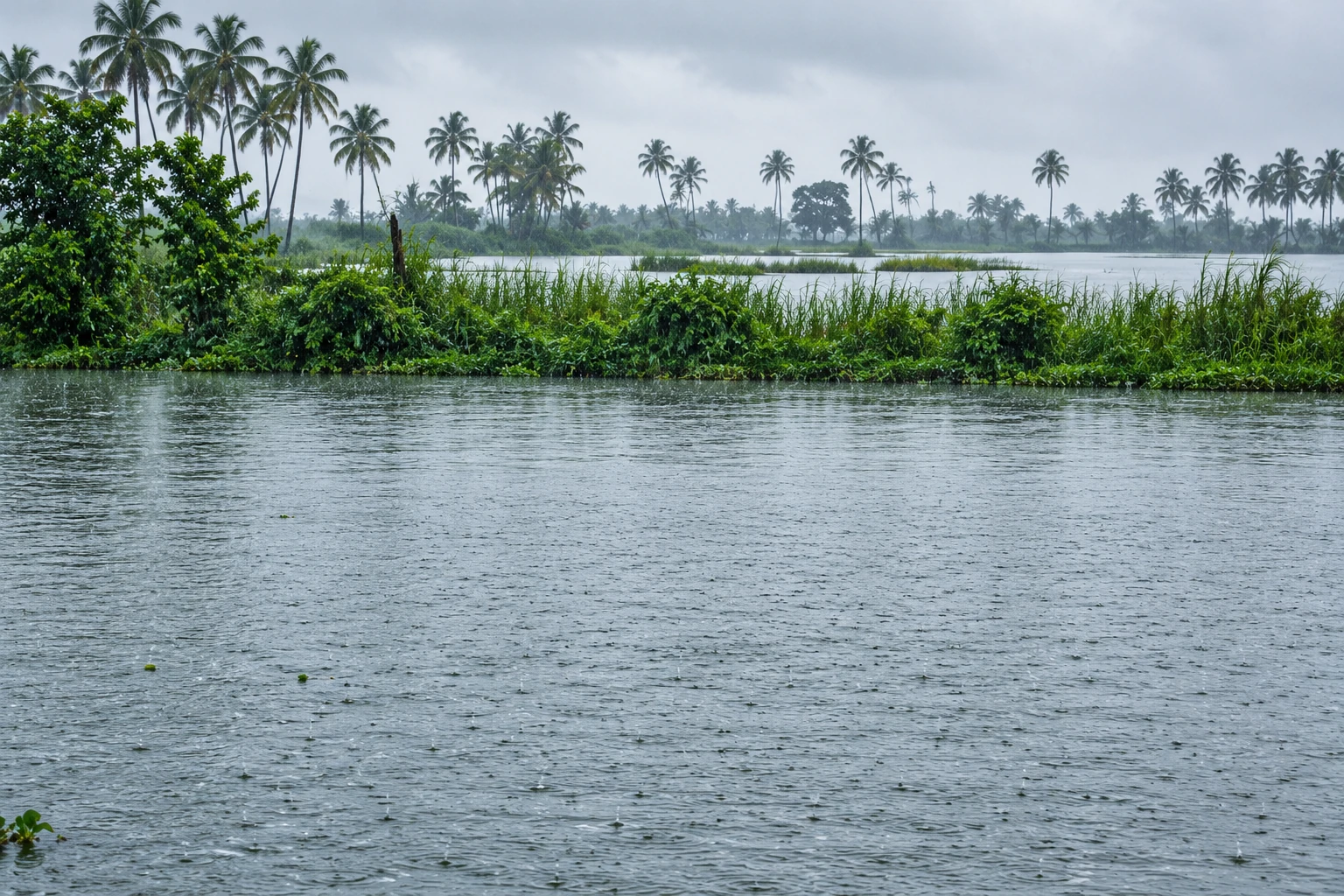
The monsoon is not a write-off in the south. Kerala, the Western Ghats and parts of South India are picturesque in the rains, and the monsoon offers unique experiences there. Take precautions for safety and comfort.
Central and East India
A climate that swings between scorching summers and humid monsoons makes November to February the most comfortable time for central and eastern India.
What to Expect Each Month
Festival dates below are 2025 dates. They shift every year, so check the calendar for your travel year.
January
January is peak season in the north. Nights drop below 10°C, and morning fog disrupts transport. Rajasthan has warm days and cool nights. Pongal and Makar Sankranti fall on 14 January, with Pongal observed in Tamil Nadu. Republic Day on 26 January is a national holiday. It suits heritage sightseeing in Delhi, Agra and Jaipur. It also suits beaches in Kerala and Tamil Nadu, and tiger safaris. Goa is at its peak.
February
The northern plains are cool and dry, and the Indian Himalaya is at its driest but very chilly at altitude. This is high season, and tickets are heavily booked from October to April. Vasant Panchami falls on 3 February and Maha Shivaratri on 26 February, a gazetted national holiday. The month is good for Golden Triangle sightseeing, South India beaches and trekking at lower altitudes.
March
Delhi, Agra and Madhya Pradesh are warm and sunny, and the heat starts to build by late March. March still belongs to the October to March high-tourist period. Holi falls on 14 March 2025, a national holiday that some states observe differently or not at all. Ugadi on 30 March is celebrated in Karnataka, Telangana and Andhra Pradesh. Id-ul-Fitr falls on 31 March 2025, subject to moon sighting. March suits the Golden Triangle before the heat, and it opens the spring window for the Himalaya.
April
Heat arrives in the plains, with humidity and thunderstorms in April and May. Prices drop, and April and May are described as good for budget-friendly trips. Mahavir Jayanti falls on 10 April, Bihu in Assam on 14 April and Good Friday on 18 April. The Char Dham Yatra opened on 30 April 2025. Go to hill stations such as Darjeeling, foothill treks, Sikkim or Himachal Pradesh.
May
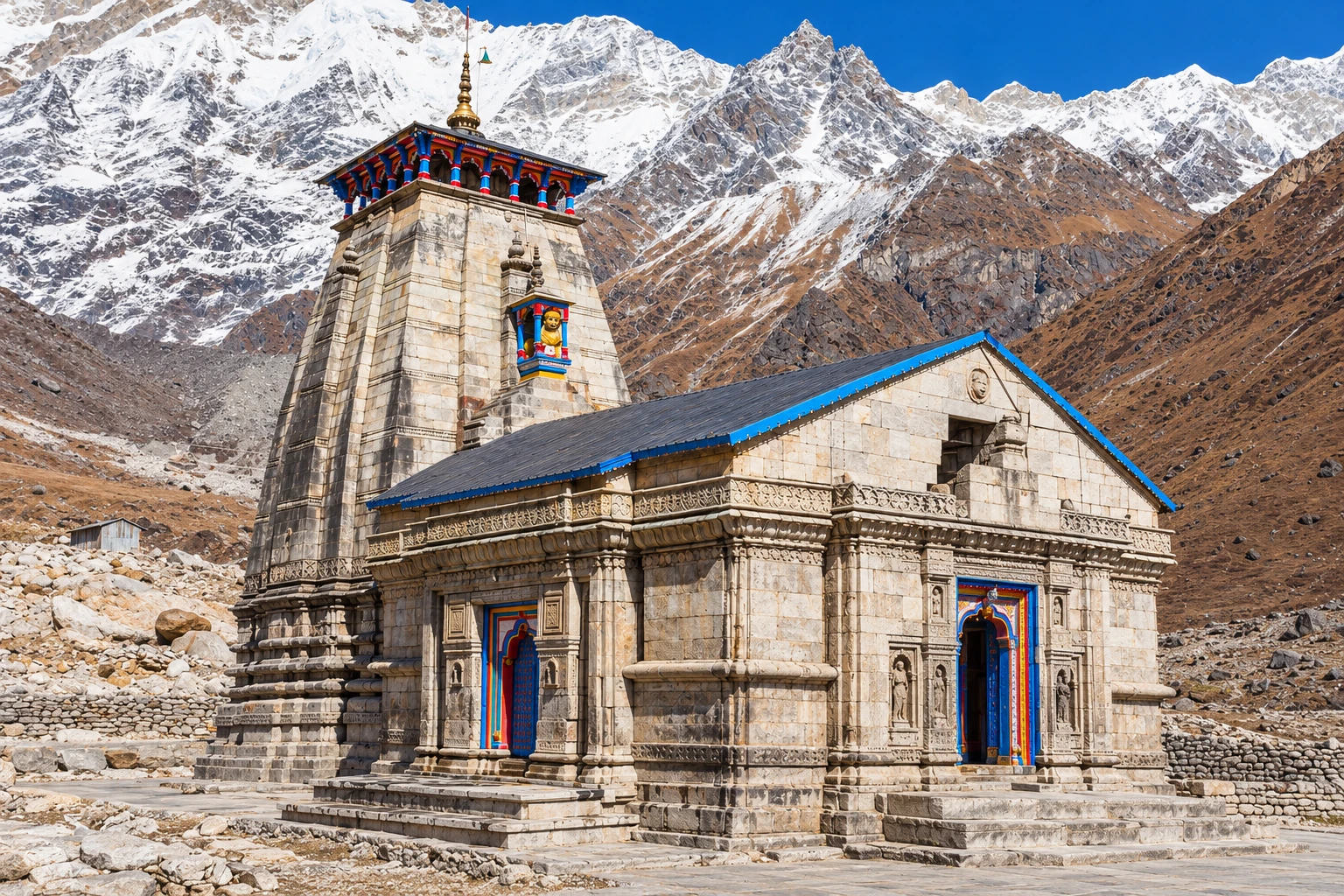
Temperatures in some areas reach up to 45°C, so the recommended escape is the hill stations and northern India. Kedarnath opened on 2 May 2025 and Badrinath on 4 May. Buddha Purnima fell on 12 May. May suits Ladakh, the Uttarakhand pilgrimage routes, and the Himalaya in general.
June
The monsoon begins to arrive, and the eastern Himalaya gets heavy rain from June to August. Most regions offer off-season rates. Bakrid (Id-ul-Zuha) falls on 7 June 2025, subject to moon sighting. June falls within Ladakh’s June to September season, so it suits a Ladakh trip.
July
Monsoon covers most of the country. Fewer tourists visit and the rain-soaked plains offer bargain prices. Muharram falls on 6 July 2025, subject to moon sighting, and Rath Yatra on 27 July. July suits travelers who want greenery and few crowds. It is also a good month for Kerala’s monsoon scenery and for Ladakh. Most national parks close during the monsoon, July to October, so confirm park dates before planning a safari.
August
Monsoon continues, with heavy rain in the eastern Himalaya. Raksha Bandhan falls on 9 August, Independence Day on 15 August, Janmashtami and Parsi New Year on 16 August, and Ganesh Chaturthi on 27 August, which Maharashtra observes. August travel conditions match July: prices are low, crowds are thin, and Ladakh is at its peak.
September
September is a transition month. The south has high winds and rough seas. Rajasthan has decent weather and fewer crowds. Sikkim and the Himalayan parts of West Bengal improve toward their September to October peak. Milad-un-Nabi falls on 5 September 2025, Kerala’s Onam celebrations ran from 5 to 14 September, and Durga Puja begins at the end of the month.
October
Northern India has clear skies. The south’s season begins as the monsoon ends. National parks reopen in late October or early November. The country moves back toward peak season by October. Festivals cluster here. Durga Puja runs from late September into early October, with Maha Saptami on 29 September, Durga Ashtami on 30 September and Maha Navami on 1 October. Dussehra (Vijayadashami) falls on 2 October, Kati Bihu in Assam on 18 October, Diwali on 20 October, and Govardhan Puja on 22 October. Bhai Dooj falls on 22 or 23 October and Chhath Puja on 26 or 27 October. October suits festival travel, the Golden Triangle and the start of the South India season.
November
Skies are clear in the north and the Indian Himalaya’s driest period begins. Delhi’s pollution is at its worst from November to March. November to December is the high season for most of the country, and South India enters peak season. Guru Nanak’s Birthday falls on 5 November. November suits the Golden Triangle, Rajasthan, South India and Himalayan trekking, which runs to late November.
December
December is cool with fog in the north. Daytime highs run in the low to mid-20s°C across northern India. It is peak season everywhere, and Goa’s peak runs through December and January. Christmas falls on 25 December. December suits beaches in Goa, Kerala and Tamil Nadu and temples and forts in the north, for travelers who accept crowds and higher prices.
Crowds, Prices and Booking
Peak season runs October to March, with December and January the busiest and most expensive months. The shoulder periods are late September to October, and April to May in the hills. The monsoon, June to September, is the low season, with bargain prices on the plains and off-season rates in June.
For the October to March window, book flights and hotels two to three months ahead. Booking pressure on tickets begins in October and runs through April. If you want winter dates in Goa, Kerala or Rajasthan, book earliest for December and January.
Taj Mahal and Red Fort Timing
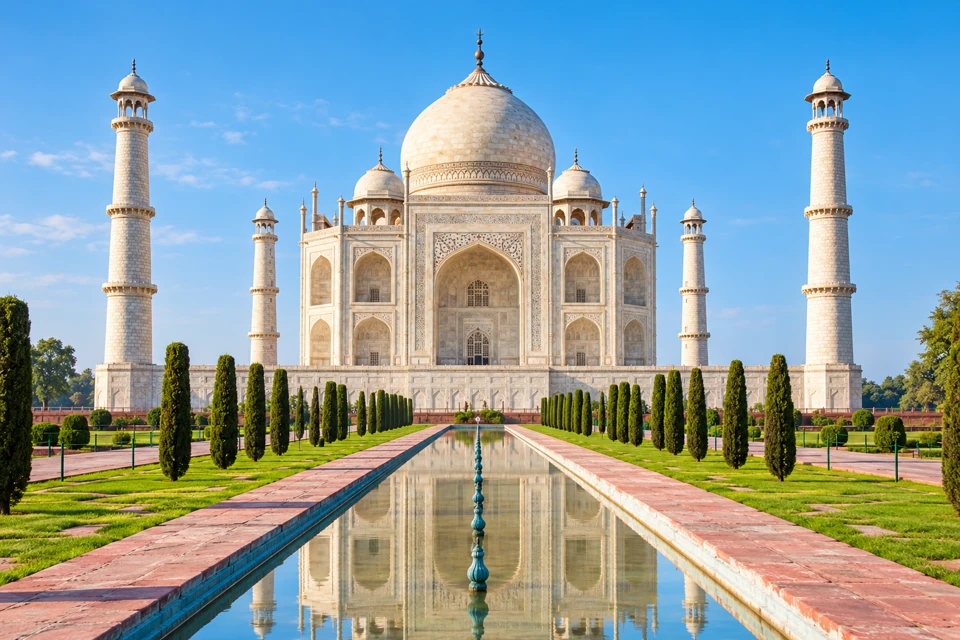
The Taj Mahal is the one site that most itineraries are built around, so its hours matter. According to the official visiting-hours page, it opens 30 minutes before sunrise and closes 30 minutes before sunset. It is closed on Fridays for general viewing and open on other days. Ticket counters at the Western Gate (near Saheli Burj) and the Eastern Gate sell tickets from one hour before sunrise until 45 minutes before sunset. The Southern Gate is exit only, and foreign and domestic visitors use separate queues.
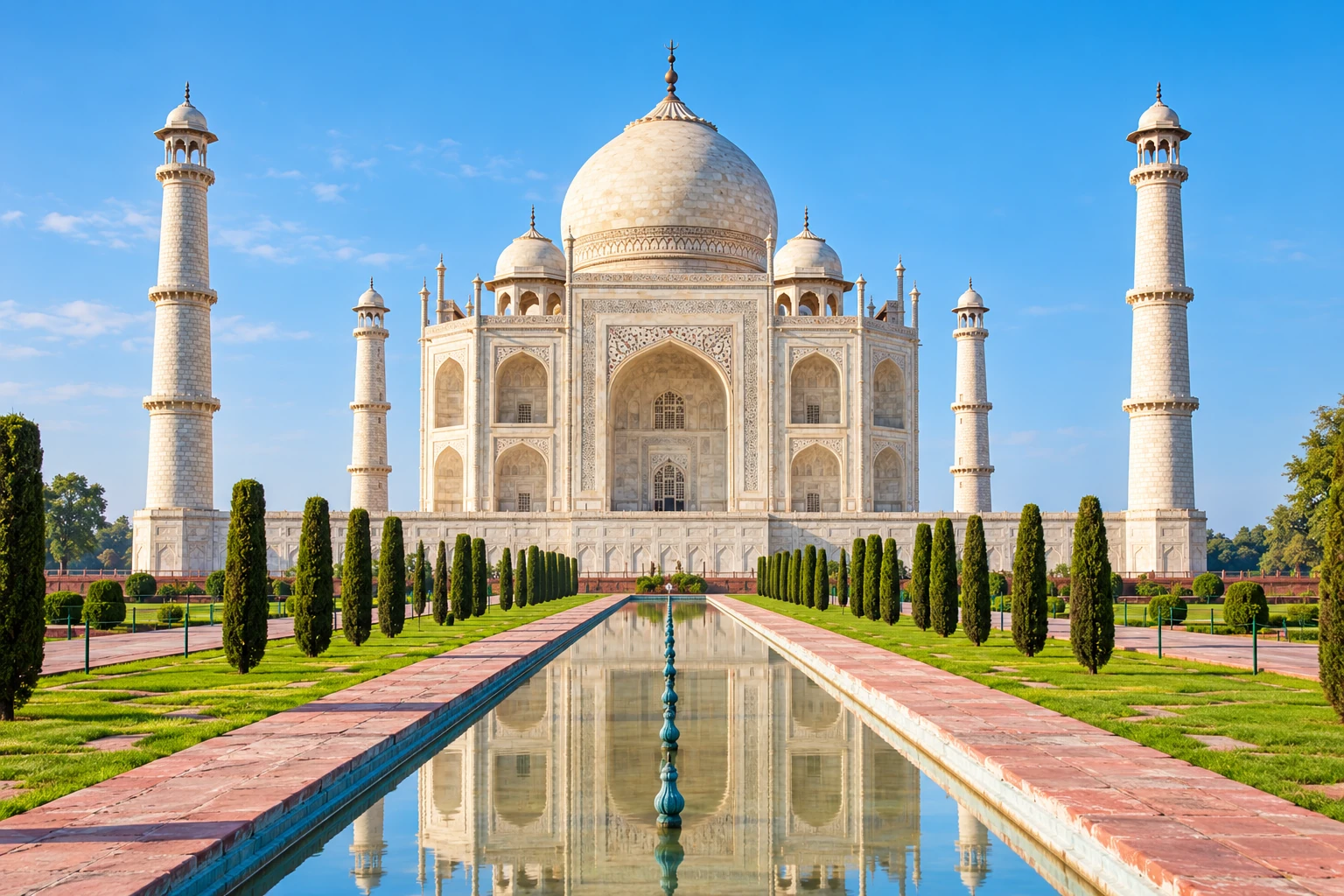
The same page lists fees inclusive of ASI (Archaeological Survey of India) and ADA (Agra Development Authority) charges. Foreign tourists from outside SAARC and BIMSTEC countries pay ?1,100 for the main complex, plus an optional ?200 for the main mausoleum, which comes to ?1,300 in total. Citizens of SAARC and BIMSTEC countries pay ?540 plus the optional ?200. Domestic visitors, Indian citizens and OCI cardholders pay ?50 plus the optional ?200. Online tickets carry a discount of ?5 per Indian ticket and ?50 per foreigner ticket, and children under 15 pay no entry fee. Because the mausoleum charge is an add-on, check the page before you travel.
In Delhi, the Red Fort charges foreigners ?500. The fort is open from 09:30 to 16:30 and closed on Mondays. Fees and hours change, so check the ASI notice before you go.

Char Dham and Festival Calendar
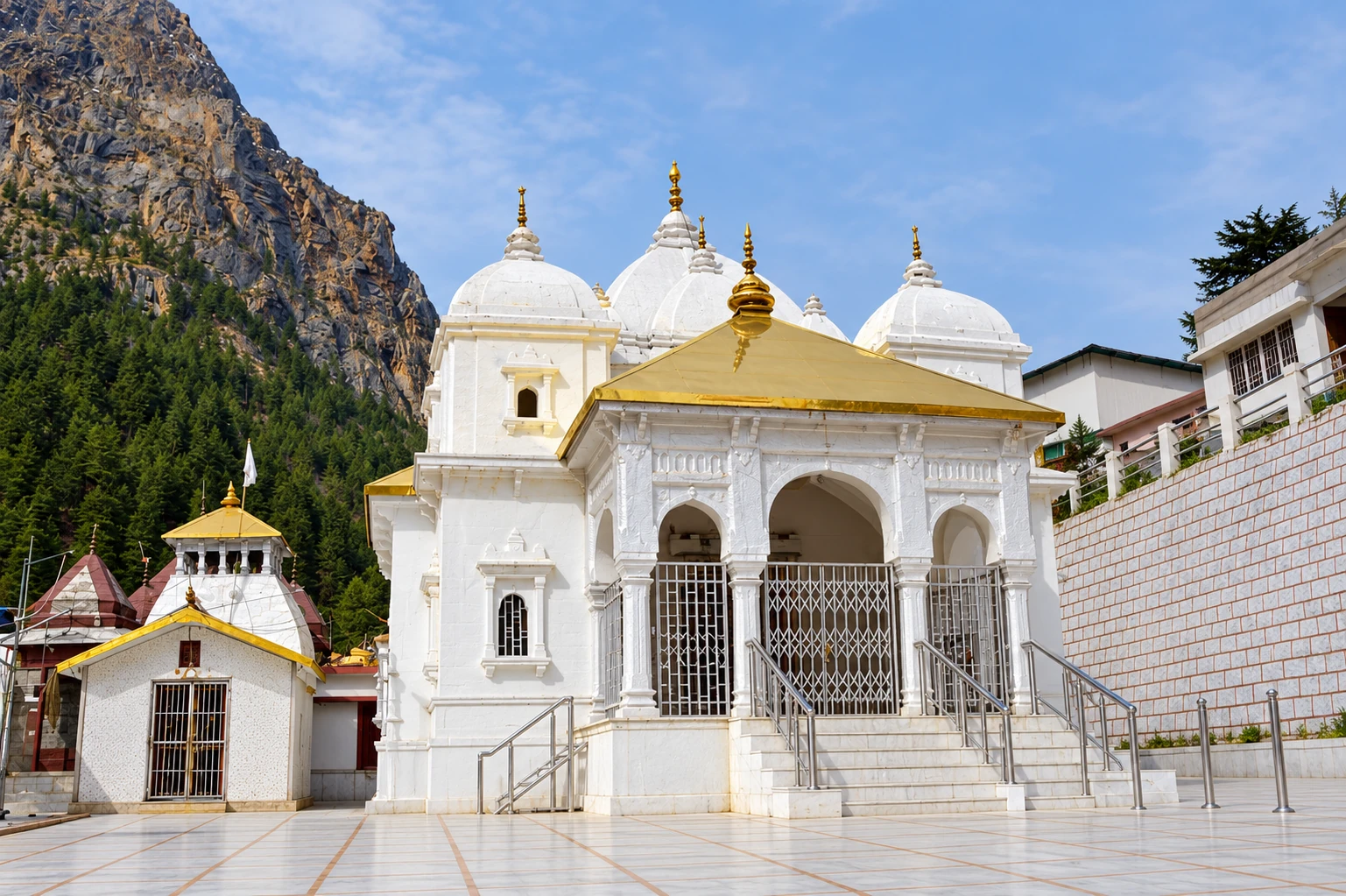
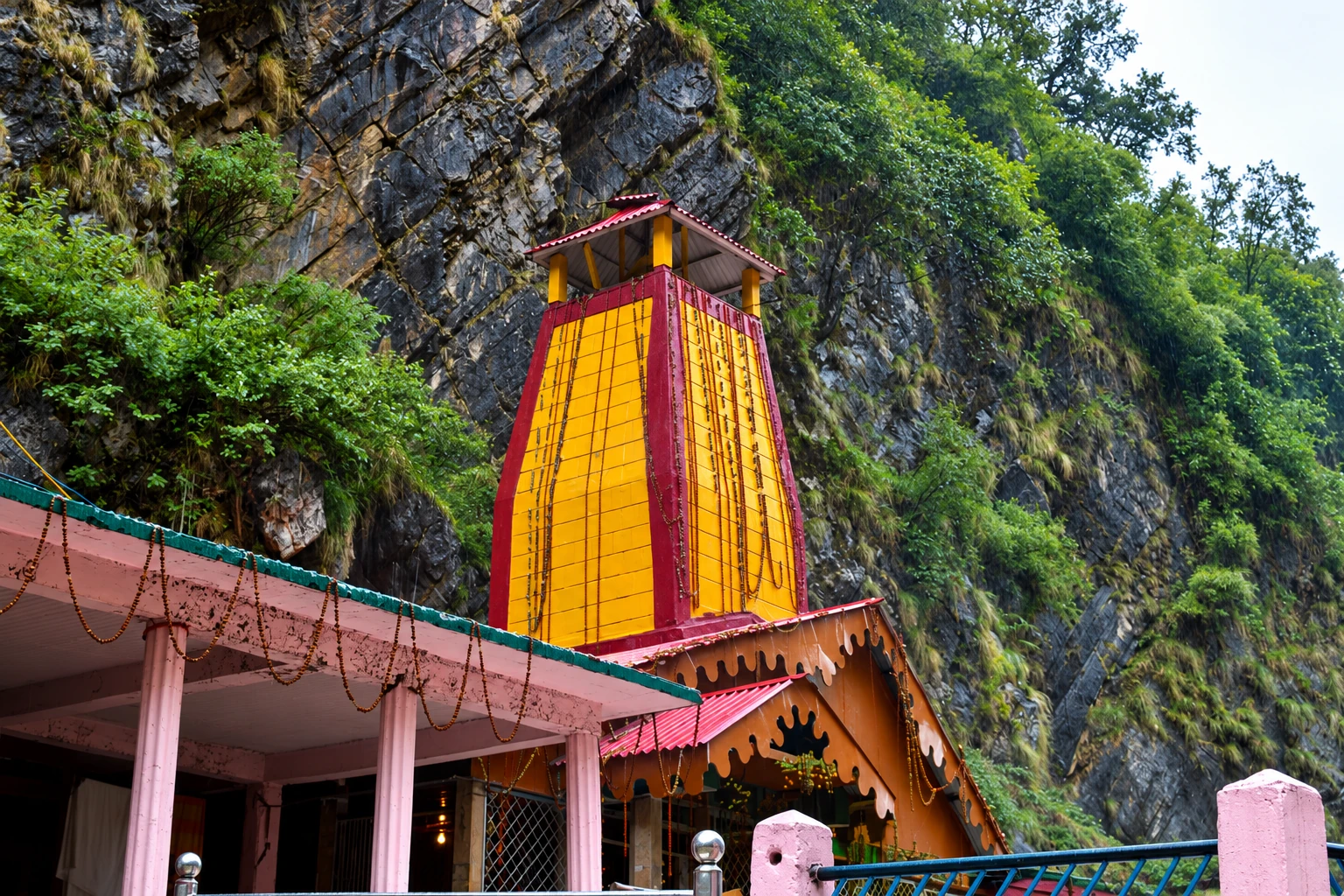
The Char Dham Yatra, the pilgrimage to four Himalayan shrines in Uttarakhand, opens only in late spring. In 2025, Gangotri and Yamunotri opened on 30 April, which was Akshaya Tritiya. Kedarnath opened on 2 May, and Badrinath opened on 4 May at 6:00 AM. Online puja (ritual offering) booking for Badrinath and Kedarnath opened on 10 April 2025. Opening dates are set each year, so check the temple committee’s current announcement.

India’s national calendar has two tiers. Gazetted holidays apply nationwide, and restricted holidays are optional observances. The 2025 gazetted list includes Republic Day (26 January), Maha Shivaratri (26 February), Holi (14 March), Id-ul-Fitr (31 March), Mahavir Jayanti (10 April), Good Friday (18 April), Buddha Purnima (12 May), Bakrid (7 June), Muharram (6 July), Independence Day (15 August), Janmashtami (16 August), Milad-un-Nabi (5 September), Gandhi Jayanti and Dussehra (2 October), Diwali (20 October), Guru Nanak’s Birthday (5 November) and Christmas (25 December).
Each state adds its own holidays. Maharashtra observes Gudi Padwa and Ganesh Chaturthi, and Tamil Nadu adds Pongal and Tamil New Year. Dates tied to the lunar calendar and moon sightings move each year, so confirm them against a current holiday calendar for your travel year.
Matching Season to Trip
For classic sightseeing in Delhi, Agra and Jaipur, travel between November and March, and choose February or early March if you want to avoid the busiest weeks. For beaches, go to Kerala, Tamil Nadu or Goa from December to February, and book early for Goa’s December and January peak. For tiger safaris, December to March is the dry peak, and the parks reopen in late October or early November after the monsoon closure.
For trekking and hill stations, choose by area. Pick April to May or September to October for Sikkim and Darjeeling, spring or autumn for Himachal and Uttarakhand, and June to September for Ladakh. For budget travel, April, May and the monsoon months offer the lowest rates, if you accept the heat or the rain. For festivals, October is the densest month, with Durga Puja, Dussehra and Diwali all within about three weeks, followed by Holi in March.
Key Takeaways
- Pick the month by destination: India’s regions run on different calendars, and the monsoon is the best season for Ladakh while it is the off-season for most of the country.
- Default to November through February: This window suits the Golden Triangle, Rajasthan and South India. March extends it in the north before the heat arrives.
- Book two to three months ahead for winter: December and January are the busiest and most expensive months, and Goa peaks in both.
- Use the hills in April to June: Plains temperatures reach up to 45°C in some areas in May, while Darjeeling, Sikkim, Himachal and the Uttarakhand pilgrimage routes are open.
- Check dates for festivals, parks and monuments: The 2025 festival and Char Dham dates move each year, and the Taj Mahal is closed on Fridays.