Best Time to Visit Turkey
Turkey has several climates, so the best month depends on your destination. In most of the country, April to June and September to October bring mild temperatures, moderate crowds, and mid-range prices. July and August are the hottest, busiest, and most expensive months. November to March is the cheapest and quietest period, but it is cold inland and in the east. December to March is also the main ski season.
Month-by-month and region-by-region breakdowns cover the Cappadocia balloon calendar, festival dates, official admission fees, and the dates that suit different types of trips. Climate figures come from the Turkish State Meteorological Service (MGM), and visitor counts come from Ministry of Culture and Tourism statistics. Temperatures are in °C, and entry fees are in euros, as the Ministry sets them.
Month-by-month temperatures and arrivals
The national temperature normals below come from the MGM climate report and cover 1991–2020. They are country-wide averages, so an Antalya beach or an Erzurum street will feel very different. The foreign arrivals column uses Ministry statistics for 2024 as a gauge of how busy the country is. Crowd and price tiers reflect seasonal patterns.
| Month | National mean normal (°C) | Foreign arrivals, 2024 | Crowds and prices |
|---|---|---|---|
| January | 2.9 | 2,047,027 (lowest month) | Low crowds, low prices |
| February | 4.1 | 2,294,579 | Low crowds, low prices |
| March | 7.7 | 2,701,244 | Low crowds, low prices |
| April | 12.3 | 3,611,244 | Moderate crowds, mid prices |
| May | 17.1 | 5,130,119 | Moderate crowds, mid prices |
| June | 21.8 | 5,860,446 | Moderate, rising crowds |
| July | 25.0 | 7,333,812 (peak month) | Peak crowds, high prices |
| August | 25.1 | 6,825,403 | Peak crowds, high prices |
| September | 20.9 | 6,054,431 | Moderate crowds, mid prices |
| October | 15.6 | 5,448,459 | Moderate crowds, mid prices |
| November | 9.3 | 2,733,663 | Lower crowds, more rain |
| December | 4.8 | 2,588,856 | Low crowds, low prices |
Turkey received 52,629,283 foreign visitors in 2024, up 6.95% on 2023. Arrivals climb from March to a July peak, fall sharply after October, and stay lowest from November through February. The pattern held in 2025, when July (7.12 million) and August (6.97 million) were the busiest months of the January–August period and January (2.17 million) the quietest.
Recent years have run warmer than these normals. The MGM report calls 2024 the warmest year in its 54-year record, with a national annual mean of 15.6°C against a normal of 13.9°C. April 2024 averaged 16.6°C against a normal of 12.3°C, and June 2024 averaged 25.4°C against 21.8°C. Pack for conditions a little warmer than the normals suggest.
Winter: December to February
Winter is the cheapest time to visit and the only time to ski. The national winter normal is 3.9°C, and winter is the wettest season nationally, with 205.3 mm of precipitation against 64.0 mm in summer. The coasts and the interior experience it very differently.
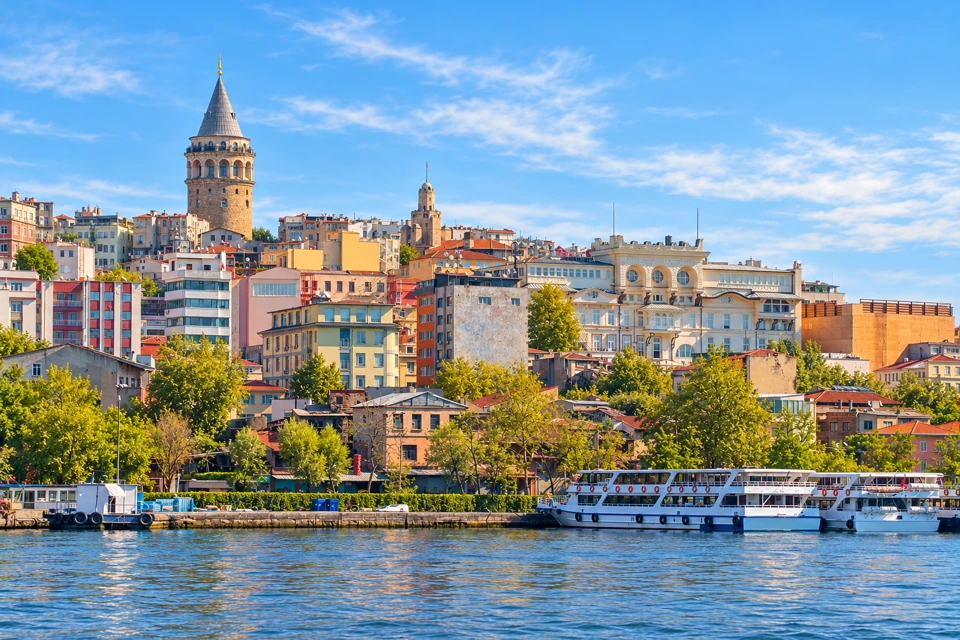
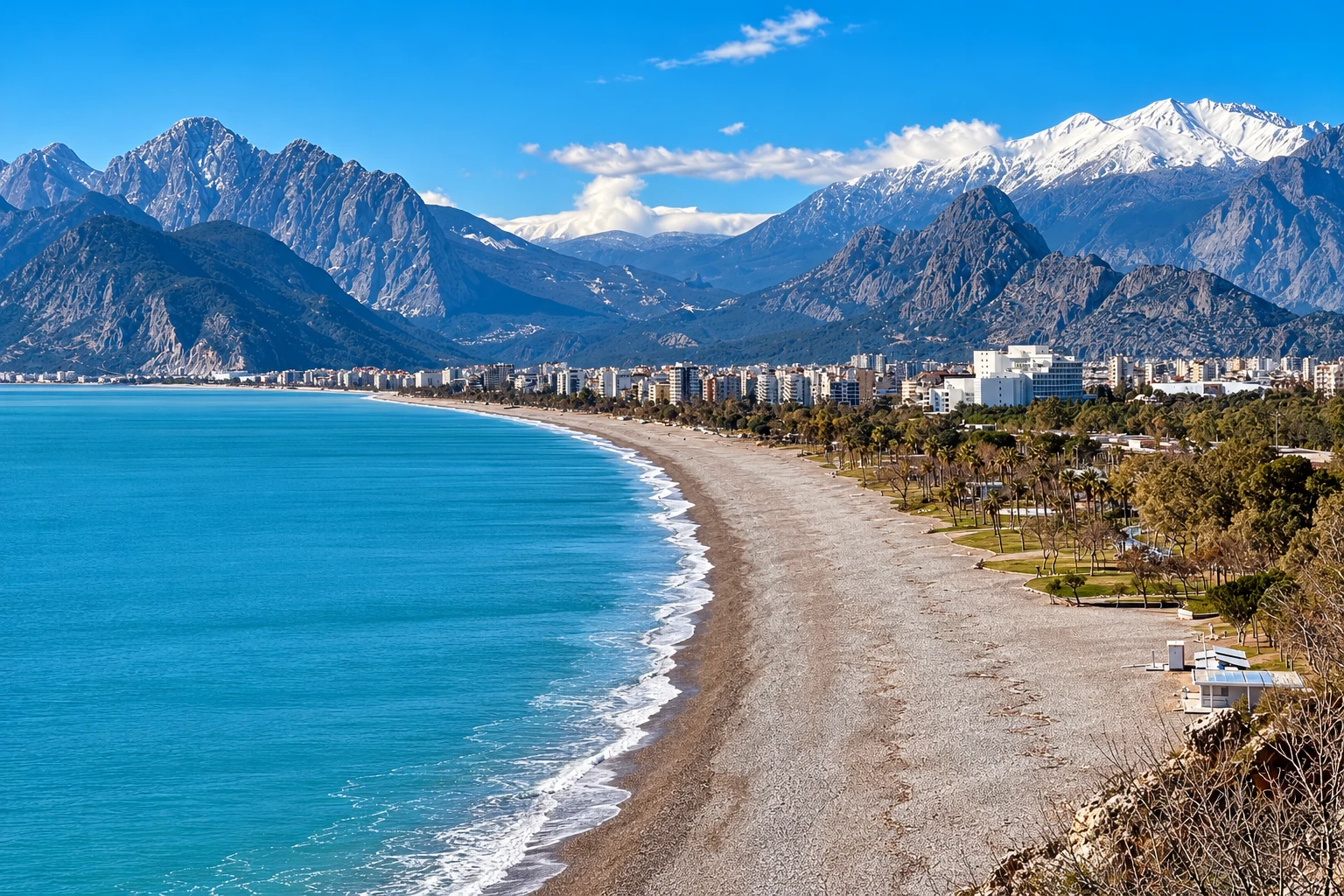
Istanbul in winter is cold and wet. Typical highs run 8–11°C, with cold rain and occasional snow, and average temperatures of 6–8°C. Cappadocia sits around ?3°C in winter, and Erzurum in the east around ?10°C. The Aegean coast has winter highs of 12–16°C and the Mediterranean coast 15–18°C, which makes them the mildest places to be in January, though it is not beach weather.
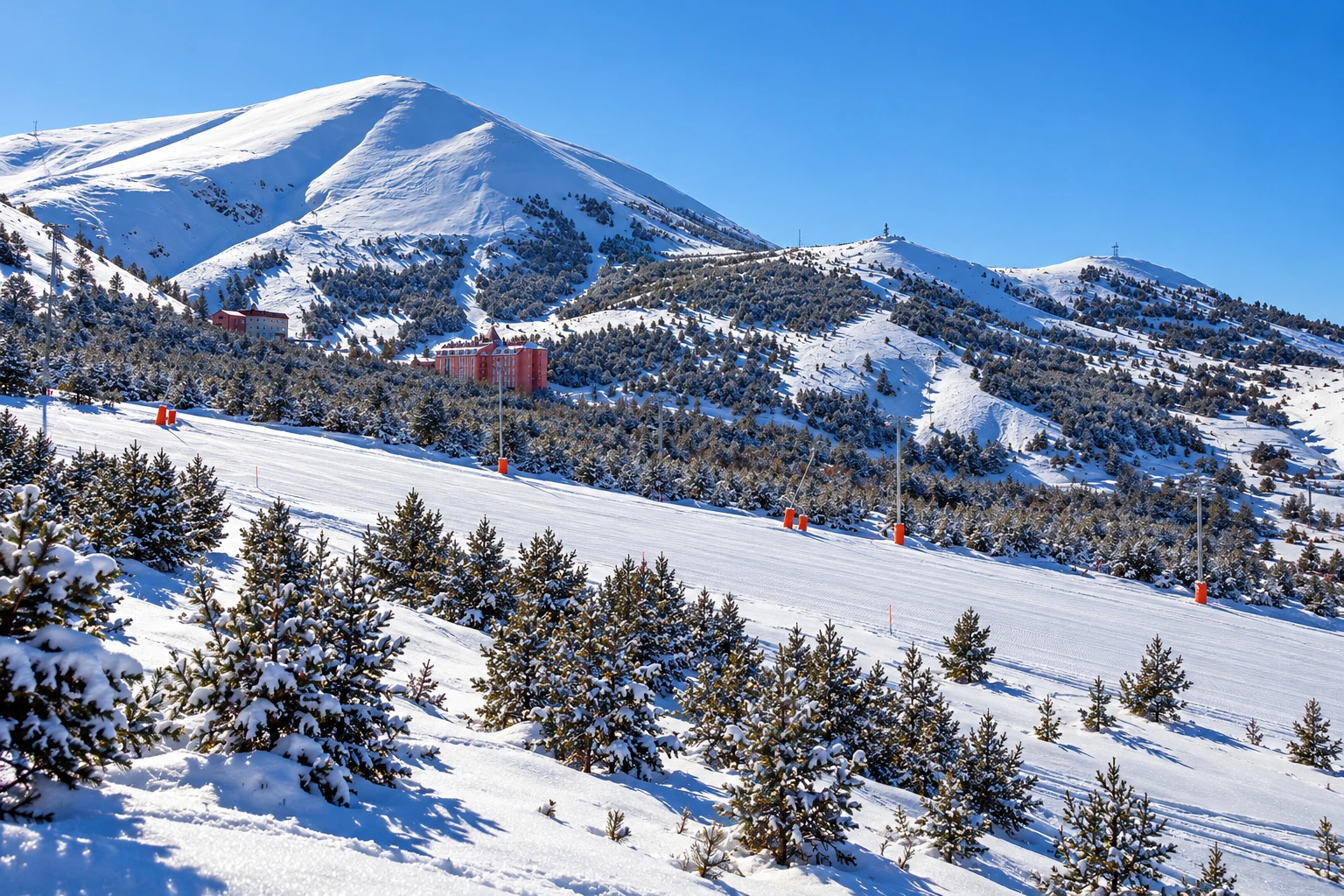
Skiers should look at Uluda? and Palandöken, where the ski season runs from December to March. January is also the best month for low prices and quiet museums, since it had the fewest foreign arrivals of any month in 2024. Istanbul fits a winter city break well, with indoor sights to fall back on when it rains.
In December, Konya hosts the Mevlana Festival, which ran 7–17 December in 2025. Adana holds the World Rak? Festival on the second Saturday of December, which makes the 2026 date 12 December. Winter closures and weather limit the Cappadocia balloons, as the balloon section below explains.
Spring: March to May
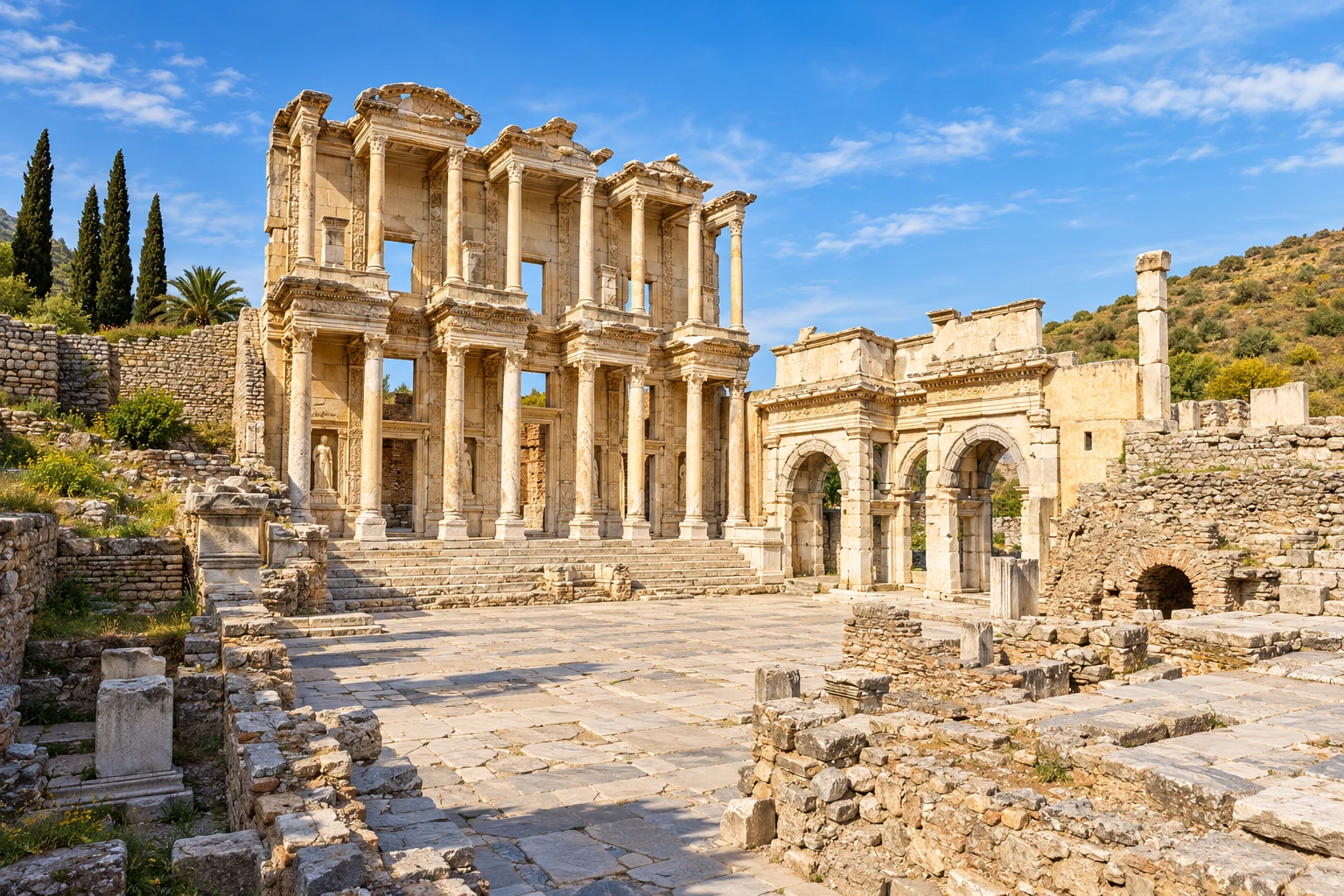
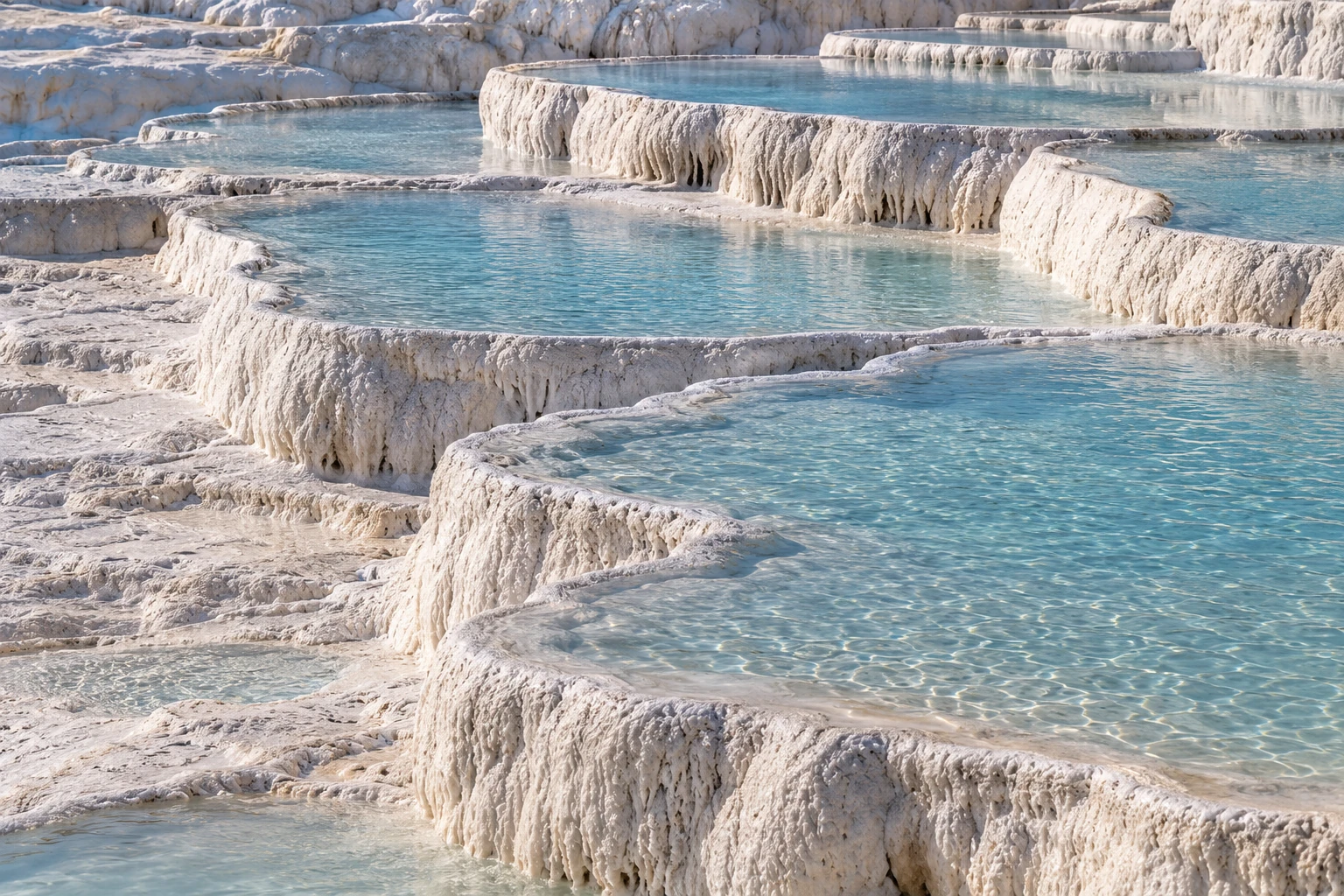
Spring is the strongest overall season. The national normal rises from 7.7°C in March to 17.1°C in May, and crowds stay moderate until late May. March remains low-priced and quiet. It suits the ruins at Ephesus and Pamukkale, which are at their best from March to May. Ski season ends in late March.
April is when the country turns green. Istanbul’s parks fill with tulips during the Istanbul Tulip Festival, listed for 1–30 April in 2026. Adana’s Orange Blossom Carnival was held in April in 2025. Cappadocia is green and pleasant, and the Lycian Way trekking season begins. Prices move to mid-range.
May offers the best mix of weather and space. In Istanbul, daytime temperatures run 12–22°C, in Cappadocia 8–22°C and in Antalya 15–26°C. Wildflowers are in full bloom for trekkers on the Lycian Way, and May is the last good month for a walking holiday before summer heat. The gulet cruise season begins, so wooden sailing boats start running along the coast. H?d?rellez, a spring festival, falls on 5–6 May, and Edirne holds its Kakava Festival on 5 May.
Istanbul hotels fill earlier than the national arrivals curve suggests. Ministry-certified facilities in the city reported 56.95% occupancy in May 2025, against 52.68% in July 2025, so May is a busy month for Istanbul even though it is a comfortable one.
Summer: June to August
Summer is the driest season nationally and the right choice for beaches and water sports. It is a poor fit for midday sightseeing inland.
June is a good compromise. The Antalya coast is swimmable from June, and Eastern Turkey’s season opens. Crowds are rising but have not reached the July peak. Culture events concentrate here. In 2025, the Istanbul Music Festival ran 11–26 June, the Aspendos Opera and Ballet Festival near Antalya ran June to July, and K?rkp?nar Oil Wrestling in Edirne ran 30 June to 6 July, as listed for 2025. Check the organizers for current dates before building a trip around them.
July is the busiest month, with 7,333,812 foreign arrivals in 2024, and Istanbul’s entry gates peaked at 1.91 million that month. The national normal is 25.0°C, and inland the heat is harder. Antalya’s daytime range in August is 24–35°C, and Cappadocia reaches 16–32°C. Pamukkale and Central Anatolia are very hot. Coastal towns such as Bodrum, Çe?me and Alaçat?, Fethiye and Ka? have their strongest nightlife and their highest crowds. Summer is also the season for kayaking, rafting, canyoning and diving. The 2025 events included the Istanbul Jazz Festival (1–17 July) and Soundscape Istanbul (26–28 July). The Cappadocia Music Festival is listed as an annual July event.
August is similar to July in heat, crowds and price, with 6,825,403 arrivals in 2024. It is a good month for coastal beach time and a poor one for midday ruins. The Cappadocia Hot Air Balloon Festival falls at the end of July and start of August.
If summer is the only option, book accommodation well ahead, start ruin visits at opening time, and use the middle of the day for the sea or a pool.
Autumn: September to November
September and October rival spring as the best time to go. The sea is still warm in early September, and crowds begin to thin after mid-September. Arrivals fall from 6,054,431 in September to 5,448,459 in October, and prices sit at the mid level.
September suits ruins, city walks and swimming. Izmir and Bodrum stay beach-friendly without the summer rush, and Istanbul’s September range is 17–27°C, Cappadocia’s 11–27°C and Antalya’s 20–31°C. Teknofest, a technology festival, is held in Istanbul in September.
October is the most comfortable month for Ephesus and Pamukkale, and a good one for Istanbul and Cappadocia. The national normal drops to 15.6°C, and most coastal areas remain pleasant for walking.
November is the start of the wetter, quieter season. Arrivals drop to 2,733,663, days are shorter and rain increases. It works for a city break in Istanbul with lighter crowds, and Ephesus and Pamukkale are still comfortable to visit. The Mediterranean coast stays warmer than most of the country.
Climate by Region
The MGM regional annual mean normals show how far the country spreads. Southeastern Anatolia has 17.4°C, the Mediterranean 17.3°C, the Aegean 16.1°C and Marmara 14.6°C. The Black Sea has 12.8°C, Central Anatolia 11.2°C and Eastern Anatolia 9.8°C. The table below gives typical highs and the best months, based on regional weather guidance.
| Region | Best months | Typical winter high | Typical summer high |
|---|---|---|---|
| Istanbul and Marmara | April–May, September–October | 8–11°C | 28–30°C |
| Cappadocia and Central Anatolia | April–June, September–October | 3–7°C | 28–31°C |
| Aegean coast and Ephesus | April–June, September–October | 12–16°C | 31–35°C |
| Mediterranean coast and Antalya | May–June, September–October | 15–18°C | 32–35°C |
| Black Sea coast | May–September | 10–13°C | 25–28°C |
| Eastern highlands | June–September | 0–5°C | 25–30°C |
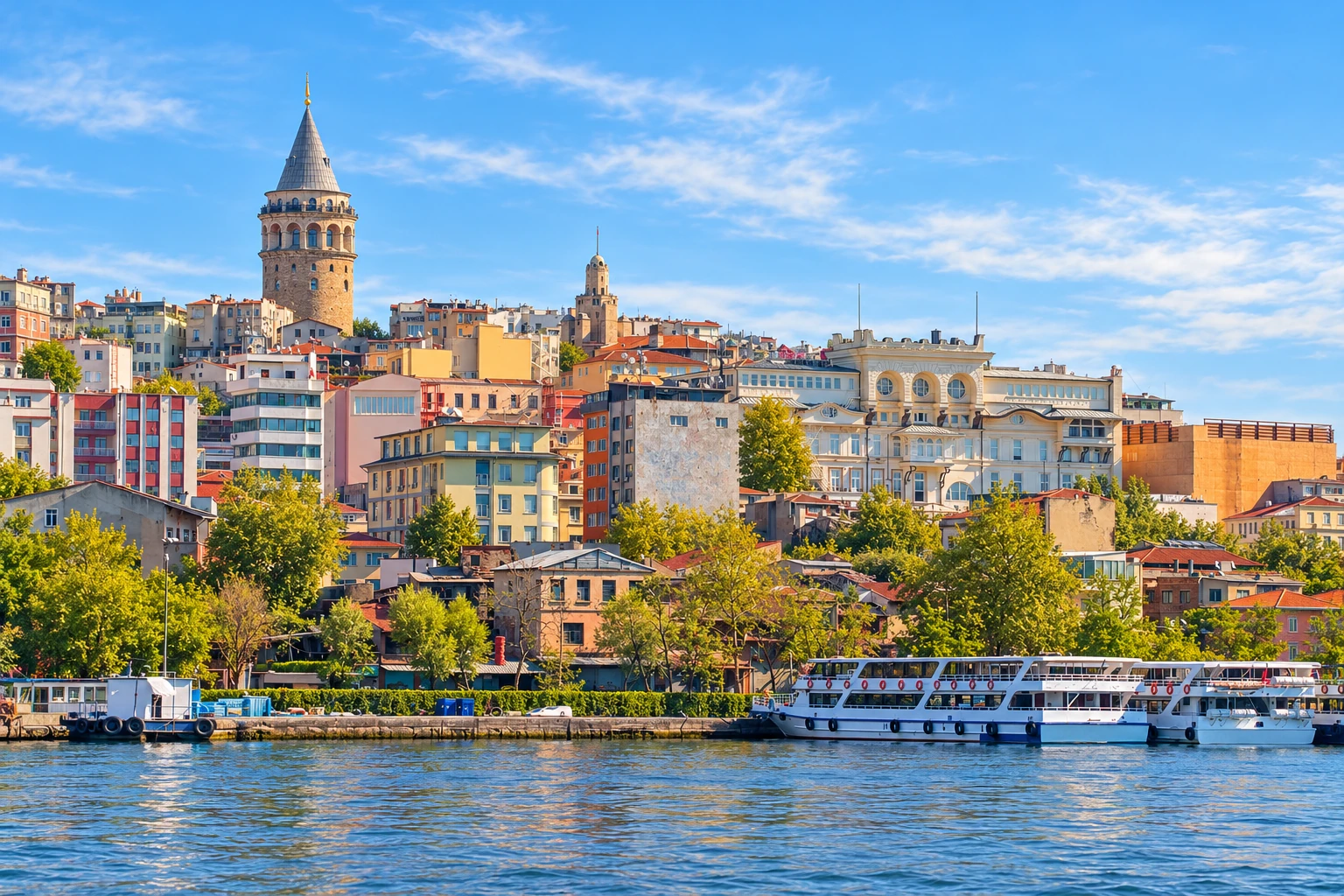
Istanbul and Marmara. Rain falls year-round, summer feels humid and winter is windy and wet. April to May and September to October make the city walkable without crowds.
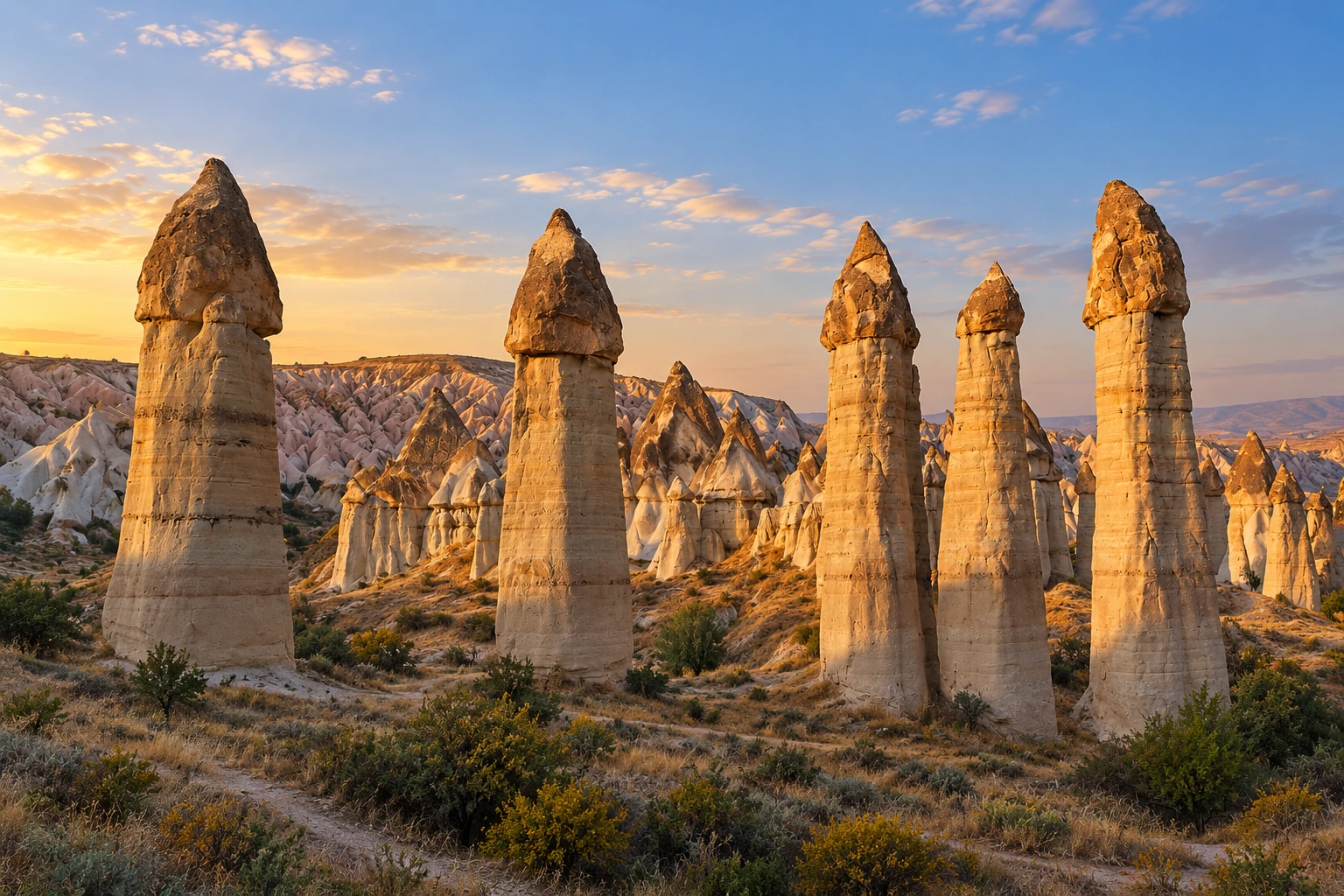
Cappadocia and Central Anatolia. Days and nights differ sharply. The May range of 8–22°C and the September range of 11–27°C show how cool mornings are even in good months, so bring layers for early balloon flights and sunrise walks in the valleys.
Aegean coast. Exposed ruins such as Ephesus are best in spring and autumn, when the summer highs of 31–35°C are absent. Izmir and Bodrum are beach-friendly in September.
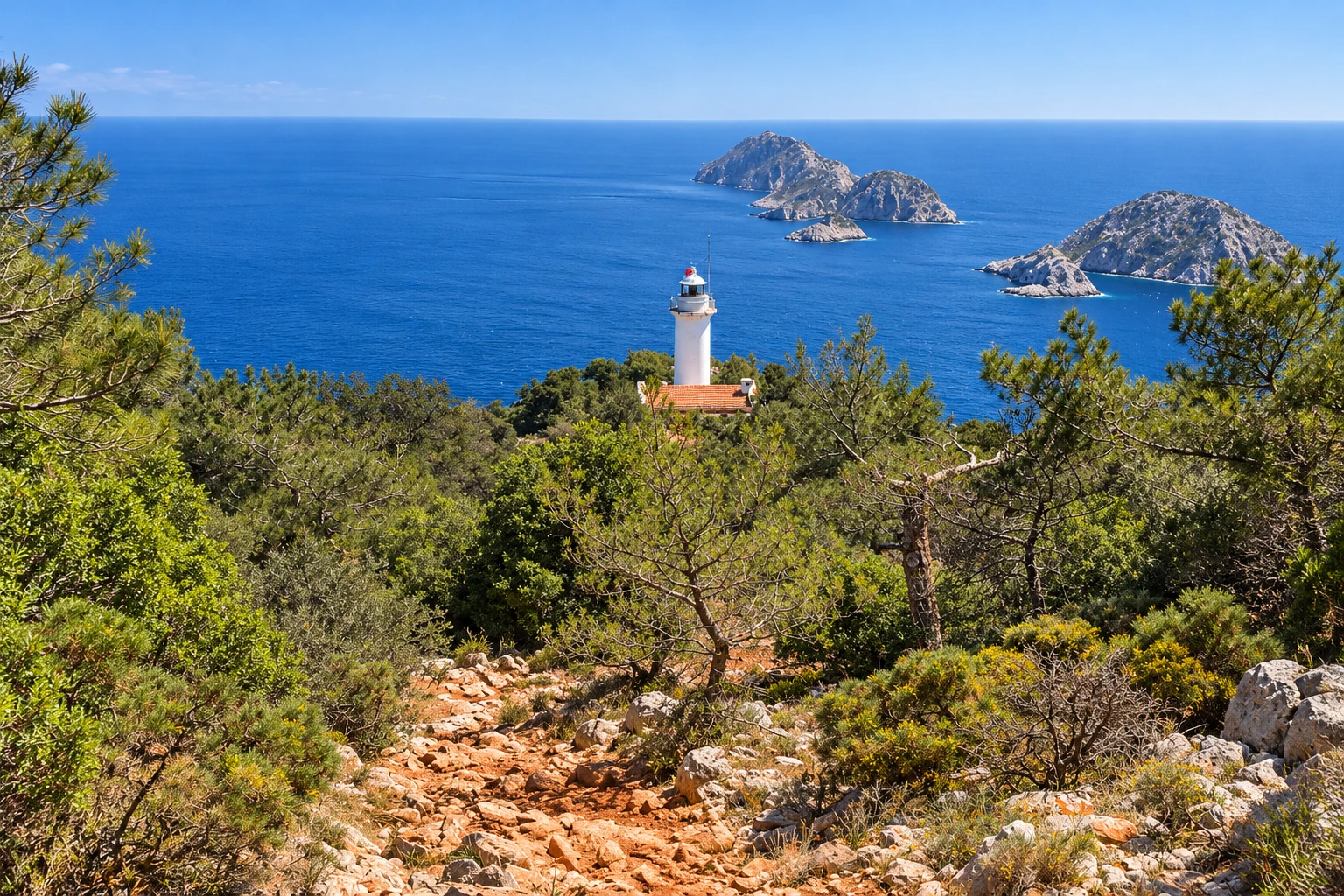
Mediterranean coast and Antalya. The swimming season runs from May to October, with the most comfortable warm-sea months in May–June and September–October. July and August are too hot for comfortable land excursions, so schedule them for early morning or evening.
Black Sea coast. This is among the wettest regions in Turkey, and rain falls through the year. May to September gives the best odds of dry days, with summer highs of 25–28°C.
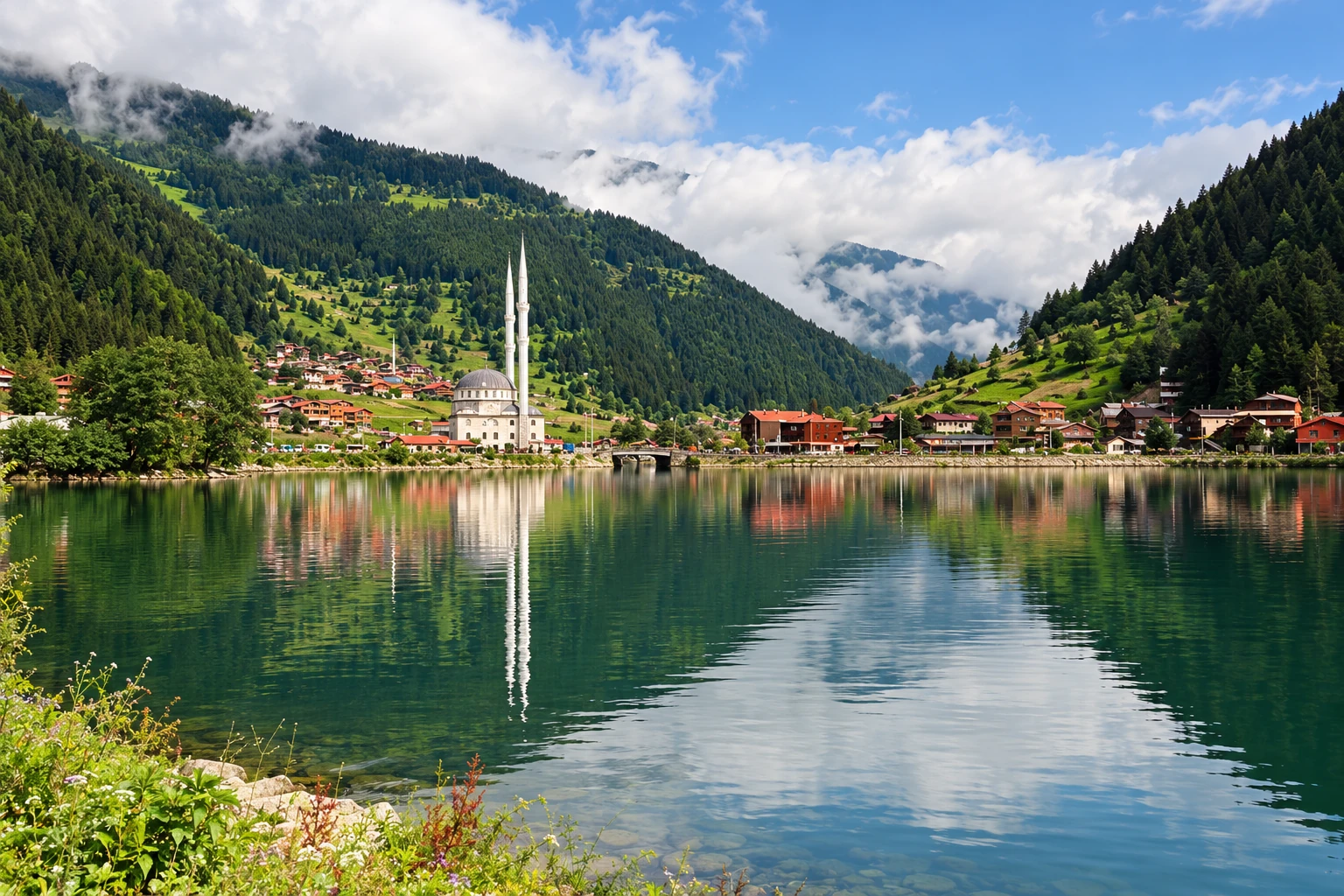
Eastern highlands. Winters are severe and snowy, and Erzurum drops to around ?10°C. Snow blocks mountain passes outside the summer window, so treat June to September as the core season and check road access before driving. The warmer-than-average pattern of recent years does not remove this constraint.
Cappadocia Balloon Timing
Balloon flights depend on wind, and the operators decide each morning whether to fly. The festival site gives the wind limits as a surface wind below 8–10 km/h and an altitude wind below 15–20 km/h. Commercial flights run most mornings of the year at about €80–€350 per person, weather permitting.
April to June and September to October give the best conditions, and winter has high cancellation rates. Summer flights also run, though snow shuts the balloons in winter. For a trip built around a balloon ride, spring or autumn is the sound choice. Keep a spare morning in the schedule so one cancellation does not cost the experience.
The Cappadocia Hot Air Balloon Festival (BalonFest) in Nev?ehir runs Thursday 30 July to Sunday 2 August 2026, its seventh edition. The wider Nev?ehir Culture Route Festival is listed for 3–11 August 2026, but the balloon festival dates above are the ones to plan around. The balloon festival is the last four days of that nine-day event, which has about 40 venues and roughly 400–500 events across the province.
At the festival, about 38–50 themed balloons from up to 27 countries fly over the fairy chimneys. The festival balloons carry no paying passengers, and watching from any public viewpoint is free. A weather go/no-go briefing happens at about 04:30, and the mass ascension, the Flight of Nations, follows at about 06:00. On selected evenings, tethered balloons are lit to music in Ortahisar, Ürgüp and Göreme from roughly 20:00 to 21:30. Expect peak-season crowds and prices across the region, and book rooms early.
Admission Fees and Passes
Official admission fees do not change by month. The Ministry of Culture and Tourism sets foreign-visitor fees in euros, and the current bylaw carries a 1 March 2024 price stamp. Amounts include VAT. Check the Ministry’s museum site before you go, since fees are revised.
| Site | Foreign visitor fee |
|---|---|
| Ephesus (Efes Örenyeri, including Digital Experience Museum) | €40 |
| Ephesus Museum, Selçuk | €10 |
| Efes Örenyeri–Yamaçevler houses | €15 |
| Ephesus combined ticket (museum, site, Yamaçevler, St. Jean monument), valid 72 hours | €65 |
| Ephesus combined ticket (site with Digital Museum, Yamaçevler), valid 72 hours | €52 |
| Göreme Open-Air Museum | €20 |
| Kaymakl? and Derinkuyu Underground Cities | €13 each |
| Zelve and Pa?aba?lar? (one ticket covers both) | €12 each |
| Galata Tower, Istanbul | €30 |
| Maiden’s Tower, Istanbul | €27 |
| Istanbul Archaeology Museums | €15 |
| Turkish and Islamic Arts Museum, Istanbul | €17 |
Euro tariffs are paid in Turkish lira at the Central Bank of the Republic of Turkey’s effective selling rate from the previous day. Foreign children aged 8 and under enter free with a passport or ID.
Regional Museumpass cards suit trips with many stops:
- Museumpass Türkiye: €165 for 15 days, covering more than 300 sites
- Museumpass ?stanbul: €105 for 5 days
- Museumpass Ege: €95 for 7 days (?zmir, Ayd?n, Mu?la, Denizli)
- Museumpass Akdeniz: €90 for 7 days (Antalya, Mersin, Adana, Denizli)
- Museumpass Kapadocya: €65 for 3 days (Nev?ehir, Aksaray)
A traveler who visits Ephesus (€40), Göreme (€20), Galata Tower (€30) and a few Istanbul museums will approach the regional pass prices quickly, so add up the planned sites before buying. Passes are accepted at Ephesus, Göreme, Kaymakl?, Derinkuyu and Galata Tower, among others.
Choosing Dates by Trip Type
For a first trip combining Istanbul, Cappadocia and the Aegean ruins, choose late April to May or late September to October. Temperatures suit walking, prices are mid-range and crowds are manageable. Istanbul is busy in May, so book hotels early.
For a beach holiday on the Mediterranean or Aegean, June and September give warm sea without the heat and crowds of July and August. If school holidays force midsummer travel, pick the coast and keep inland sightseeing to the early morning.
For ruins, aim for March to May or September to October. Ephesus and Pamukkale are exposed and hot in July and August.
For trekking, May is the best month on the Lycian Way, with wildflowers in bloom, and the season starts in April. Autumn works for walking too.
For a ballooning trip, April to June or September to October offers the most reliable mornings.
For skiing, go between December and March to Uluda? or Palandöken.
For the lowest prices, travel from November to March, accepting cold, rain and shorter days. Istanbul is the best base then, because most of its attractions are indoors.
For Eastern Turkey, the window is June to September, when passes are open and temperatures reach 25–30°C.
Summary of recommendations
- Pick spring or autumn for most trips: April to June and September to October bring mild weather, moderate crowds and mid-range prices across Istanbul, Cappadocia and the Aegean.
- Avoid midday sightseeing in July and August: these months hold the national arrivals peak (7,333,812 in July 2024), the highest prices and coastal highs of 32–35°C in the south.
- Match the region to the month: Eastern Turkey’s window is June to September, the Black Sea is best from May to September and stays wet, and the Mediterranean coast swims from May to October.
- Book balloons in spring or autumn with a spare morning: flights depend on wind limits, and winter cancellations are high. The 2026 festival runs 30 July to 2 August.
- Budget entry fees in euros: Ephesus costs €40 and Göreme Open-Air Museum €20, paid in lira at the previous day’s rate, and the fees are the same in every month. Compare the regional Museumpass prices against your itinerary.