Canada Entry Requirements for US Travelers
US citizens do not need a visa to visit Canada for tourism, business, or to see family and friends. You need a valid US passport. If you arrive by air, you do not need an electronic travel authorization (eTA), an online permit that visa-free foreign visitors must obtain before boarding. Visitors usually stay up to six months, and a Canada Border Services Agency (CBSA) officer sets the exact date when you enter.
Work, study, and stays longer than six months require a visa or permit. Customs rules limit how much alcohol, tobacco, and gifts you can bring in without paying duty, and you must declare everything you bring. The sections below cover each requirement, and the last section explains how the rules differ for travelers with other passports.
Passport validity for US citizens
Your US passport must be valid when you arrive in Canada. For US citizens, Canadian immigration does not require six months of remaining validity, as the entry rules for US citizens explain. Airlines sometimes ask for more validity than that before they let you board, so the airline’s own requirement is the one to check before you fly.
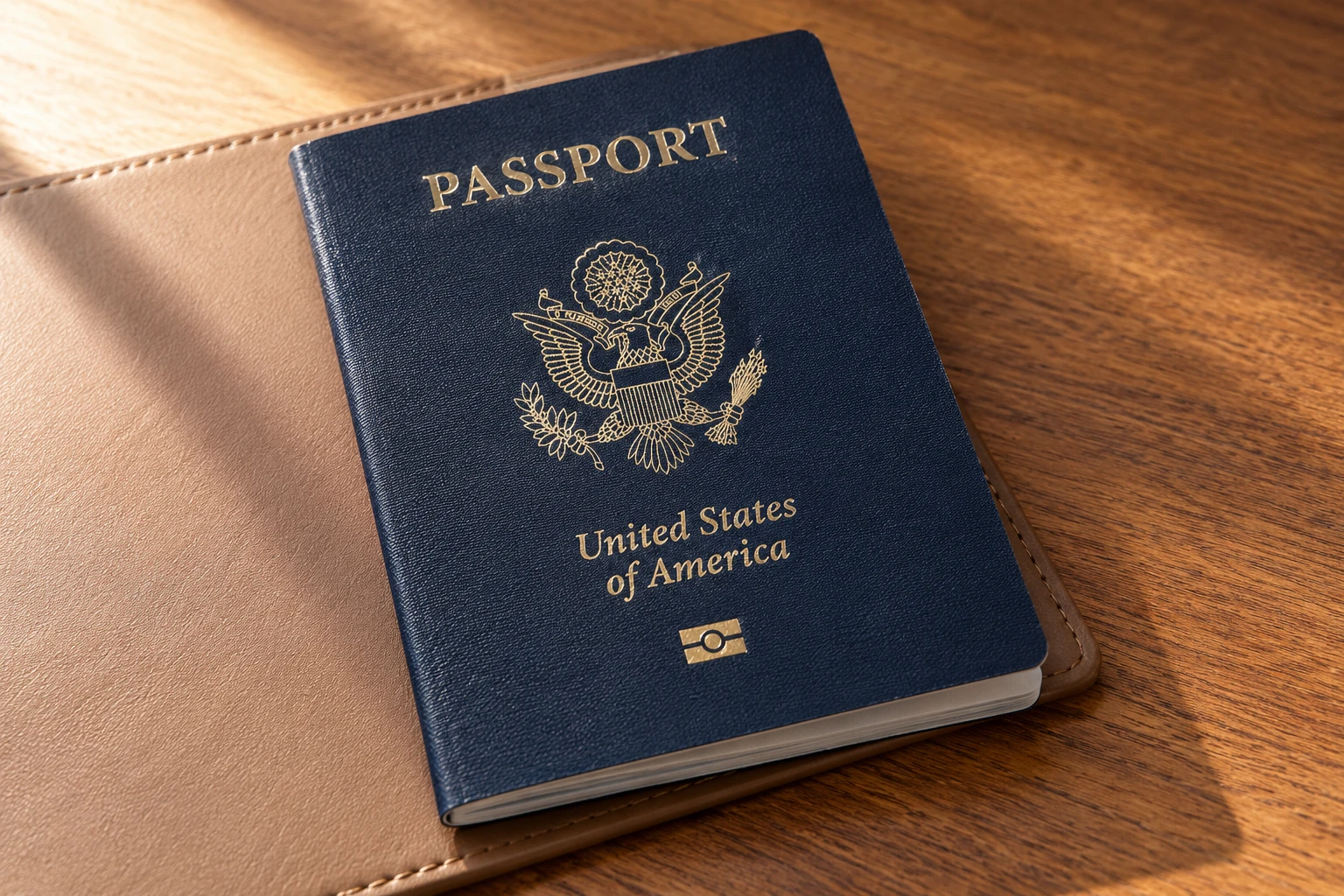
Check the expiration date when you book. If the passport expires during the trip or shortly after it, renew before you travel. A passport that expires before your return flight leaves you with no document for the return trip.
How long a visa-free stay lasts
The visa exemption covers tourism, business, and visiting family or friends. Work, study, and longer stays need a visa or a permit. If you plan to work, study, or live in Canada beyond a visit, apply for the correct document before you leave the United States.
The CBSA officer at the port of entry decides how long you may stay. The officer’s stamp or endorsement controls, so read the date on it before you leave the inspection point. Officers usually grant six months from entry, which is 180 days. If the stamp shows a specific date, you must leave by that date. Under the Immigration and Refugee Protection Act, a foreign national must show that they hold the required document and will leave Canada by the end of the authorized stay.

If you want to stay longer, Wikipedia’s summary of Canadian visa policy puts the deadline to apply for an extension at 30 days before your status expires. Plan the extension before the date on your stamp, not after.
Who needs an eTA
The eTA applies to visa-exempt foreign nationals who fly to or transit through a Canadian airport. US citizens are exempt, as CBC’s reporting on the eTA confirms. You do not apply for one if you drive, take a bus or train, arrive by boat, or come on a cruise.
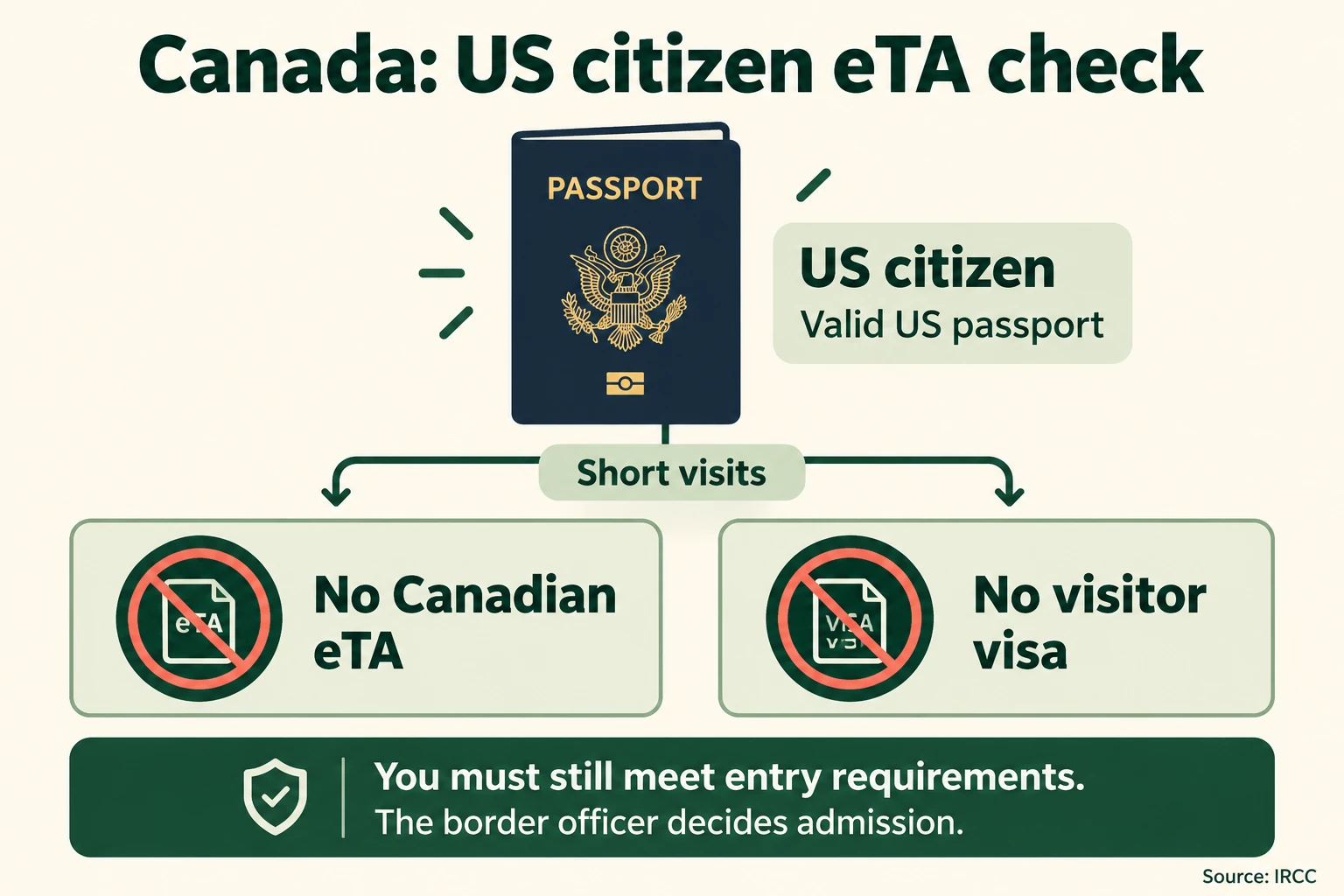
Visitors who do need an eTA pay CAD $7 on the official eTA page. One application covers one person. The authorization is linked electronically to the passport you used to apply, and it is valid for up to five years or until that passport expires, whichever comes first. With a valid eTA, you can enter as often as you like for short stays, normally up to six months at a time. An eTA is not a visa, and the CBSA officer still makes the final decision on admission. Airlines check the eTA link before boarding, so a passenger without a valid link cannot fly.
US permanent residents, who hold green cards, have been exempt from the eTA since April 26, 2022. A green card holder who holds a passport from another country follows the rules for that passport instead.
What border officers ask on arrival
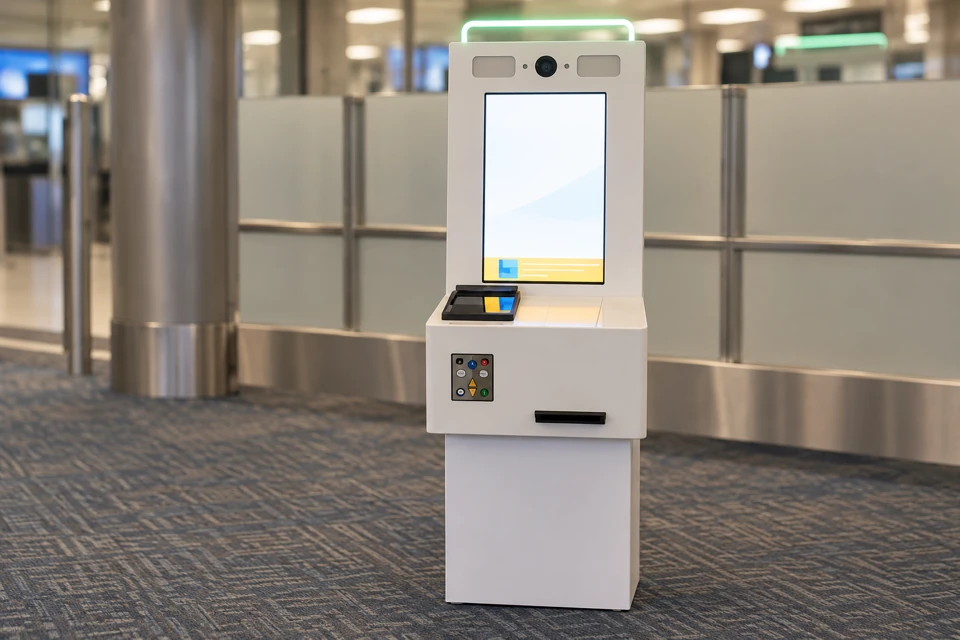
Arriving by air follows a set sequence. Before you land, you complete a declaration. The Global Affairs Canada guide to entering Canada, last modified October 13, 2026, says you can submit an Advance Declaration online up to 72 hours before arrival. One Advance Declaration covers up to eight people. If you do not file one, you use a kiosk or eGate at the airport, or you fill out a paper Declaration Card on the plane. A single paper card can list up to four people who live at the same residence.
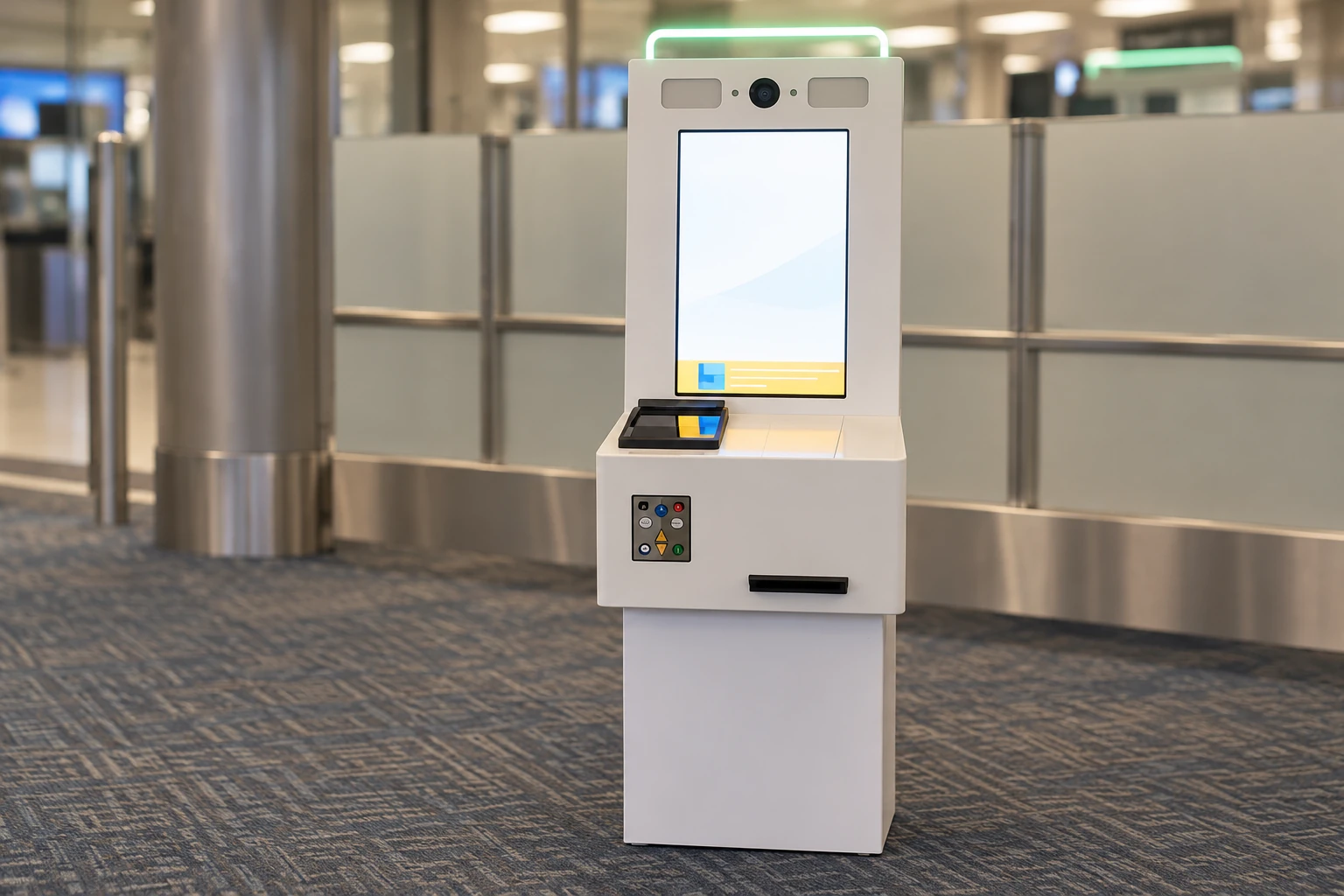
At primary inspection, the officer checks your declaration, identification, and travel documents. The officer may ask about your immigration status and the goods you are bringing. Questions may also cover your duty-free allowance and your personal exemption. The officer may also send you to secondary inspection, where you answer detailed questions about your travels and present your luggage and goods for examination. You must open, unpack, and repack your bags when officers ask. Officers may ask to see receipts for your hotel and purchases, because those receipts show how long you planned to stay and what your goods are worth.
Arriving by land starts with the same primary inspection, but you give a verbal declaration instead of a written one. Common questions at the land crossing cover citizenship, purpose of the trip, length of stay, and what you are bringing. Officers may also ask whether you have firearms in the vehicle and whether you carry alcohol or tobacco. The border questions guide covers these questions in detail.
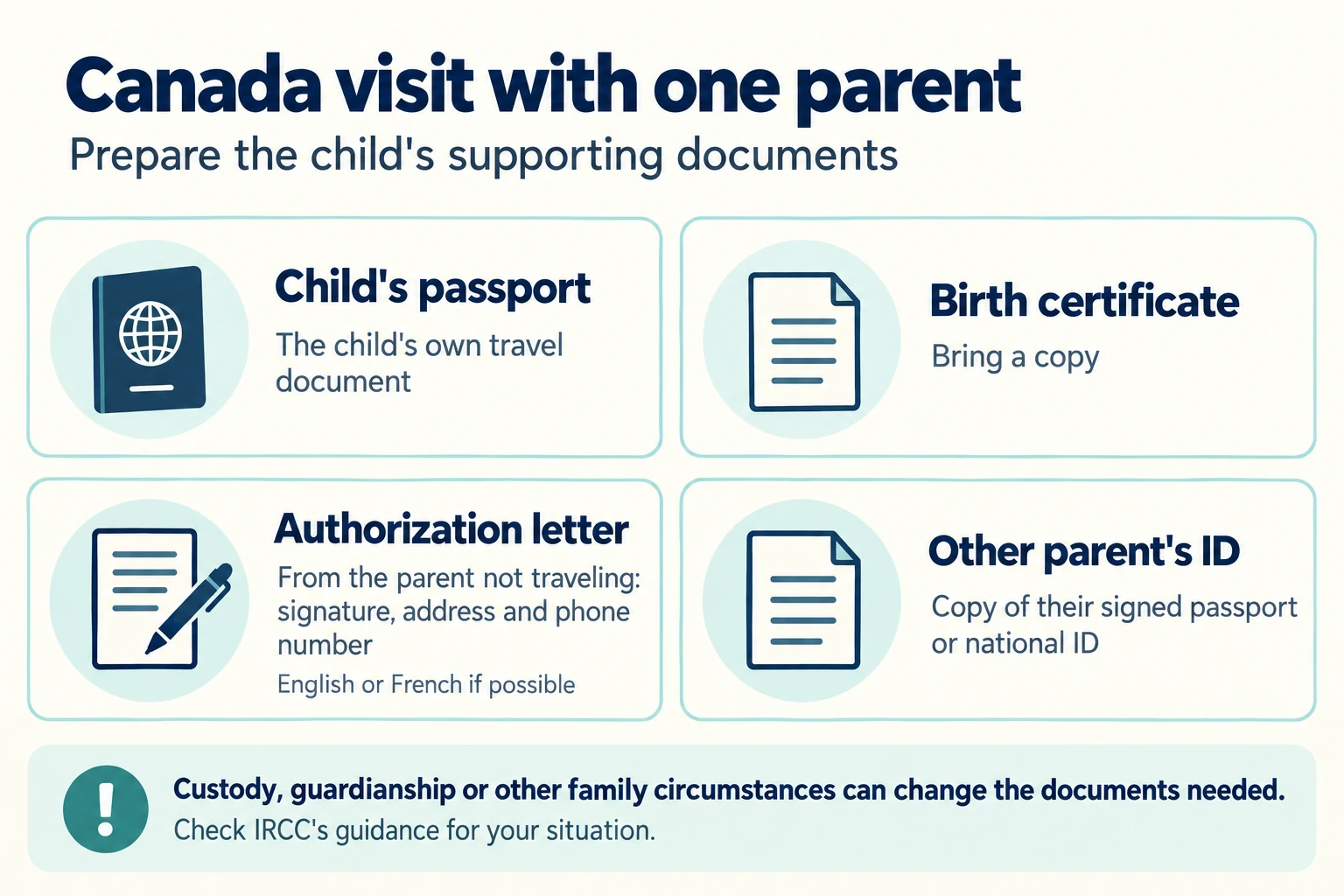
Children traveling with an adult can prompt more questions. The Global Affairs Canada guide recommends a consent letter when a child travels alone, with one parent or guardian, with friends or relatives, or in a group.
A criminal record affects admission. Some US misdemeanors and alcohol-related driving offenses may require rehabilitation approval or a Temporary Resident Permit before you enter. Check your record before you book if any offense could apply.
Customs limits by length of stay
You must declare all goods when you enter Canada, including gifts. Keep receipts for anything you buy or receive abroad, and leave gifts unwrapped or in gift bags so officers can inspect them. A 2022 CBSA holiday-season release gives that advice.
The personal exemption depends on how long you were away. The CBSA duties and taxes page, last modified November 25, 2025, lists the tiers in Canadian dollars. An absence of under 24 hours earns no personal exemption. An absence of over 24 hours earns up to CAD $200, and tobacco and alcohol are excluded from that amount. If your goods are worth more than $200, you lose the exemption and pay duty on the full value. An absence of over seven days earns up to CAD $800, but tobacco and alcohol must come with you on arrival. Other goods can be shipped and declared when they arrive.
The exemptions cannot be combined with another person’s exemption or with each other. Goods must be for personal or family use. Excise tobacco duties can apply on top of the exemption.
The page writes these tiers for residents, former residents, and temporary residents. A visitor from the United States who wants the rules written for non-residents should read the CBSA memorandum on temporary importation of baggage by non-residents.
Alcohol, tobacco, and cash limits
The CBSA alcohol and tobacco page sets the duty-free limits for travelers who have been abroad for an extended period. You can bring one of the following in duty- and tax-free: up to 1.5 L of wine (about two 750 ml bottles), up to 1.14 L of spirits or other alcoholic beverages (about one large bottle), or up to 8.5 L of beer or ale (about 24 cans or bottles of 355 ml). Amounts above the personal exemption carry duties, taxes, and any provincial or territorial levies. The minimum age to import alcohol is 18 in Alberta, Manitoba, and Quebec, and 19 in the rest of the country.
The same page covers tobacco and vaping for the same extended-stay travelers. The duty-free amounts are 200 cigarettes, 50 cigars, 200 g of manufactured tobacco, 200 tobacco sticks, and vaping products up to 120 ml of liquid or 120 g of solid product. Those limits apply in any combination of no more than 12 devices and consumer packages. You must be 18 or older to bring tobacco or vaping products under the personal exemption.
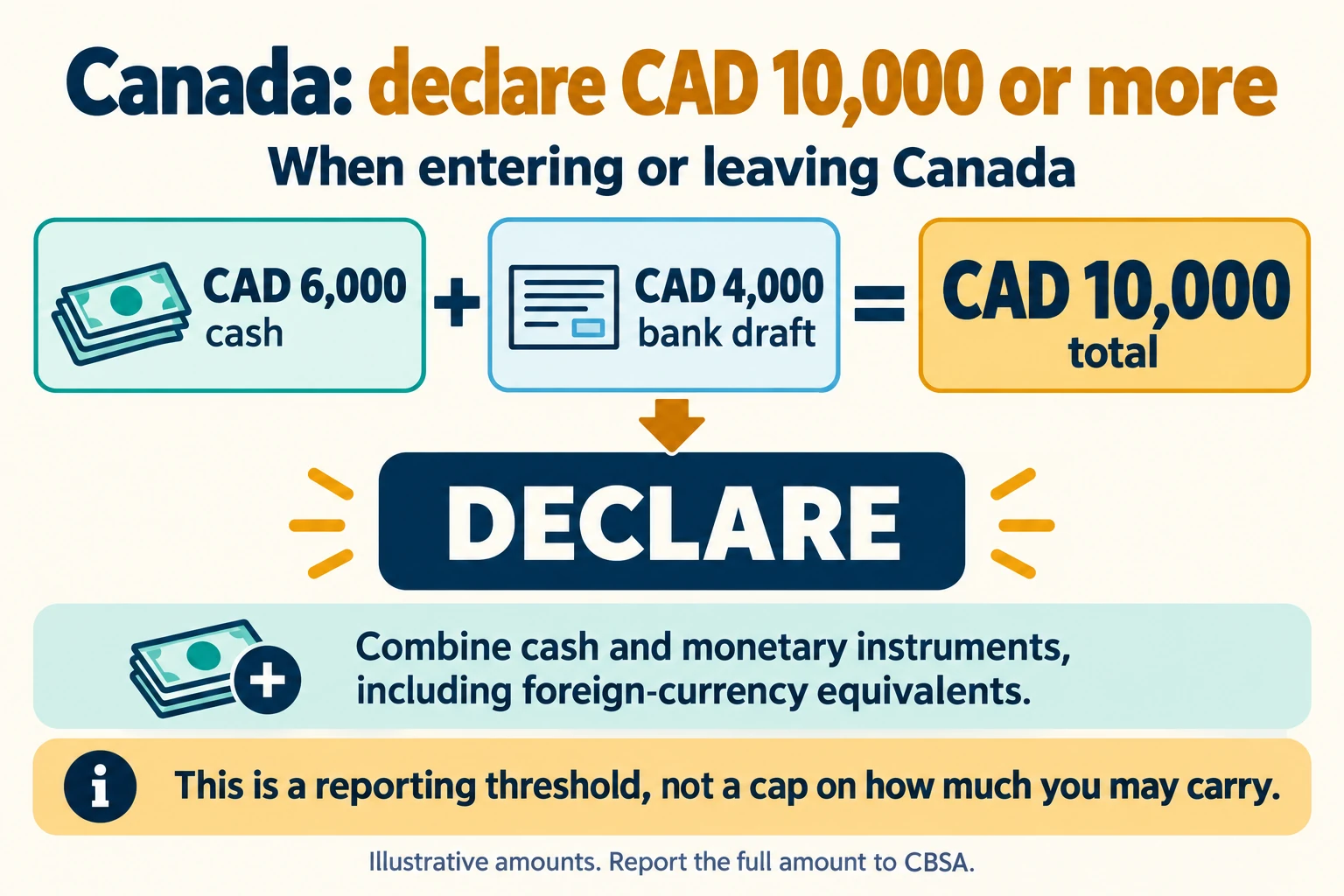
Cash requires its own declaration. The CBSA’s outbound border page says officers can check departing travelers for currency above the legal limit of CAD $10,000. The ClearToEnter declaration guide says travelers entering Canada must declare CAD $10,000 or more. Officers may question anyone leaving Canada and examine the goods they carry, and travelers must answer truthfully.
Firearms, cannabis, and restricted goods
Firearms must be declared. The ClearToEnter declaration guide says that hunting rifles and ammunition count as firearms, that separate import permits apply, and that you must use CBSA Form CAFC 909. Failing to declare a firearm is a criminal offense. Check the CBSA’s firearms guidance before you pack, because the permit process takes planning time.
Cannabis is a bigger risk than many visitors expect. The 2022 CBSA release states that transporting cannabis in any form, including THC or CBD oils, without a Health Canada permit or exemption is a serious criminal offense. A doctor’s prescription does not count as Health Canada authorization. Food, plants, animals, and their products must also be declared, so declare any of those items you carry.
Entry rules for other passports
The rules for non-US passports depend on the nationality on that passport. A current list of visa-free countries for Canada, dated October 7, 2026, counts 53 visa-exempt countries and territories, and it notes that Qatar became visa-exempt on November 25, 2025. Check the current list with the Canadian government’s entry requirements by country page before you book.
Visitors from visa-required countries must get a visa from a Canadian diplomatic mission. The visitor visa costs CAD $100, plus CAD $85 for biometrics, and biometrics are required once every 10 years. Citizens of 17 visa-required countries can use an eTA instead of a visa if they meet three conditions and arrive by air. One example condition is holding a valid US B1 or B2 visa. Citizens of those same countries need a visa to drive in from the United States. The 17 countries named in that list include Argentina, Brazil, Costa Rica, Mexico, Panama, and Uruguay, plus several Caribbean nations.
For a quick comparison of common passports, the table below shows how the visa and eTA rules apply to air travel.
| Passport | Visa status | Air travel rule |
|---|---|---|
| United States | Visa not required for visits up to six months | No eTA required |
| United Kingdom | Visa-exempt | eTA required for air travel |
| European Union member states | Visa-exempt | eTA required for air travel |
| Australia | Visa-exempt | eTA required for air travel |
| Mexico | Visa-required, with a conditional eTA route | Listed among the 17 eTA countries |
| India | Visa-required | Visa from a Canadian mission |
| China | Visa-required | Visa from a Canadian mission |
British citizens, British overseas citizens who can be readmitted to the UK, and citizens of ten named British overseas territories are exempt, according to ClearToEnter.
Transit has its own rules. Visa-required travelers in short air transit need a free transit visa, unless they already hold a valid visitor visa or can use an eTA. Visa-required travelers who transit for longer periods, or who transit by land or sea, need a visitor visa. Train, bus, boat, and cruise transit do not require an eTA.
Before you cross the border
- Carry a valid US passport: Canadian immigration has no six-month validity requirement for US citizens. Airlines may ask for six months of validity, so check the airline’s rule before you book.
- Skip the eTA as a US citizen: The CAD $7 eTA applies to visa-exempt travelers who fly in, and US citizens do not pay it.
- Plan around the officer’s date: The officer’s stamp sets your stay, usually six months from entry, and you must apply for any extension 30 days before your status expires.
- Declare every item, including gifts: Keep receipts and leave gifts unwrapped, and check the CBSA limits for alcohol and tobacco, which depend on how long you were abroad.
- Declare cash of CAD $10,000 or more: The CBSA applies this threshold to currency going into and out of Canada, so amounts below it need no declaration.