Getting Around Mexico
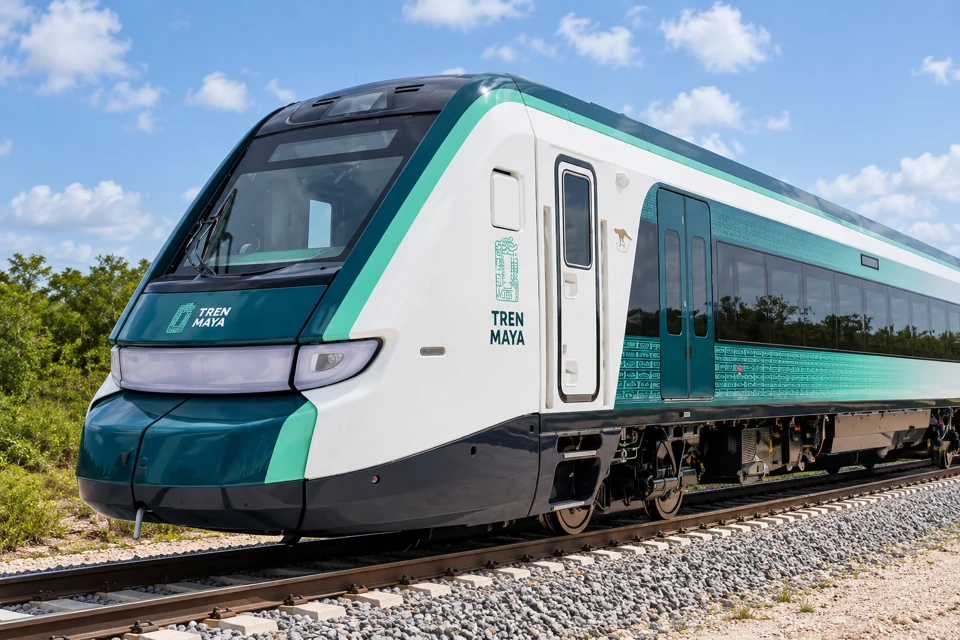
Mexico is large enough that the best way to travel depends on the route. On the Yucatán Peninsula, the Tren Maya passenger rail line and ADO, Mexico’s largest intercity bus operator, serve the same corridor. Between distant cities, ADO buses and domestic flights compete. Ferries carry vehicles between Baja California Sur and the mainland. Rental cars suit regional touring if you meet the credit card and insurance requirements. Ride-hailing apps and taxis cover short trips within cities. Prices are in Mexican pesos (MXN) unless another currency is shown.
The sections below match each mode to a type of trip and give typical costs, journey times, and booking steps. Fares, schedules, and fees change often, so each section says where to check the current figure.
Which mode fits which trip
The Cancún, Playa del Carmen, Tulum, Chichén Itzá and Mérida corridor has the most overlap. Tren Maya offers rail links along the peninsula, and ADO runs frequent departures on the same roads. For a long route such as Mexico City to Oaxaca, the choice is between an ADO bus that averages about 7 hours and a flight that is faster but loaded with bag fees. A trip between La Paz and Sinaloa with a car points to Baja Ferries, the only mode here that carries cars, motorcycles, motorhomes and trailers. Flexible touring of a region points to a rental car. Short city trips and airport transfers go to ride-hailing or taxis, with the caveat that some airports restrict app pickups at the terminal.
Tren Maya on the Yucatán Peninsula
Fares by route
Tren Maya fares come in five categories: Special (the lowest), Local, National, International and Premier. The Local fare is priced for residents of peninsula states. The fare page puts the National fare roughly 25% below International, and Premier roughly 20% above Turista. Premier is sold only in the National and International categories. The final price depends on how far ahead you buy and on demand for the route.
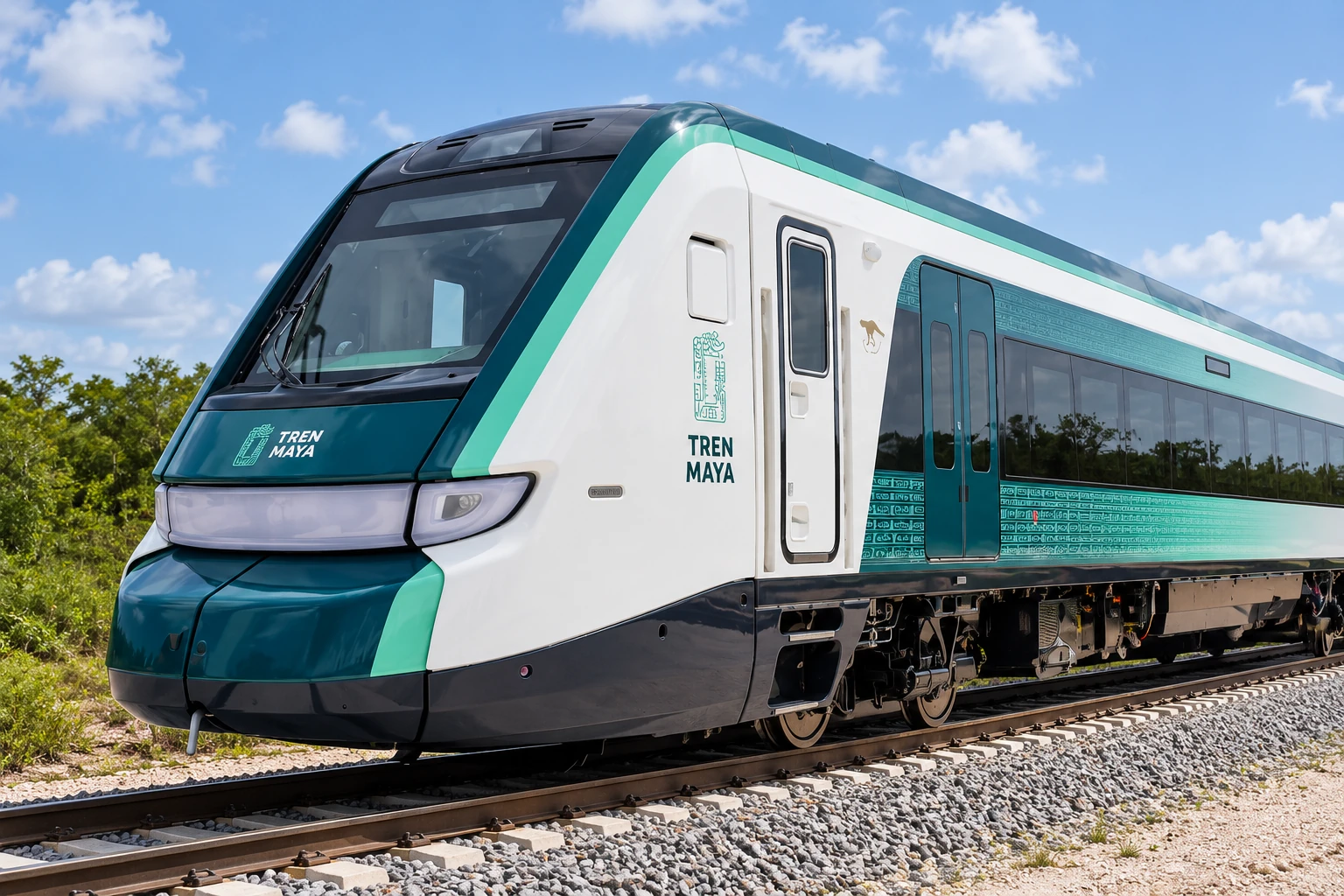
The October 2026 fares reported by Milenio and Heraldo de México are higher than before:
| Route | Fare range (MXN) |
|---|---|
| Playa del Carmen to Tulum | From 93 (Special); Local 123.50; National 185 |
| Mérida to Cancún Airport | 391 (Special), 521 (Local), 781 (National), 1,041.50 (International) |
| Mérida to Cancún Airport, Premier | 937 (National), 1,250 (International) |
| Chetumal to Cancún Airport | 476 (Special) to 1,269.50 (International) |
Two other fares show the range for Turista International tickets: Cancún Airport to Tulum at 467 and Palenque to Escárcega at 820.
Journey times
A published Tren Maya schedule dated 7 November 2025 lists Cancún Airport to Playa del Carmen at about 50 minutes with one stop, and Cancún to Chichén Itzá at 2 hours 15 minutes with three stops. The longest runs are far slower: Cancún to Candelaria takes 9 hours 11 minutes with 16 stops, and Cancún to El Triunfo takes 9 hours 40 minutes with 17 stops. Use the train to reach specific stations, with Chichén Itzá the most obvious draw. Between distant ends of the line it runs slowly, with many stops.
Where the train beats the bus
On the airport-to-Playa del Carmen leg, the train can be cheap. A direct ADO bus from Cancún Airport to Playa del Carmen costs about 250 MXN, while the train fare varies by category. Between Mérida and Cancún, the ADO bus takes 4 to 4.5 hours at 500 to 700 MXN, and the train fare range overlaps that figure at the low and high ends. Check the live fare for your date against the bus price before you choose.
Milenio and Heraldo also list 16 tour packages that bundle flights and lodging. Prices run from about 14,760 MXN (Ruta de las Maravillas) to about 22,975 MXN (Corazón de los Antiguos).
How to book
Online sales run through the official sales portal, reservas.ventaboletostrenmaya.com.mx. Buy through that portal. Tickets can also be bought at station ticket offices and at some station machines. Avoid resellers and non-official sites, which add cost and risk.
ADO buses across Mexico
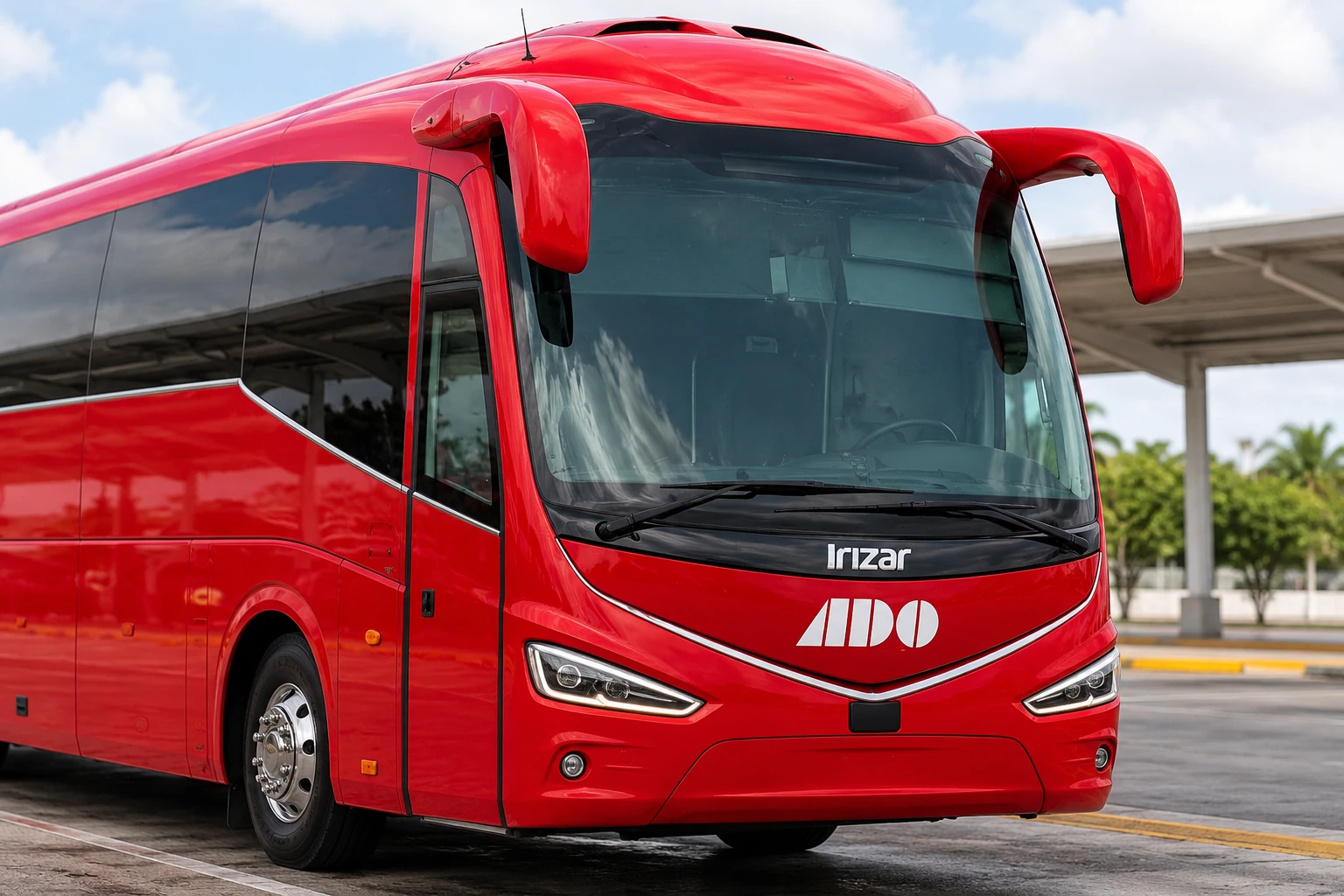
ADO says it has operated for over 85 years across more than 16 states, with over 70 terminals and more than 300 destinations. Of the transport modes covered here, it has the widest network, and on most routes it is the cheapest intercity option.
Typical fares and times
On the peninsula, ADO’s official page for Cancún to Playa del Carmen lists departures every 15 to 30 minutes, about 1 hour 20 minutes door to door, and one-way tickets starting at around 124 MXN. Prices are higher at peak times and on holidays, and fare classes run from budget to premium comfort. ADO’s Cancún to Tulum page shows up to 30 departures daily from the Cancún ADO Centro terminal, about 2 hours 40 minutes direct, with non-direct services adding 30 to 45 minutes. ADO says buying online ahead of time can save up to 50%, though that is a promotional figure rather than a fixed fare. For Cancún to Mérida, expect 4 to 4.5 hours and 500 to 700 MXN.
Outside the peninsula, ADO’s Mexico City to Tepoztlán service leaves from Terminal Taxqueña and runs roughly from 6:00 to 21:30. The trip takes about 1 hour 15 minutes depending on traffic. Book ahead on weekends. On the long Mexico City to Oaxaca route, ADO averages 7 hours 2 minutes, with fares averaging about US$58.34.
Fares differ by class. On one long-distance departure, Platino at 2 pm costs 1,200 MXN against 580 MXN for Primera Clase at a similar time, while an overnight Platino at 9:45 pm costs 780 MXN. ADO GL and Estrella de Oro Diamante trips come with Wi-Fi, flat-screen TVs, luxury seats, air conditioning and onboard restrooms.
Booking and boarding
Book at international.ado.com.mx. Tickets are digital, sent by email or downloadable on a phone. ADO’s Track My Journey tool follows a trip in progress. The customer support center is in Spanish. Some foreign cards are rejected at the ADO site, so try a second card or buy at the terminal if the payment fails. Advance booking can cut longer-route fares by 20 to 30%, while third-party resellers add a margin.
At the terminal, arrive 15 to 20 minutes early and check the platform number on the screens. Boarding usually begins about 10 minutes before departure, and passengers go through a metal detector and show the ticket and ID. Ticket counters usually stop selling 15 to 30 minutes before departure, and most agents may not speak English, so it is simpler to buy online ahead.
Domestic flights
The airlines
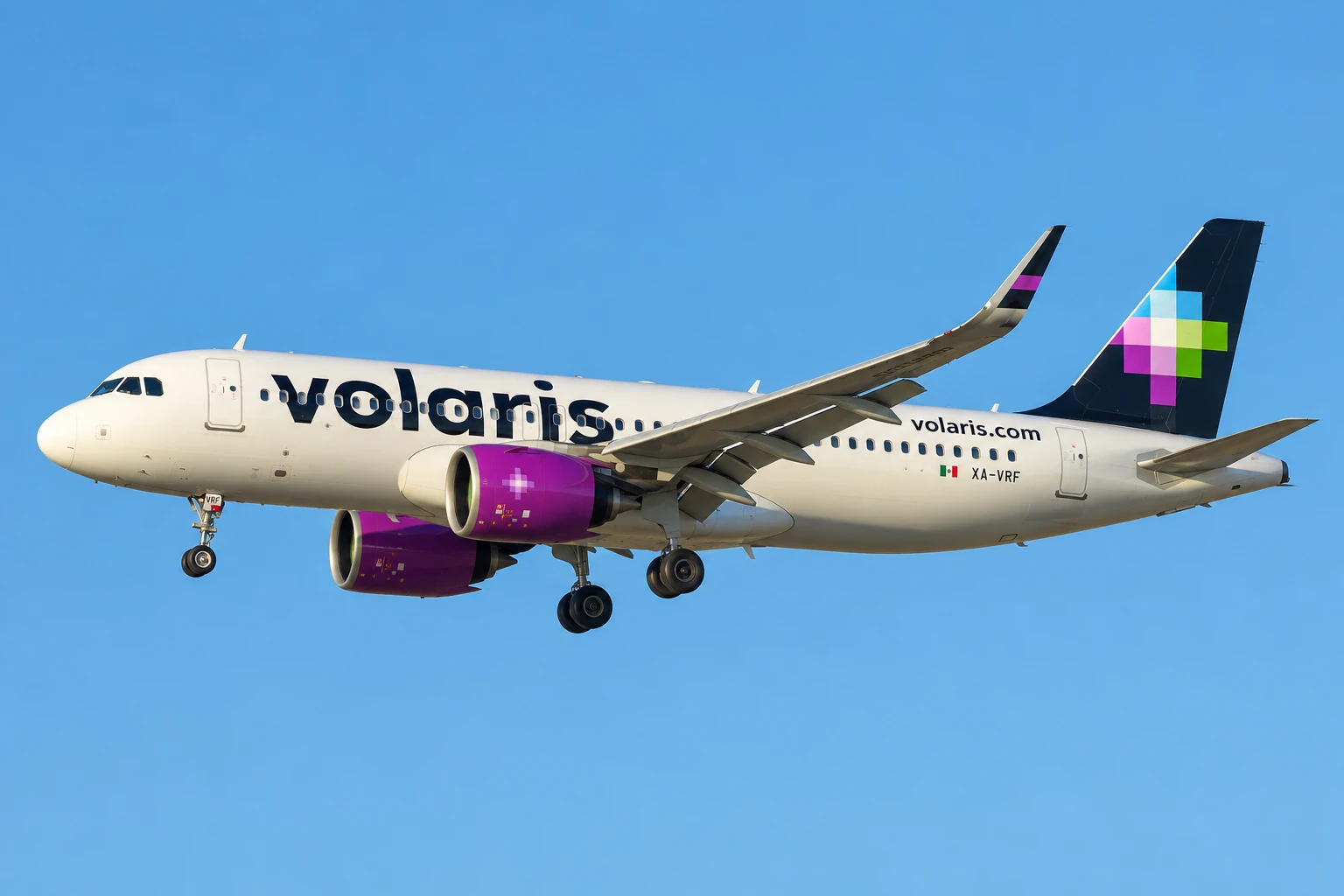
Volaris and Viva are low-cost carriers that together carried about 69% of domestic passengers through October 2025, according to merger filings reported in a comparison of Mexican airlines. In December 2025 the two agreed to combine under one holding company. Volaris shareholders approved the deal on 25 March 2026, and US regulators cleared it in September 2026. As of October 2026 it awaits Mexico’s antitrust authority, and the brands and operating certificates remain separate.
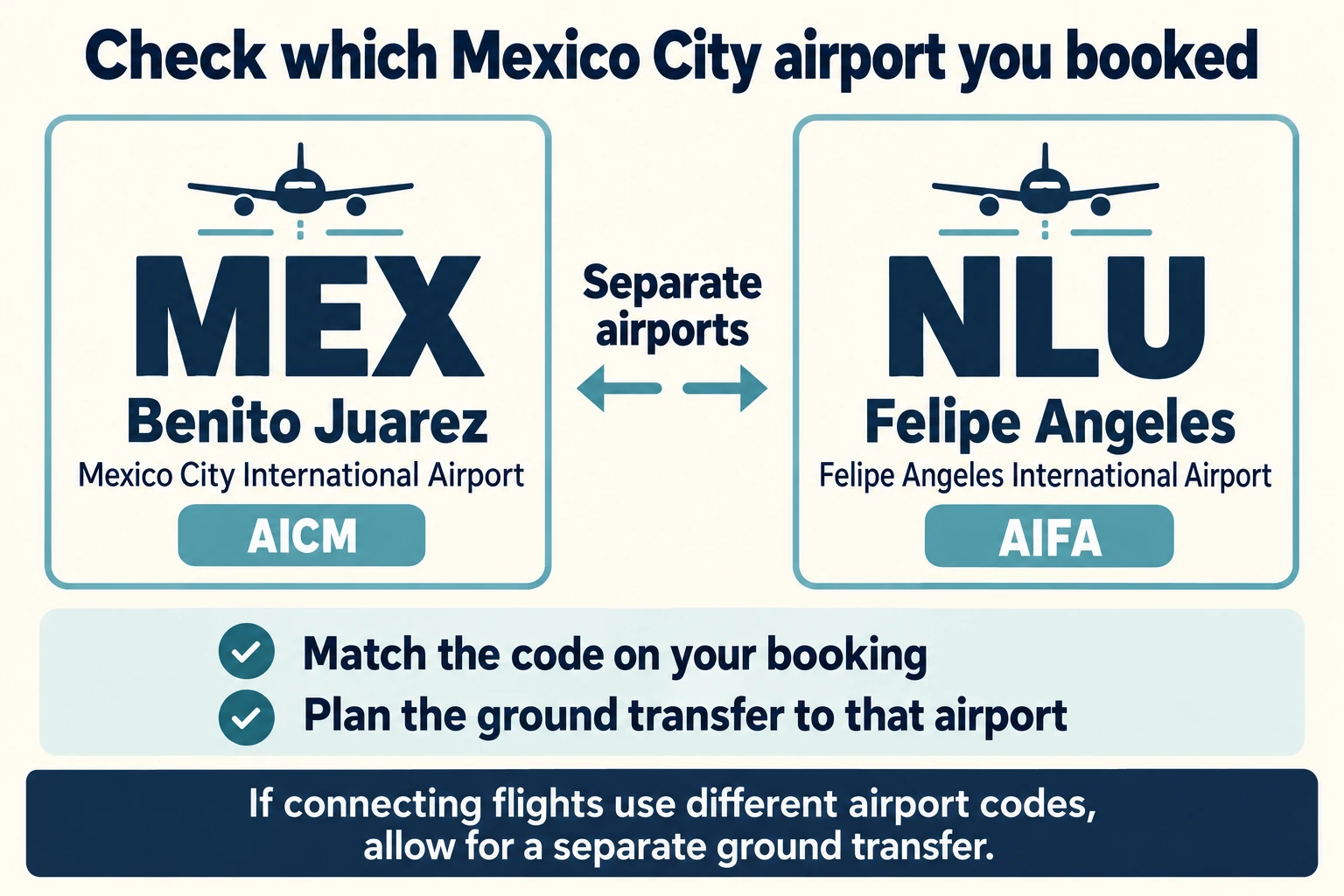
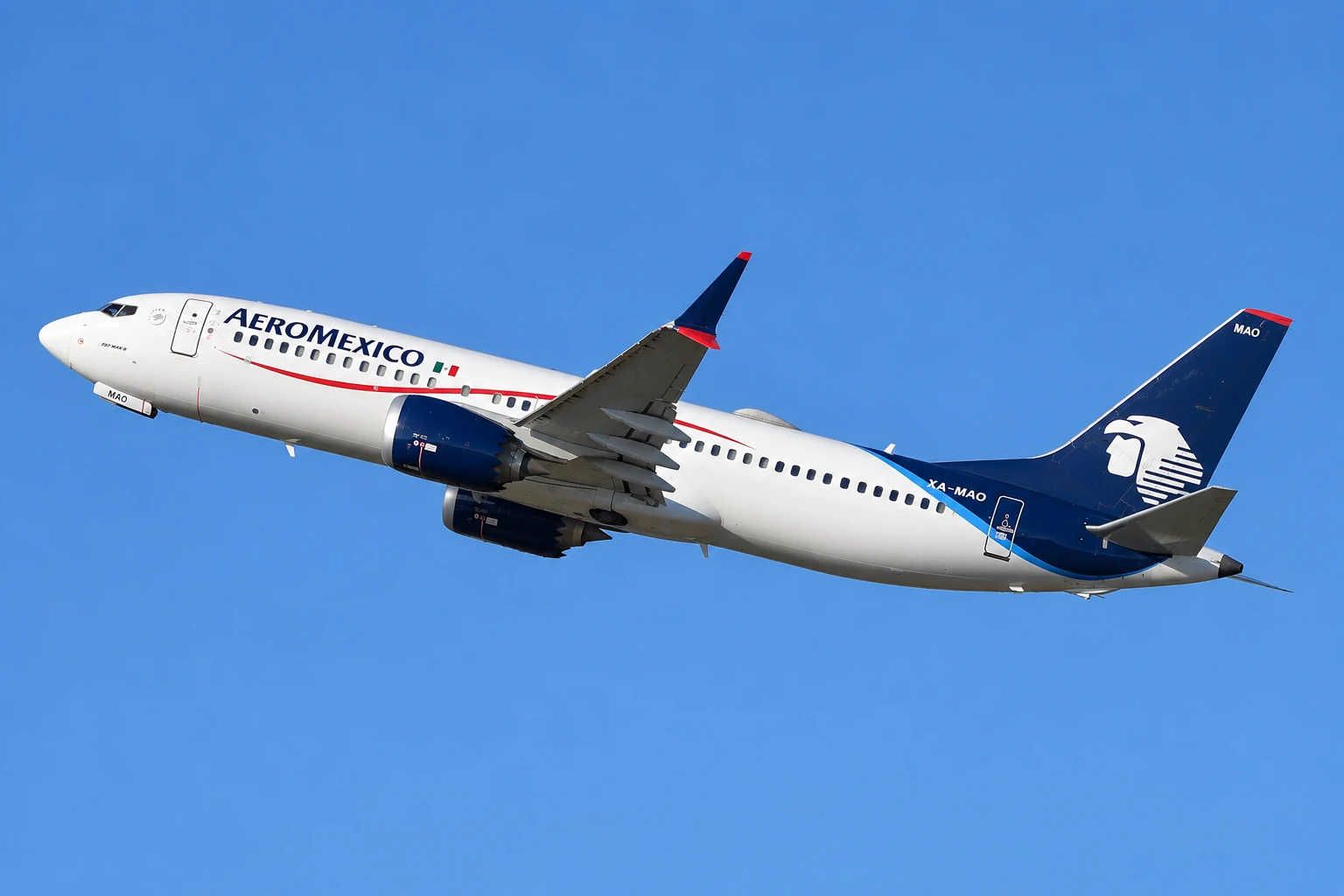
Aeromexico is the full-service carrier, based at Mexico City International (MEX) and partnered with Delta. Its traditional ticket includes a carry-on and snacks. Cirium ranked it the most on-time airline in the world for 2025. AirlineRatings.com scores give Aeromexico 7 of 7 and Viva 5 of 7, and Viva does not have a strong on-time record. Mexicana de Aviación is state-owned and flies domestic routes only from Felipe Ángeles International (NLU, also called AIFA). It restarted on 26 December 2023 and reached 19 destinations after four routes were added in July 2026. Book at mexicana.gob.mx. Volaris has eight routes from NLU and several hubs, including Tijuana.
Fares and timing
Recent low-fare examples include Mexico City to Puerto Vallarta round trips from $75 and Tijuana to Mexico City from $124 round trip, both seen over the past 7 days. ARC data for January to November 2024 shows that booking 34 to 86 days ahead saves about 25% compared with booking 6 to 12 days ahead. Sunday is generally the cheapest day to fly and Monday often the most expensive. Booking on a Sunday saves about 6% on average.
Bag fees
Viva Aerobus sells a base fare with only a small personal item. Baggage rules for 2026 set the fare types this way:
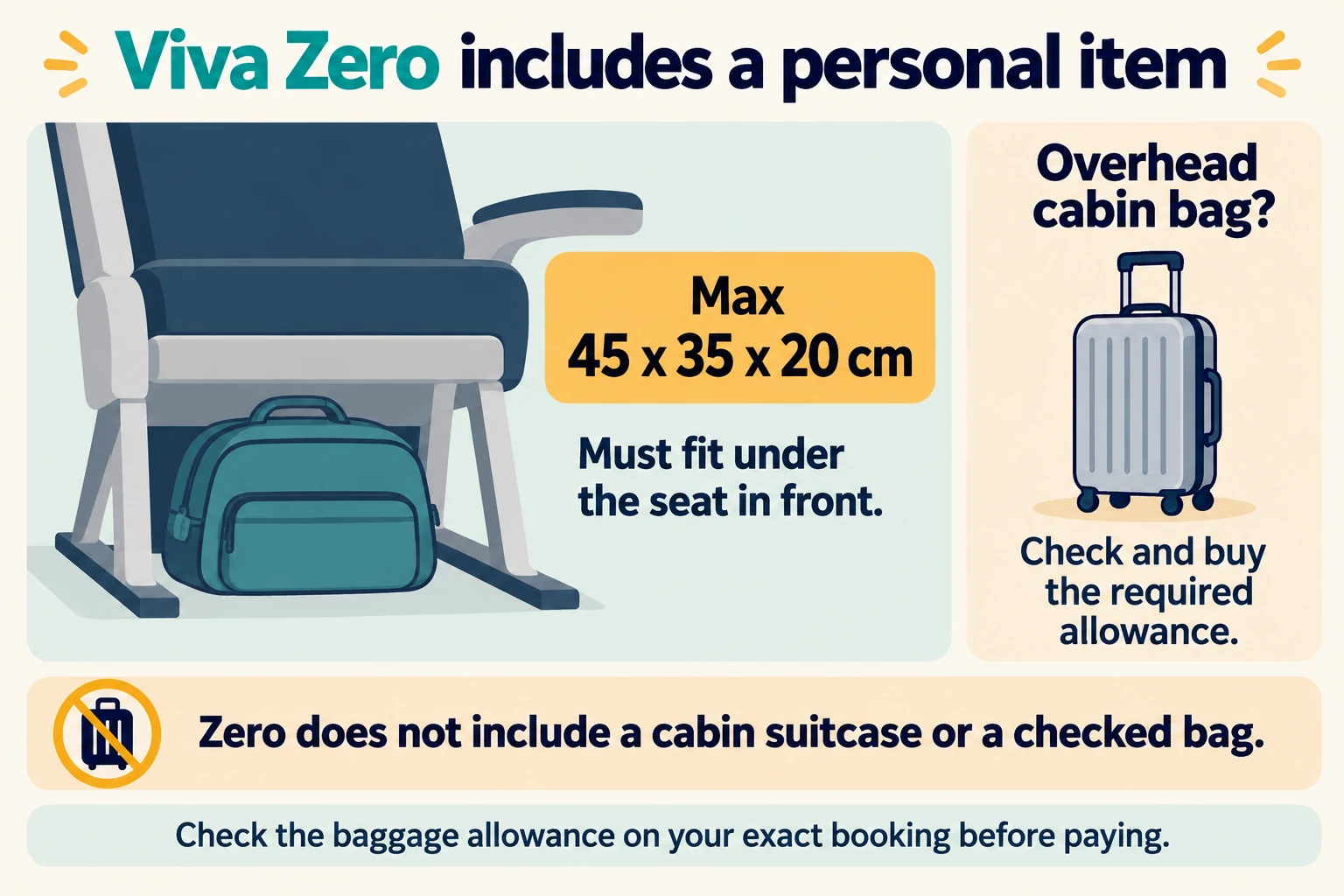
- Every fare includes one personal item (45×35×20 cm) that fits under the seat in front.
- Zero: neither a carry-on nor a checked bag.
- Switch/Light: carry-on up to 10 kg, no checked bag.
- Extra: a 10 kg carry-on plus one checked bag up to 15 kg.
- Smart: carry-on up to 15 kg plus one checked bag up to 25 kg.
A Zero-fare passenger who arrives with a carry-on may pay a gate documentation fee of 2,433 to 2,798 MXN on domestic routes. The February 2026 domestic fee schedule shows how much the purchase channel matters:
| Item | Online | Point of sale | Airport |
|---|---|---|---|
| Carry-on 10 kg | 561 | 583–1,520 | 1,321–1,520 |
| Carry-on 15 kg | 701 | 729–1,899 | 1,651–1,899 |
| Extra bag 20 kg | 770–1,597 | 1,898–2,798 | 2,433–2,798 |
| Extra bag 25 kg | 922–1,950 | 2,317–3,432 | 2,984–3,432 |
Allowances apply per passenger and per flight segment, so a round trip pays in each direction. On domestic flights, check bags at least 2 hours before departure; counters close 70 minutes before. Add bags at booking and weigh them at home, since some travelers paid at the airport after finding the weight limit on their online bag was lower than expected. Volaris charges for everything beyond the personal item (35×45×20 cm); its carry-on is an extra at 55×40×25 cm and 10 kg.
Add the bag fees to the base fare before comparing prices with the bus. A Zero fare plus a 10 kg carry-on bought at the airport can cost more than the base ticket itself.
Booking
Start on the airline’s own website. Viva’s add-ons show the exact price there, and existing bookings are managed through the My Flight portal. Online check-in on Viva is free. Volaris and Aeromexico sell through their own sites as well.
Baja Ferries between La Paz and the mainland
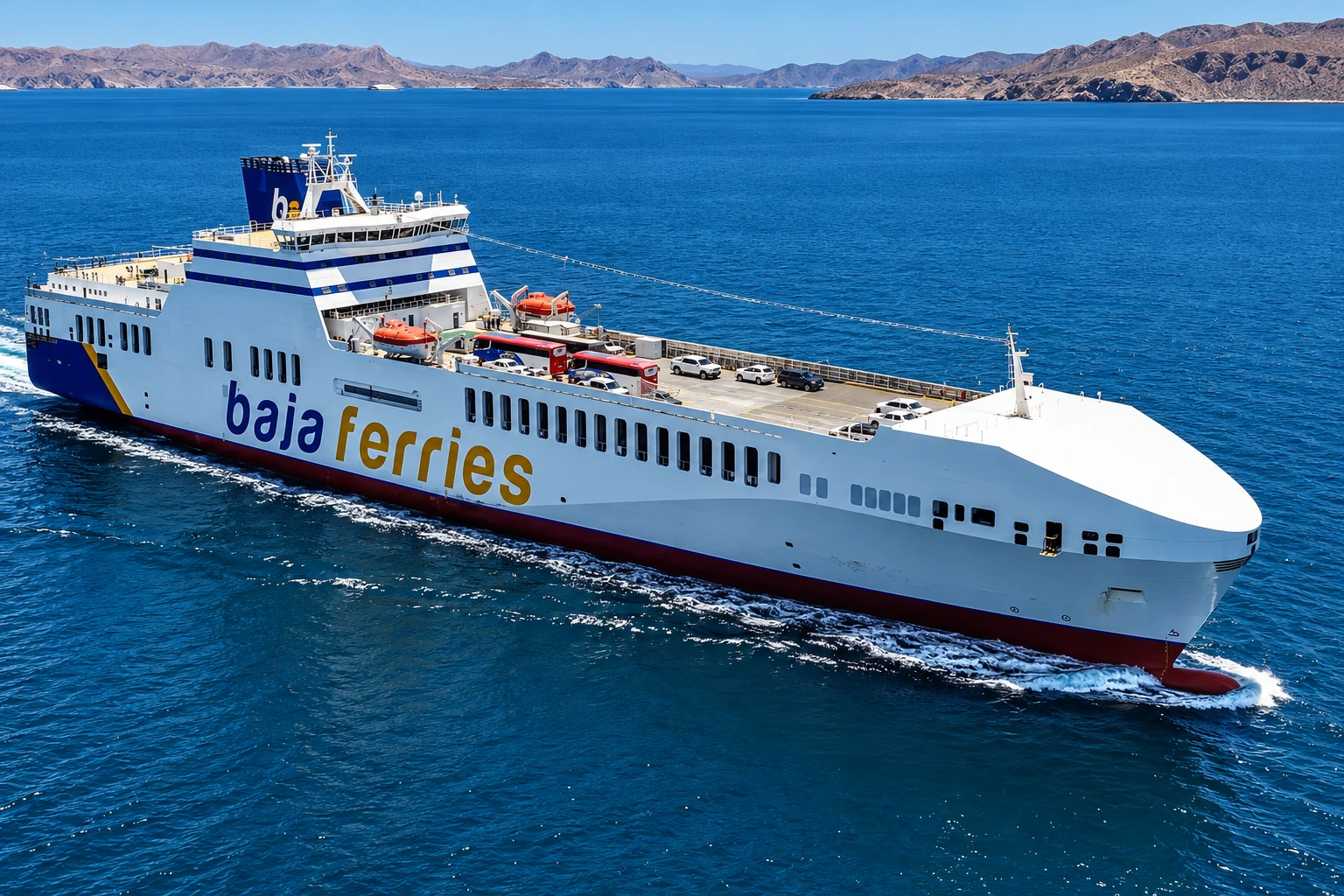
Baja Ferries is a private Mexican shipping company based in La Paz, Baja California Sur, founded in 2003. It sails La Paz to Topolobampo and La Paz to Mazatlán in both directions, carrying passengers, cars, motorcycles, motorhomes and trailers. Sailings run only a few days a week and mostly overnight, so the schedule drives the plan. These 2026 schedule details are subject to change:
| Route | Days | Departs | Arrives |
|---|---|---|---|
| La Paz to Topolobampo | Monday to Friday | 13:30 | 20:30 same day (about 7 hours) |
| La Paz to Topolobampo | Saturday | 23:00 | 09:00 Sunday |
| Topolobampo to La Paz | Monday to Friday | 23:59 | About 09:00 next day (about 9 hours) |
| Topolobampo to La Paz | Sunday | 23:00 | About 09:00 Monday |
| La Paz to Mazatlán | Tuesday, Thursday, Saturday | 19:00 | 09:00 next day |
| Mazatlán to La Paz | Wednesday, Friday, Sunday | 16:00 | 08:00 next day |
Check-in closes about 30 minutes before departure for passengers without a vehicle, and about an hour earlier for those with a vehicle.
Fares
Adult fares are about 2,000 MXN from Topolobampo and 2,150 MXN from Mazatlán. Children aged 3 to 11 pay 1,000 MXN from Topolobampo and 1,075 MXN from Mazatlán. Seniors pay the same amounts, and a July 2026 report ties the senior rate to an INAPAM card. Infants travel free. A car costs 5,950 MXN from Topolobampo and 6,850 MXN from Mazatlán. A motorcycle costs 4,000 MXN from Topolobampo and 4,900 MXN from Mazatlán.
Cabins are optional, not part of the basic ticket, and limited. Per July 2026 pricing, the Topolobampo route cabin (1 to 4 people, two bunks, satellite TV, full bathroom) costs 2,500 MXN. On the Mazatlán route, a standard cabin costs 2,500 MXN and a VIP cabin (two single beds, TV, bathroom) costs 3,200 MXN. An executive lounge is an optional 250 MXN, with a wider seat, more space and a coffee break. The Mazatlán sailings run overnight at roughly 14 to 16 hours, so a cabin is worth pricing for that route.
Booking
Buy on the official website, at sales points, or through the call center. A confirmation email goes to the address given at booking, and tickets are personal and not transferable. Third-party booking sites also sell tickets at unofficial prices, and fares tend to rise as the travel date approaches.
Renting a car
Documents and payment
A rental needs a valid official photo ID (an INE or passport) and a valid driver’s license. According to the FAQ of Mex Rent A Car, the license must have more than one year of use and be in the Roman alphabet, otherwise an international driving license is required. The main driver needs a physical credit card in their name. That operator does not currently accept contactless or digital cards, and it does not accept prepaid cards or cash for the deposit at Monterrey Airport Terminal B.
Minimum age varies by company. That operator sets it at 18, and drivers aged 18 to 24 pay a young-driver fee listed at about 265 MXN per day in Monterrey, which ends at 25. Other operators set the minimum at 21 to 25, and young-driver surcharges run roughly US$10 to 20 per day. Most companies require drivers to be 25 with two years of driving experience, according to a rental guide. Confirm the age rule before booking. Additional drivers cost 93.86 MXN per day each at Mex Rent A Car, including taxes, and each must present ID and a license at the counter.
Insurance
Third-party liability insurance is legally required throughout Mexico. It must be issued by a Mexican insurer, and US credit-card insurance and travel insurance do not satisfy the requirement. A low online rate therefore often grows at the counter. Mex Rent A Car’s direct-booking rates include third-party liability up to 750,000 MXN and a partial collision damage waiver. Under that basic option, the renter bears a 10% deductible for damage or total loss and a 20% deductible for theft. A Total Coverage plan is available online or at the counter, and full counter coverage runs about US$7 to 15 per day.
Deposits and daily cost
The credit-card deposit at Mex Rent A Car starts at 1,500 MXN. Deposits run US$1,000 to 1,500, placed on a credit or debit card. Most companies require a credit card, so carry one with enough available limit to cover the deposit.
Industry data cited by Mex Rent A Car shows February as the cheapest month at around US$14 per day on average, and December at US$30 or more. Booking data also shows that about 25% of users find rentals from about US$20 per day with basic coverage. It adds that a compact vehicle can cut costs by up to 50%. Cross-border travel to the US is generally not permitted, though some suppliers allow it with advance notice and extra insurance. Book through the operator’s website or at the counter, and cancellations made through that operator’s own channels are free.
Ride-hailing and taxis
Ride-hailing apps work well inside cities. A 3-mile Uber ride in Mexico City costs about US$3 to 4, according to Mex Rent A Car’s comparison. Surge pricing and cancellations happen at peak times.
Airports are where apps run into trouble. Many Mexican airports do not allow app-based drivers to pick up passengers at the terminal, so passengers often walk outside the airport perimeter with luggage to meet the driver. At Mexico City International Airport (AICM), the price gap between an authorized taxi and a ride-hailing app can reach 200 MXN. Before landing, check where your airport allows app pickups, or book an authorized taxi at the airport booth.
Taxis carry their own risks. Mexico City’s Citizen Council for Security and Justice has documented complaints of unauthorized card-terminal charges by taxi drivers, and Cancún’s State Attorney General’s Office has received hundreds of complaints about aggressive taxi behavior. Agree on the fare or use the meter before you get in, and watch the card terminal when you pay.
Before you book
- Match the mode to the corridor. Use Tren Maya or ADO on the Yucatán Peninsula, ADO or a flight for long city-to-city routes, Baja Ferries for vehicles between La Paz and Sinaloa, and a rental car for flexible regional touring.
- Buy Tren Maya tickets only through the official sales portal. Use reservas.ventaboletostrenmaya.com.mx or a station ticket office, since fares vary by route, category and how far ahead you buy.
- Treat ADO fares as starting prices. Cancún to Playa del Carmen starts around 124 MXN and rises at peak times, so book at international.ado.com.mx ahead and keep a second card in case the first is rejected.
- Add bags when you book a Viva flight. A 10 kg carry-on costs 561 MXN online and 1,321 to 1,520 MXN at the airport, and a Zero-fare carry-on at the gate can cost 2,433 to 2,798 MXN.
- Plan around the ferry schedule. Baja Ferries sails only a few days a week, mostly overnight. Adults pay about 2,000 to 2,150 MXN and a car costs 5,950 to 6,850 MXN.
- Carry a physical credit card and Mexican liability insurance for any car rental. Deposits start at 1,500 MXN, and US credit-card coverage does not replace third-party liability from a Mexican insurer.